
Best Teas for Digestion: Pu-erh, Green, or Herbal?
Struggling with bloating, sluggish digestion, or irregular bowel movements? Tea can be a gentle, natural way to support your digestive health.
Why Tea Supports Digestion
Tea contains bioactive compounds like polyphenols, catechins, and probiotics (in fermented teas) that interact with your gut. These compounds can:
- Stimulate digestive enzymes to break down food.
- Promote gut motility to ease bloating and constipation.
- Support a healthy gut microbiome, essential for overall wellness.
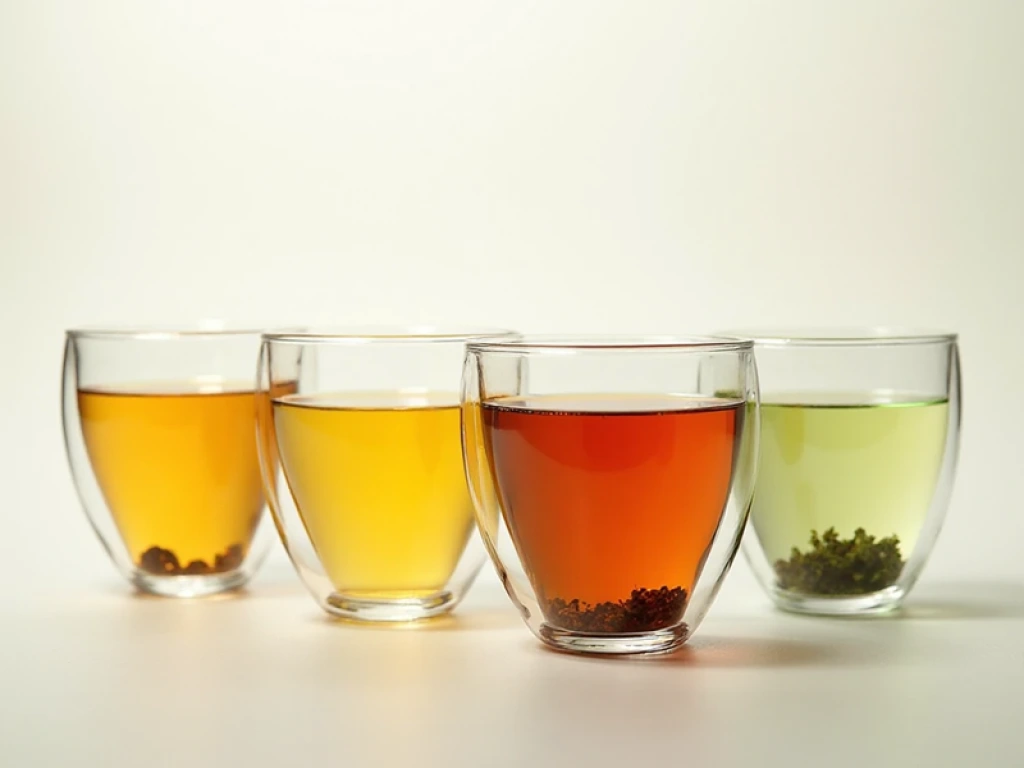
Pu-erh Tea: The Digestive Powerhouse
Raw Pu-erh (Sheng): The "Fat-Buster"
How It Helps Digestion: Raw Pu-erh stimulates digestive enzymes, helps break down fats, and reduces bloating.
Science Says: Studies suggest Pu-erh polyphenols enhance lipid digestion and reduce cholesterol absorption.
Taste & Prep: Vibrant, grassy, slightly astringent. Brew at 90-95°C for 2-3 minutes.
Tip: Pair with a fatty meal for maximum benefits.
Ripe Pu-erh (Shou): The Probiotic Champion
How It Helps Digestion: Ripe Pu-erh’s microbes support gut flora, easing constipation and improving motility.
Science Says: Research shows fermented teas provide probiotic-like effects to balance the microbiome.
Taste & Prep: Earthy, smooth, mellow. Brew at 95-100°C for 3-4 minutes.
Tip: Sip after meals for gentle digestive support.
Green Tea: The Gentle Stimulator
Green tea’s catechins reduce inflammation and stimulate digestive enzymes. It’s lighter than Pu-erh, making it great for mild bloating.
Science Says: Green tea catechins improve gut barrier function and reduce oxidative stress.
Taste & Prep: Fresh, grassy. Brew at 80-85°C for 1-2 minutes.
Best for: beginners or those seeking a refreshing option.
Herbal Teas: The Soothing Classics
Peppermint, ginger, and chamomile offer targeted digestive relief without caffeine.
- Peppermint: Relaxes gut muscles, eases IBS symptoms.
- Ginger: Enhances gastric emptying, reduces nausea.
- Chamomile: Soothes inflammation and calms upset stomachs.
Taste & Prep: Peppermint is cool, ginger spicy, chamomile floral. Steep at 100°C for 5-7 minutes.
Comparing the Teas
| Tea Type | Digestive Benefit | Taste | Best For | Brewing Tip |
|---|---|---|---|---|
| Raw Pu-erh | Breaks down fats, boosts motility | Grassy, astringent | Heavy meals, regular sipping | 100°C(212°F), 2-3 min |
| Ripe Pu-erh | Probiotic support, eases constipation | Earthy, smooth | Daily gut health, sensitive stomachs | 100°C(212°F), 3-4 min |
| Green Tea | Reduces inflammation, mild stimulation | Fresh, slightly bitter | Light bloating, beginners | 80-85° (176–185°F), 1-2 min |
| Herbal Tea | Soothes IBS, nausea, inflammation | Minty/spicy/floral | Caffeine-free, sensitive stomachs | 100°C(212°F), 5-7 min |
How to Incorporate These Teas
- Morning: Start with ripe Pu-erh or green tea.
- Post-Meal: Raw Pu-erh after fatty meals or peppermint tea for bloating.
- Evening: Chamomile or ripe Pu-erh to relax digestion.
FAQs
Which tea is best for constipation? Ripe Pu-erh and raw Pu-erh are excellent. Ginger tea also helps.
Can I drink Pu-erh every day? Yes! Ripe Pu-erh is gentle daily, while raw Pu-erh is best in moderation.
How does green tea compare to Pu-erh? Green tea is lighter for mild bloating; Pu-erh offers stronger fat-metabolizing and probiotic effects.