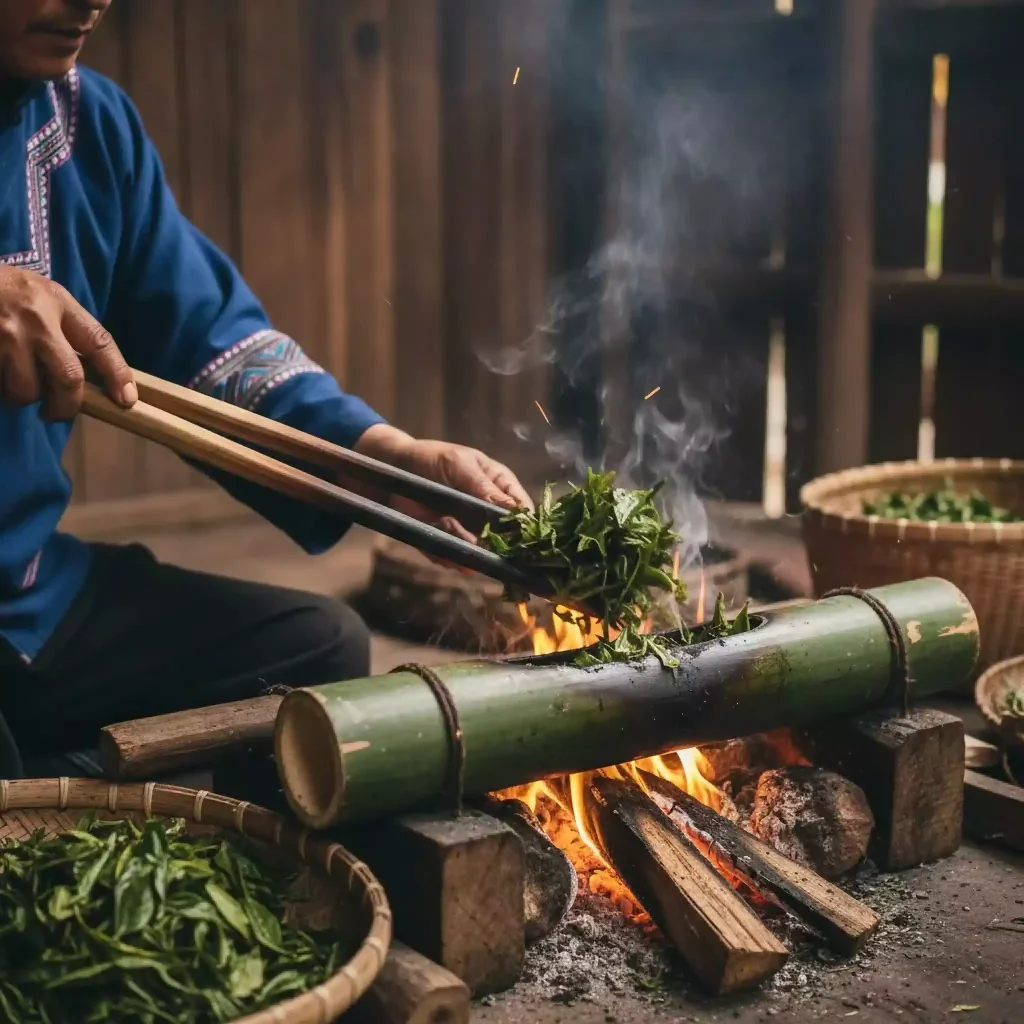
Why Choose Single-Origin Tea?
Single-origin tea comes from one specific place—a village, estate, or mountain—without blending. This preserves the Bone and Soul of the tea: the mineral depth from soil, the aromatic complexity from climate, and the Cha Qi (energy) unique to that terroir. Unlike blends that prioritize consistency, single-origin teas offer pure, traceable flavors that change with each harvest—making every cup a snapshot of time and place.
A cup of single-origin tea is not merely a beverage—it is a journey to a specific coordinate on earth. A sunlit slope in Yiwu where ancient trees stretch toward morning mist. A rocky cliff in Wuyi where mineral-rich soil feeds every root. A terraced estate in Darjeeling where altitude shapes every leaf's character.
Unlike blended teas, which smooth out edges for consistency, single-origin teas capture the unadulterated essence of terroir. They tell stories of soil composition, seasonal rainfall, and the hands that harvested them. At Steeped Roots, we celebrate these teas not for their uniformity, but for their authenticity—inviting you to savor a mountain's soul in every sip.
Ready to deepen your sensory awareness? Explore this art with our Tea Tasting Series, where we guide you through the nuanced language of tea appreciation.
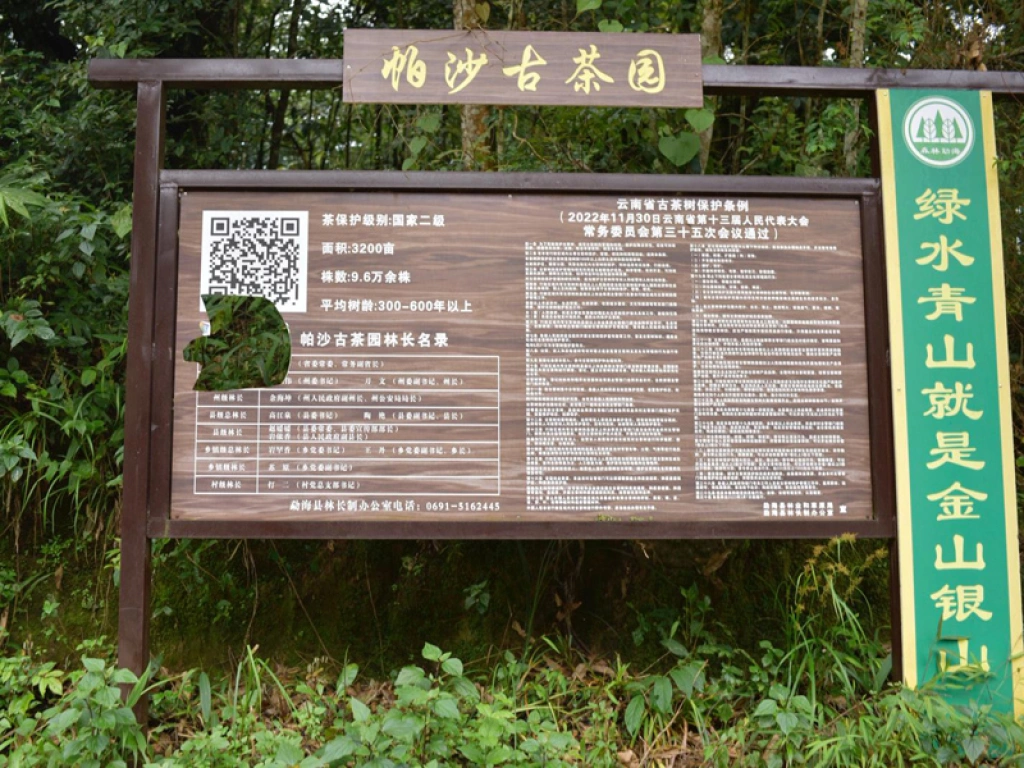
What Is Single-Origin Tea?
Single-origin tea comes from one specific place—be it a region, estate, or village—without blending from multiple sources. Think of Yiwu's honeyed Pu'er, Wuyi's mineral-rich Da Hong Pao, or Darjeeling's muscatel black tea. Each reflects its unique terroir through three dimensions:
- Soil: Mineral-rich earth lends depth to the tea's Bone—the body, thickness, and tactile weight of the liquor.
- Climate: Temperature, humidity, and altitude shape the aroma's complexity and the Cha Qi (energy resonance) you feel after drinking.
- Vegetation: Nearby flora—pine forests, wild orchids, bamboo groves—adds subtle, distinctive notes that blend into the leaf's character.
This purity, as noted in a 2020 tea sensory study, makes every cup a snapshot of place and craft. When you drink single-origin tea mindfully, you're not just tasting flavor—you're experiencing Zen and Tea Stillness, where each sip becomes a meditation on origin.
The NYC Professional's Truth: In my corporate life, I don't always have time for a full Gongfu session. That's when I rely on the 2g Tea Rhythm. A single-origin 2g cake in my office mug isn't "lesser" tea—it's adaptive tea. It allows me to maintain a connection to terroir without leaving my desk. Three minutes of brewing is three minutes where no email can reach me. The mountain comes to the boardroom.
Steeped Roots' Village-Level Perspective
At Steeped Roots, we go beyond broad regions like "Yiwu" or "Menghai," diving into village-level specificity. As explored in How Terroir Shapes Tea Flavor, villages like Lao Banzhang and Lao Man'e—just kilometers apart in Menghai—yield wildly different teas. Banzhang offers commanding depth with a bold, almost aggressive Bone; Man'e delivers vibrant bitterness that transforms into lingering sweetness.
This micro-regional focus unveils a world of nuance that broad labels miss. It's the difference between saying "French wine" and naming the specific vineyard in Burgundy.
🏔️ Why Micro-Terroir Matters
"A few kilometers can mean the difference between honey and mineral, between softness and power."
Single-origin teas, untouched by heavy blending, dance with nature's whims—each year's harvest shaped by rain, drought, or sun. Minimal human intervention lets climate shine: the 2022 Menghai drought intensified flavors but yielded brittle leaves; 2023's spring teas were robust yet less durable; 2021's rains boosted yields but softened saturation. Like fine wine vintages, these variations add joy to tasting, making every year a new chapter. For guidance on adjusting your brewing to climate variations, consult our Water Temperature Guide 2026.
🍃 Ready to Taste the Difference?
Join our curated Tea Tasting Series and learn to identify terroir through guided sensory practice. From village-level Pu'er to single-estate Darjeeling, experience tea as it was meant to be tasted.
Explore the Tasting Series →Why Choose Single-Origin Tea?
- Pure Flavors: Unblended teas reveal terroir's truth—Yiwu's silky sweetness, Menghai's earthy weight, or Fenghuang's floral lift—unmuted by blends. You taste the Bone as nature intended.
- Clear Identity: Like a wine's appellation, single-origin teas carry a traceable origin, tying each sip to a specific place, as detailed in Tea Origins & Culture.
- Collector's Value: Their rarity and traceability make single-origin teas prized for collectors, capturing a moment in time—like owning a vintage from a specific year and vineyard.
- Seasonal Nuances: Spring, summer, or autumn harvests from the same village vary distinctly, syncing your palate with nature's rhythm. Each season tells a different story.
- Cha Qi Resonance: Single-origin teas from ancient trees often carry stronger Cha Qi—the warming, centering energy that distinguishes great tea from good tea.
How to Pick Single-Origin Tea with Intention
- Seek Specific Origins Look for village names like Bingdao, Jingmai, or Lao Banzhang—not just "Yunnan Pu'er." Specificity indicates quality and traceability.
- Compare Vintages 2023's robust Menghai versus 2022's intense, fragile leaves—find your preference. Keep notes on how climate affects each year's character.
- Choose Processing Style Raw (sheng) or ripe (shou) Pu'er, or explore red teas—each highlights the region's character differently. Raw preserves more terroir; ripe offers immediate drinkability.
- Invest in Proper Vessels A Gaiwan reveals the true character of single-origin tea better than a mug. The porcelain doesn't absorb flavors, letting you taste the terroir purely.
- Train Your Palate Learn more about tasting nuances in our Training Your Tea Palate guide. The more you taste, the more you'll recognize village signatures.
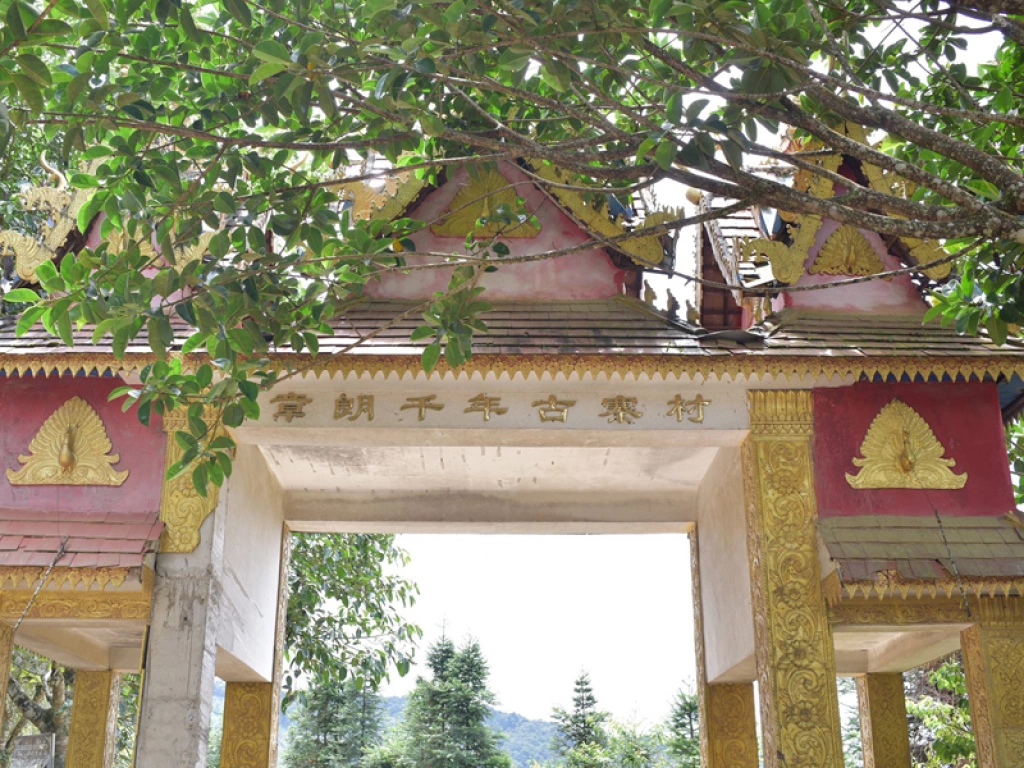
Frequently Asked Questions
Why are village-level single-origin teas special?
Villages like Lao Banzhang and Lao Man'e produce distinct flavors due to micro-terroir—Banzhang's bold depth versus Man'e's sharp bitterness—offering richer tasting experiences. The soil composition, altitude, and surrounding vegetation vary even within small distances, creating unique flavor signatures that broad regional labels cannot capture.
How does climate affect single-origin teas?
Minimal intervention lets weather shape flavors: 2022's Menghai drought intensified teas but made leaves brittle; 2023's spring teas were robust but less durable; 2021's rains boosted yield but softened taste. These vintage variations are celebrated, not corrected—each year tells a different story of the mountain's relationship with the elements.
Are single-origin teas better than blends?
Not better, but different. Single-origin teas offer pure, traceable flavors tied to terroir, while blends prioritize balance and consistency. Choose based on your preference: authenticity and variability (single-origin) or reliability and approachability (blends). Both have their place in a well-rounded tea practice.
How do I start tasting single-origin teas?
Begin with accessible teas like Yiwu Pu'er or first-flush Darjeeling. Use a Gaiwan for precise control over extraction. Note sensory differences between brews—texture, aroma, throat finish. Our Training Your Tea Palate guide offers structured practice exercises.
Which single-origin tea is best for beginners?
Try Yiwu Pu'er for its smooth sweetness or a first-flush Darjeeling for floral clarity—both highlight terroir without overwhelming new tasters. Avoid heavily aged or intensely bitter teas until your palate develops sensitivity to subtle variations.
Final Thought
Single-origin teas are more than a drink—they're a portal to a specific mountain, village, or season. From Lao Banzhang's commanding depth to Yiwu's honeyed grace, each cup carries the land's heartbeat, shaped by soil, weather, and minimal intervention.
"The tea is already waiting. All that remains is for you to arrive fully at the moment of the first sip."
At Steeped Roots, we cherish these teas for their stories and variability. But we also understand that not every day allows for ceremony. For those who wish to carry this sensory intentionality into a busy workday—rather than reserving it for weekend rituals—the 2g Tea Rhythm protocol offers a practical framework for transforming three ordinary office refills into three distinct, mindful experiences.
The next time a single-origin tea touches your lips, pause. Feel the mountain. Then speak that feeling with the most precise, most beautiful words you can find.
🌿 Deepen Your Tea Journey
- How Terroir Shapes Tea Flavor — The science and poetry of place in every leaf
- Training Your Tea Palate — Beginner's practice guide for sensory development
- Tea Origins & Culture — Stories of place and tradition from growing regions
- Ancient Tree Pu'er from Menghai — Village-level exploration of Yunnan's tea mountains
- Ancient Tree vs. Terrace Tea — Understanding the difference in quality and character
- Zen and Tea Stillness — Mindfulness practice through tea ceremony
- Managing Career Energy with 2g Tea — Integrating tea practice into professional life