
What Is Black Tea?
Quick Answer: Black tea (Hong Cha) is a fully oxidized tea. For the perfect cup, use a 2g to 100ml tea-to-water ratio. Steep at 95°C–100°C (203°F–212°F) for 3–5 minutes (Western style) or 10–20 seconds (Gongfu style) to unlock its signature honeyed, bold aroma.
"Tea isn't just a beverage; it’s a pace. Whether you’re in a high-rise office or a quiet garden, 2 grams of leaves is all it takes to find your center."
At Steeped Roots, we’ve distilled the complexity of tea into a simple daily beat. It’s our bridge from the ancient forests of Menghai to your modern workspace.
Defining Black Tea: A Flavorful Journey
Black tea, often called “red tea” (hong cha) in China due to its reddish brew, is a fully processed tea from the Camellia sinensis plant. Unlike green or oolong teas, its bold, rich taste comes from a unique production process. For example, black tea’s journey from leaf to cup has made it a global favorite, cherished in places like China, Britain, and India.
Go beyond "tastes good." Learn how to vividly describe the silk-like mouthfeel and honeyed afterglow of exceptional red tea. Read our Sensory Tasting Guide →
A Brief History of Black Tea
Black tea’s story began in China during the Ming Dynasty (1368–1644). Initially, tea was consumed green, but traders discovered that fully processed leaves traveled better along the Tea Horse Road. This led to the development of black tea, which could withstand long journeys. By the 17th century, black tea reached Europe, sparking a love affair. For instance, the British adopted it as a cultural staple, giving rise to afternoon tea traditions.
Meanwhile, in India, the British established tea plantations in Assam and Darjeeling in the 19th century. These regions produced bold, malty teas that became global icons. Today, black tea’s history reflects a blend of innovation and tradition, connecting ancient trade routes to modern teacups.
Don’t let Western brewing habits mute the soul of your tea. Discover why your Earl Grey logic (long steeping and milk) doesn’t work on delicate Chinese red teas. Beyond the Earl Grey Trap →
How Black Tea Is Made: From Leaf to Cup
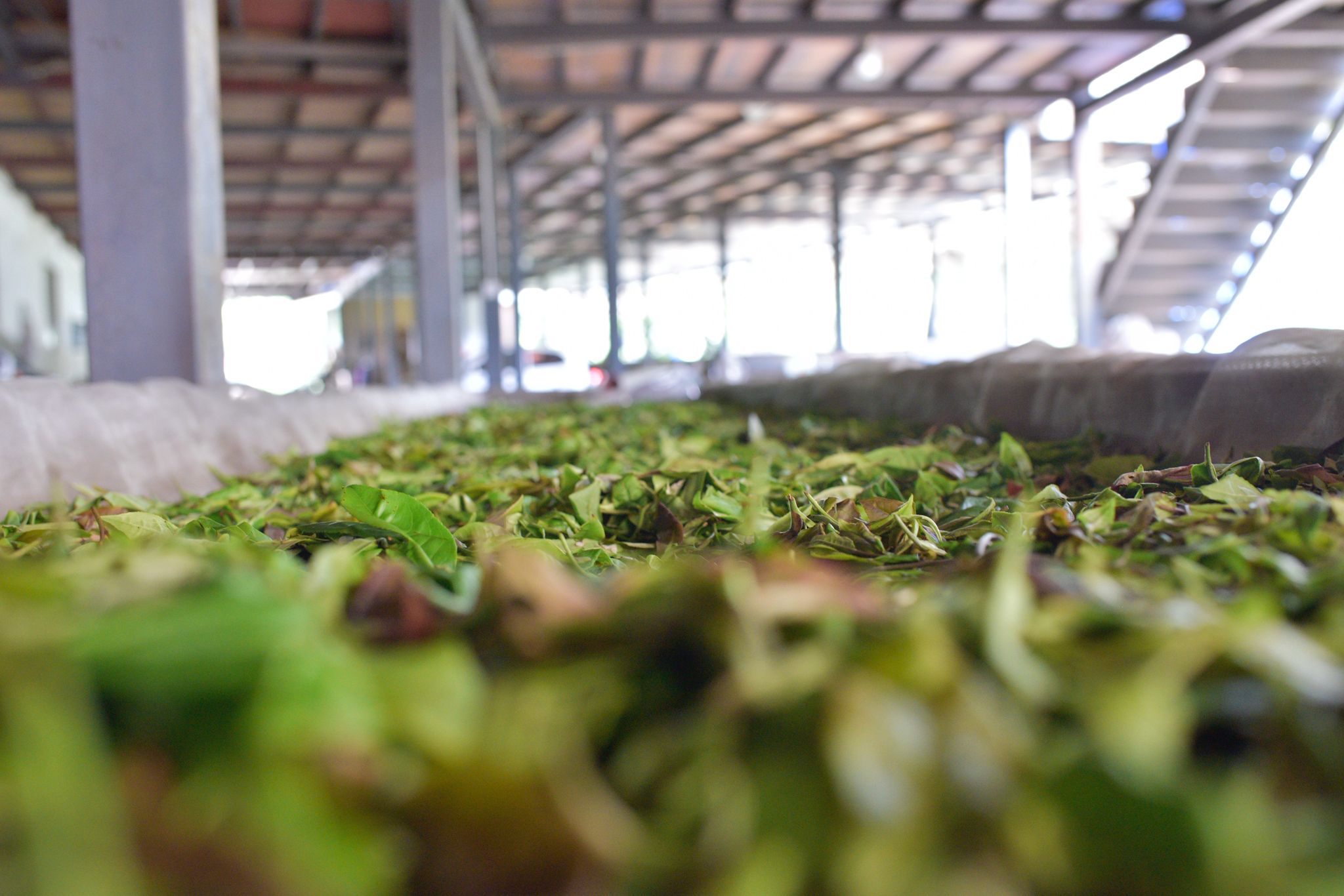
The process starts with picking fresh tea leaves. Next, workers dry them slightly to make them soft. After that, the leaves are rolled to release natural juices, which start the key step: oxidation. During this process, leaves turn dark and develop rich flavors like malt or fruit. Finally, they are dried to preserve the taste.
Oxidation is what makes black tea special. Unlike green tea, which stays fresh and grassy, black tea’s full processing creates deep, complex flavors. For example, teas from Yunnan might taste smoky, while Darjeeling teas often have a floral note. This craft, perfected over centuries, brings the land’s essence to every sip.
Types of Black Tea: A World of Flavors
Black tea comes in many varieties, each with unique flavors shaped by its region and processing. Here are some popular types:
- Darjeeling: Grown in India’s Himalayan foothills, it’s light and floral, often called the “Champagne of teas.”
- Assam: From India, this tea is bold and malty, perfect for morning brews or chai.
- Ceylon: Sri Lanka’s tea is bright and citrusy, ideal for iced tea or blends.
- Keemun: A Chinese tea with smoky, wine-like notes, cherished in blends like English Breakfast.
- Yunnan (Dianhong): Rich and sweet, this Chinese tea has a smooth, honey-like finish.
Additionally, blends like Earl Grey (infused with bergamot) and masala chai (spiced with cardamom and cinnamon) showcase black tea’s versatility. Each type invites exploration, offering a taste of its homeland.
Not all Yunnan black teas are the same. Explore the deep differences between traditional baked Dian Hong and the ancient, sun-dried Shai Hong. Dian Hong vs. Shai Hong: The Ultimate Comparison →
Global Distribution: Black Tea’s Worldwide Reach
Black tea is grown in many regions, each adding its own character. For instance, China, where it all began, produces teas like Keemun and Yunnan. India, the largest producer, offers Darjeeling and Assam. Sri Lanka’s Ceylon tea thrives in highland estates, while Kenya produces robust teas for blends. Smaller regions, like Nepal and Vietnam, also contribute unique flavors.
Furthermore, black tea’s global spread reflects colonial trade and modern demand. The British Empire popularized it in the West, while today, countries like Turkey and Russia consume vast amounts. In fact, over 2 million tons of black tea are produced annually, making it the world’s most consumed tea type.
Cultural Significance: A Shared Tradition
Black tea connects cultures through shared rituals. In China, it was a trade treasure along ancient routes. In Britain, afternoon tea with scones and Earl Grey remains a social cornerstone. Similarly, India’s chai, spiced with ginger and cloves, warms homes and street stalls alike. In Morocco, black tea with mint symbolizes hospitality.
Moreover, black tea inspires mindfulness. For example, in Japan, some tea ceremonies incorporate black tea for its bold flavor. Across the globe, it fosters connection, whether sipped in a bustling café or a quiet garden.
Why Black Tea Endures
Black tea remains popular for its versatility and benefits. It contains 40–70 mg of caffeine per cup, offering a gentle energy lift. Additionally, its antioxidants, like theaflavins, may support heart health and reduce stress. Whether enjoyed plain, with milk, or as a spiced latte, black tea invites calm and connection.
For example, brewing black tea at the right temperature (205–212°F) brings out its best flavors. Furthermore, its adaptability—hot, iced, or blended—makes it a daily favorite worldwide. In short, black tea’s rich taste and cultural depth keep it timeless.
Beyond general comfort, premium Chinese red tea contains "Soft Gold"—theaflavins that offer unique cardiovascular benefits. Discover the "Soft Gold" of Red Tea →
❓ Frequently Asked Questions about Black Tea
What is the difference between black tea and red tea?
In China, red tea (hong cha) is the same as black tea in the West, named for its reddish infusion.
Does black tea have health benefits?
Yes, black tea is rich in antioxidants that support heart health and digestion while reducing stress.
How much caffeine is in black tea?
About 40–70 mg per cup, less than coffee but enough for a gentle energy boost.
What are the best ways to enjoy black tea?
It can be enjoyed plain, with milk, as spiced chai, or blended with herbs and citrus.
🌿 Further Reading
Curious about Pu-erh? Discover its unique fermentation process and flavors. What is Puerh Tea?
Explore why black tea is called red tea in China. Black Tea or Red Tea: The Cultural Naming Phenomenon
Learn about black tea’s global varieties. Overview of Black Tea Worldwide
Meet a Yunnan tea artisan and her craft. Yunnan Sun-Dried Tea: Ma Jinhua’s Craft
Ready to Start Your Tea Journey?
Choose your path to a better cup:
Watch: What Is Black Tea? From China to Your Cup
A visual journey through black tea’s history, processing, global varieties (Dianhong, Assam, Darjeeling), and cultural rituals. Perfect for beginners and tea lovers.