A Dialogue with Yunnan Sun-Dried Black Tea Artisan Ma Jinhua 🍵
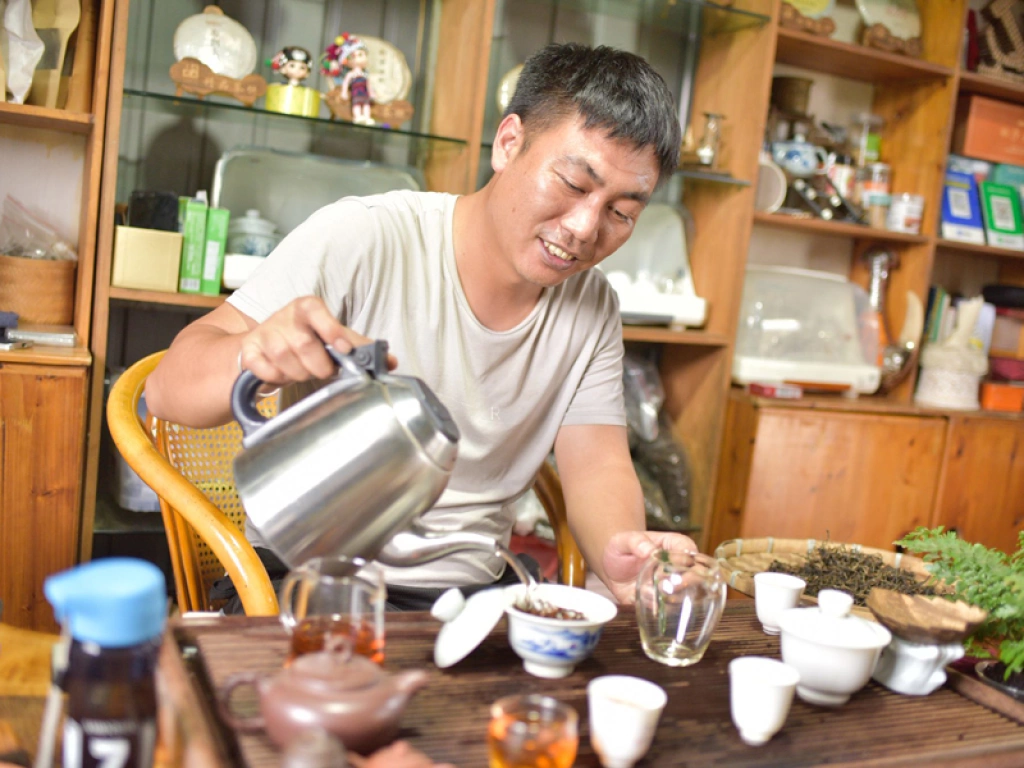
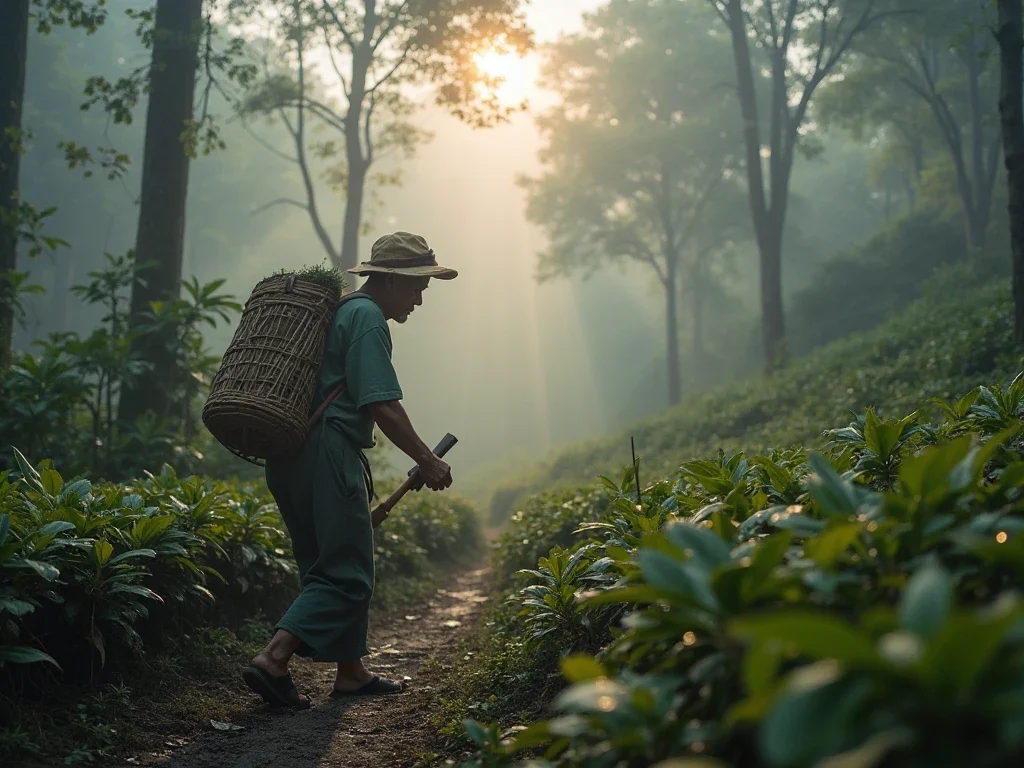
In the lush hills of Xiding Township, Menghai County, Xishuangbanna, Yunnan, we met Ma Jinhua, born in 1993. This 32-year-old tea artisan has dedicated eight years to mastering the craft of 晒红 (sun-dried black tea). Upon arrival, he was busy collecting freshly sun-dried tea, its rich aroma filling the air. When we expressed our desire to learn about the 晒红 process, he warmly led us into his workshop, beginning a deep conversation about tea.
在云南西双版纳勐海县西定乡的青山绿水间,我们初次见到了1993年出生的马进华。这位32岁的制茶师,已在云南晒红(sun-dried black tea)的工艺上深耕八年。到达时,他正忙着收集刚晒好的红茶,茶香扑鼻。得知我们想学习晒红的制茶工艺,他热情地带我们走进初制所,开启了一场与茶的深度对话。
The Harmony of Fresh Leaves 🌱
鲜叶的默契
Piles of fresh tea leaves, delivered by local farmers, were neatly stacked in the workshop, tender and vibrant. The standard of one bud with two or three leaves reflects a silent understanding between farmers and artisans. The air was filled with a fresh, natural fragrance—a gift from the 1,700-meter altitude and pristine forest environment.
茶农送来的鲜叶堆放在初制所内,整齐而鲜嫩。一芽二叶、一芽三叶的标准,是茶农与制茶师之间的默契。空气中弥漫着清新的气息,那是海拔1700米原始森林环境馈赠的天然芬芳。
Withering (萎凋): A Test of Precision 🍂
萎凋:细节的考验
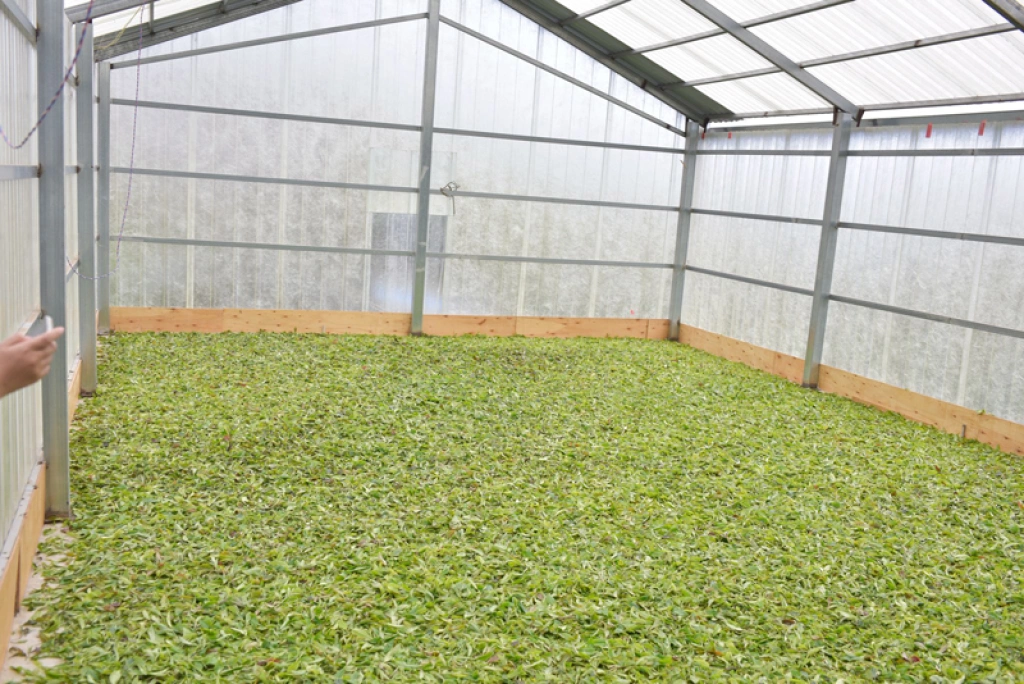
The term “萎凋” (withering) puzzled us at first. Ma Jinhua grabbed a handful of fresh leaves and gently scattered them across the floor of the drying room, the leaves spreading out evenly.
“萎凋”这个词让我们初闻不解。马进华抓起一把鲜叶,轻轻抖落在晒茶房的地面上,叶片迅速铺展开来。
“The thickness must be just right,” he explained while demonstrating. “The leaves need to lose about half of their moisture; if piled too thickly, the evaporation will be uneven, but if spread too thin, the moisture will escape too quickly.”
“厚度要恰到好处,”他边演示边解释,“茶叶需要失去大约一半水分,堆厚了水分蒸发不均匀,太薄又会水分流失过快。”
His skilled hands quickly spread an entire basket of leaves evenly. We tried to mimic him but failed to achieve the same uniformity. Ma laughed, “It’s years of practice.” His humility revealed a deeper truth: excellence lies in refining the smallest details.
他动作娴熟,不一会儿便将一筐鲜叶均匀摊开。我们尝试模仿,却总无法掌握均匀的手法。马进华笑道:“熟能生巧罢了。” 卓越,往往就是在细节处比别人更精细一点。
Kneading: Blending Tradition and Modernity ⚙️
揉捻:传统与现代的结合
When the leaves reach a pliable but not brittle state, kneading begins. The goal is to break the leaf’s surface to prepare for fermentation.
当茶叶晒到“弯而不折”时,便进入揉捻环节。揉捻的目的,是破坏茶叶表皮细胞,为后续发酵创造条件。
“In the past, kneading was done by hand. Now, we use machines first, then check and finish by hand. It’s more efficient, and the tea looks better.”
“以前都是手工揉捻,效率太低。现在用机器先处理,再用人工检查补揉,既保证效率,也能让茶更漂亮。”
Fermentation: A Conversation with Time ⏳
发酵:与时间的对话
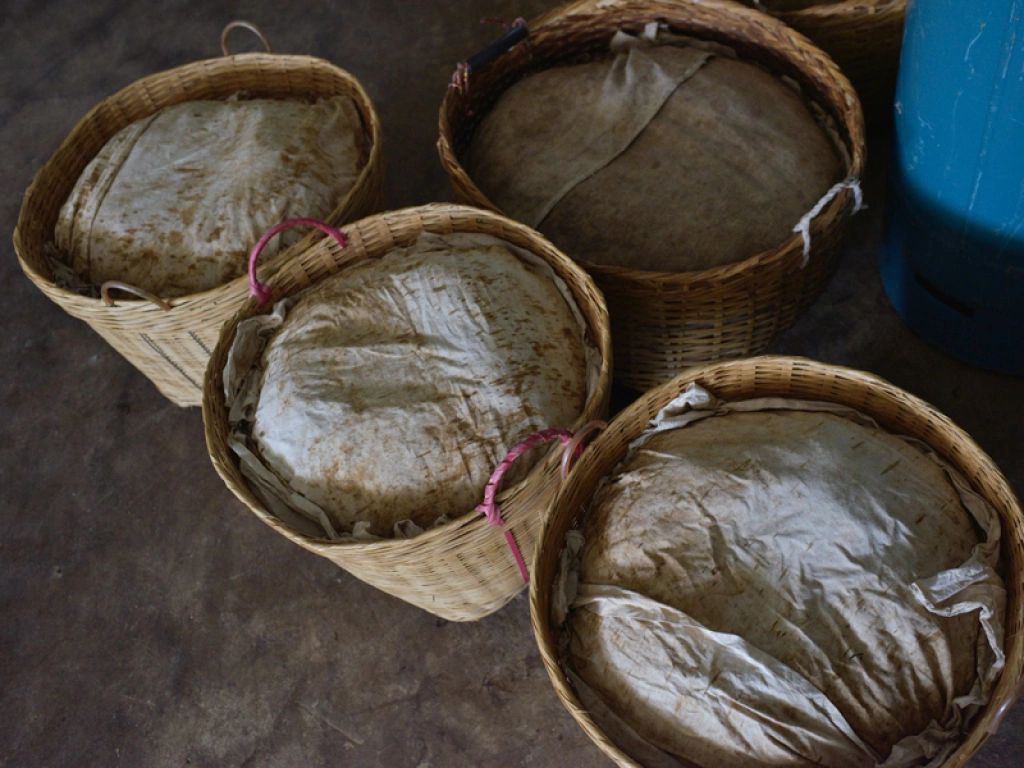
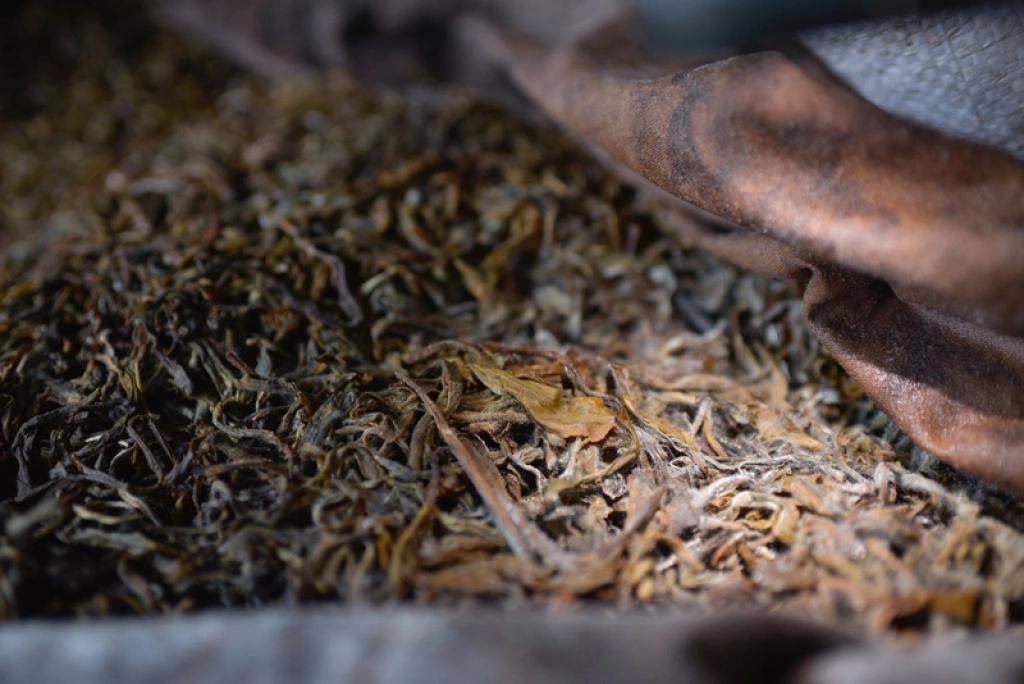
晒红 (Sun-dried black tea) uses a “lying pile” fermentation method. About 20 kilograms of kneaded leaves are layered in a bamboo basket, covered with a cloth, and left to time and climate.
晒红的发酵采用“卧堆”方式。约20公斤揉好的茶叶堆放在竹筐内,盖布之后,就交由时间与气候去完成。
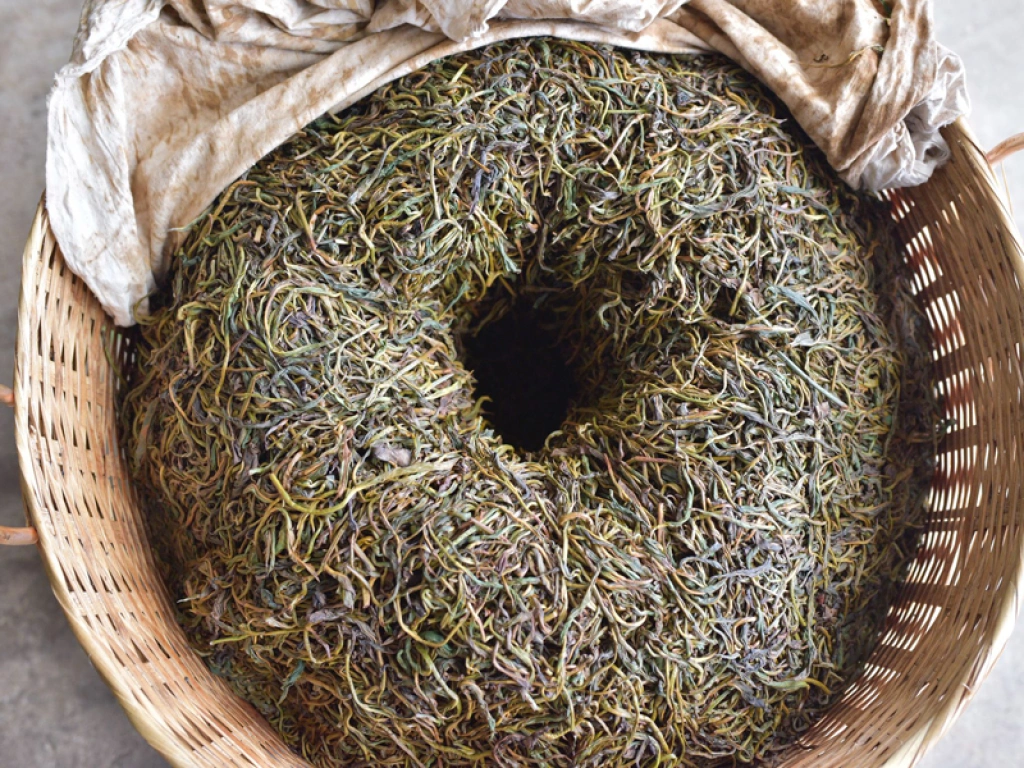
When we asked what caused the heat, he smiled, “Just the weather.” Mountain climate stays around 25°C. Fermentation takes 4 to 10 hours. Most customers prefer 80% fermentation, yielded in 7–8 hours, for a smooth tea with fruity notes.
我们疑惑是否加了什么,他笑答:“只是天气。” 山上常年25℃左右,发酵时间一般在4到10小时。多数客人偏爱八成发酵,茶汤顺滑带果香。
“I rarely make fully fermented tea. It feels like losing the leaf’s soul,” he said firmly.
“全发酵的茶,我很少做,总觉得丢了鲜叶的灵魂。”他坚定地说。
Sun-Drying: Returning to the Earth 🌞
晾晒:回归土地
Fermented leaves undergo a second sun-drying. In the drying room, leaves were spread across the floor.
发酵后的茶叶需二次晾晒。走进晒茶房,茶叶铺展在地面上。
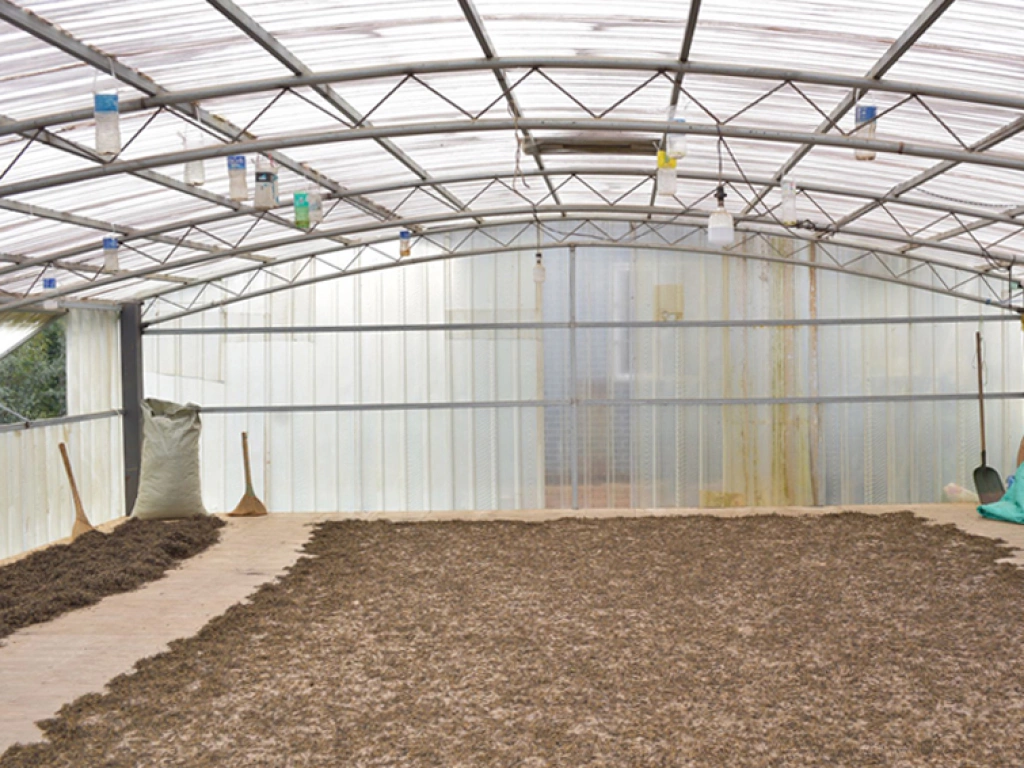
“Does drying tea on the floor seem dirty?” Ma asked. I replied, “Tea comes from the soil... returning to the earth—how could it be dirty?” He smiled, “We sweep the room thoroughly. Dust washes away in the first steeping.”
马进华问会不会觉得晒在地上不干净。我回答:“茶叶来自土地,再回到土地上晒,何来‘脏’之说?” 他笑了,解释说晒房每次都会彻底清扫,第一泡洗茶后灰尘便消失了。
Sun-Dried Black Tea (晒红) vs. Dianhong (滇红) ☕
晒红与滇红的分野
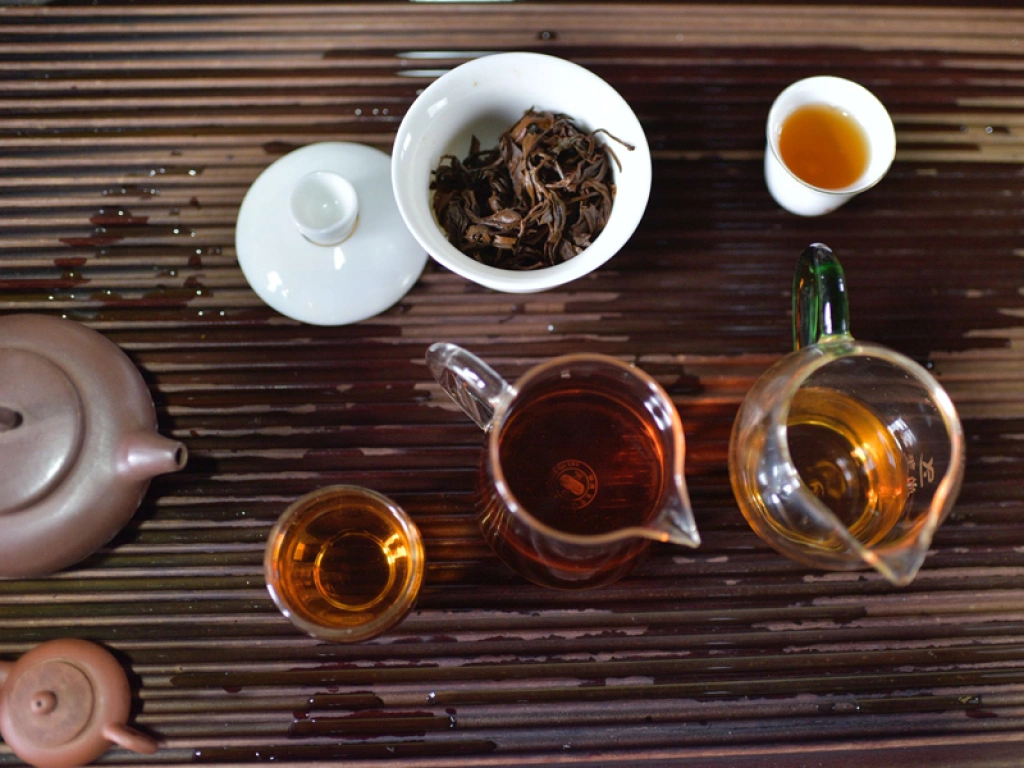
“The difference is in drying,” he said. “Dianhong is baked at high temperatures, giving a bold but short-lived aroma. Sun-dried black tea is naturally dried, with a fruity fragrance that deepens over time.”
“差别在于干燥,”他说,“滇红用高温烘干,香气浓烈却保存不久;晒红靠自然日晒,香气偏果香,且越存越香。”
Frequently Asked Questions (FAQ)
Unlike traditional Dianhong, which is best consumed within one to two years, Sun-dried black tea (晒红) can be aged similarly to Pu-erh tea. Over time, its flavor becomes mellower and its fruity aroma deepens, making it suitable for long-term storage.
Withering reduces the moisture content of fresh tea leaves, making them supple enough for kneading without breaking. It also initiates crucial chemical changes that shape the tea’s aroma and flavor profile, laying the foundation for proper fermentation.
Natural sun-drying preserves active enzymes within the tea leaves. This results in a smoother mouthfeel and a distinctive sun-kissed fruity fragrance that is more subtle, layered, and long-lasting compared to teas dried using high-temperature machines.
Epilogue ✨
尾声
Ma Jinhua transforms the spirit of Yunnan’s mountains into every cup of tea.
马进华把云南群山的灵气,凝结在一杯杯茶汤之中。