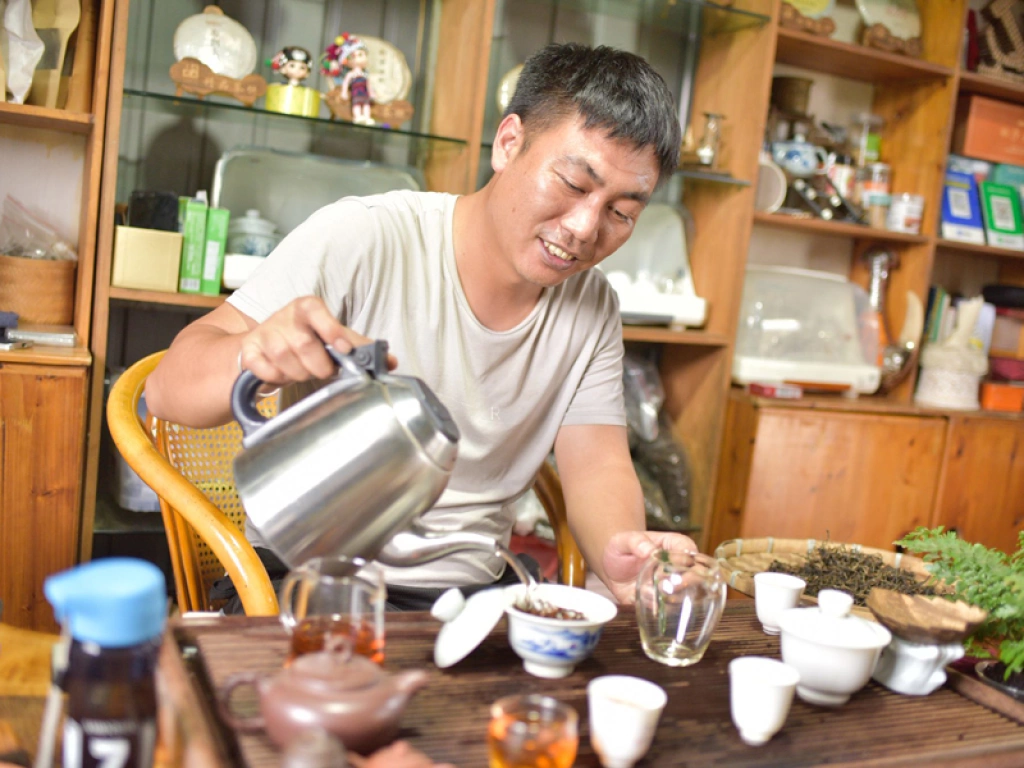
Into the World of Ripe Pu’er: Visiting Tea Master Li Xiaohu 走进熟普世界:探访制茶大师黎小虎,揭秘熟普工艺与市场
The Craft: From Wet-Piling to Aging 熟普工艺流程:从渥堆到陈化的智慧
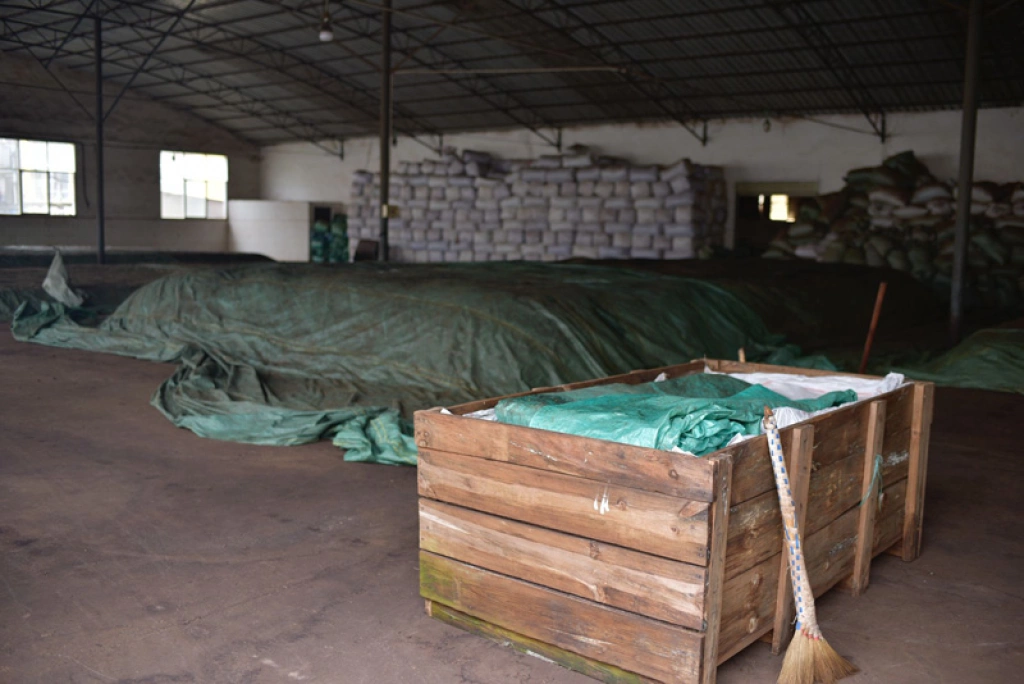
Wet-Piling: The Heart of Transformation 渥堆发酵:熟普转化的核心
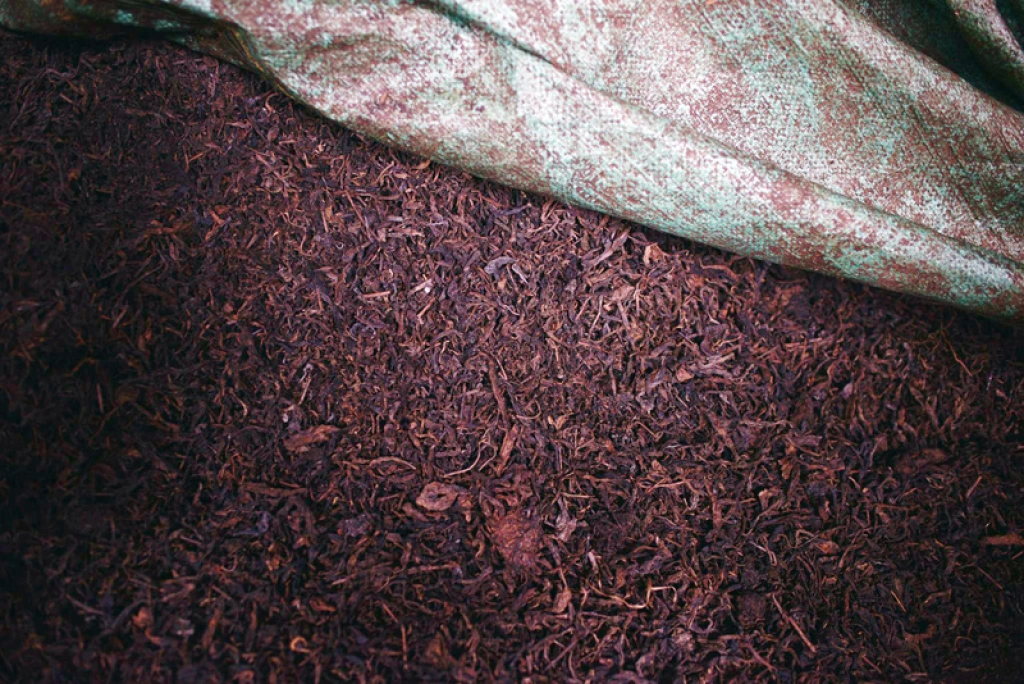
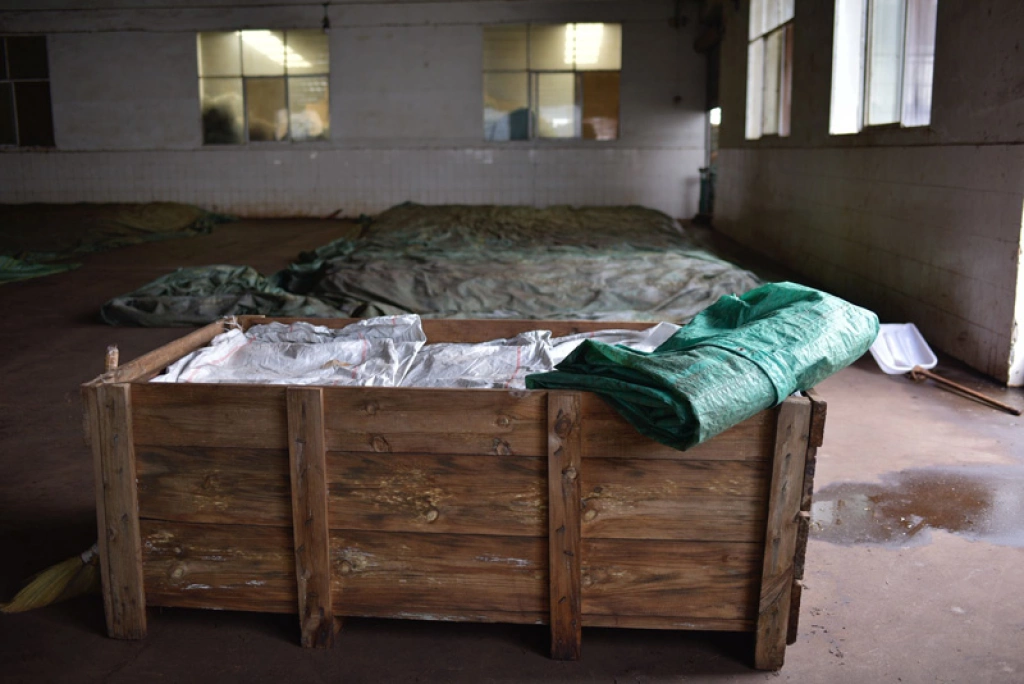
Frequently Asked Questions | 常见问题
How is the fermentation time determined? / 发酵时间如何确定?
EN: It is not a fixed 45-day cycle. Duration depends on pile volume, weather, and the raw tea characteristics. CN: 并非固定45天,渥堆时间取决于堆量、天气及茶叶原料特性。
Is ground wet-piling unhygienic? / 地面渥堆不卫生吗?
EN: Modern standardized facilities maintain strict hygiene and optimal microbial growth. CN: 现代标准化厂房控制严格,卫生安全,且有利于益生菌培养。
Why does ripe Pu-erh need aging? / 熟普为什么需要陈化?
EN: Post-fermentation resting rounds out flavor and aroma. CN: 发酵后陈化可以使茶汤口感圆润、香气醇厚。
"Tea will teach you how to care for yourself." “茶会教你如何调理自己。”
Frequently Asked Questions
How is the fermentation time determined?
It is not a fixed 45-day cycle as many believe. Master Li explains that duration depends on pile volume, weather, and the specific characteristics of the raw material. It requires the master's intuition and decades of experience to decide the exact moment to stop.
Is ground wet-piling unhygienic?
This is a common misconception. In modern, standardized facilities with strict moisture and temperature controls, ground piling is highly sanitary and allows for a more natural development of the microbial flora essential for high-quality Pu-erh.
Why does ripe Pu-erh need aging?
Post-fermentation, the tea needs a "resting" period. Freshly processed ripe Pu-erh can taste somewhat harsh or "raw." Resting it for at least 3 to 6 months allows the liquor to become rounder, smoother, and more aromatic.
What defines a "Master" level tea?
For Li Xiaohu, it is about treating tea as tea, not as a business. Prioritizing quality over rapid profit ensures that every leaf reaches its maximum potential in flavor and health benefits.
Further Reading & Recommended Products
- 👉 What is Puerh Tea?
- 👉 Ripe Pu-erh vs Raw Pu-erh
- 👉 Steeped Roots 2g Mini Tea Cake: The Complete Brewing Guide