SteepedRoots · Tea Culture · About

Dialogue with a New Generation Tea Master – Ma Qing: A Tale of Heritage and Innovation

对话新时代茶人——马青:传承与创新的茶山传奇

On Pasha Mountain in Menghai, Xishuangbanna, ancient tea trees are interwoven with the daily life of the Hani people. Here emerged Ma Qing, a new-generation tea artisan rooted in Pasha. She upholds high-end quality while embracing innovation—from “dragon-ball” pressing to cross-border storytelling—breathing fresh vitality into ancient-tree Pu’er. Her story reveals Pasha’s depth and dynamism.

在西双版纳勐海的帕莎茶山,古老的茶树与哈尼族的生活紧密相连。这里走出了新时代茶人马青。她坚守帕莎的根脉,深耕高端茶品质,同时从龙珠包装到跨境推广勇于创新,为古树茶注入新的生命力。在她的故事里,我们看见了帕莎独有的厚重与灵动。
By ·

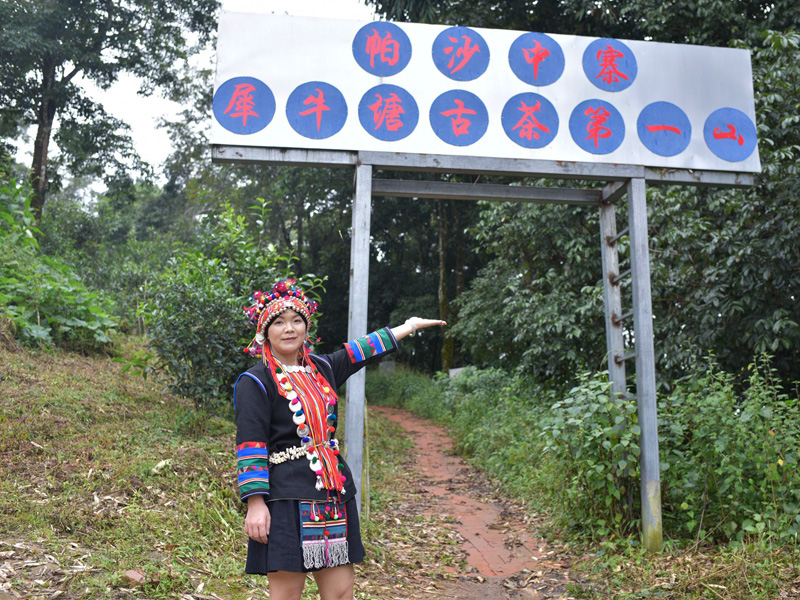
Portrait of tea master Ma Qing standing among ancient tea trees in Pasha Mountain, Yunnan. | 普洱茶人马青在云南帕莎茶山古树间的肖像照
Ma Qing at Pasha Village | 马青 · 帕莎中寨

Origins | 缘起

At No. 60, Pasha Village, Menghai, Yunnan, lives Ma Qing of the Hani ethnicity. Although only thirty, she has spent three decades with tea. For nearly ten years we mostly shared drinks rather than deep tea talk. This year, I visited Menghai and walked the tea mountains with her—only then did I feel the depth of her bond with tea. “Tea has been tied to me since childhood,” she recalls. “Pasha is home; the mountain is my backyard. As a kid I picked fresh leaves with my family—mere cents per jin then—but it made me happy for a long time.”
在云南西双版纳勐海县帕莎中寨60号,有一位名叫马青的哈尼族女子。她年仅三十,却已经与茶打了三十年的交道。认识她近十年,直到今年我特意来到勐海,走进茶山,才真正感受到她与茶的深厚缘分。 马青笑着说:“我从小就跟茶绑在一起了。帕莎中寨是我的家,茶山就是我的后花园。小时候跟家人采茶卖鲜叶,一斤才几毛钱,但那时已经足够让我开心很久。”
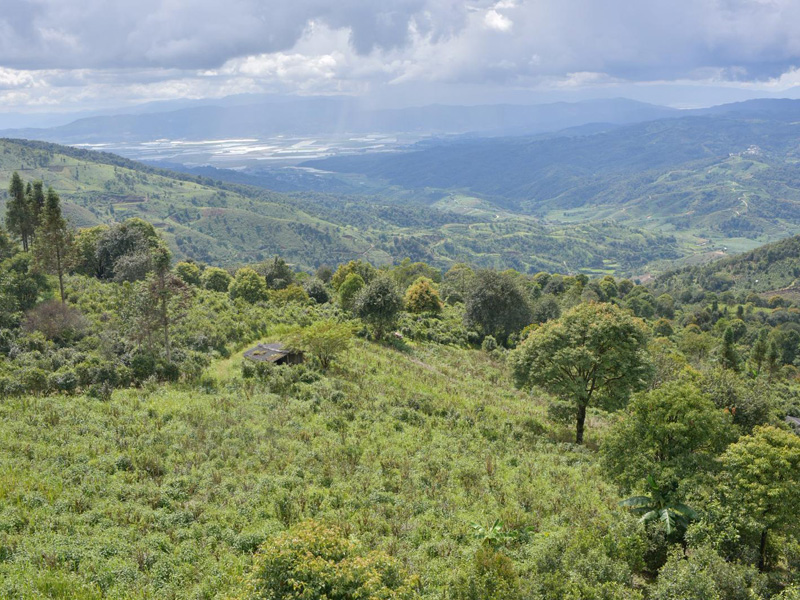
Misty ecological environment of Pasha Mountain with ancient tea trees and rich biodiversity. | 帕莎茶山云雾缭绕的生态环境,展现古茶树与丰富的生物多样性
Pasha’s biodiverse, human-tea symbiosis | 帕莎生态 · 人茶共生

Craft | 工艺

In her late teens she joined a tea company, traveling across Bulang, Yiwu, and Jingmai. A mental “tea map” emerged—“I remember each mountain’s aroma and mouthfeel,” she says. She then studied processing: pan-fixing, kill-green, and rolling. “Burned fingers taught precision with heat and touch. Processing showed me tea is alive.”
十六七岁时,她进入茶企学习,跑遍布朗山、易武、景迈等地,脑海里勾勒出一张“茶叶地图”。“每个山头的气息和口感,我都能记得清清楚楚。”她说。 随后她钻研制茶工艺:炒茶、杀青、揉捻。“一次次被热锅烫伤的手指,换来对火候与手感的把握。做茶的过程让我明白——茶是活的。”
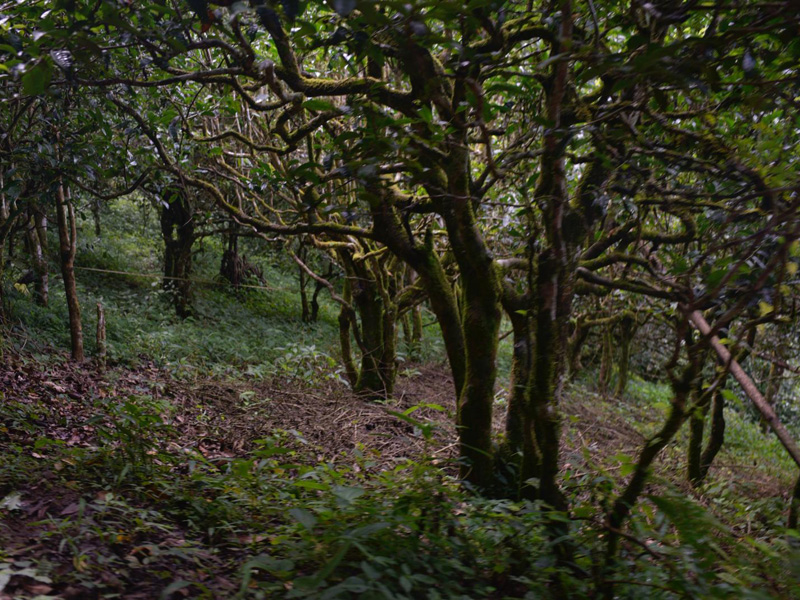
Close-up of an ancient Pu-erh tea tree trunk in Pasha Mountain, showing moss and understory growth. | 帕莎古茶树主干特写,可见苔藓生长及林下植被
Understory terroir of ancient trees | 古树茶的林下风土

Brand & Innovation | 品牌与创新

Sales experience broadened her industry view. Rooted at home, she founded the brand “Pasha Village No. 60.” “Yunnan has some of the world’s finest ancient-tree tea. Tea must have roots—mine are here.” She helped popularize 6-gram dragon-ball pressing for ancient-tree lots—“Cakes are classic but less handy; balls keep the character while suiting daily brewing—my small step of innovation.” She embraces digital: livestreams and cross-border collaborations to carry Pasha’s story further. (See: Pu’er tea/ · Hani people/)
她曾在大企做销售,系统学习普洱。后来以家乡为根,创立品牌——“帕莎中寨60号”。“做茶必须有根,我的根在这片茶山上。” 她是最早尝试将 6克“龙珠” 用于古树茶的人之一。“龙珠保留原味又便于日饮,是我在传统上的小创新。” 她主动拥抱数字化,学习直播并与跨境独立站合作,让帕莎走向世界。
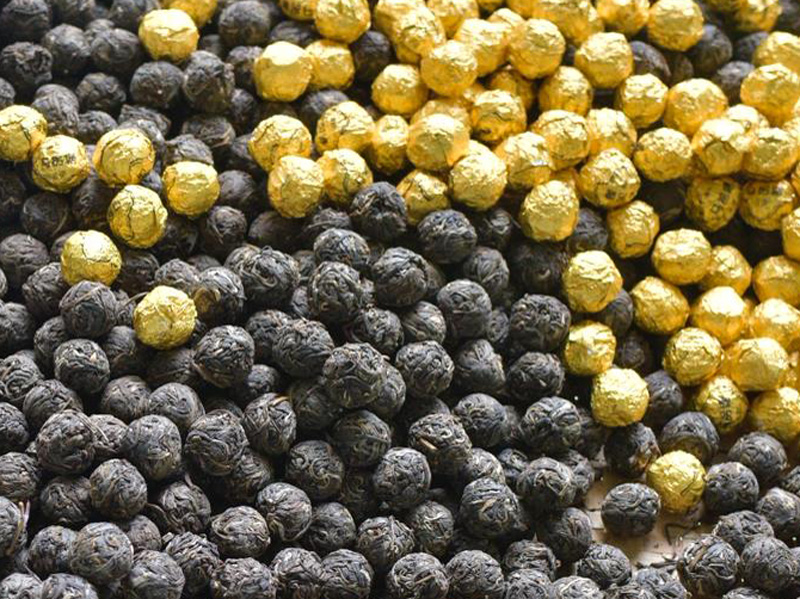
Artisan 6-gram Pu-erh tea dragon balls individually wrapped in handmade paper. | 手工纸包装的6克普洱茶龙珠,兼顾传统与便捷
6-gram Dragon Pearl | 6克龙珠:便捷而不失风味

Defining High-End Tea | 高端茶的定义

“High-end tea isn’t solely about tree age. It’s about distinct character: soaring aroma with lingering yun, strong qi whose initial bitterness transforms swiftly. Power with finesse—that is truly ‘high-end.’”
“高端茶不必被树龄完全绑架,更关键在于滋味是否有个性:高香兼具韵味茶气十足而苦涩快速转化。能把力量与细腻兼顾,才配得上‘高端’。”

Products & Lineage | 产品与传承

Her line centers on family plots: Ancient-tree Sheng Pu’er, Blend-pick Sheng, Single-tree Sheng, Arbor Sheng, and Ancient-tree Shu. “Together they express Pasha’s facets, evolving year by year.” On Pasha’s edge: historically, ancient germplasm spread from here. Ecologically, minimal intervention and rich biodiversity—human-tea symbiosis—yield a denser, more layered cup.
核心产品依托自家茶园:古树生普、混采生普、单株生普、乔木生普、古树熟普。“它们共同呈现帕莎的多面风土。” 帕莎的优势:历史上,许多名山茶种源自帕莎;生态上,干预极少、物种丰富,赋予了更醇厚的口感与层次。

Read More in Tea Culture / 延伸阅读:茶文化专栏/ · Inquiries / 合作与品鉴/

FAQ | 常见问题

What makes Pasha Pu-erh tea unique compared to other mountains?
Pasha is known as one of the oldest tea-producing regions. Its tea is characterized by a high, clean aroma and a "fast transformation" (ku-hua)—where initial bitterness turns into sweetness almost instantly. The ecological diversity of Pasha's forests gives the tea a unique "wild" charm. 相比其他山头,帕莎普洱茶的独特之处在于其高亢清新的香气和极快的苦涩转化速度(回甘快)。帕莎原始森林的生物多样性赋予了茶叶一种独特的“野韵”。
Why does Ma Qing focus on 6-gram "Dragon Balls"?
Traditional 357g cakes can be intimidating for beginners or inconvenient for travel. The 6-gram dragon ball is the perfect single-serving size for most gaiwans or teapots, making premium ancient tree tea accessible for modern, daily lifestyles without losing quality. 传统的357克茶饼对新手来说门槛较高,携带也不便。6克龙珠是大多数盖碗或茶壶的理想单次冲泡量,让高端古树茶融入现代日常生活,同时不牺牲品质。
How should I brew Pasha Ancient Tree tea for the best flavor?
Ma Qing suggests two key tips: first, decant the tea liquor completely between steeps to avoid bitterness. Second, pour water gently along the side of the vessel rather than directly hitting the leaves, allowing them to unfurl naturally and release a more balanced flavor. 马青建议:第一,每一泡出汤要干净,避免茶汤残留导致过苦;第二,注水时沿器壁缓缓注入,不要直冲茶叶,让茶青自然舒展,滋味更均衡。

Closing | 结语

The New Tea Artisan

From fieldwork to craft mastery, from sales to entrepreneurship, Ma Qing stays rooted in Pasha while reaching outward. High-end, to her, means a singular flavor signature. The product line embodies terroir and lineage; the attitude treats tea as a gift of time, facing the market with composure.

Adrian

Explore more: Tea Culture/ · About Adrian/ · Contact/

新时代茶人的自信与韧性

从山野劳作到工艺精进,马青以帕莎为根拥抱世界。她对“高端茶”的理解是滋味的自我表达;她的态度是把茶当作时间的礼物,以从容面对市场起伏。

—— Adrian

Leave a Comment

Shopping Cart
Scroll to Top