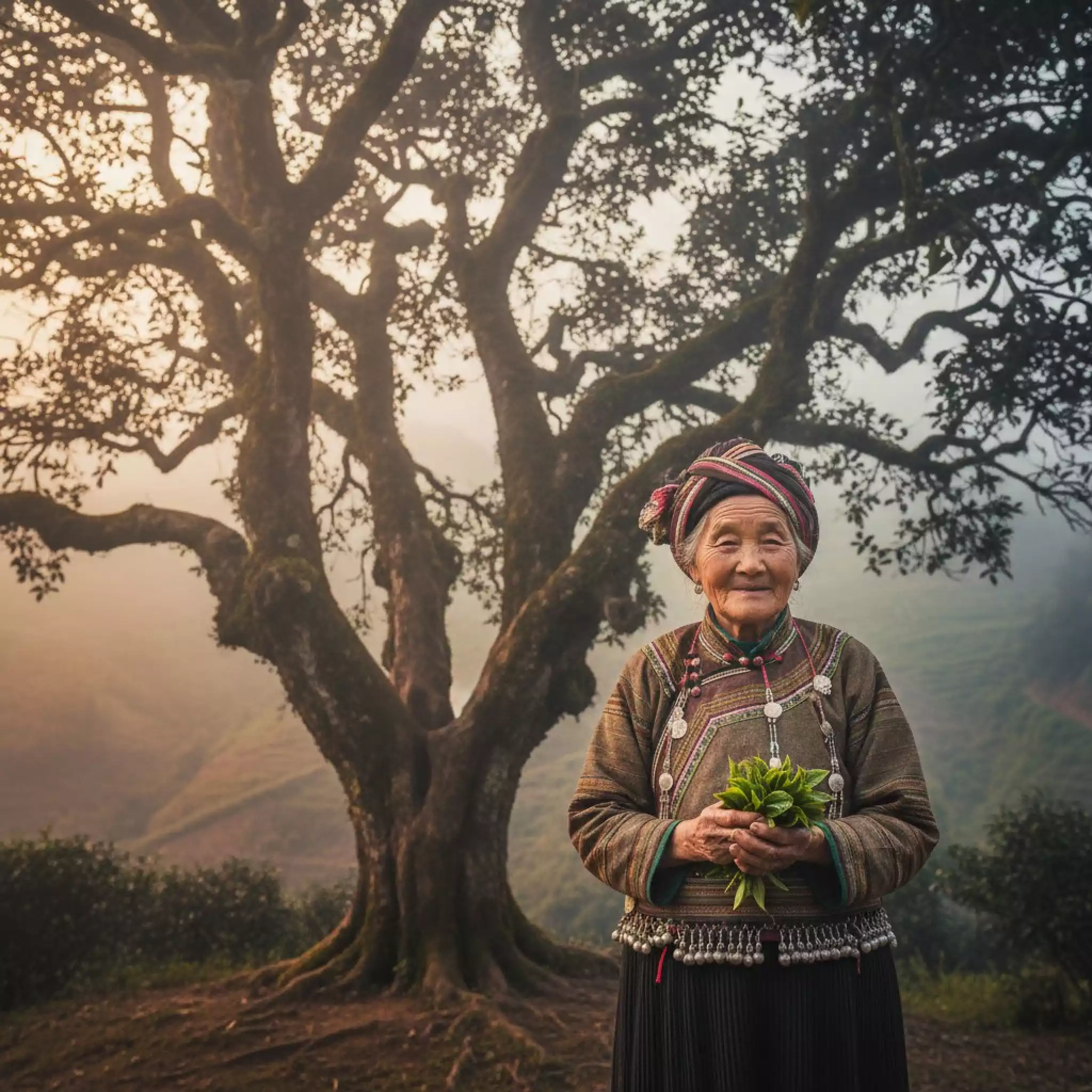
🌄 The Ancient Tea Soul of Menghai's Mountains: A Tapestry of Bulang Culture & Tea Aroma 🍃
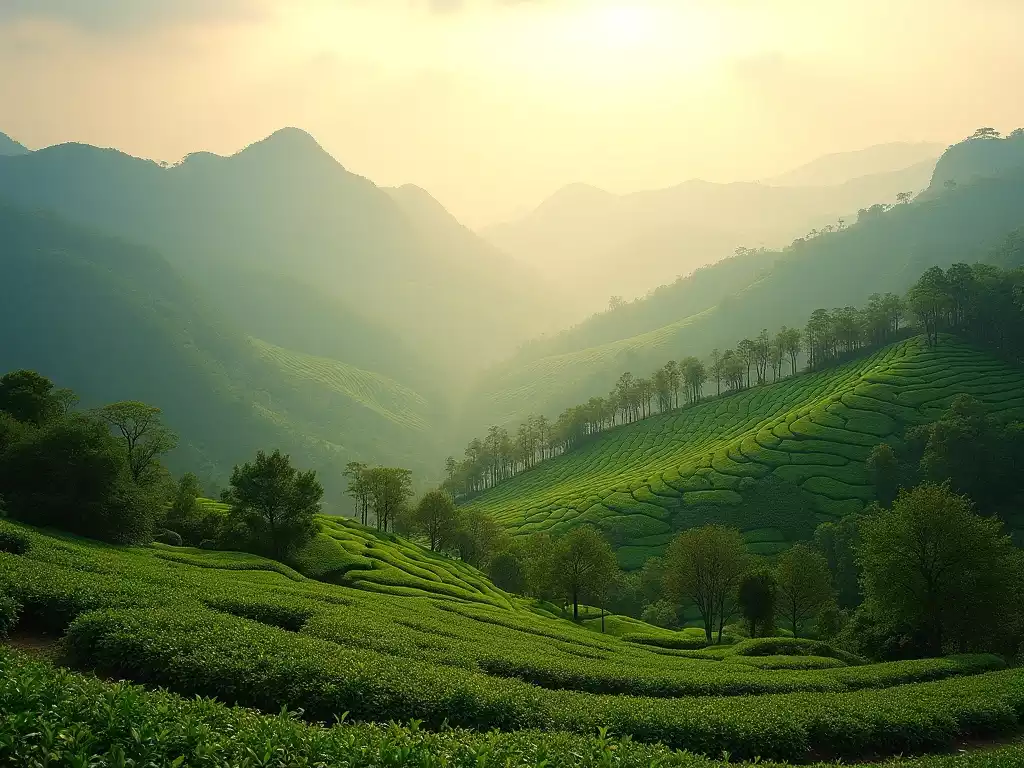
🌿 Rooted in Fertile Soil: Ancient History and Nature's Bounty
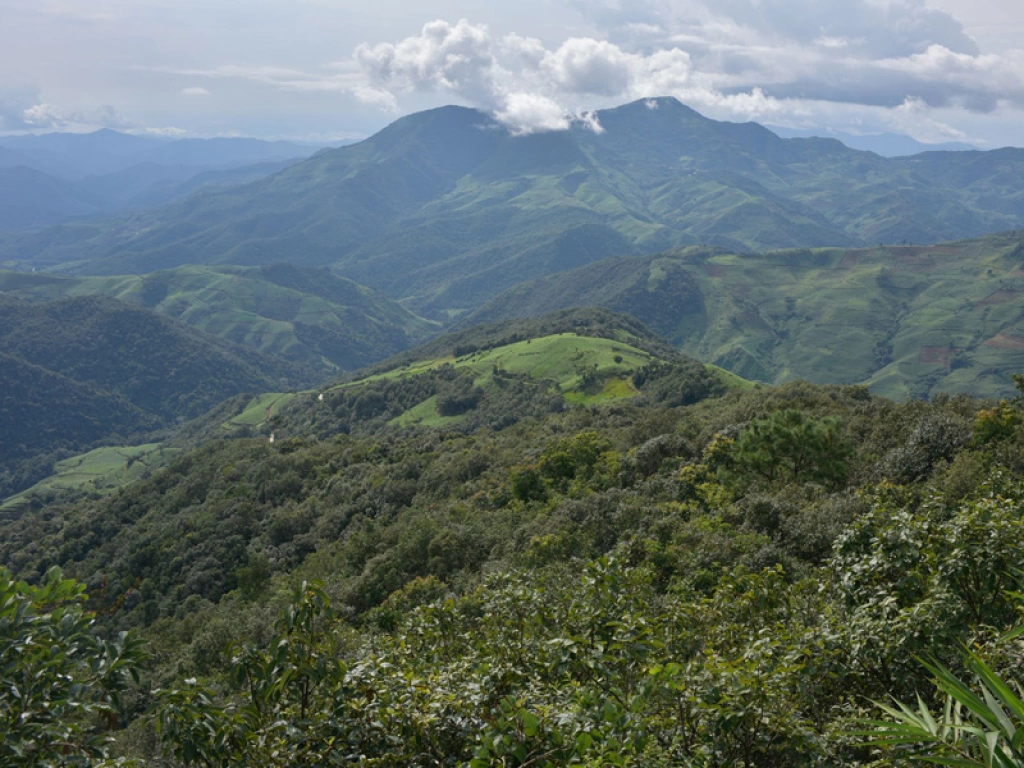
Deep within Menghai’s misty mountains, the Bulang people—descendants of the ancient “Pu people” (濮人)—have cultivated tea for centuries 🌱. Their ancestral wisdom recognized Menghai's perfect terroir: subtropical monsoon climate, acidic red soil, and year-round mist 🌫️.Learn more about the ancient tree teas they harvest from these mountains.
The sacred tea mountains they steward include:
- Bulang Mountain Range 🏔️: Potent, bold teas with high “Qi” energy and powerful transformation from bitterness to sweetness.
- Bada Mountain 🍯: Soft, floral, and smooth teas with aging potential and a signature rock-sugar finish.
- Hekai Mountain 🌸: Balanced and mellow, with complex aromas and world-class ancient garden preservation.
🫖 The Tea Lineage: A Symphony of Life and Tea
🌳 Ecological Wisdom in Ancient Gardens
The Bulang use “understory planting,” allowing tea to coexist with native forest ecosystems 🍂. Their gardens reflect harmony, ecological balance, and biodiversity, creating rich, deep-flavored teas.
✋ The Soul of Tea in Their Hands
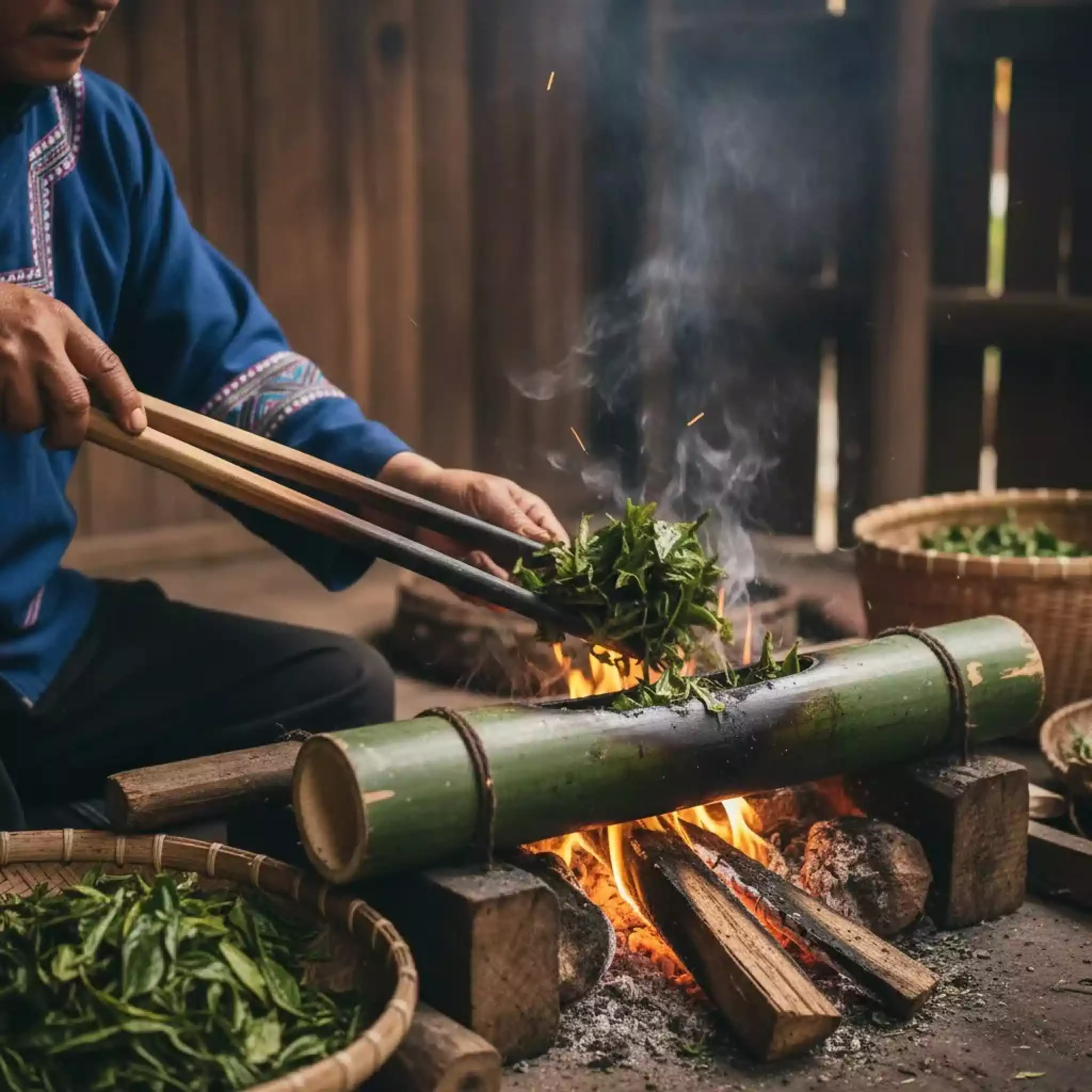
With techniques like hand-fixation (杀青) and bamboo fermentation, every leaf is infused with artisan skill. Their “Sour Tea” (勉) fermented with papaya is both a delicacy and healing remedy.
🥗 Tea in a Hundred Flavors
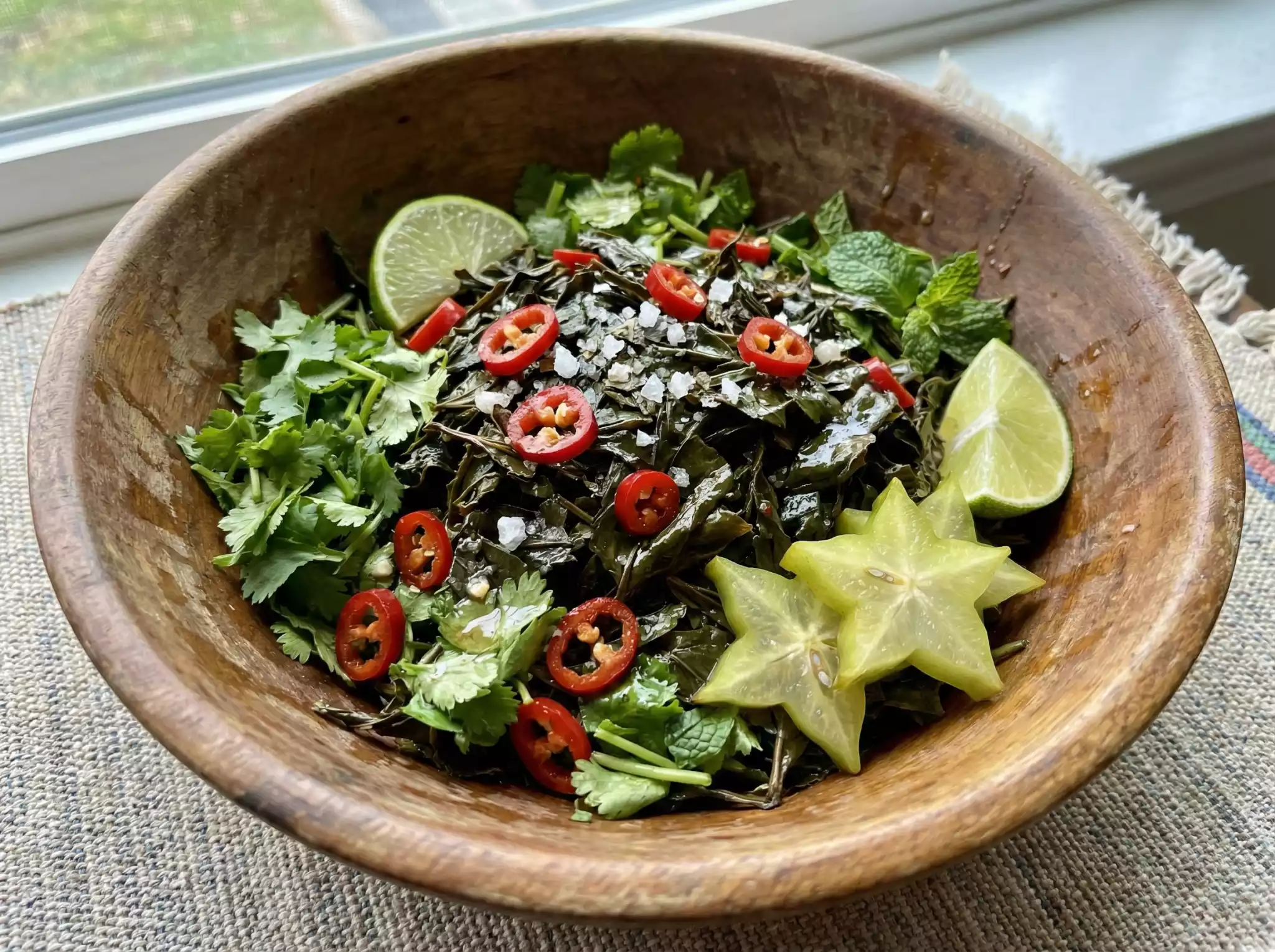
- Liangban Cha 凉拌茶 🍋🌶️: Cold-mixed spring tea with chili, salt, and sour fruit—spicy, fresh, and aromatic. src="https://www.steepedroots.com/wp-content/uploads/2026/01/Bulang-Liangban-Cha-cold.webp" alt="Bulang Liangban Cha: cold-mixed Pu-erh tea salad with fresh herbs, chili peppers, lime, and salt in a wooden bowl – traditional Yunnan delicacy" loading="lazy" >
- Bamboo Tube Tea 腊贺 🎍: Roasted tea and bamboo infuse together for a forest-sweet flavor, especially using Hekai or Bada leaves.
🎊 Faith and Song: The Spiritual Homeland in Festivals
🧘 Shankang Tea Ancestor Festival
Known locally as “Sangkang” or “Songkan”, the Hounan Festrstival is the most important annual celebration for the Bulang people. Held every year from April 13 to 15, exactly seven days after the Qingming Festival, it’s a time to honor ancestors, cleanse away misfortune, and welcome the sun with joyous water splashing.
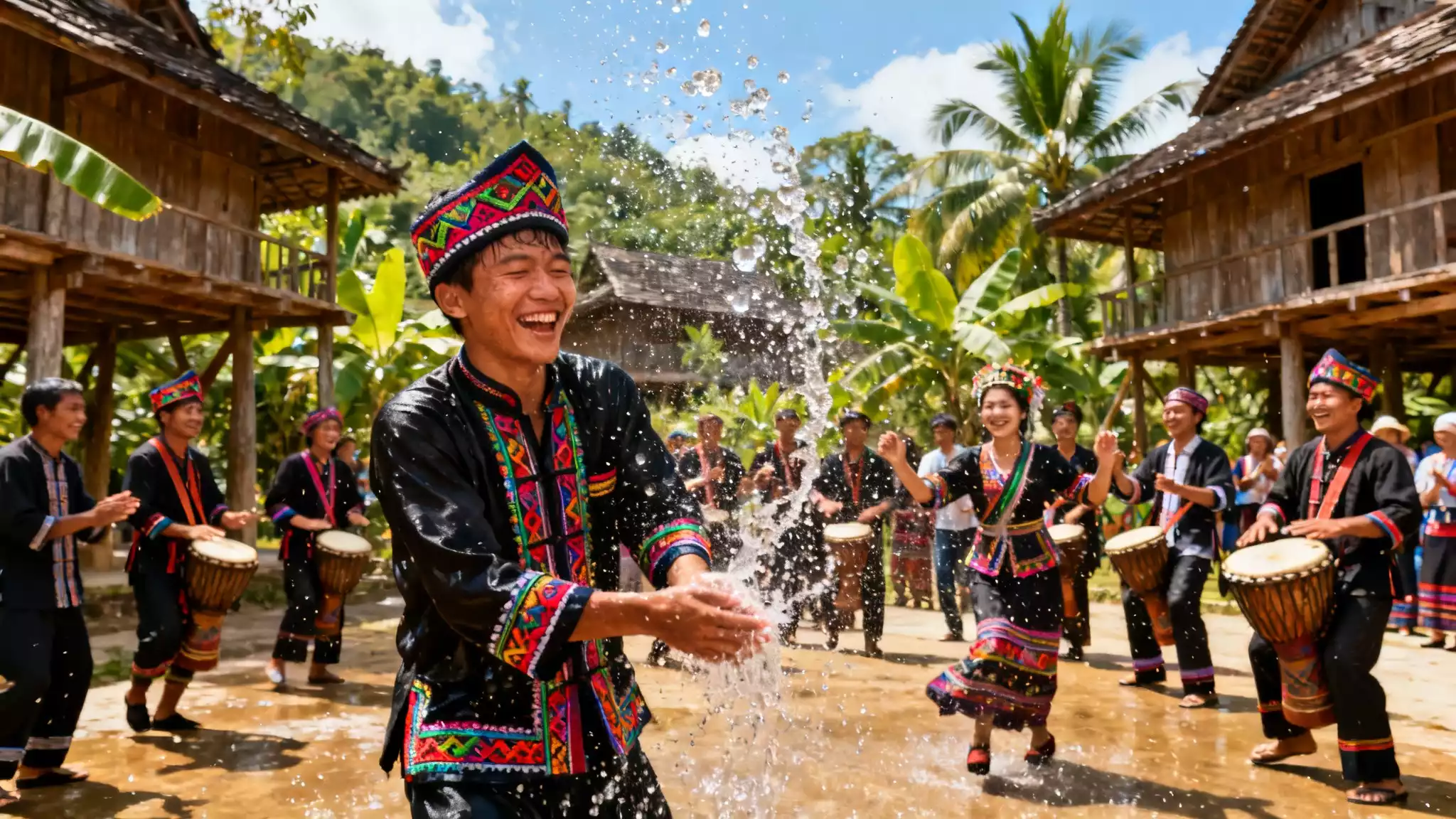
The rituals symbolize rebirth and gratitude for life. During this vibrant time, villages come alive with collective dancing, singing, and rhythmic drumbeats, as generations gather to celebrate the cycle of seasons and the strength of their heritage.For more on Puerh’s cultural roots, see Tracing the Soul and Roots of Pu-erh Tea Culture.
🌧️ Worship of Village Spirits "Daiwamo·Daiwana"
In the rainy season, tea offerings are made to ancestral spirits to guard the land and ensure harmony 🌾. The tea becomes a sacred connector between people, ancestors, and earth.
💪 Character Forged by Tea Mountains
Like their ancient trees, the Bulang are resilient 🌲. Their tea embodies their values:
- Resilience: Enduring mountain life and mastering artisan tea work.
- Reverence: Honoring nature and the Tea Ancestor in rituals and daily life.
- Hospitality: Serving Pu-erh and homebrewed rice wine with sincerity and trust 🤝.
“To the Bulang, tea is not a product—it’s a spirit, a lineage, a way of life.”
Their three mountain domains—Bulang, Bada, and Hekai—not only yield exquisite teas but also carry the soul of their people into every fragrant cup 🍵.
Learn more about ancient tea traditions from Puercn.com 🌐.