Time in a Cup: The Evolution of Raw Pu-erh Tea
What is raw Pu-erh tea? Raw Pu-erh (sheng Pu-erh) is a traditionally processed Chinese tea made from large-leaf tea trees in Yunnan. Unlike most teas, it continues to age and transform over time, developing deeper flavors, smoother texture, and complex aroma through natural oxidation and microbial activity.
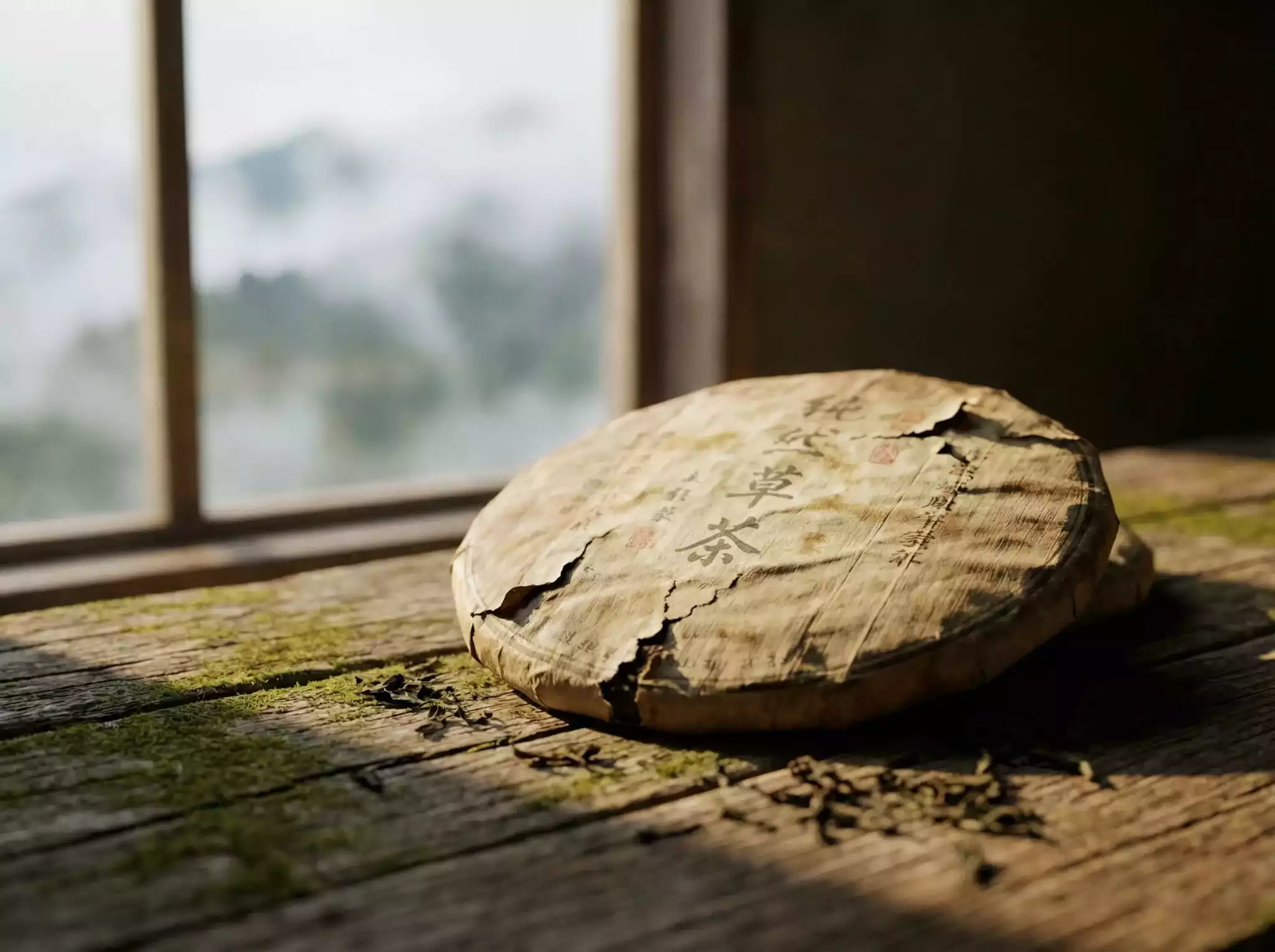
Raw Pu-erh tea, or sheng Pu-erh, is a living tea — one that doesn’t just age, it transforms. Unlike most teas that peak within a year or two, raw Pu-erh matures over decades, deepening in complexity, smoothing its edges, and revealing a soul shaped by time.
Freshly Pressed (0–1 Year): The Youthful Intensity
In its first year, raw Pu-erh is fierce. It bursts with grassy, floral, and green fruit aromas. The body is bold and astringent, with high tannins that grip the tongue. Many describe this stage as “lively but sharp,” and for some, it’s an acquired taste.
It is in this stage that terroir speaks the loudest — the mountain, the soil, the altitude.
The energy, or cha qi, can feel electric. This is tea for the bold.
Early Transition (1–3 Years): Settling Down
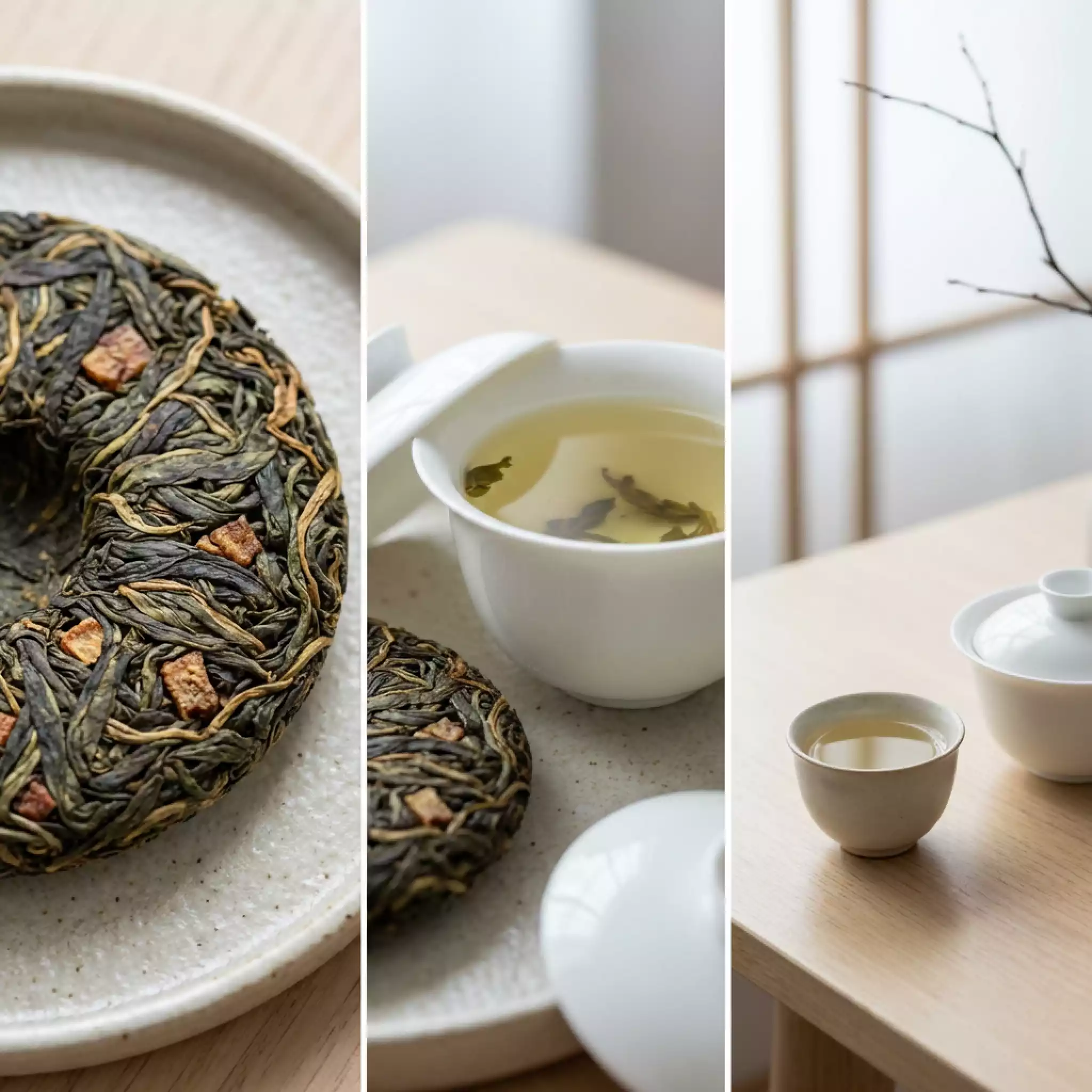
As time passes, the harshness begins to mellow. Floral notes soften into stone fruit and honey. Bitterness recedes, and a new layer of minerality emerges. The leaf begins to oxidize naturally, and microbial changes quietly take place inside the cake.
The tea becomes more forgiving — though still youthful, it starts to hint at what’s to come.
| Age Range | Flavor Profile | Mouthfeel | Recommended For |
|---|---|---|---|
| 0–1 Year | Grassy, floral, sharp bitterness | Dry, astringent | Adventurous drinkers |
| 1–3 Years | Stone fruit, honey, mineral | More balanced | Developing palates |
| 5–10 Years | Dried fruit, camphor, wood | Thick, smooth | Most collectors |
| 10–20+ Years | Herbal, earthy, medicinal | Silky, deep | Experienced connoisseurs |
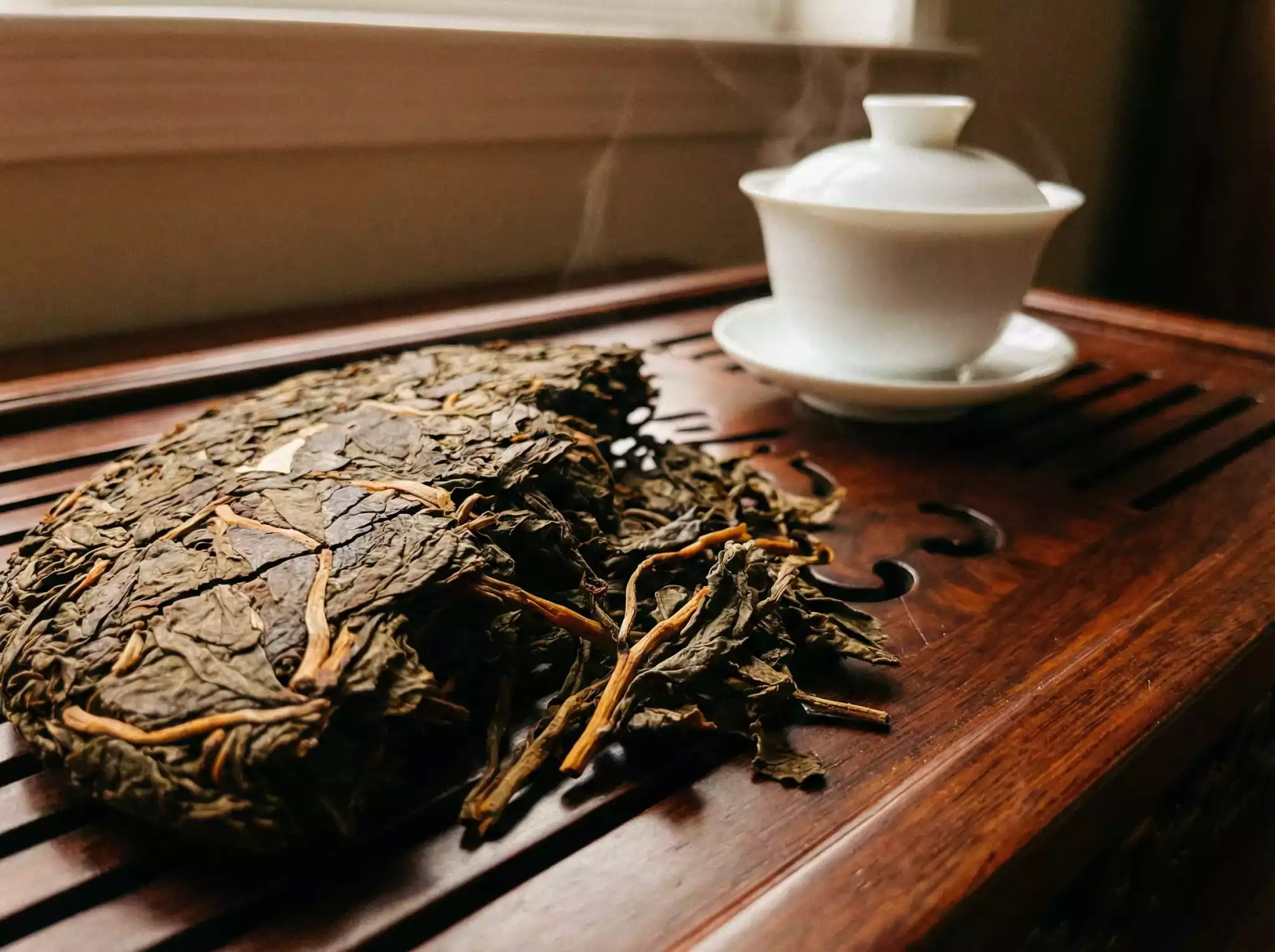
Middle Age (5–10 Years): Harmony and Warmth
This is the golden window for many drinkers. A well-stored raw Pu-erh at this age begins to exude harmony. Gone is the aggressive astringency; in its place comes smooth, viscous texture and rich flavors: dried apricot, sandalwood, camphor, even medicinal warmth.
What was once loud now speaks in gentle confidence.
This is when connoisseurs start seeking out “body feel” and aftertaste — not just flavor, but how the tea resonates down the throat and throughout the chest.
Deep Maturity (10–20 Years): Wisdom in the Leaf
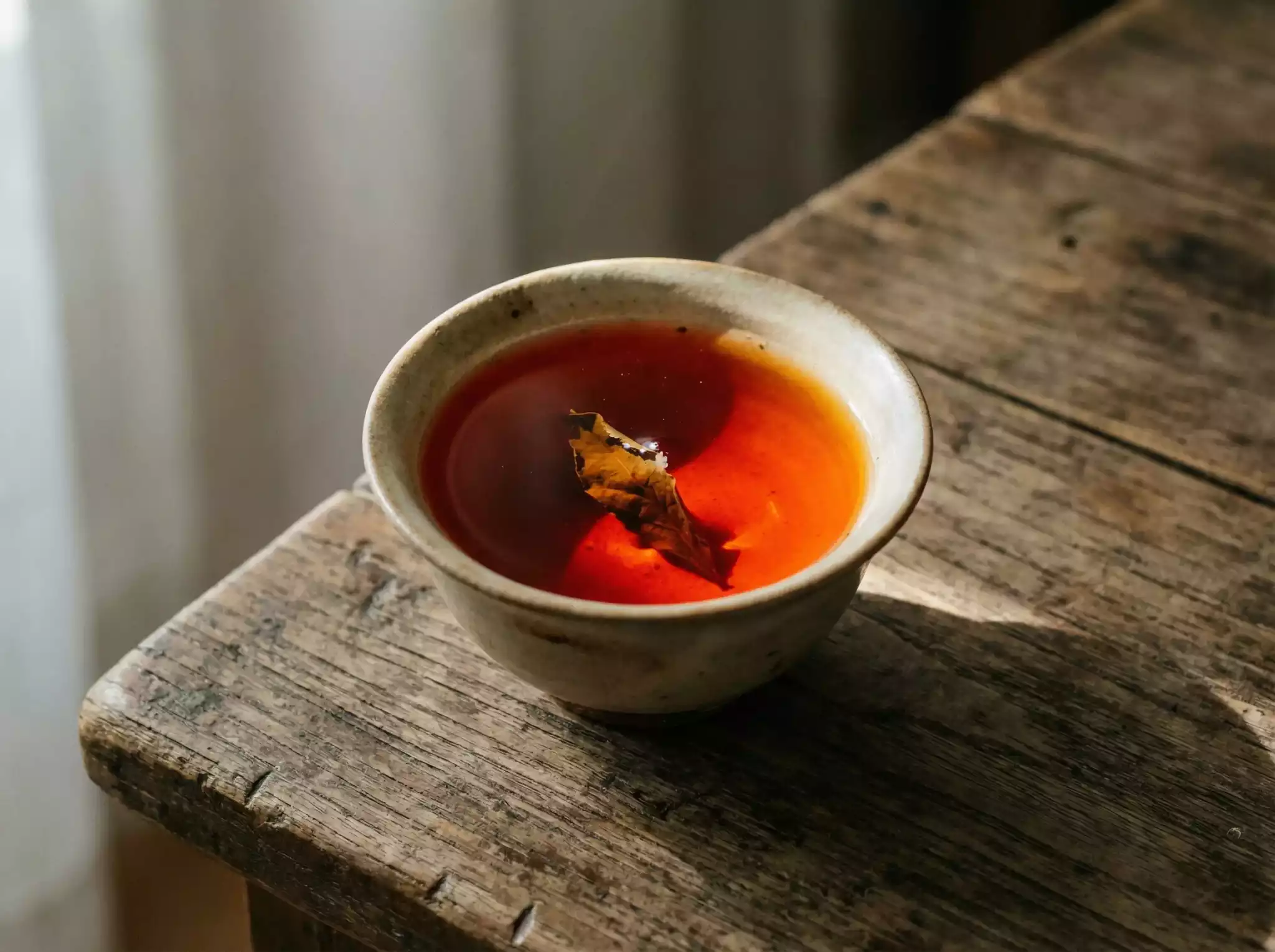
At this point, raw Pu-erh becomes a rare experience. The liquor darkens, often becoming amber or reddish-brown. The flavor shifts to earthy tones, mushrooms, dried fruit, and subtle Chinese herbal notes. The hui gan — that sweet return after swallowing — becomes prolonged and enduring.
The energy is grounding, even meditative. Each session becomes a quiet ceremony.
Ancient Elegance (20+ Years): Tea as Time Capsule
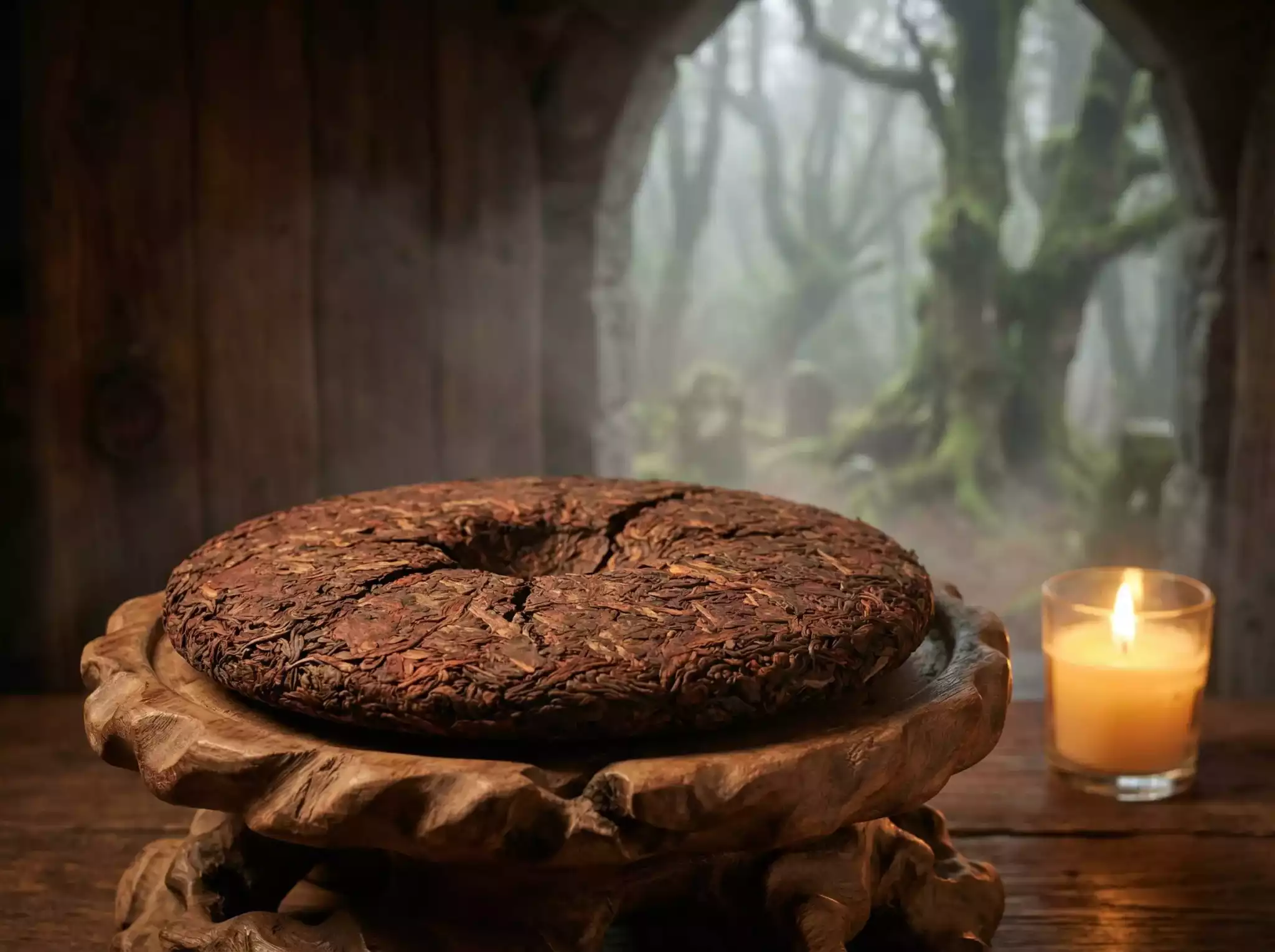
Very few teas reach this age. Those that do are not just beverages; they are relics. Their flavors are soft yet profound, like silk laced with forest mist. The storage conditions during these decades matter immensely — dry vs. humid storage leads to different personalities.
Aged raw Pu-erh doesn’t just taste old — it tastes eternal.
When Should You Drink Raw Pu-erh?
There is no single perfect moment to drink raw Pu-erh. Some enjoy its youthful intensity, while others wait decades for softness and depth. Storage conditions, personal taste, and patience all shape the journey.
For beginners, teas aged 5–10 years often offer the best balance between complexity and approachability. Collectors may choose to buy young cakes and let time do the rest.
Why We Wait: The Beauty of Time
Raw Pu-erh is one of the few teas meant to be collected, stored, and aged. Each cake is like a diary slowly being written — shaped by air, humidity, temperature, and care.
It teaches us patience. It rewards curiosity. And with every cup, we share a moment with the past — and with a future yet to fully unfold.
❓ Frequently Asked Questions
What is raw Pu-erh?
Raw Pu-erh (sheng Pu-erh) is a traditional Chinese tea from Yunnan that ages naturally over time, developing more complex flavor and aroma with years of storage.
How long should I age raw Pu-erh?
Beginners may enjoy 5–10 years aged tea for balance, while enthusiasts can age it 10–20+ years. Patience and proper storage are key.
What’s the difference between raw and ripe Pu-erh?
Raw Pu-erh (sheng) ages naturally and has grassy/complex flavors; ripe Pu-erh (shou) undergoes accelerated fermentation for dark, earthy, mellow taste.