Why Choose Tea Over Coffee?
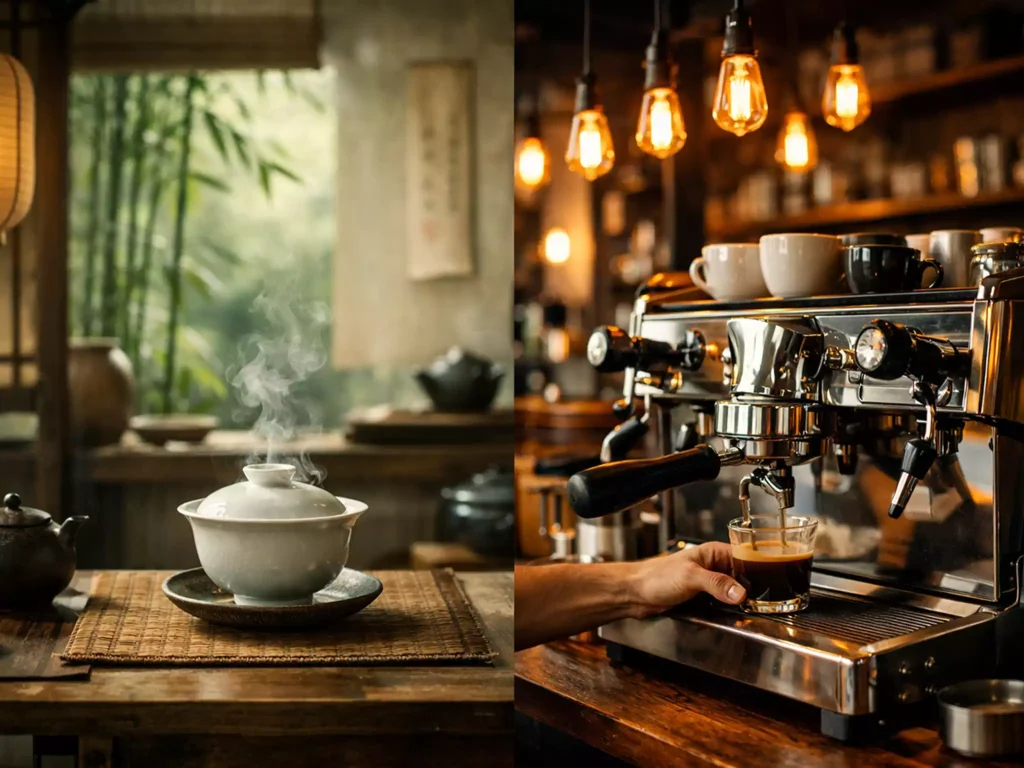
In the ongoing debate between tea and coffee, both drinks have their loyal fans. But beyond the caffeine fix, tea offers a world of flavor, ritual, and wellness benefits that make it a compelling daily companion. If you're looking for a gentler start to your day, a deeper cultural connection, or simply a drink that fits your rhythm, here's why tea might just become your new favorite ritual.
1. A Gentler Caffeine Experience
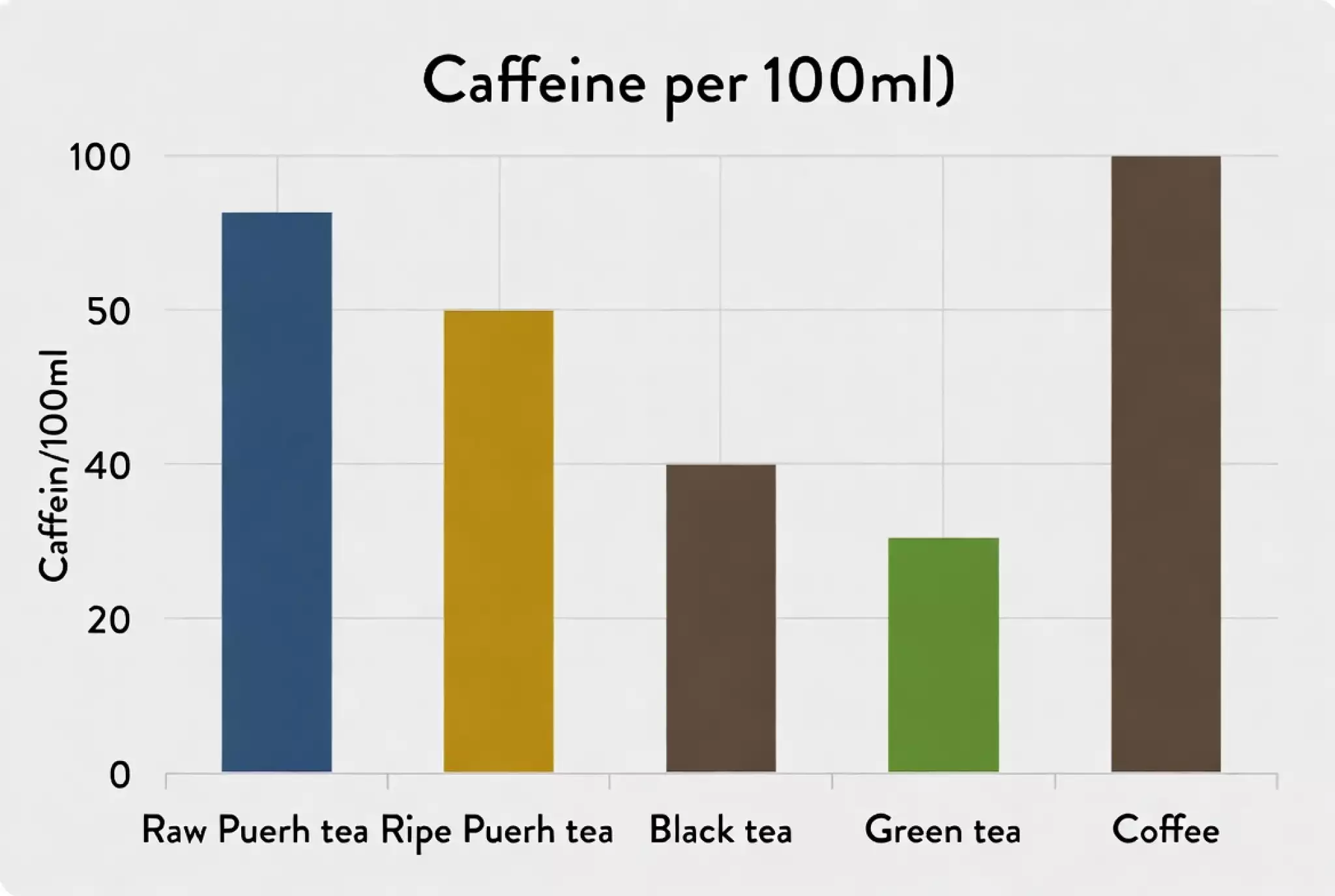
Tea contains caffeine—often referred to as theine—but in lower doses than coffee. A typical cup of tea offers 20–60 mg of caffeine, compared to coffee’s 80–100 mg. More importantly, tea includes L-theanine, an amino acid that promotes calm, focused alertness and counteracts caffeine’s crash-and-burn effects.
Example: A cup of green tea provides a steady energy lift, perfect for morning work or afternoon study—without the heart-racing jolt of espresso.
2. Diverse Flavors and Varieties
Tea offers a stunning range of natural flavors—floral, grassy, smoky, earthy—depending on its origin and processing. Unlike coffee, which often relies on roasting or syrups for variation, tea’s diversity comes directly from the Camellia sinensis plant and how it's treated post-harvest. Plus, herbal tisanes like chamomile and peppermint offer caffeine-free enjoyment any time of day.
Try This: Sample a lightly oxidized Tie Guan Yin for a creamy floral experience, or try bold Assam black tea for a malty kick.
3. Health Benefits Backed by Science
Green tea is rich in catechins, while black tea provides theaflavins—both potent antioxidants known to reduce inflammation and support heart health. Tea is also easier on the stomach than acidic coffee, making it a soothing choice for sensitive systems.
Fun Fact: Matcha contains up to 137x more antioxidants than regular brewed green tea—making it a favorite among wellness enthusiasts.
4. A Ritual of Mindfulness
From Japanese tea ceremonies to Chinese Gongfu brewing, tea preparation is often a mindful ritual. The act of measuring, steeping, and sipping encourages presence and calm—a welcome pause in busy modern life. Coffee culture, by contrast, often centers on speed and convenience.
Pro Tip: Try brewing tea Gongfu style using a small gaiwan. Multiple short infusions reveal how flavor evolves with each steep.
5. Cultural and Historical Depth
Tea carries centuries of cultural significance—from the temples of Song Dynasty monks to British high tea. While coffee has its own global journey, tea’s role in art, philosophy, and daily ritual offers a richer, more meditative tradition.
Historical Note: During the Song Dynasty (960–1279 CE), tea evolved from being whisked to steeped—shaping modern brewing methods.
6. Versatility for Any Mood or Moment
Need a boost? Brew black tea. Craving calm? Try rooibos or lavender. Hosting guests? Serve jasmine pearls. Tea is endlessly adaptable—hot, iced, or blended into a latte—while coffee’s strong profile often needs milk or sugar to mellow.
Idea: Cool off with iced hibiscus in summer or warm up with spicy masala chai in winter.
7. Sustainability and Accessibility
Compared to coffee, tea generally requires fewer resources to grow and process. Many small-scale farms in places like Fujian and Darjeeling emphasize organic and sustainable methods. Plus, loose-leaf tea can be steeped multiple times, offering better flavor and value.
Eco Tip: Choose loose-leaf tea over bags to reduce packaging waste and enjoy richer brews.
Tea vs Coffee: Caffeine Comparison Table
(Average per 8oz/240ml cup – sources: Healthline, Mayo Clinic, Adagio Teas)
| Beverage | Caffeine (mg) | Notes |
|---|---|---|
| Brewed Coffee | 95–200 | Strong, quick hit |
| Espresso (1 shot) | 63 | Concentrated |
| Black Tea | 40–70 | Balanced |
| Green Tea/Matcha | 20–70 (Matcha higher) | L-theanine calm |
| Ancient Tree Pu-erh (gongfu) | 50–100+ | Strong, sustained energy |
| Oolong | 30–50 | Moderate |
| White Tea | 15–30 | Gentlest |
Potential Drawbacks to Consider
Tea’s gentler caffeine might not satisfy coffee lovers seeking a strong kick. It also requires more brewing attention, especially for high-quality leaves. But for those willing to engage, the rewards—flavor, calm, and connection—are worth it.
Why Make the Switch?
Choosing tea over coffee isn’t about picking a side—it’s about discovering balance, depth, and a slower pace. Whether you’re drawn to its health benefits, flavor diversity, or cultural roots, tea invites you into a mindful world of taste and tradition. So fill your kettle, warm your cup, and steep your way into something special.
What’s your favorite tea? Share your thoughts and brewing rituals in the comments below—we’d love to hear them!