
Struggling to Sleep? 6 Teas That Calm Your Mind and Body
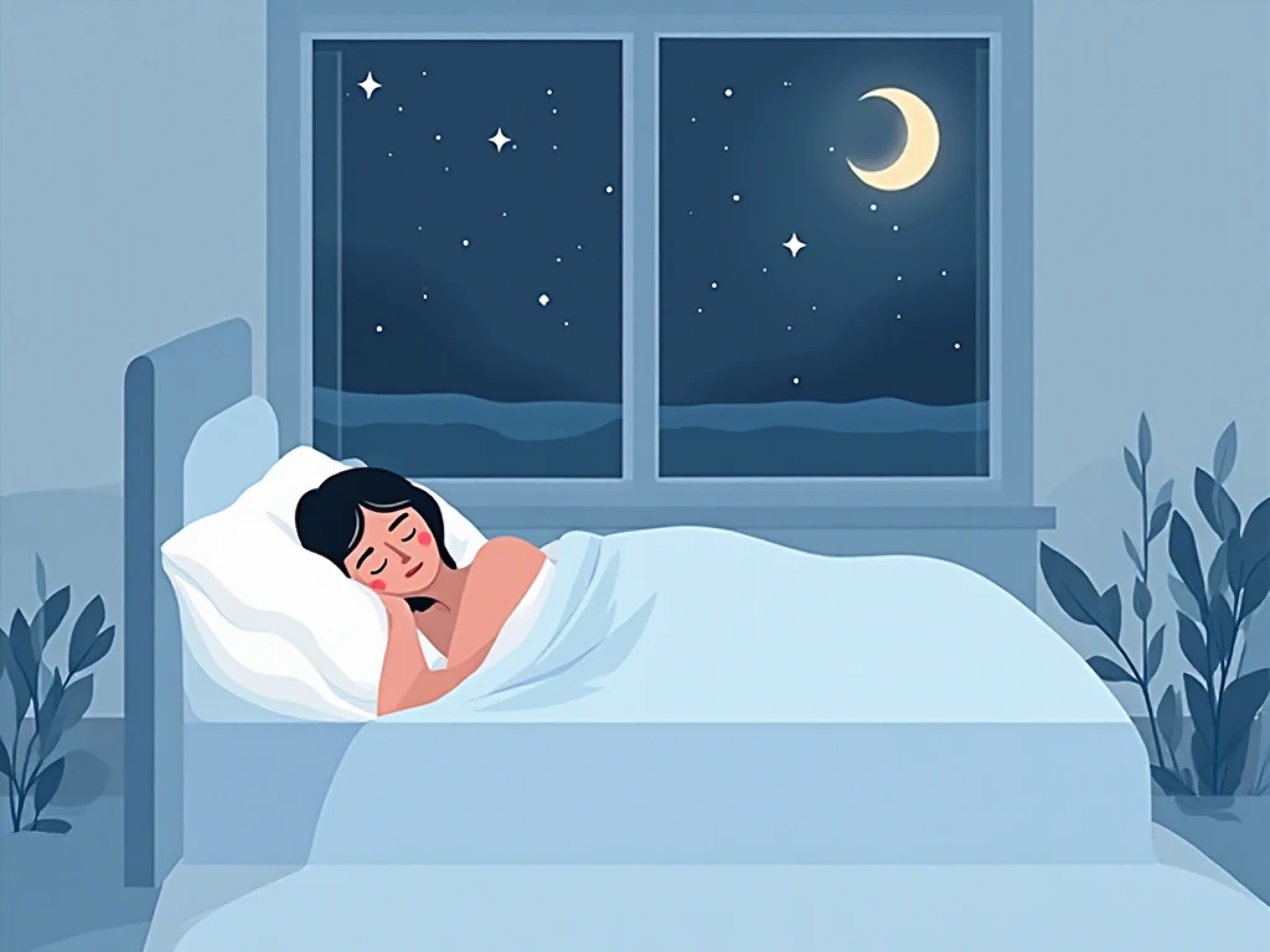
Can tea lull you to sleep? Many tea sellers claim so, but the truth is more nuanced. Tea, with its caffeine, doesn’t induce sleep, yet certain low-caffeine or caffeine-free varieties—like chamomile’s apple-like warmth or ripe Pu’er’s earthy depth—can soothe your mind and body through calming rituals. At Steeped Roots, we debunk the “tea for sleep” myth and share six teas to ease you into a restful evening. Explore more in our Tea and Health guide.

The Myth of Tea as a Sleep Aid
Tea is often marketed as a sleep aid, with claims of “calming” or “soothing” blends. However, true teas—green, black, oolong, or Pu’er—contain caffeine, which can disrupt sleep, especially for sensitive individuals. As noted in a 2020 sleep study, caffeine can delay sleep onset. The idea that tea directly induces sleep is a marketing stretch, but certain teas can support relaxation through ritual and flavor.

Caffeine’s Role in Tea
All true teas contain caffeine, typically 20–40 mg per cup, depending on type and brewing time, per a 2021 tea study. Even “mild” teas like ripe Pu’er or Yunnan red tea (Dian Hong) can stimulate the nervous system, potentially keeping you awake. For evening sipping, opt for low-caffeine or caffeine-free options to avoid sleep interference.
Why Tea Feels Relaxing
Despite caffeine, tea can feel calming due to its ritualistic nature. The slow pour of hot water, the aroma of steeping leaves, and the warmth of a cup in your hands create a mindful pause, as explored in Tea and Zen. L-theanine in tea may also promote relaxation, per a 2019 study, though caffeine often overshadows this effect at night.
Six Calming Teas for Evening Rituals
While no tea guarantees sleep, these six low-caffeine or caffeine-free options, paired with a soothing ritual, can calm your mind and body:
- Chamomile: Caffeine-free with a gentle, apple-like warmth, chamomile soothes with its floral notes, ideal for winding down.
- Ripe Pu’er (Shou): Low in caffeine (10–20 mg per cup), its earthy, velvety depth grounds the mind, perfect for slow sipping.
- Rooibos: A caffeine-free South African herbal tea with a nutty, honeyed flavor, promoting relaxation without stimulation.
- Peppermint: Caffeine-free and crisp, its cooling menthol eases tension and refreshes the palate before bed.
- Lavender: Caffeine-free with a floral, calming aroma, lavender infusion supports a tranquil pre-sleep mood.
- Lemon Balm: Caffeine-free with a citrusy, herbal lift, it gently calms nerves, per a 2021 herbal study.
Explore brewing tips in our Training Your Tea Palate guide.
Crafting a Calming Tea Ritual
The true power of tea lies in the ritual. To maximize relaxation:
- Choose the Right Teaware: Use a warm porcelain cup or gaiwan to enhance sensory comfort, per Choosing the Right Teaware.
- Create a Calm Environment: Dim lights, avoid screens, and play soft music to set a restful mood.
- Sip Mindfully: Focus on the tea’s aroma, warmth, and flavor to anchor yourself in the moment.
- Limit Liquids: Sip small amounts an hour before bed to avoid nighttime disruptions.
Frequently Asked Questions
Which teas are best for evening relaxation?
Caffeine-free teas like chamomile, rooibos, peppermint, lavender, and lemon balm, or low-caffeine ripe Pu’er, promote calm without disrupting sleep, as noted in Six Calming Teas.
Why doesn’t tea help me sleep?
True teas contain caffeine (20–40 mg per cup), which can delay sleep onset, per Caffeine’s Role. Opt for caffeine-free herbals for evening use.
How does a tea ritual help with relaxation?
The act of brewing and sipping tea mindfully, in a calm setting, creates a soothing pause, as explored in Why Tea Feels Relaxing and Tea and Zen.
Can I drink tea if I’m caffeine-sensitive?
Choose caffeine-free options like chamomile or rooibos, and avoid true teas (green, black, Pu’er) in the evening to prevent sleep disruption.
How late can I drink tea before bed?
For caffeine-free teas, sip up to an hour before bed. For low-caffeine teas like ripe Pu’er, stop 3–4 hours before to minimize stimulation, per Caffeine’s Role.