
Difference Between Dry Brewing and Wet Brewing Tea
Brewing tea might appear as simple as pouring water over leaves, but it’s a rich art woven with philosophy and mindfulness. Dry brewing and wet brewing offer distinct ways to savor tea, each with its own aesthetic and approach. If these terms are new to you, let’s explore how these methods elevate the tea experience, from the elegance of a dry setup to the vibrant spontaneity of wet brewing. For guidance on selecting tools, see Choosing the Right Teaware: Crafting the Perfect Tea Experience.
Dry Brewing vs Wet Brewing: Quick Comparison
| Aspect | Dry Brewing | Wet Brewing |
|---|---|---|
| Water Control | Precise, minimal spillage | Overflow allowed |
| Teaware | Small, elegant tray | Large, practical tray |
| Best For | Personal, meditative | Social, high-heat teas |
| Cleanup | Minimal, towel-absorbed | More water, but tray contains |
What Is Dry Brewing?
Dry brewing, a refined practice rooted in Taiwan’s tea culture, particularly among oolong enthusiasts, emphasizes cleanliness and elegance. The key principle is to keep the tea table dry and refreshed: only a small amount of wastewater or tea spillage occurs, easily absorbed by a tea towel. This method creates a serene, meditative moment, ideal for personal reflection.
It involves a small, refined tea tray and precise water control to avoid spills. This orderly setup is often seen in modern tea ceremonies, offering a visually harmonious scene. Learn more about Taiwan’s tea culture at Tea From Taiwan.
Dry brewing suits daily rituals or intimate gatherings, focusing on a visual “living picture” with restrained hand techniques. It’s perfect for teas like oolong or Sheng Pu-erh, which benefit from meticulous brewing to reveal their nuanced flavors.
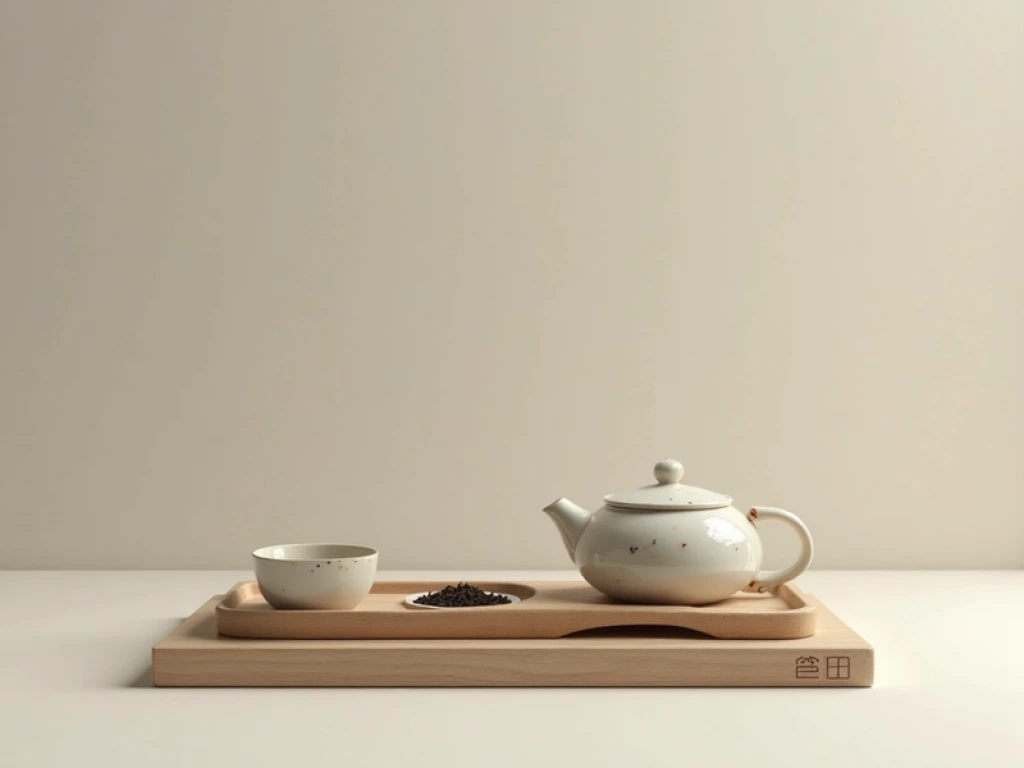
👉 Personally, I prefer dry brewing. Its simplicity suits brewing tea anytime, anywhere.
A compact tea tray with a teapot, fairness cup, and tasting cup is all you need. It’s portable, quiet, and lets you find your own rhythm. For tips on selecting teaware, see Choosing the Right Teaware.
What Is Wet Brewing?
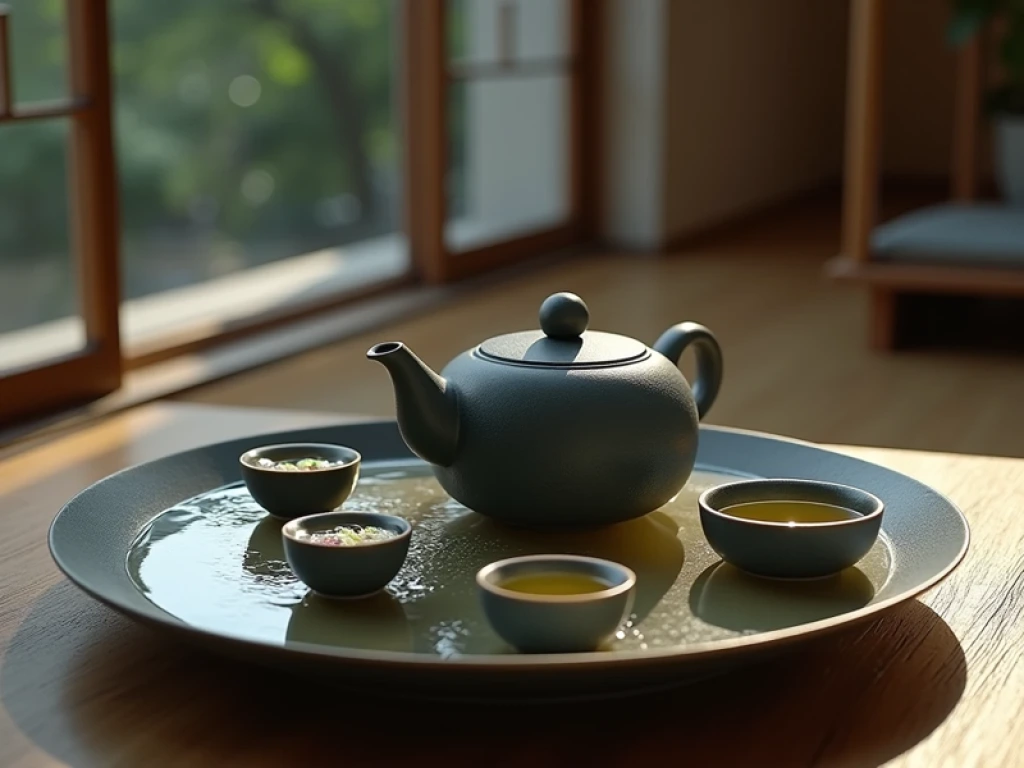
Wet brewing, a vibrant tradition in Gongfu tea practices from Chaoshan and Minnan regions, embraces a relaxed, dynamic approach. It’s deeply rooted in Chinese tea culture, ideal for bold teas like Yancha or Dancong, as explored in Dian Hong vs. Other Black Teas.
It uses a large tea tray, allowing water to overflow freely, which keeps the teaware warm and clean. This method suits lively social settings where tea is shared generously. For a deeper dive into Gongfu tea, visit China Highlights: Gongfu Tea.
Wet brewing is characterized by spontaneity and flexibility. Its dynamic pouring technique enhances the aroma of fragrant teas like Yancha or Dancong, allowing their bold profiles to shine through multiple infusions.
Core Differences Between Dry and Wet Brewing
- Technique: Dry brewing meticulously controls water flow to keep the table pristine; wet brewing celebrates overflow and fluidity, amplifying the tea’s warmth and aroma.
- Teaware Setup: Dry brewing favors compact, elegant trays; wet brewing uses larger, practical trays, as detailed in Choosing the Right Teaware.
- Context: Dry brewing suits tea ceremonies and contemplative moments; wet brewing thrives in lively, social tea gatherings.
- Visual Impression: Dry brewing feels refined and restrained; wet brewing is vibrant and expressive, aligning with different tea personalities.
Which One Suits You Best?
If you cherish quiet, solitary tea moments with a ritualistic touch, dry brewing may resonate with you. It’s ideal for teas like Sheng Pu-erh, where precision highlights delicate flavors.
If you love sharing tea with friends and savoring bold aromas, wet brewing suits your style, especially for teas like Yancha or Dancong, which shine in social settings.
Ultimately, there’s no right or wrong—choose the method that shapes the tea space and experience that resonates with you. Experiment with both to find your rhythm, and explore tasting techniques in Training Your Tea Palate: Beginner’s Practice Guide.
Author’s Tip: Build Your Own Dry Brewing Space
Creating a dry brewing space is simple and rewarding, perfect for daily rituals or small gatherings:
- ☕ Choose a small, well-draining tea tray for neatness, ensuring no water spills onto your table.
- ☑ A comfortable teapot, fairness cup, and tasting cup are sufficient for a minimalist setup, as recommended in Choosing the Right Teaware.
- 🌿 Add a cloth napkin, subtle incense, or soft music to create a tranquil, mindful atmosphere.
For more inspiration on tea spaces, check out TeaVivre’s Tea Ceremony Guide.
"There’s no fixed way to brew tea. The best method is the one that suits you."
Conclusion: Let Tea Brewing Be Your Personal Expression
Whether you choose the precision of dry brewing or the vibrancy of wet brewing, tea brewing is a dialogue with yourself—a practice of skill, rhythm, and sensory immersion. Serious tea brewing also honors the leaves’ journey: respecting nature’s gifts, the stewardship of tea farmers, and the artistry of tea makers. Find your rhythm and share your brewing style with others. Dive deeper into tea culture with Tea Origins & Culture.
Brewing tea is more than just water and leaves; it is a ritual of Dry Brewing elegance and Wet Brewing vitality...
Brewing tea is more than just water and leaves; it is a ritual of Dry Brewing elegance and Wet Brewing vitality...
Frequently Asked Questions
What is the main advantage of dry brewing?
Dry brewing emphasizes cleanliness and focus. It uses a small amount of water managed precisely by a tea towel, making it ideal for meditative, personal sessions and minimal cleanup.
When should I use wet brewing?
Wet brewing is best for social gatherings or brewing teas like Yancha (Rock Tea) that require high heat. The large tray allows for overflowing water to keep teaware consistently hot.
Which teas are best suited for dry brewing?
Dry brewing works wonderfully with refined teas like high-mountain oolong, Sheng Pu-erh, or lightly fermented white teas, as it highlights subtle layers of flavor and aroma through precise control.
How can beginners switch from wet brewing to dry brewing?
Start by practicing water control with a small tea tray and tea towel. Use less tea and water at first, focus on slow pouring, and gradually build precision to avoid spills.
Do I need special teaware for dry brewing?
No expensive tools are required—a small draining tea tray, gaiwan or teapot, fairness cup, tasting cups, and a tea towel are sufficient to get started.

