
Why Raw (Sheng) Pu-erh Tea May Support Weight Control: A Digestive Perspective
Raw (sheng) Pu-erh tea is widely regarded as effective for “cutting grease” and aiding weight management. This article explores its bioactive compounds, their impact on digestion, and practical tips for use, enriched with cultural context. (Not medical advice.)
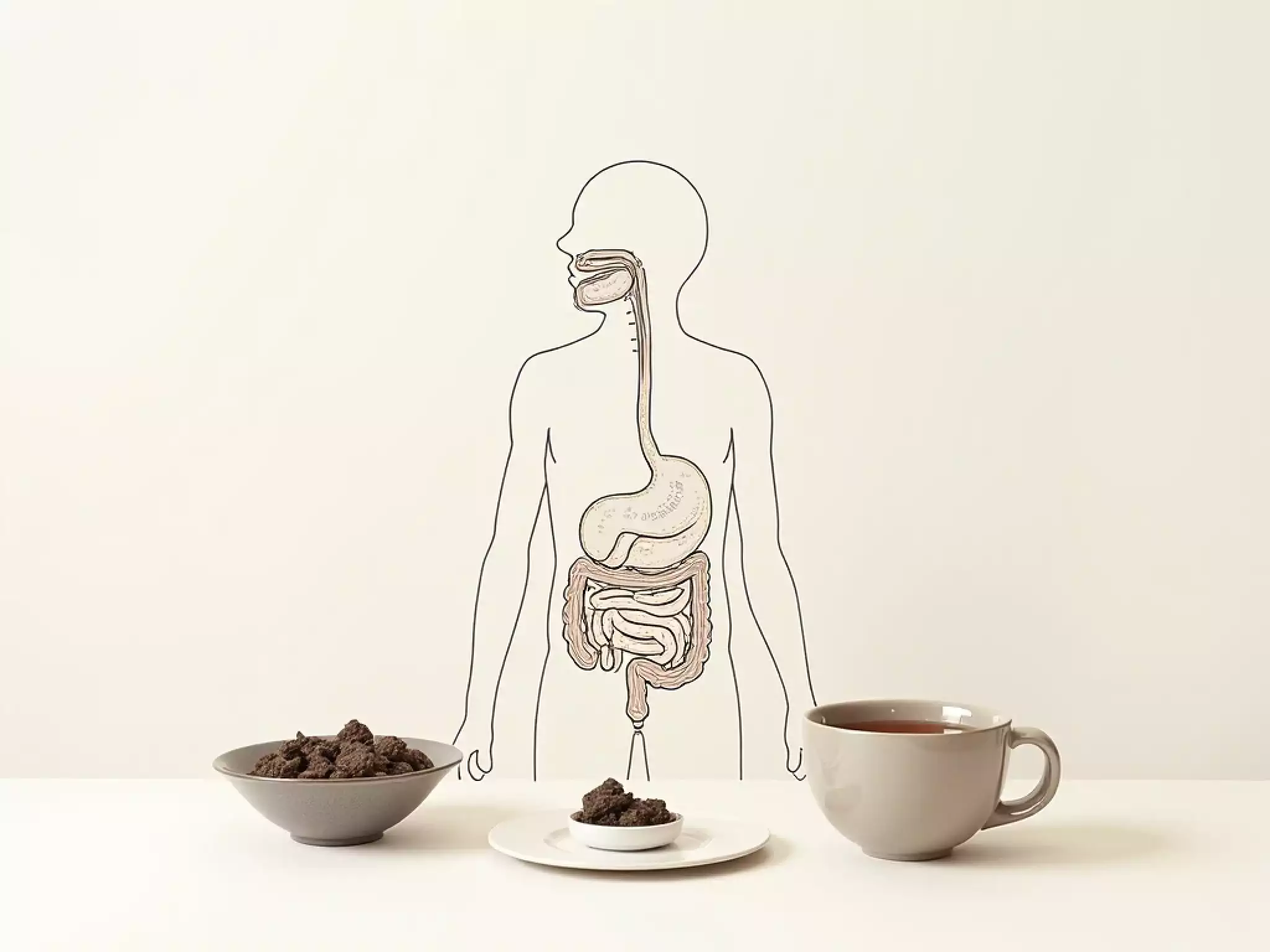
Introduction: Digestion as the Key to Energy Balance
Body weight hinges on a simple equation: energy consumed versus energy used. The digestive system plays a pivotal role by breaking down food, absorbing nutrients, and managing energy storage through gut microbes. By influencing these processes, certain foods and drinks—like raw (sheng) Pu-erh tea—may support weight control.
How Digestion Shapes Fat Absorption
Digestion determines how much dietary fat is absorbed or excreted. Key stages include:
- Stomach: Mechanical and acid breakdown signals satiety and prepares food for further digestion.
- Small Intestine: Bile emulsifies fats into tiny droplets (micelles) for absorption, a critical step for fat storage.
- Colon: Gut microbes ferment undigested food, producing compounds that influence energy storage.
Modifying these stages can reduce net energy intake, a key factor in weight management.
Bioactive Compounds in Raw (Sheng) Pu-erh
Raw Pu-erh’s minimal fermentation preserves high levels of bioactive compounds that interact with digestion. Key players include:
Polyphenols (Catechins and Polymeric Forms)
These compounds bind to dietary fats and bile, reducing fat emulsification in the small intestine. This limits absorption of fatty acids, potentially lowering energy uptake.

Caffeine
Caffeine gently boosts metabolism, increasing energy expenditure and encouraging fat breakdown, especially when paired with physical activity.
Gut Microbiota Modulators
Polyphenols and fermentation byproducts promote beneficial gut bacteria linked to leanness, while reducing microbes associated with excessive energy storage.
The “Scraping Oil” Sensation Explained
Sheng Pu-erh is often praised for its “oil-cutting” effect—a lighter, less greasy feeling after meals. This stems from:
- Lower Fat Absorption: Polyphenols disrupt fat emulsification, leaving more lipids unabsorbed in the gut.
- Astringent Taste: The tea’s puckering sensation counteracts the oily mouthfeel, enhancing the perception of “cleansing.”
- Enhanced Bile Flow: Certain compounds may stimulate bile production, aiding fat digestion and excretion.
Why Sheng Pu-erh Stands Out
Compared to other teas, raw Pu-erh offers unique advantages:
- Green Tea: High in catechins but potentially harsh on sensitive stomachs at high doses.
- Ripe (Shou) Pu-erh: Fully fermented, gentler on the stomach but with fewer polyphenols, reducing its fat-blocking potential.
- Sheng Pu-erh: Balances potent polyphenols with a palatable flavor, offering both sensory and biochemical benefits for weight control.
Practical Tips for Drinking Sheng Pu-erh
To maximize benefits while minimizing discomfort, follow these evidence-based guidelines:
- Timing: Drink 30–60 minutes after meals to align with fat digestion and bile release.
- Amount: Use ~5–8 g of dry leaves daily, brewed gongfu-style or as a light infusion to avoid stomach irritation.
- Lifestyle Synergy: Pair with a balanced diet and regular exercise.
- Caution: Avoid drinking on an empty stomach to prevent discomfort from astringency.
Safety Note: Consult a healthcare provider before regular use if you have gastric issues, caffeine sensitivity, or are pregnant.
Frequently Asked Questions
Raw Pu-erh doesn't "burn" fat directly in the way exercise does, but its caffeine content can slightly increase metabolism, while its polyphenols can inhibit the absorption of dietary fats in the small intestine.
The optimal time is roughly 30 to 60 minutes after a meal. This allows the tea to interact with the fats currently being processed in your digestive tract.
Biochemically, Raw (Sheng) Pu-erh contains higher levels of unoxidized polyphenols and catechins, which are more effective at blocking fat absorption compared to the fully fermented Ripe (Shou) Pu-erh.
Scientific Limitations
Studies on tea and weight management show modest benefits, with stronger evidence from animal research than human trials. Sustainable weight control requires consistent lifestyle changes, with tea as a supportive tool.
Cultural Context: A Historical Connection
In Chinese tradition, teas like Pu-erh have long been valued for aiding digestion and “clearing grease.” Sheng Pu-erh’s popularity today bridges ancient wisdom with contemporary science.
Conclusion
Raw (sheng) Pu-erh tea stands out for weight management due to its bioactive compounds: polyphenols that limit fat absorption, caffeine that boosts metabolism, and metabolites that foster a leaner gut microbiome.
🌿 Further Reading
👉 Wake Up with Tea: 5 Morning Picks That Kickstart Your Day
👉 Glow from Within: Teas That Boost Your Skin Health
🌿🍵 Lose Weight Naturally? Discover the Power of Pu-erh Tea!
Explore how raw (sheng) Pu-erh tea may naturally support weight control through digestion and metabolism. Part of our Tea Science Series: Unraveling Tea Mysteries from Beginner to Expert.