
How to Drink Tea Like a Master: Hui Gan, Throat Yun & More
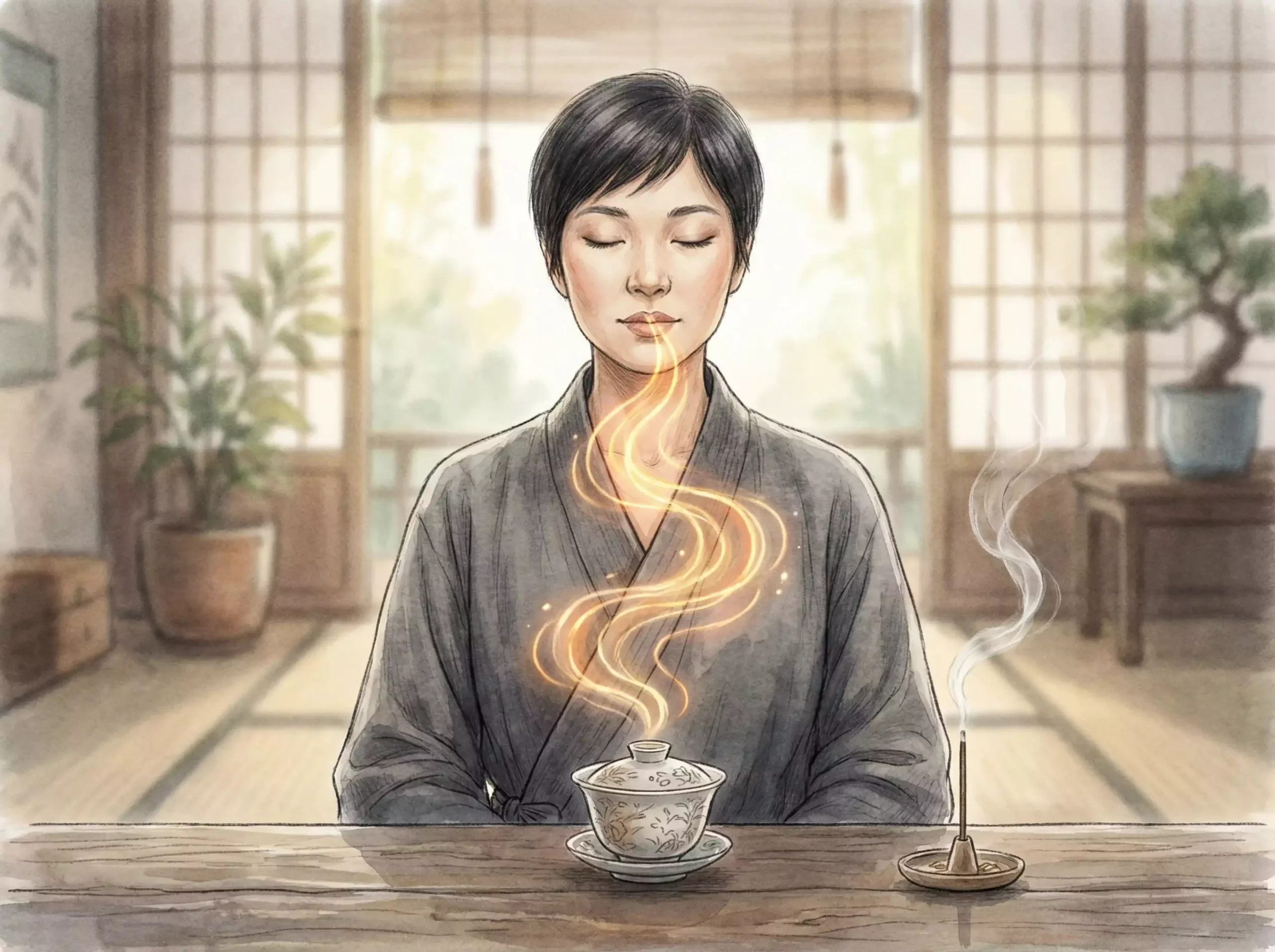
In Chinese tea culture, tea drinking unfolds in four levels:
- Drinking: Sipping casually without focus on flavor.
- Tasting: Identifying distinct tea types and their flavors.
- Tea Art: Brewing with precision to unlock a tea’s full depth.
- The Way of Tea: Embracing tea as a meditative ritual and reflection.
What is Hui Gan (Returning Sweetness)?
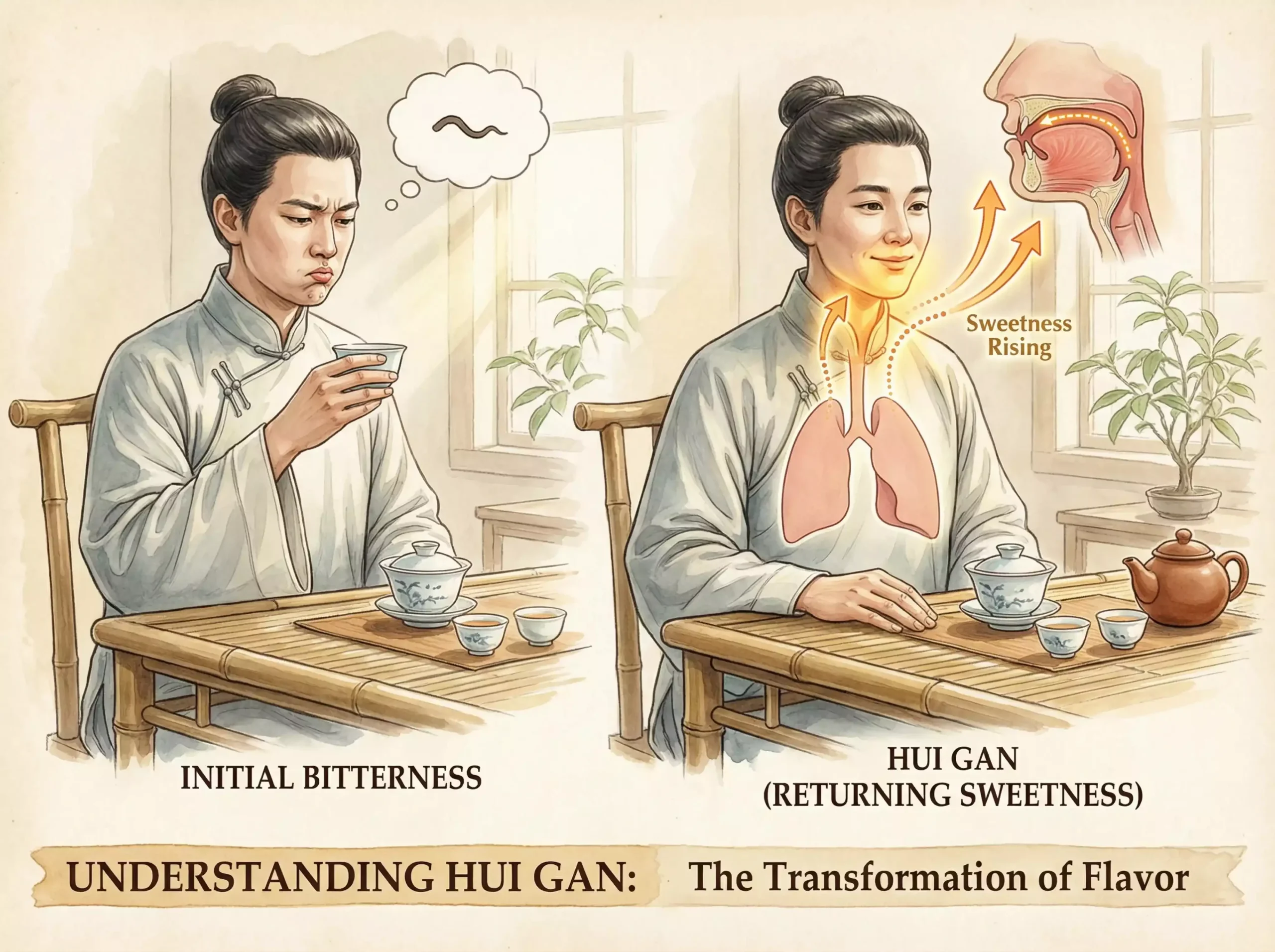
Hui Gan, or “returning sweetness,” is the magical shift when initial bitterness transforms into a lingering, sweet aftertaste that rises from the throat to the palate. High-quality teas, especially Pu-erh, showcase this effect vividly and persistently. To explore more sensory terms, visit our What Is Tea Tasting? guide.
What is Sheng Jin (Saliva Induction)?
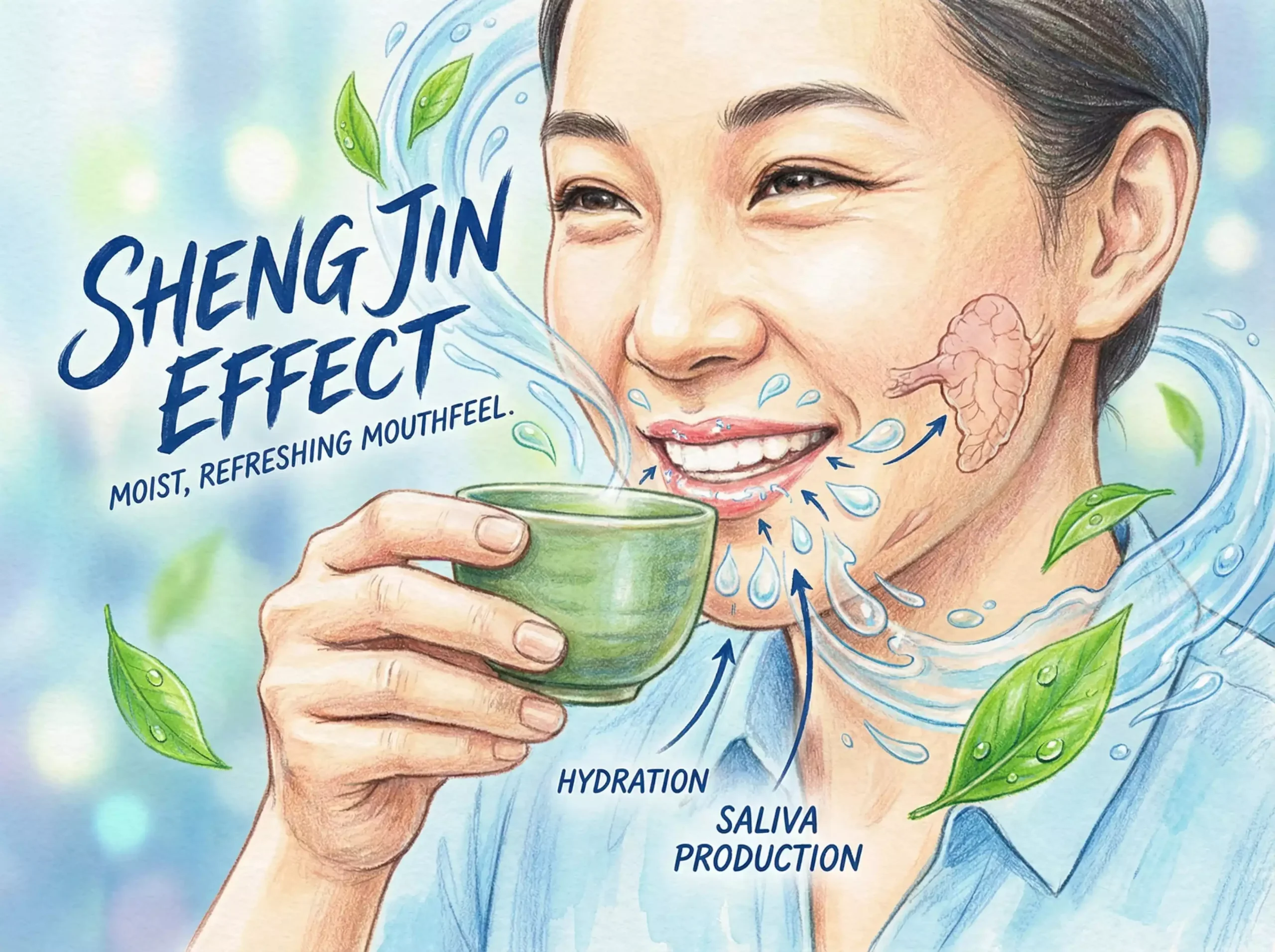
Sheng Jin refers to a tea’s ability to stimulate salivation, creating a refreshing, moist sensation in the mouth. This quality shines in premium Pu-erh and fresh green teas, signaling high quality and excellent drinkability.
What is Aroma Cling (Gua Bei)?
Aroma Cling, or Gua Bei, measures how long a tea’s fragrance lingers on the cup’s walls after pouring, much like “legs” in wine. This persistence reflects the tea’s depth and essential oils, with longer-lasting aromas indicating richer, higher-quality teas.
What is Throat Yun (Throat Rhythm)?
Throat Yun, a hallmark of Chinese tea culture, is the warm, smooth sensation felt deep in the throat after swallowing. When flavors flow seamlessly from mouth to chest, the tea exhibits a powerful Yun.
What is Astringency?
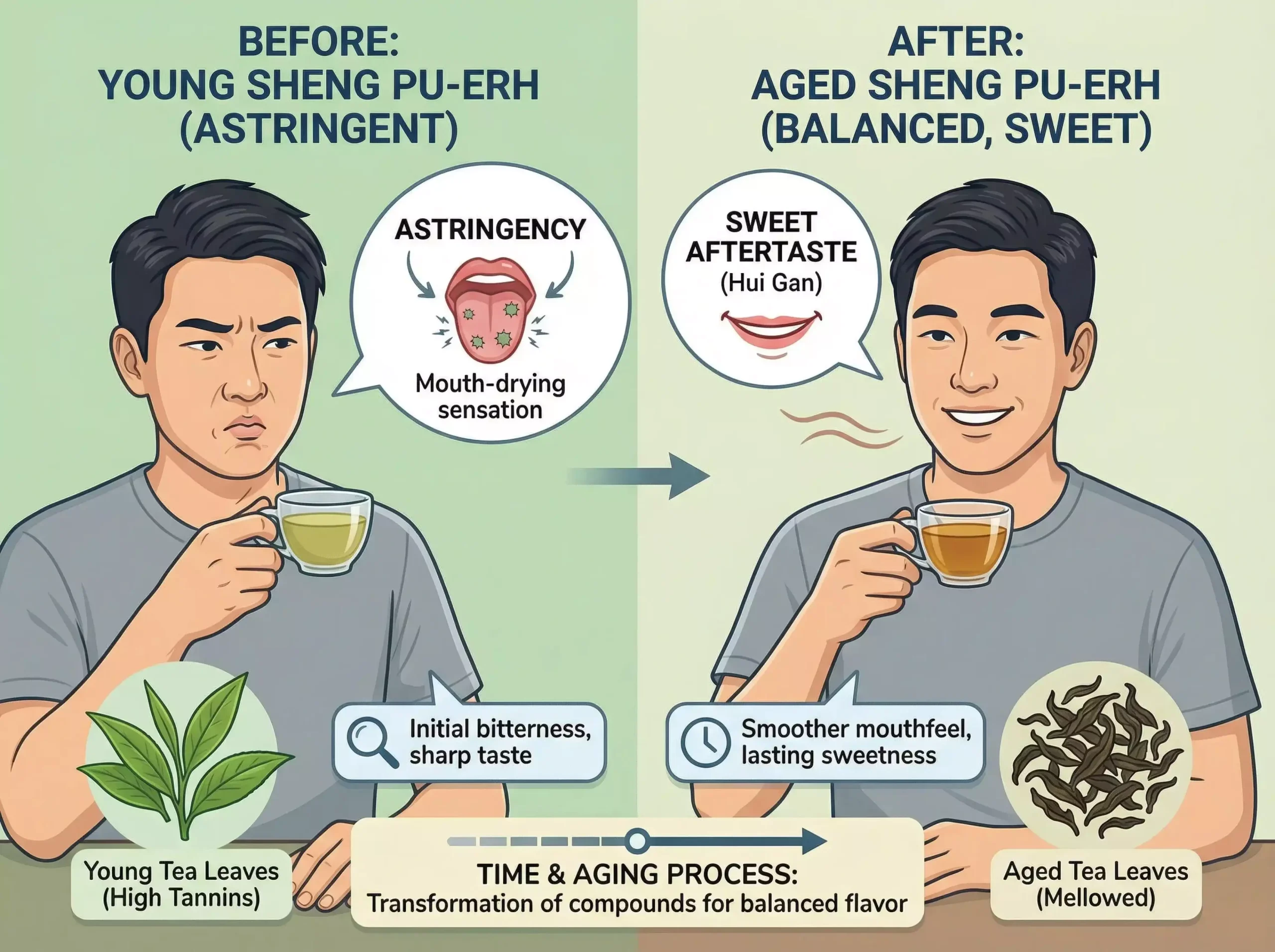
Astringency is the initial drying or puckering sensation that swiftly transitions to smoothness or sweetness. A well-crafted tea balances astringency to spark interest without causing discomfort.
What is Suo Hou (Throat Lock)?
Suo Hou, a tea fault, refers to a scratchy, dry, or tight sensation in the throat, often caused by low-quality leaves or improper storage. High-quality teas avoid this unpleasant effect.
Brewing for Optimal Tasting
To maximize flavor and sensory qualities, brew correctly: Use 2g of Pu-erh in a 300ml cup at 95-100°C for 2-4 minutes. For green tea, steep at 80-85°C for 1-2 minutes to preserve delicate flavors. Learn more in our How to Brew Gongfu Tea guide.
How to Train Your Tongue for Tea Tasting
Begin your tea-tasting journey simply: sip, compare, and repeat. Taste two teas side by side, noting sweetness, smoothness, and aftertaste. For deeper insights, explore regional flavor differences in our The Ancient Tea Soul of Menghai.
“A truly fine tea doesn’t shout—it lingers gently long after it’s gone.” — Tea Master Li
Dive into our Tea Tasting Mastery Series »
“This guide helped me discover Pu-erh’s depth!” — Sarah, Tea Enthusiast
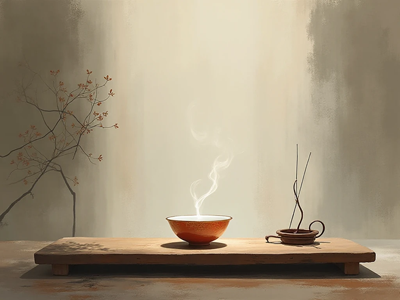
Beyond the Palate: Mastering the Atmosphere
Mastery is a journey of layers. Discover how incense acts as a silent partner to tea, anchoring your ritual in ancient Zen traditions.
Read the Pairing GuideFrequently Asked Questions
What is the difference between Hui Gan and Throat Yun?
Hui Gan is the returning sweetness that rises from bitterness on the palate, while Throat Yun is a deeper, rhythmic warmth and resonance felt in the throat and chest after swallowing. Both indicate high-quality tea, but Yun is more holistic and lingering.
How can I experience Sheng Jin in tea?
Sheng Jin (saliva induction) creates a moist, refreshing mouthfeel. It's prominent in fresh green teas or premium Pu-erh—sip slowly and notice increased salivation signaling vitality.
Why do some teas cause Suo Hou (throat lock)?
Suo Hou is an unpleasant dry, scratchy throat sensation, often from low-quality leaves, poor storage, or pesticides. Avoid it by choosing reputable sources like ancient tree Pu-erh.
How does Aroma Cling (Gua Bei) relate to tea quality?
Longer-lasting fragrance on the empty cup indicates rich essential oils and superior processing. Test by smelling the cup minutes after pouring—persistent aromas mark excellent teas.
Can beginners feel these advanced sensations?
Yes, with practice! Start with high-quality Pu-erh or oolong, brew Gongfu style, and focus on one sensation per session. Side-by-side tasting accelerates progress.