Training Your Tea Palate: A Beginner's Guide
Sipping tea is often a moment of comfort or habit, but tasting tea is an art form—a mindful ritual that awakens your senses and deepens your connection to each leaf. If you’ve ever wondered how to distinguish a delicate green tea from an earthy pu-erh, this beginner’s guide is your starting point. Through simple techniques and playful exercises, you’ll learn to explore tea’s flavors, aromas, and stories, transforming every cup into a journey of discovery.
Tea Drinking vs. Tea Tasting
Drinking tea is about warmth, relaxation, or a quick pause in your day—a soothing ritual. Tea tasting, however, is an intentional exploration, like savoring a fine wine or decoding a piece of music. It’s about noticing the subtle hues of the liquor, the texture of the leaves, the layers of aroma, and the evolution of flavor across sips. Tasting sharpens your palate, training it to recognize and remember the unique character of each tea, from a vibrant green to a robust black.
Step-by-Step: How to Train Your Palate
Building a refined tea palate is like learning a new language—it takes practice, curiosity, and patience. Follow these steps to begin:
- Choose Contrasting Teas: Start with two distinct teas, such as a fresh Longjing green tea (grassy, bright) and an aged Sheng Pu-erh (earthy, complex). Brew them side by side using identical water temperature (e.g., 85°C for green, 95°C for pu-erh) and steeping time (30–60 seconds) for a fair comparison.
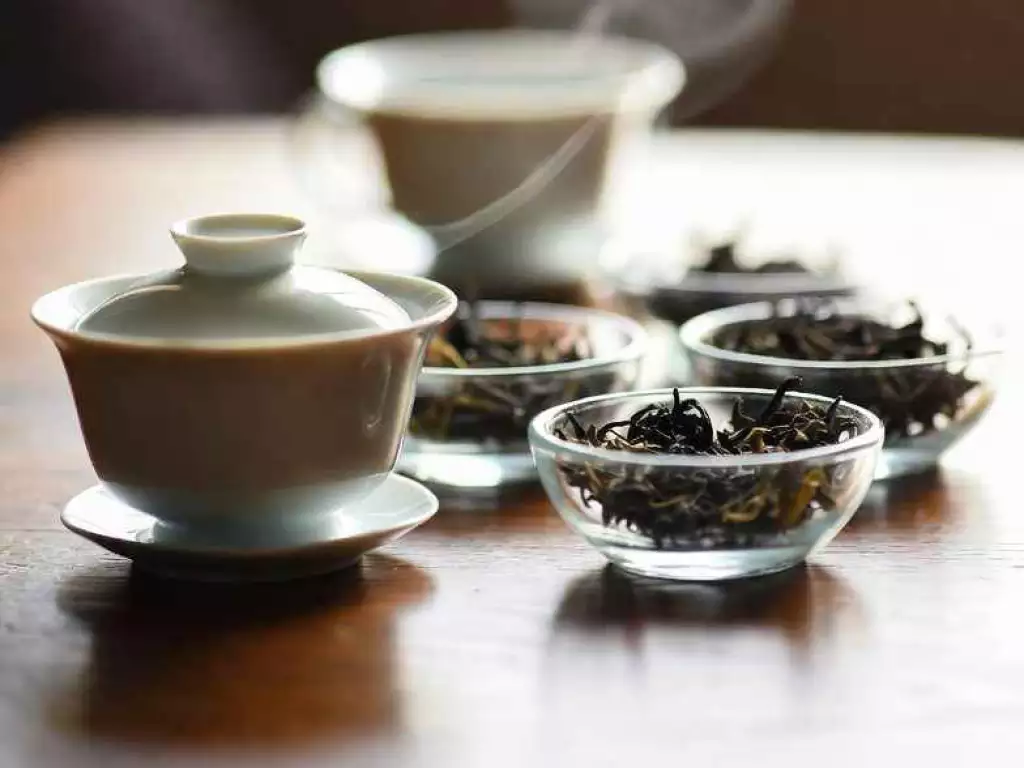
- Examine the Dry Leaves: Look closely at the leaves’ shape, size, and color. Are they tightly rolled like oolong pearls or flat like white tea buds? Smell them dry—do you detect grassy, floral, or woody notes?
- Observe the Liquor: Pour the brewed tea into white porcelain or glass cups to compare color and clarity. Is one tea pale green, another golden or ruby-red? A clear liquor often signals quality, while cloudiness may suggest over-steeping.
- Inhale the Aroma: Before sipping, bring the cup close and take a slow, deep breath. Notice sharp, sweet, or roasted scents. Compare the dry leaf aroma to the brewed tea’s fragrance for evolving nuances.
- Sip Mindfully: Take a small sip and let it roll across your tongue—tip, sides, and back. Is it sweet, bitter, umami, or astringent? Does the flavor shift as you swallow? Pause to feel the aftertaste.
- Record Your Impressions: Jot down your thoughts in a notebook, using simple words that feel natural. Describe the tea as “toasted rice,” “velvety,” or “citrus zest.” Over time, these notes will help you track patterns and refine your palate.
The Five Sensory Gates of Tasting
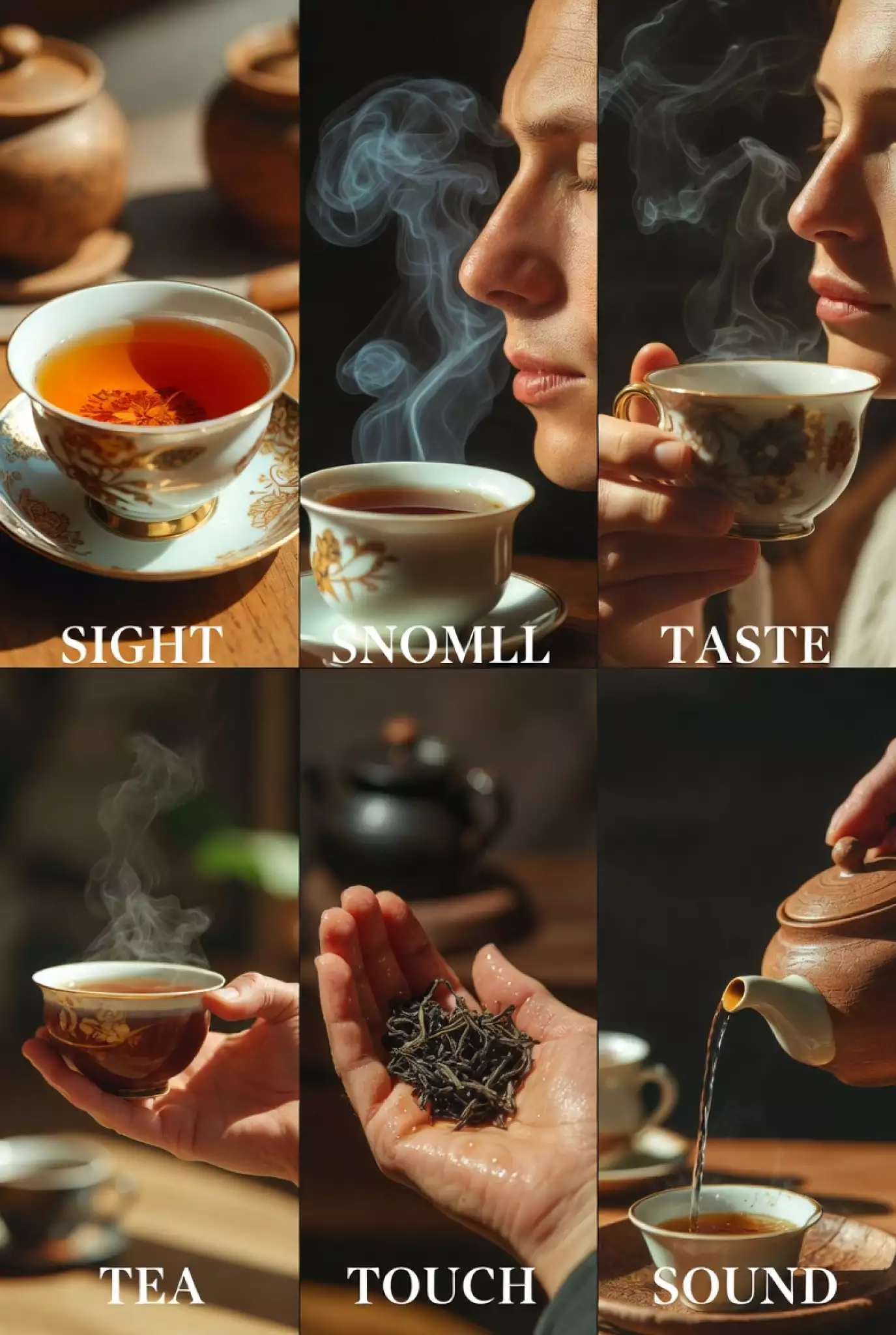
Tea tasting engages all five senses, each revealing a layer of the tea’s story. Here’s how to approach them:
- Color: The liquor’s hue—bright, pale, or deep—hints at the tea’s oxidation, age, or roasting level. A golden Dian Hong or a jade-green Sencha sets the stage for what’s to come.
- Aroma: Smell is a gateway to the tea’s soul. Inhale the dry leaves for initial notes, the wet leaves for deeper terroir, and the brewed tea for its full bouquet—floral, fruity, or earthy.
- Taste: Explore the flavor spectrum: sweetness (like honey in Dian Hong), bitterness (common in young Sheng Pu-erh), acidity (as in Darjeeling), or umami (found in Gyokuro). Notice how flavors evolve over multiple sips.
- Mouthfeel: Feel the tea’s texture—is it silky, creamy, dry, or puckering? A thick, oily mouthfeel (like Shu Pu-erh) contrasts with a crisp, light one (like Baozhong).
- Finish (Hui Gan): The aftertaste, or hui gan (回甘, pronounced 'hway-gan'), is a hallmark of quality teas. This “returning sweetness” lingers, especially in oolongs or pu-erhs, leaving a lasting impression.
Fun Practice: The Blind Tasting Game
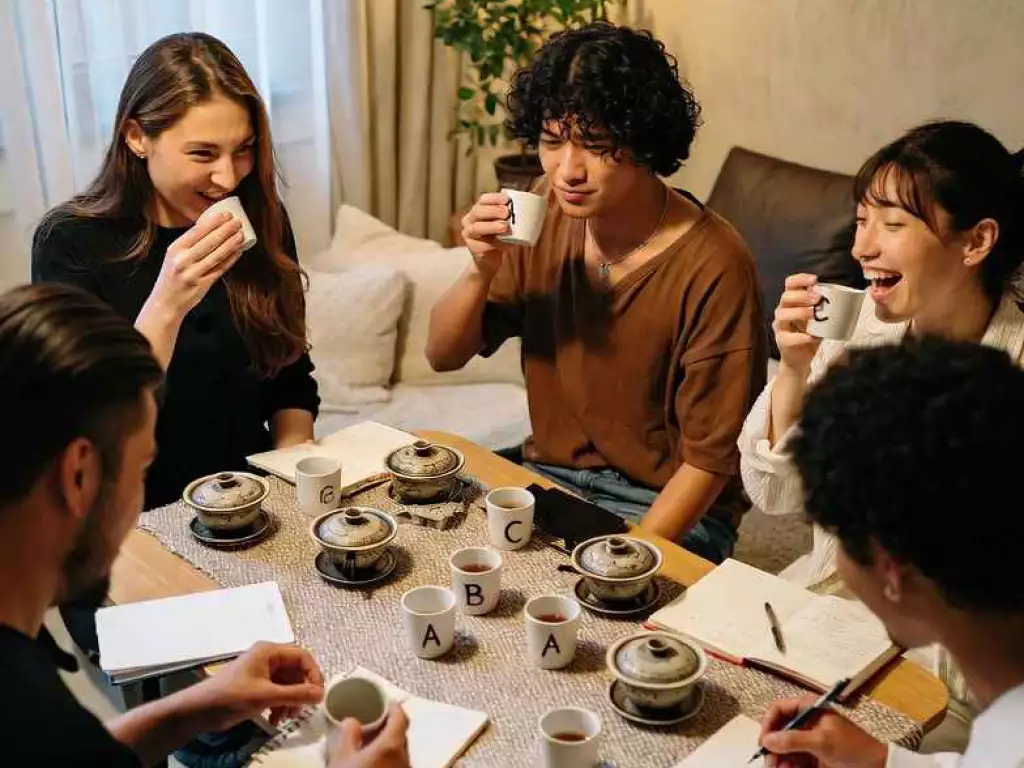
Turn tea tasting into a playful challenge with a blind tasting game. Gather friends and have one person prepare three mystery teas, labeled only as A, B, and C. Brew them without revealing their identities, then taste and compare. Can you guess their categories (green, black, oolong, pu-erh) or origins (Darjeeling vs. Yunnan)?
Take notes on color, aroma, taste, and mouthfeel, then share your impressions as a group. The absence of labels sharpens your senses, revealing how much you can discern through taste alone. It’s a fun way to deepen your palate and spark lively discussions.
Final Thought
Training your tea palate is less about expertise and more about curiosity and presence. Each cup is an invitation to pause, observe, and connect with the leaf’s journey—from misty mountains to skilled artisans’ hands. With practice, your palate becomes a guide, tracing stories of terroir and tradition in every sip. Start small, taste often, and let the tea lead the way.
Discover our Tea Tasting Series to deepen your journey.
❓ Frequently Asked Questions
How long does it take to train a tea palate?
It varies! With regular practice (2–3 times a week), beginners often notice improvements in 1–3 months. Consistency and curiosity are key—focus on enjoyment rather than perfection.
Do I need special tools for tea tasting?
No—start with what you have: a white cup for color, a notebook, and good water. A gaiwan or small teapot helps for multiple infusions, but a simple mug works fine.
Why does some tea taste bitter to me?
Bitterness is common in young greens or pu-erh and often signals quality (like in fine chocolate). It usually fades into sweetness (hui gan) with better brewing or as your palate adjusts.
Can I train my palate with tea bags?
Yes, for basics! Tea bags are convenient for contrasting flavors, but loose-leaf offers more nuance as you progress.