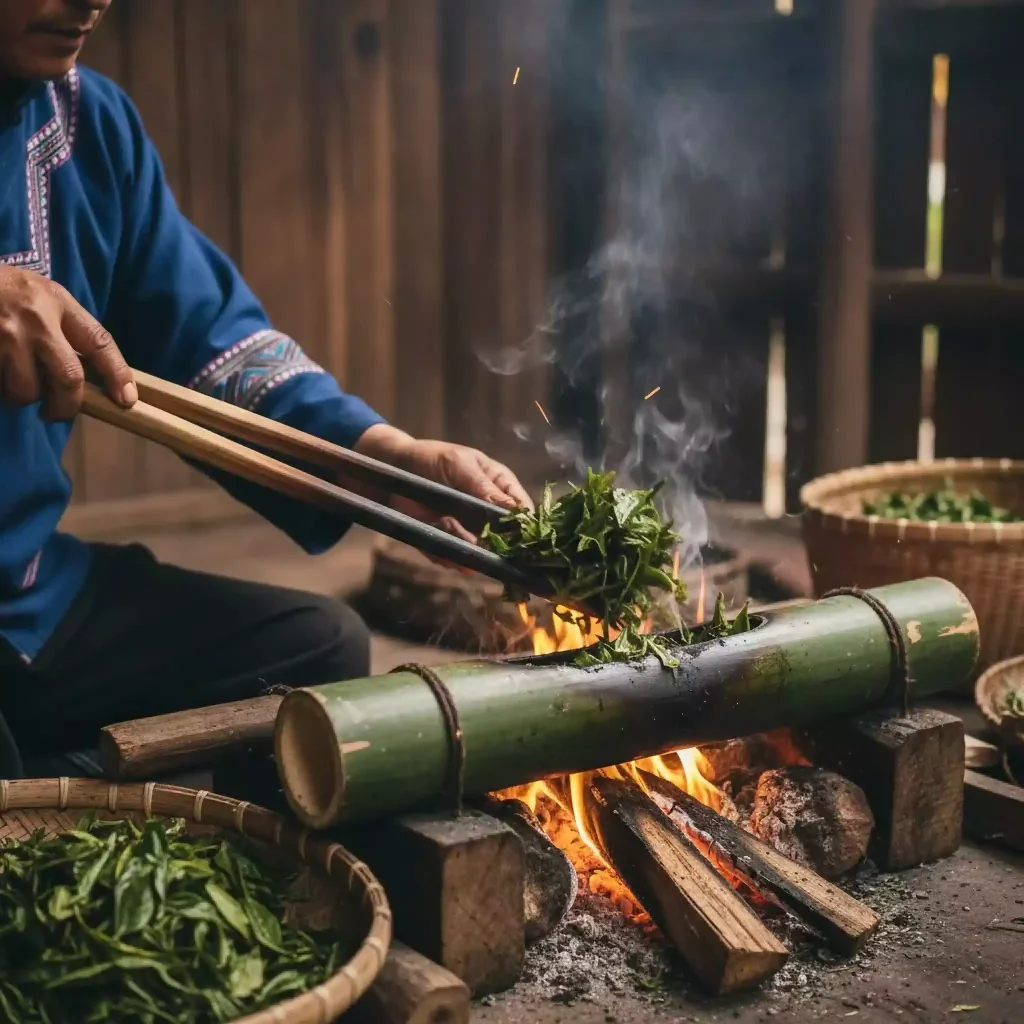
Tasting High-Mountain Teas: Altitude and Aroma
By Adrian
High-mountain teas, grown above 1,000 meters in misty terrains, are prized for their exquisite aromas and flavors, distinct from lowland teas. Altitude slows leaf growth, producing denser leaves and richer aromatic compounds. This article explores how elevation shapes high-mountain teas, focusing on Sheng Pu-erh and Shai Hong from Menghai, Yunnan, where tea mountains often exceed 1400 meters, yielding vibrant, complex profiles. For tasting techniques, see Training Your Tea Palate.
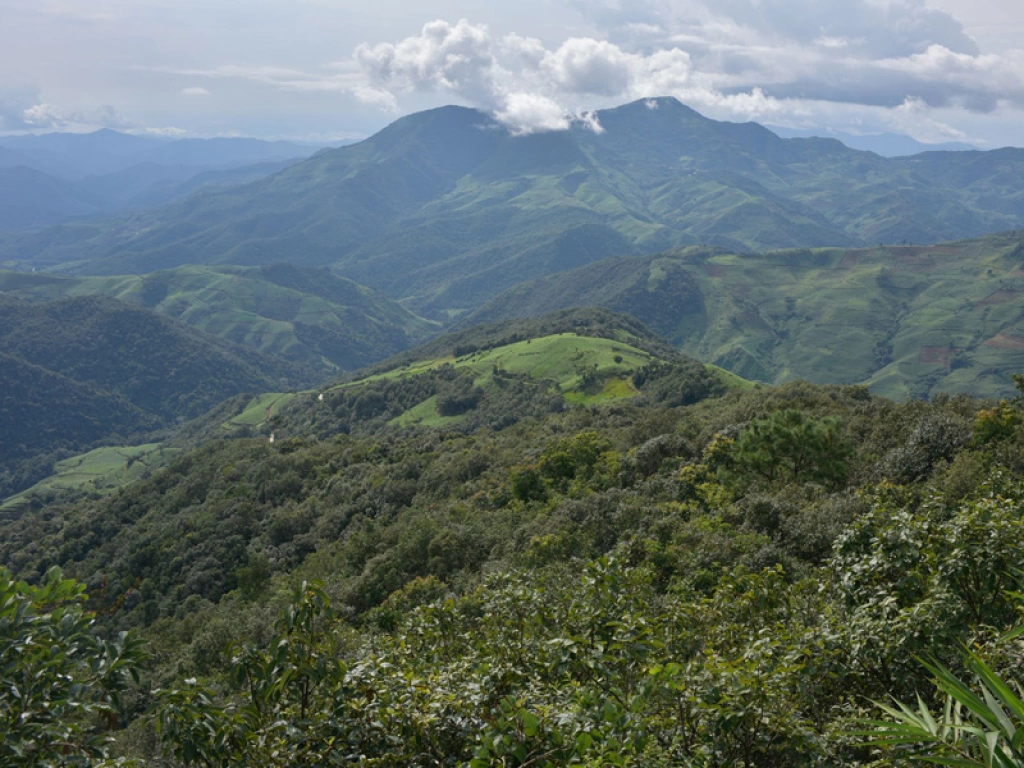
1. How Altitude Affects Tea Plants
At high elevations, cool temperatures and enveloping mists slow tea plant growth, concentrating flavors and aromas into nuanced profiles. Thinner air and increased UV radiation boost polyphenols and amino acids, enhancing complexity and health benefits. Slower maturation produces denser leaves with sweeter, umami-rich flavors and less bitterness. High altitudes also reduce pest issues naturally, minimizing pesticide use, while rocky soils and superior drainage foster strong roots. In Menghai, Yunnan, where elevations like Mengsong (2219m) and Pasha Mountain (1600–1800m) thrive, these conditions create exceptional Sheng Pu-erh and Shai Hong, favored by SteepedRoots for their vibrant quality. Learn more at TeaVivre: High-Mountain Tea.
Scientific Insight: Studies show high altitude inhibits catechin (bitter polyphenol) synthesis while boosting free amino acids and floral/fruity aroma compounds due to cooler temps and stronger UV.
Sources: Food Research International, 2022 | Frontiers in Plant Science, 2023 | PMC: High Mountain Tea Quality, 2022
2. Unique Aroma Profiles of High-Mountain Teas
High-mountain teas captivate with fresh, floral, and sometimes fruity aromas, from delicate sweetness to vibrant notes of orchids, honey, or ripe fruit. In Menghai’s Sheng Pu-erh, high altitude imparts a crisp, vegetal aroma with hints of wild flowers and honey, evolving into woody depth with age. The misty conditions concentrate volatile compounds, creating a clean, lingering fragrance less grassy than lowland teas. Shai Hong, a sun-dried red tea, offers sweet, malty aromas of dried fruit or caramel with a subtle floral undertone. Elevations above 1400 meters intensify these aromas without sharp bitterness, ideal for multiple infusions. Learn more at Seven Cups: Tea Aroma.
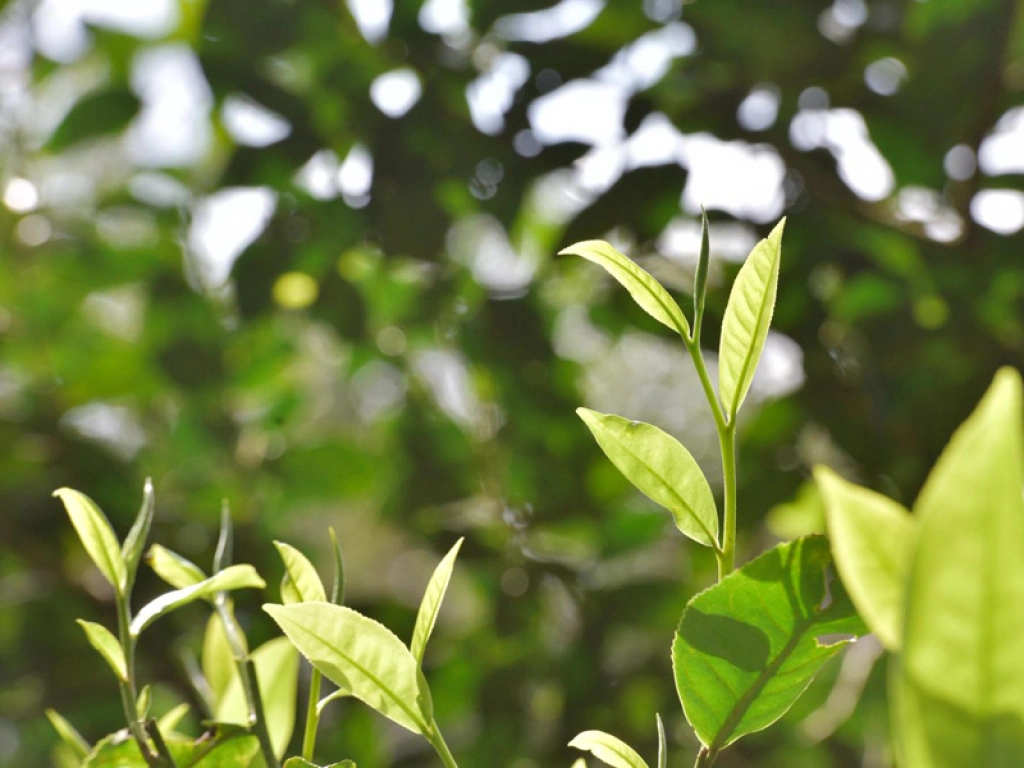
3. Flavor Characteristics
High-mountain teas deliver a smooth, mellow body with balanced sweetness and bright acidity. Their complex flavors—floral, creamy, or fruity—finish with a lingering aftertaste. In Menghai’s Sheng Pu-erh, high altitude yields vibrant notes of fresh grass and citrus, softening into honeyed depth with low bitterness, thanks to UV stress adaptation. Nutrient-rich, well-drained soils create a thick mouthfeel. Shai Hong offers malty, fruity richness with hints of dried plum and chocolate, balanced by subtle acidity. These qualities, enhanced by misty weather, make high-mountain teas less astringent and ideal for multiple infusions. See The Influence of Weather on Tea Enjoyment for more on weather’s role.
4. Tasting Tips for High-Mountain Teas
To savor high-mountain teas like Sheng Pu-erh and Shai Hong, brew mindfully: Use water at 85–90°C (185–194°F) to preserve delicate aromas, preventing scorching. Try multiple short infusions—10–15 seconds for Sheng Pu-erh’s floral notes, 20–30 seconds for Shai Hong’s malty sweetness—to explore evolving flavors. Inhale the aroma deeply before sipping to capture its fragrance. Note the silky, smooth mouthfeel, a gift of slow-grown, dense leaves. For more tasting guidance, see Tea Guardian: How to Taste Tea.
5. Conclusion
High-mountain teas, shaped by misty peaks and slow-grown leaves, offer a sensory journey through vibrant aromas and flavors. Tasting these teas mindfully honors nature, the stewardship of tea farmers, and the artistry of regions like Menghai. Brew with care, savor each sip, and connect with the storied origins of Sheng Pu-erh and Shai Hong.
Frequently Asked Questions: High-Mountain Teas
Generally, teas grown above 1,000–1,200 meters in misty, cool mountain environments are considered high-mountain teas. The slower growth and intense natural conditions produce more complex aromas and flavors compared to lowland teas.
Cooler temperatures and diffuse light from frequent mist slow metabolism, allowing greater accumulation of aromatic volatile compounds. Increased UV radiation also stimulates production of floral and fruity precursors.
Yes, typically. High altitude reduces the synthesis of bitter catechins while increasing amino acids, resulting in a naturally sweeter, smoother profile with prominent hui gan (sweet aftertaste).
Use 95–100°C water and start with shorter infusions (5–10 seconds). The tea reveals honeyed, fruity layers over multiple steeps without becoming astringent.
Not infinitely—optimal quality is usually found between 1,400–2,200 meters in Yunnan. Above certain thresholds, yields drop dramatically and extreme conditions can stress plants too much.
Continue Your Tea Journey
- Sharpen your tasting skills in Training Your Tea Palate: Beginner’s Practice Guide.
- Learn how weather enhances tea flavors in The Influence of Weather on Tea Enjoyment.
- Explore water’s role in tea in Water: The Hidden Force Behind Every Great Cup of Tea.
- Dive into Yunnan’s tea culture with People of Menghai.
- High-Altitude Tea: How Elevation Reshapes Every Leaf and Bud