Why Raw Pu-erh Smells So Wild: The Science Behind the Misunderstood Aroma
Raw Pu-erh isn’t muddy, earthy, or fishy. It’s a living symphony of orchids, honey, and ancient forest. Let’s uncover the science of its true fragrance—and why so many get it wrong.
Walk into any tea forum or Quora thread, and you’ll find the same refrain: “Pu-erh smells like mud.” “It’s earthy, fishy, dark.” These labels have stuck for decades, shaping how the world perceives one of China’s most complex teas. But they’re not just wrong—they’re a profound misunderstanding of Raw Pu-erh (Sheng), especially when made from ancient trees.
The truth is far more vibrant: Raw Pu-erh is one of the most aromatic teas on earth. Its fragrance rivals the finest oolong or Darjeeling, evolving from wild orchid to aged sandalwood over decades. So why the confusion? Let’s trace the roots of the myth—and reveal the science behind the real aroma.
The Root of the Misunderstanding: Three Sources of Aroma Confusion
Most negative perceptions of Pu-erh aroma stem from three preventable factors. Understanding them is the first step to appreciating the tea’s true character.
| Source of Misunderstanding | What Actually Happens | Impact on Aroma |
|---|---|---|
| 1. Ripe Pu-erh (Shou) Confusion | Wet-piling fermentation creates earthy, woody, mushroom-like notes intentionally. | People assume all Pu-erh is earthy. Raw Pu-erh never undergoes wet-piling. |
| 2. Poor Storage | High humidity (>70%) + poor ventilation → mold, bacterial growth, off-odors (fish, wet cardboard). | Even high-quality leaves develop rancid smells. This is not inherent to the tea. |
| 3. Low-Grade or Industrial Leaf | Factory scraps, summer/autumn pluck, or over-oxidized leaves used in mass production. | Dull, bitter, or stale base aroma—no floral or fruity top notes to begin with. |
These three factors account for over 90% of “bad Pu-erh” experiences. Remove them, and you reveal a tea that smells like a high-altitude jungle in bloom.
The Science of Raw Pu-erh Aroma: A Living Chemical Symphony
Raw Pu-erh’s fragrance isn’t magic—it’s chemistry. Ancient-tree leaves, grown in biodiverse Yunnan forests, accumulate a rich profile of volatile organic compounds (VOCs) during growth and post-fermentation aging.
Key Finding (Journal of Agricultural and Food Chemistry, 2023): High-elevation ancient-tree Raw Pu-erh contains 21+ aroma-active compounds, including:
- Linalool → wild orchid, citrus blossom
- β-Ionone → violet, raspberry
- Hexanal → fresh-cut grass, green apple
- β-Damascenone → honey, stewed fruit
These rival the complexity of top Tie Guan Yin or first-flush Darjeeling.
But the magic happens over time. As Raw Pu-erh ages in dry, clean conditions, Maillard reactions and slow oxidation transform sharp green notes into deep, resinous, woody ones—without ever losing clarity.
Aroma Evolution: The Lifecycle of Ancient-Tree Sheng
The fragrance of Raw Pu-erh is not static. It evolves in distinct phases, each revealing new layers of the tree’s terroir and age.
| Age | Dominant Aroma Family | Signature Notes | Best Enjoyed |
|---|---|---|---|
| 1–3 years | Fresh, green, floral | Wild orchid, green bamboo, peach skin, cut grass | Gongfu style, 90–95°C, short infusions |
| 5–10 years | Floral-fruity transition | Lotus, longan, raw honey, light camphor | Medium infusions, 95°C, clay or porcelain |
| 10–20+ years | Woody, resinous, deep | Aged sandalwood, mushroom-tinged plum, forest resin, dark honey | Long steeps, 100°C, Yixing clay preferred |
Each phase is a snapshot of the tree’s life: from spring sap to century-old roots. This is why ancient-tree Raw Pu-erh is considered a “living tea”—its aroma breathes, changes, and deepens with time.
How to Experience the True Aroma: A 3-Step Sensory Guide
Forget preconceptions. Here’s how to meet Raw Pu-erh on its own terms.
- Smell the dry leaf: Warm the gaiwan. Inhale deeply. You should detect floral, fruity, or green notes—no dampness, no fish.
- Observe the first rinse: The “wash” releases trapped volatiles. A clean, sweet aroma rising with steam is a hallmark of quality.
- Brew and compare infusions: The first 3–5 steeps should evolve—never collapse into bitterness or staleness.
Pro tip: Use a white porcelain gaiwan. It reveals aroma without interference. Avoid metal or heavily seasoned clay for young sheng.
Storage: The Silent Guardian of Aroma
Raw Pu-erh’s fragrance is fragile. Humidity above 70% is the enemy. In damp environments, Aspergillus and Penicillium molds produce trimethylamine—the compound responsible for “fishy” odors.
Ideal storage:
- Temperature: 20–28°C
- Humidity: 50–65%
- Airflow: Gentle, clean, indirect
- Light: Dark
- Odor: Neutral (no incense, kitchen, or chemicals nearby)
Frequently Asked Questions: Pu-erh Aroma Science
Why does some Pu-erh tea smell fishy?
A fishy smell is almost always a sign of poor storage or improper fermentation. In high humidity environments, microbes can produce volatile compounds like trimethylamine, which creates a fishy odor. High-quality Raw Pu-erh should never smell fishy.
Is the 'smoky' aroma in Raw Pu-erh a defect?
Not necessarily. Some smokiness can come from the traditional pan-firing process (kill-green) over wood fires. While excessive smoke can mask terroir, a light, 'camphor-smoke' note is highly prized in certain regions like Menghai.
Why does my aged Pu-erh smell like a basement?
This 'basement' smell is often 'wet storage' aroma. If a tea is stored in an environment with high humidity and poor airflow, it develops a damp, earthy, or musty smell. Clean 'dry storage' aged Pu-erh should smell like sandalwood or dried fruit.
Conclusion: Aroma as Memory, Not Myth
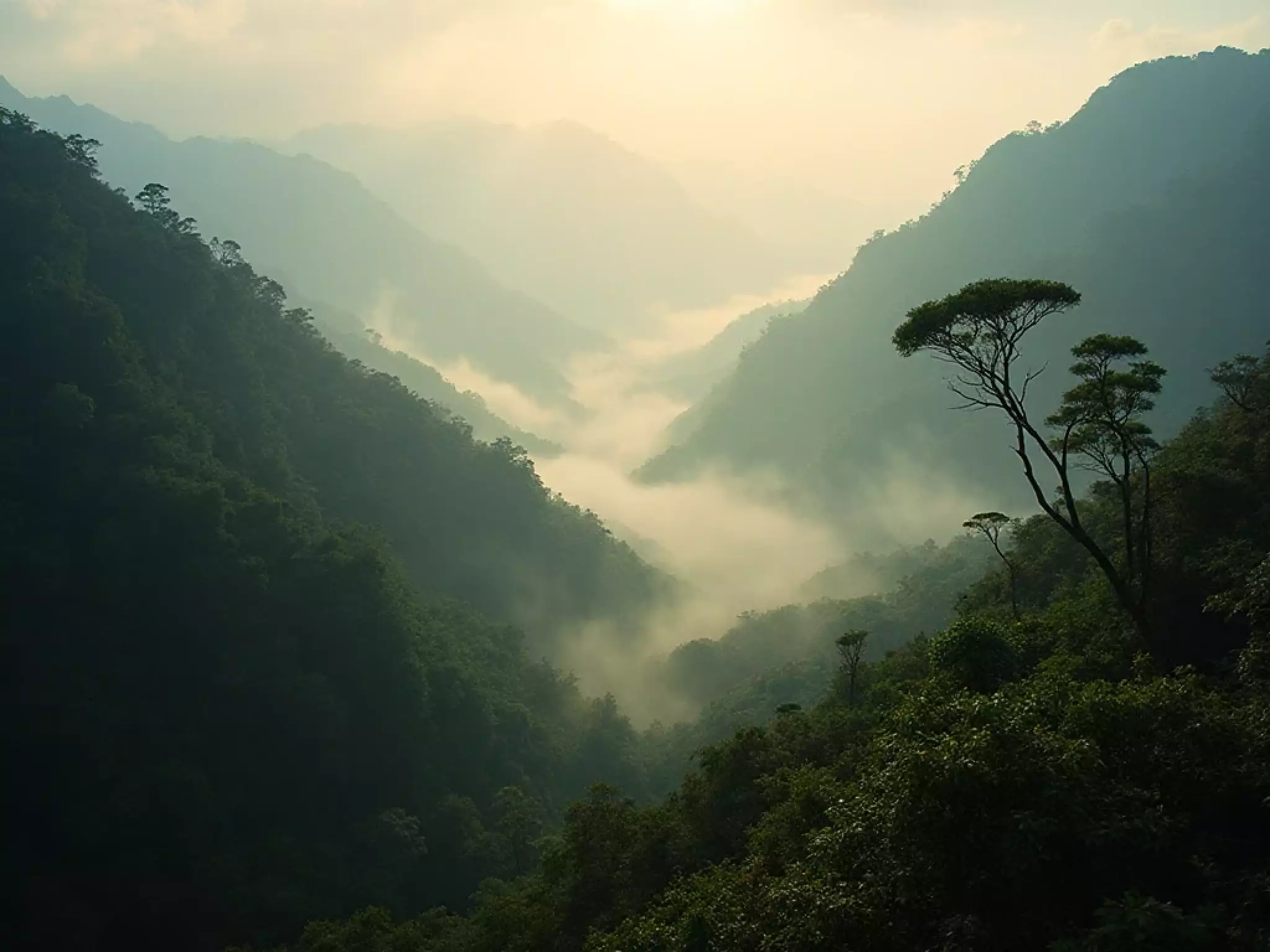
Raw Pu-erh doesn’t smell like mud or fish. It smells like place: a 1,000-meter misty ridge, a 200-year-old root system, a decade of monsoon and sunlight distilled into a single breath.
The myths persist because most people have never smelled real Raw Pu-erh—only its wounded, misunderstood cousins. But when you finally inhale a 7-year Yiwu or a 15-year Bulang, something shifts. You’re not just smelling tea. You’re smelling time.
Further Reading
- 👉 What is Pu-erh Tea? The Complete Guide
- 👉 Overview of Black Tea Worldwide
- 👉 Yunnan Sun-Dried Tea: Ma Jinhua’s Craft
About Steeped Roots: We explore tea not as commodity, but as living history—through science, craft, and quiet contemplation.
Watch the hidden chemistry behind Raw Pu-erh's wild fragrance — filmed on location in Yunnan.