
How Terroir Shapes Tea Flavor
Introduction: The Role of Terroir in Tea
Terroir refers to the unique combination of geography, climate, soil, and cultural practices that influence the flavor of agricultural products. For tea, terroir plays a vital role in shaping the aromas and tastes of the final brew. Yunnan, known for its exceptional teas like Pu'er, benefits from its unique terroir. The region’s geography, altitude, ecosystems, and cultural reverence for tea contribute to the distinctive flavors of its tea.
Yunnan's Geographical Advantage
Yunnan's location in southwestern China, near the Tropic of Cancer, offers diverse microclimates. The region's topography, with valleys and mountains over 3,000 meters high, creates variations in weather and soil. This diversity impacts the flavors of its teas. Unlike Assam, which is flat and humid, or Darjeeling, which is cooler, Yunnan's varied geography produces bold, complex teas with rich profiles.
Yunnan’s proximity to the Himalayas also brings monsoon rains and dry seasons, which influence tea growth. This contrasts with Sri Lanka's more consistent rainfall, creating different flavor characteristics. Historically, Yunnan’s position along the Tea Horse Road helped embed tea into its cultural fabric, creating a deep connection with the land.
The Importance of Altitude
Altitude plays a critical role in the development of Yunnan teas. Many tea gardens are located between 1,200 and 2,000 meters above sea level. Higher altitudes cause slower growth, which allows the tea leaves to develop more complex flavors. The cooler temperatures and temperature fluctuations stress the plants, increasing the concentration of amino acids, polyphenols, and aromatic compounds that shape the flavor.
High-altitude environments also receive intense sunlight, often tempered by mists and clouds, which improves the sweetness and umami of the tea. These characteristics give Yunnan teas their distinctive profiles compared to those grown in lower-altitude regions.
Ecology and Soil Diversity
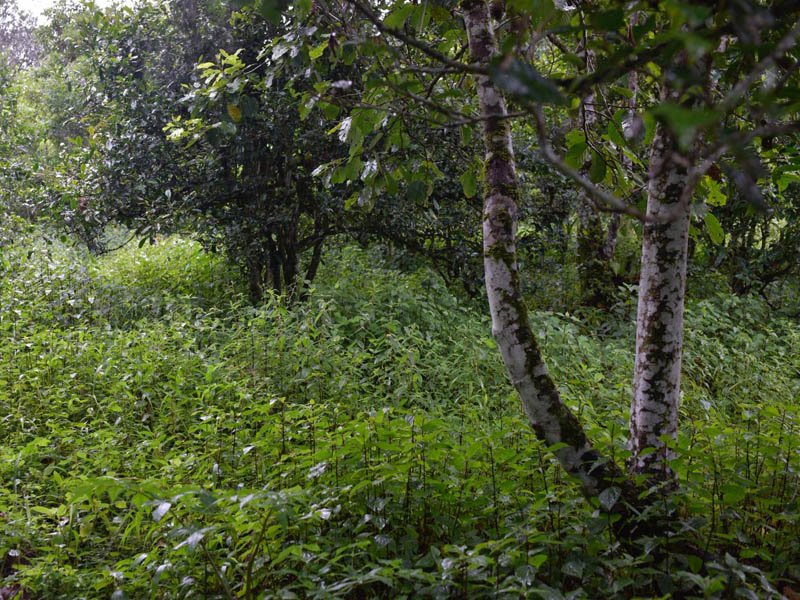
Yunnan’s ecological diversity influences its tea flavor. The province is one of the most biodiverse regions in the world, supporting a range of ecosystems. This richness creates a unique microbial environment in the soil, essential for teas like Pu'er that undergo fermentation. The soils in Yunnan vary, from iron-rich red soils to loamy volcanic soils. These minerals shape the tea’s profile, contributing to earthy, robust flavors in some areas and smooth, velvety textures in others.
The surrounding forests regulate humidity and support pollinators, creating a balanced ecosystem. This natural environment allows the tea trees to thrive without synthetic pesticides or fertilizers, ensuring pure, unadulterated flavors.
Cultural Reverence for Tea Trees
Yunnan’s tea culture is deeply rooted in respect for nature. Many local ethnic groups, such as the Dai and Bulang, revere ancient tea trees, considering them sacred. These “tea ancestors” are believed to embody cultural heritage and are cared for with great reverence. Traditional farming practices, such as intercropping with other native plants, help maintain ecological balance and soil health.
Local communities ensure the protection of tea-growing regions by avoiding deforestation and industrialization. This commitment to environmental stewardship ensures that the tea trees grow in a pristine, natural environment that enhances the quality of the tea.
How Terroir Affects Tea Flavor
Yunnan’s terroir, shaped by its geography, altitude, and ecology, results in teas with remarkable complexity. High-altitude raw Pu'er teas are known for their floral, sweet, and slightly astringent notes, while lower-altitude teas like those from Menghai are bolder and earthier. The unique microbial fermentation in Pu'er further enhances these flavors, resulting in deep, rich profiles with notes of forest floor, leather, and dark chocolate.
By avoiding chemical inputs, Yunnan teas retain their natural flavors, influenced by the region’s biodiversity. Tea trees absorb compounds from the surrounding environment, creating flavors that are unique to the land.
Conclusion
Yunnan's teas reflect the power of terroir in shaping flavor. The combination of the province's geography, altitude, ecology, and cultural reverence for tea results in teas of unmatched complexity and quality. Sustainable farming practices and environmental protection ensure that Yunnan’s terroir continues to shine through in every cup of tea.
Terroir & Tea: Common Questions
What is the most important factor in tea terroir?
While all factors are linked, altitude is often considered the most influential. In Yunnan, tea grown at 1,200m–2,000m experiences cooler nights and more mist, which slows growth and concentrates flavor compounds like L-theanine.
Does soil type really change the taste of my cup?
Absolutely. For example, iron-rich red soil (common in Yunnan) often contributes to a more robust, "stony" mineral backbone, while volcanic soils can lead to a smoother, sweeter mouthfeel due to different mineral uptake by the roots.
How does biodiversity affect tea quality?
A biodiverse ecosystem provides natural pest control and a richer microbial environment in the soil. This is particularly vital for Pu'er, as healthy soil bacteria contribute to the natural fermentation process during aging.
Can I taste terroir in blended teas?
It is harder but possible. Single-origin or "Single Mountain" (Danzhu) teas showcase terroir most clearly. Blended teas focus on a consistent "house style" rather than the unique signature of one specific plot of land.
Continue Your Tea Journey
- Understanding Mixed Harvest, Single Plant, and Blended Puerh Tea
- Introduction to the Production Process of Raw Pu-erh Tea
- Detailed Guide to Dianhong Tea Production and Craftsmanship
- Detailed Guide to the Production Process of Ripe Pu-erh Tea
- Common Shapes of Pu-erh Tea and Their Pros and Cons
- Bada Mountain Tea Picker: My 10 Kilometers in Your Cup of Tea