
How to Choose Teaware 2026: Best for Green, Oolong, Pu-erh + Beginner Tips
Introduction
Teaware is more than just a tool for brewing and drinking tea—it’s an integral part of tea culture. The right teaware not only enhances the flavor of the tea but also elevates the ritual and aesthetic of the tea-drinking experience. Whether you're a beginner or a seasoned tea enthusiast, choosing the right teaware is crucial. This article explores how to select teaware based on tea types, brewing methods, and personal preferences, offering practical tips to help you craft the perfect tea experience.
At SteepedRoots, we've tested dozens of teaware pieces—from budget porcelain gaiwans to aged Yixing pots—while brewing Yunnan teas daily. The right vessel doesn't just brew tea; it reveals the leaf's story.
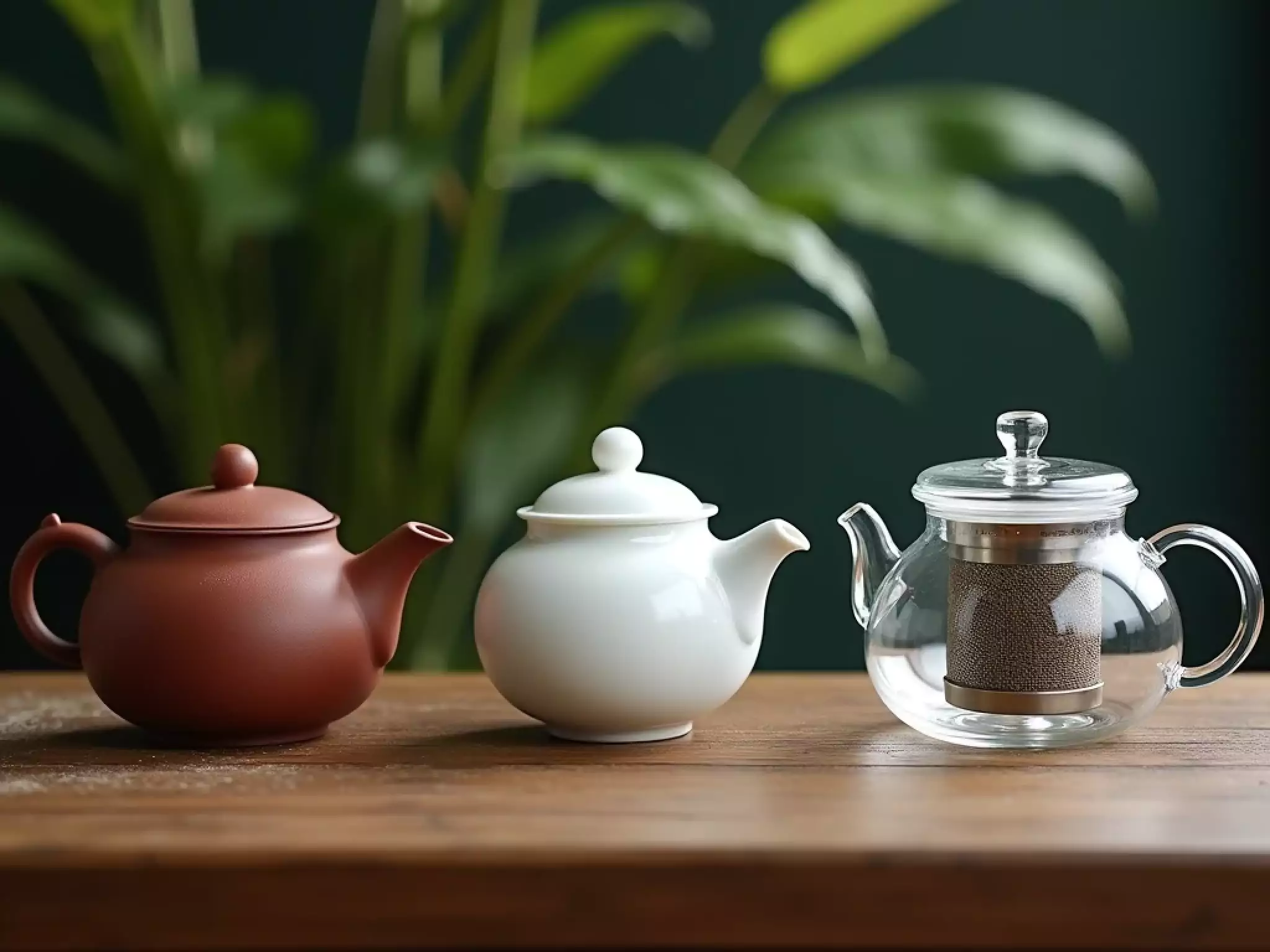
Basic Types of Teaware
Teaware comes in various forms, but the following are the most commonly used in the tea-drinking process:
- Teapot: Used for brewing tea, available in materials like purple clay (Yixing), porcelain, and glass.
- Teacup: Used for drinking tea, with material and shape affecting the presentation and mouthfeel.
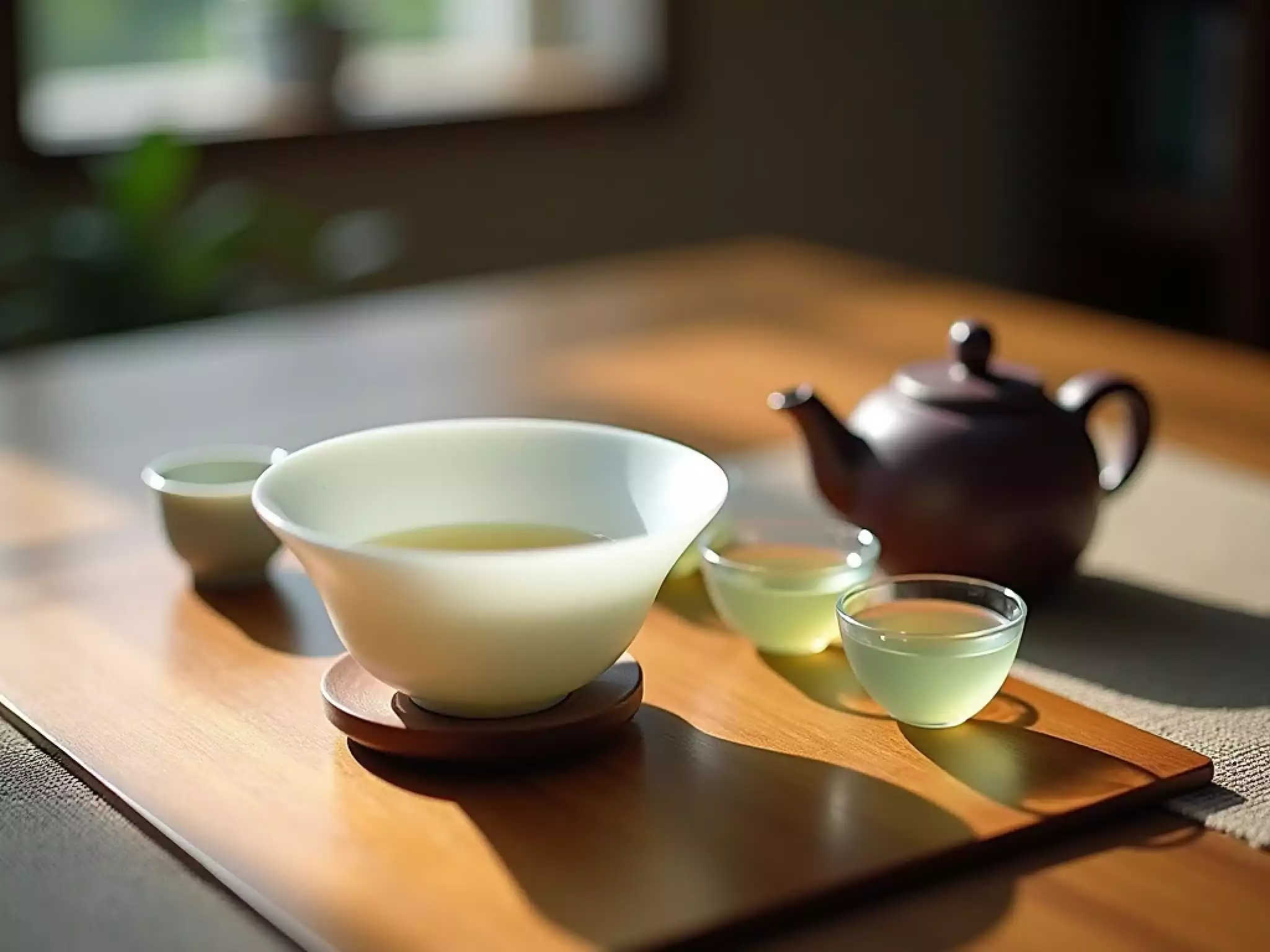
- Gaiwan: A lidded porcelain bowl ideal for brewing various teas, especially in gongfu tea ceremonies.
- Tea Tray: Holds teaware and catches spilled tea, keeping the table clean.
- Tea Strainer: Filters tea leaves to ensure a clear tea liquor.
- Fairness Cup (Gongdao Bei): Distributes tea evenly to ensure consistent flavor in every cup.
Each type of teaware and its material impacts the flavor presentation, so careful consideration is key when choosing.
Choosing Teaware Based on Tea Type
Different tea types (e.g., green tea, black tea, oolong tea, pu-erh tea) require specific teaware to bring out their best qualities. Here are some recommendations:
Green Tea
- Recommended Teaware: Glass cup or white porcelain cup
- Reason: Green tea is known for its fresh, delicate flavor. Glass cups showcase the clear, vibrant green of the tea liquor, while white porcelain cups highlight its bright color. Transparent or light-colored teaware is ideal for observing the tea’s color, a key aspect of tea tasting.
- Tip 1: Choose thin-walled porcelain or glass to allow quick cooling—green tea loses freshness if overheated past 80°C.
- Tip 2: Opt for a wide-mouthed cup to release grassy aromas immediately upon pouring.
- Tip 3: Avoid thick Yixing clay here; it retains too much heat and can mute delicate notes.
Black Tea
- Recommended Teaware: Porcelain teapot or large-capacity porcelain cup
- Reason: Black tea has a rich, sweet flavor. Porcelain teapots conduct heat evenly, fully releasing the tea’s aroma. Larger cups are ideal for appreciating black tea’s golden or amber liquor and maintaining its warm mouthfeel.
- Tip 1: Larger porcelain cups (150–250 ml) maintain warmth for slow sipping, enhancing malty sweetness.
- Tip 2: A spout with moderate curve prevents over-steeping during pour.
Oolong Tea
- Recommended Teaware: Purple clay teapot or gaiwan
- Reason: Oolong tea’s complex flavor lies between green and black tea. Purple clay teapots, with their porous structure, absorb tea aromas, enhancing the tea liquor’s depth. Gaiwans allow precise control over brewing time, highlighting oolong’s floral and fruity notes.
- Tip 1: For lightly oxidized oolongs, use porcelain gaiwan to preserve floral highs; for heavily roasted, Yixing adds depth.
- Tip 2: Small capacity (100–150 ml) supports 8–12 infusions—watch leaf expansion through the lid.
Pu-erh Tea
- Recommended Teaware: Purple clay teapot or gaiwan
- Reason: Pu-erh tea, especially ripe pu-erh, has a deep, earthy flavor. Purple clay teapots enhance its rich mouthfeel, while gaiwans suit raw pu-erh, emphasizing its crisp and slightly astringent qualities. Observing pu-erh’s reddish-brown or golden liquor is key to tasting, as detailed in Training Your Tea Palate: Beginner's Practice Guide.
- Tip 1: For raw (sheng) Pu-erh, thin porcelain gaiwan highlights crisp astringency; for ripe (shou), thicker Yixing smooths earthiness.
- Tip 2: Choose 200–300 ml pot for sharing—pair with 30–50 ml tasting cups to appreciate hui gan (sweet return).
Material Comparison Table
| Material | Heat Retention | Aroma Absorption | Best For | Cleaning | Beginner Friendly? |
|---|---|---|---|---|---|
| Porcelain | Medium (cools evenly) | None (neutral) | Green, white, black, testing | Easy, soap OK | Yes ★★★★★ |
| Purple Clay (Yixing) | High (long retention) | Yes (seasoning enhances) | Oolong, Pu-erh (dedicated use) | Rinse only, no soap | Intermediate ★★★☆☆ |
| Glass | Low (quick cool) | None | Green, floral, visual brewing | Easy | Yes ★★★★☆ |
Impact of Teaware Material
The material of teaware directly affects the tea liquor’s temperature, aroma, and mouthfeel. Here are the characteristics of common materials:
- Porcelain: Conducts heat evenly, does not absorb aromas, and is ideal for green tea, black tea, and white tea. White porcelain is especially suitable for observing tea liquor color, enhancing the tasting experience.
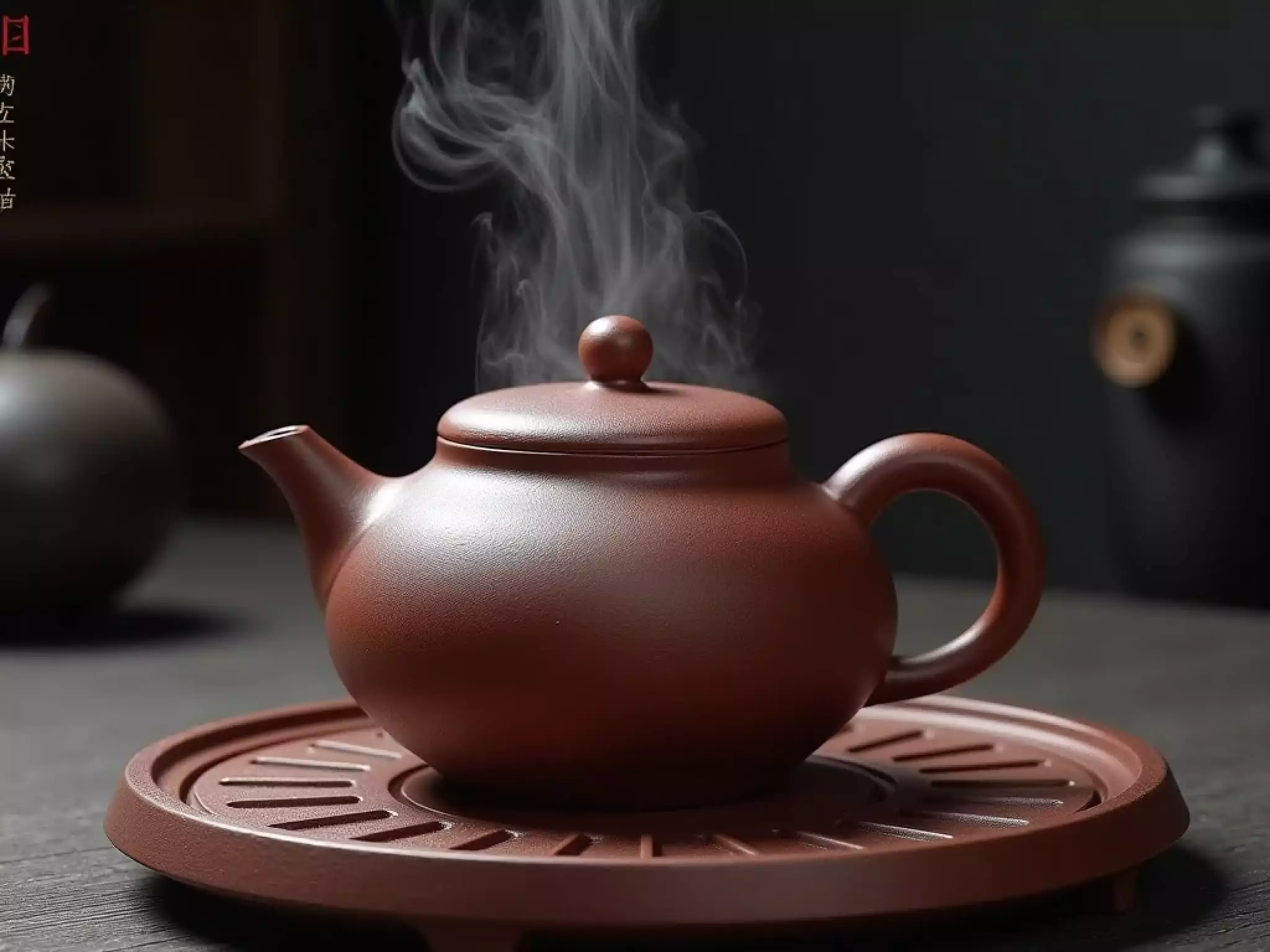
- Purple Clay (Yixing): Breathable, excellent for heat retention, and absorbs tea aromas, making it ideal for oolong and pu-erh. Using the same purple clay teapot for one tea type over time enhances flavor.
- Glass: Transparent, perfect for showcasing the tea liquor and leaves’ dynamic beauty, suitable for green tea and floral teas. However, glass has poor heat retention, less ideal for teas requiring high brewing temperatures.
- Ceramic: Stylistically diverse, suitable for daily use, but ensure the glaze is safe to prevent chemical leaching into the tea.
Tip: Beginners can start with porcelain or glass teaware, which are easy to clean and versatile. As tea-tasting experience grows, explore purple clay teapots for deeper flavor exploration.
Teaware Shape and Function
The shape of teaware affects both aesthetics and functionality:
- Teapot Spout: A long, curved spout allows precise water flow for controlled brewing; a wide spout is better for quick pouring to prevent over-steeping.
- Teacup Shape: Open-mouthed cups are ideal for releasing aromas (e.g., black tea), while narrow-mouthed cups retain aromas (e.g., oolong). Small-capacity cups (30-50 ml) are perfect for savoring subtle flavor changes on the tongue.
- Gaiwan Design: Gaiwans with slightly flared edges are easier to hold and pour, ideal for gongfu tea brewing.
When choosing teaware, prioritize shapes that match the brewing method and tea type. For example, gongfu tea requires compact gaiwans and teacups to support multiple infusions and detailed tasting.
Practical Tips: How to Start Choosing Teaware
- Start with a Small Set: Get a 100–150 ml porcelain gaiwan + fairness cup + 4 tasting cups (~$50–100). Perfect for solo gongfu practice.
- Prioritize Versatility: Porcelain or glass first—brew any tea without flavor crossover.
- Focus on Easy Cleaning: Avoid intricate carvings; thin walls cool faster and stain less.
- Budget Breakdown:
- $30–80: Basic porcelain gaiwan set (great starter)
- $80–200: Mid-range Yixing or hand-painted porcelain
- $200+: Authentic aged Yixing (for dedicated Pu-erh/oolong)
- Test Before Buying: If possible, visit a tea shop—pour hot water, feel grip, check spout flow (no dribble!).
- Check Spout & Lid Fit: Spout should pour smoothly without dripping; lid should sit securely but lift easily.
- Avoid Thick Walls for Delicates: Thick gaiwan stays hot too long—fingers burn by infusion 3.
- White Interior Matters: For gaiwan/cup, white inside helps judge liquor color accurately.
- Common Trap: Don't buy cheap "Yixing" fakes—look for natural gritty texture, crisp tap sound, no chemical smell.
- Personalize: Choose shapes/colors that make you smile—tea ritual thrives on joy.
Quick Buying Checklist
- ☐ Matches my main tea type? (e.g., Yixing for Pu-erh)
- ☐ Capacity fits my use? (solo: 100–150 ml; group: 200+ ml)
- ☐ Spout pours cleanly? (test with water if in-store)
- ☐ Material suits maintenance level? (porcelain easy; Yixing dedicated)
- ☐ Budget realistic? (start mid-range, upgrade later)
- ☐ From reputable seller? (avoid fakes—check reviews/certificates)
Teaware and the Tea-Tasting Experience
The right teaware not only enhances tea flavor but also deepens the ritualistic experience. For instance, using a white porcelain cup to observe tea liquor color or a purple clay teapot to savor pu-erh’s richness creates a more immersive experience. Tasting the tea’s color, aroma, and mouthfeel is a key part of palate training, as detailed in Training Your Tea Palate: Beginner's Practice Guide. Pairing the right teaware allows you to capture the tea’s subtle flavors more precisely, deepening your appreciation of tea culture.
Teaware Maintenance and Cleaning
To ensure long-term use and preserve tea flavor purity, follow these maintenance tips:
- Cleaning: Rinse teaware with water immediately after brewing to prevent tea stains. For purple clay teapots, use a soft brush and avoid detergents to preserve their absorptive properties.
- Drying: Dry teaware completely after cleaning to prevent mold growth.
- Storage: Store teaware in a well-ventilated, dry place, away from direct sunlight or humidity.
- Dedicated Use: Use purple clay teapots for a single tea type (e.g., only pu-erh) to maintain flavor consistency.
Conclusion
Choosing the right teaware is a critical step in elevating your tea-drinking experience. Whether it’s the fresh vibrancy of green tea, the robust warmth of black tea, or the complex layers of oolong and pu-erh, the right teaware brings out the best in every tea. From material to shape to tea type compatibility, every detail matters. For beginners, starting with simple porcelain or glass teaware and gradually exploring the charm of purple clay teapots is an ideal path. To further refine your tea-tasting skills, check out Training Your Tea Palate: Beginner's Practice Guide. Pick up your teaware and embark on a deep dialogue with tea!
Choosing teaware is like choosing a companion for your tea journey. Start simple, experiment boldly, and let the vessel reveal new layers in every brew. We've seen many readers transform from "just a cup" to savoring subtle qi changes—your perfect piece is waiting. Share your first teaware story in the comments!
Continue Your Tea Journey
If you're drawn to tea through its culture, here's more on the People of Menghai.
If you're drawn to culture through tea, discover kindred spirits in the Tea Tasting Series.
Or explore how place, story, and tea intertwine in our Tea Origins & Culture section.

