Detailed Guide to the Production Process of Ripe Pu-erh Tea
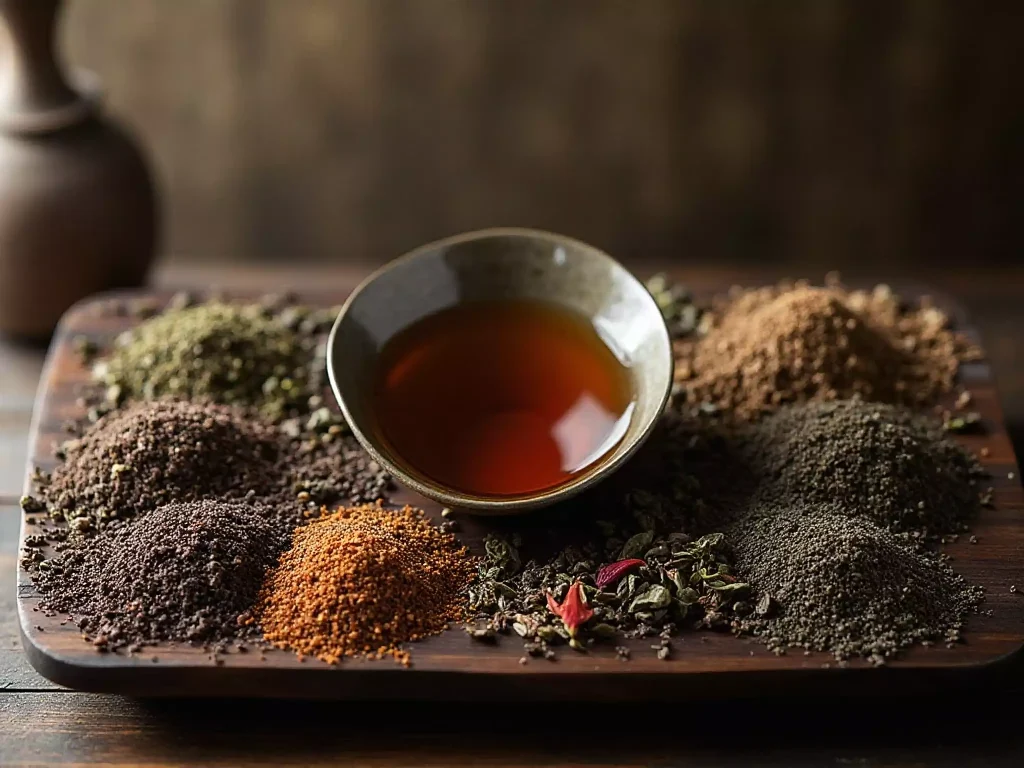
Ripe Pu-erh tea, also called Shu Pu-erh, is one of Yunnan’s most cherished teas. Known for its rich aged aroma, smooth taste, and deep red liquor, it is fully fermented and requires a more intricate production process than raw Pu-erh. The key lies in pile fermentation, a unique step that defines its mellow flavor and health benefits.
1. Raw Material Selection
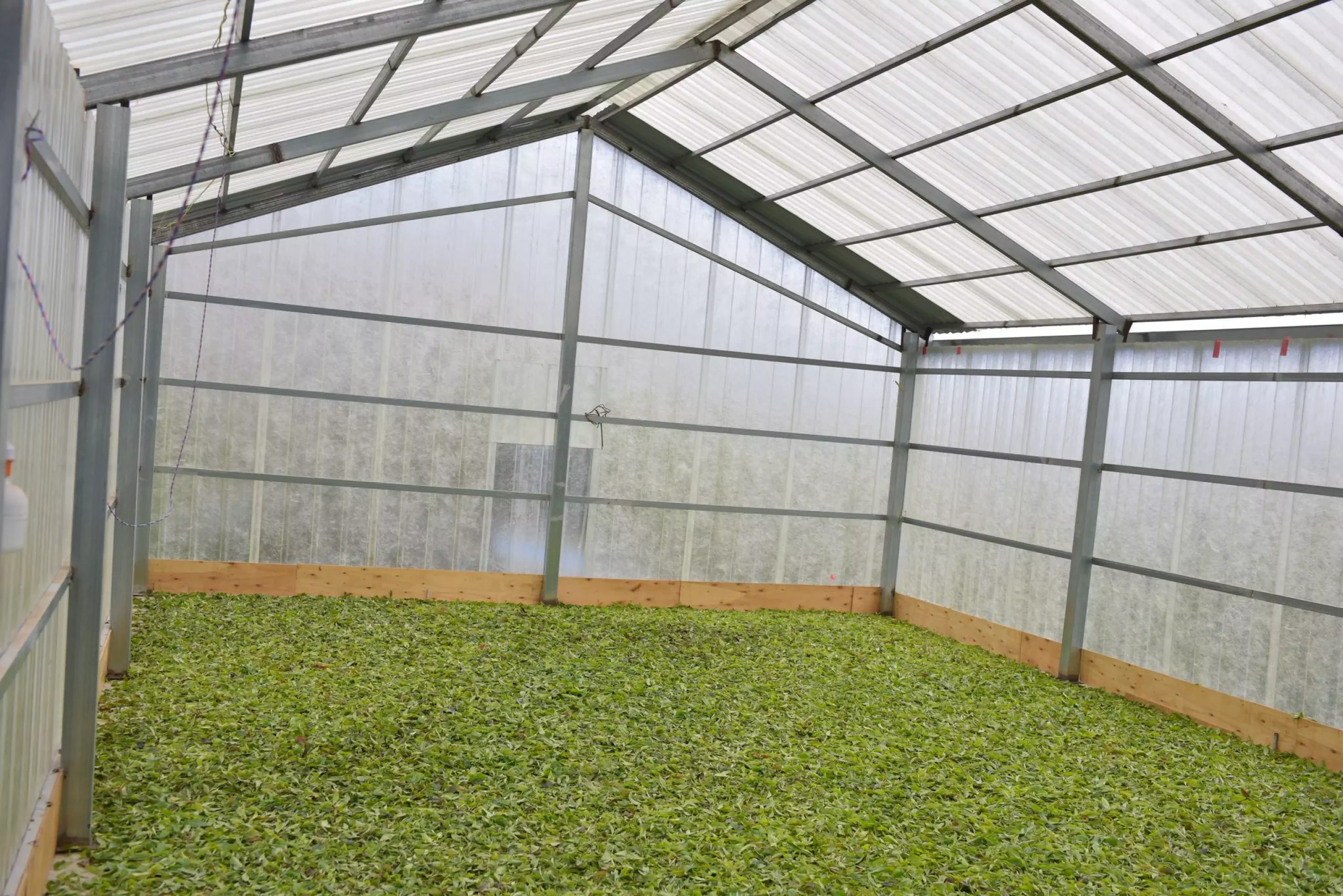
Ripe Pu-erh is produced from the fresh leaves or sun-dried green tea (maocha) of Yunnan’s large-leaf tea tree (Camellia sinensis var. assamica). These thick, nutrient-rich leaves provide both the strong foundation and the aging potential that make ripe Pu-erh distinct.
1.1 Tea Tree Sources
- High-quality ripe Pu-erh often comes from centuries-old ancient tea trees in regions like Xishuangbanna, Lincang, and Pu'er. These trees yield leaves rich in compounds, while tea gardens ensure consistency and volume for everyday production.
1.2 Picking Standards
The standard for ripe Pu-erh is usually “one bud with two or three leaves.” Spring harvests are prized for their quality, while summer and autumn leaves are used for more accessible blends.
1.3 Picking Time
Leaves are harvested in the morning after dew has dried. Careful handling ensures freshness, aroma retention, and prevents leaf damage.
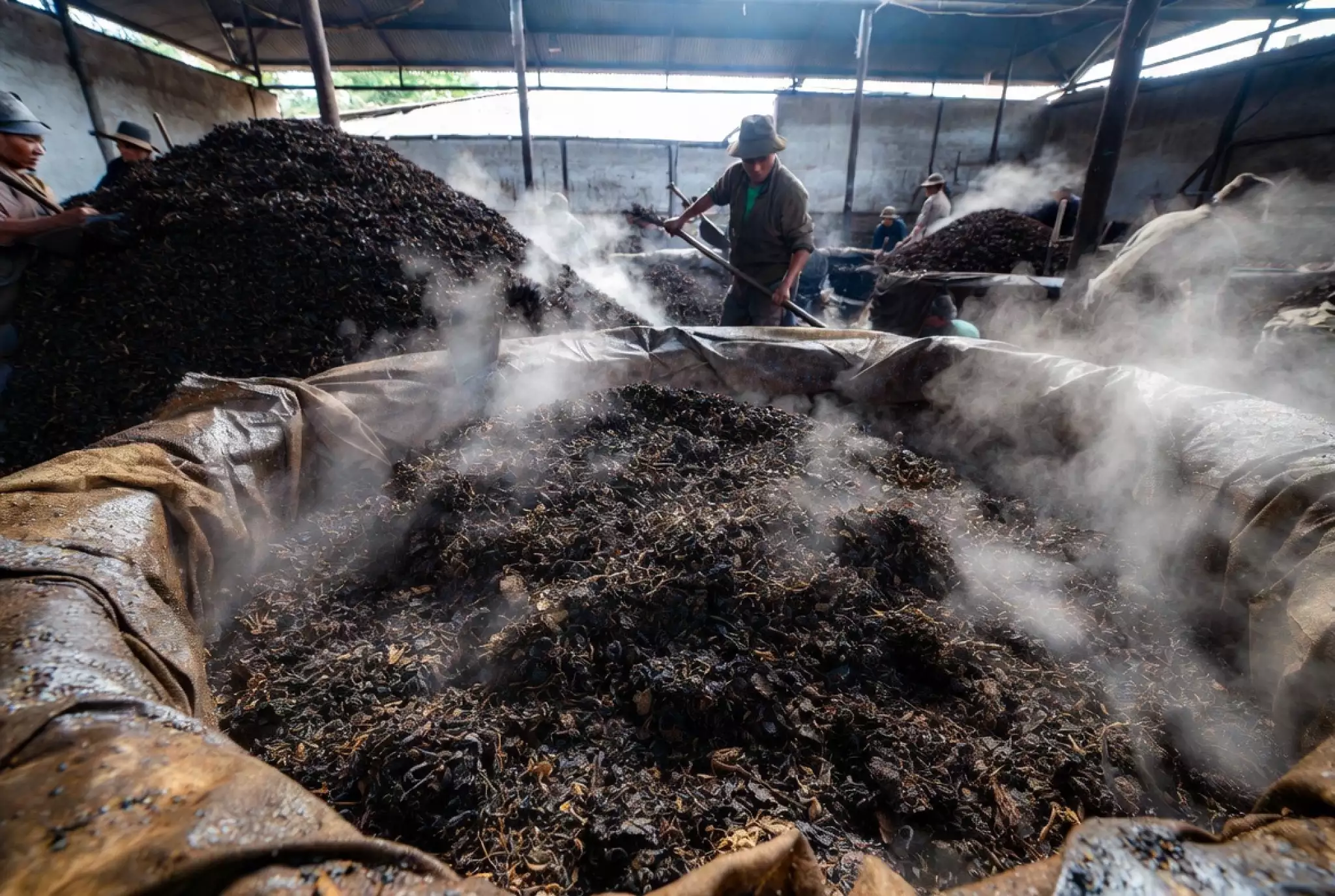
Unlike raw Pu-erh, which relies on slow natural aging, ripe Pu-erh undergoes controlled pile fermentation to accelerate transformation. This process defines its smooth texture, dark liquor, and approachable character.
2. How Is Ripe Pu-erh Tea Made?
The making of ripe Pu-erh involves two key stages: initial processing into sun-dried green tea (maocha), and refining, which includes pile fermentation and further finishing steps.
2.1 Initial Processing (Maocha)
The initial steps are similar to raw Pu-erh, producing sun-dried green tea as the base for fermentation.
2.1.1 Withering
Fresh leaves are spread thinly on bamboo mats or troughs for 4–12 hours, depending on weather, to reduce moisture by 30–40%. This softens the leaves and enhances aroma.
2.1.2 Kill-Green (Fixation)
Leaves are heated in woks or machines at 200–300°C for 2–5 minutes. This halts oxidation while preserving compounds needed for fermentation.
Watch the traditional hand kill-green (fixation) process — a critical step in preserving the natural compounds for ripe Pu-erh fermentation.
2.1.3 Rolling
Leaves are rolled by hand or machine for 20–40 minutes, breaking cell walls and shaping the tea into strips.
2.1.4 Sun-Drying
Rolled leaves are sun-dried for 1–2 days. In rainy weather, low-heat drying may be used. This step preserves enzymes and microorganisms essential for fermentation.
2.2 Refining (Pile Fermentation & Beyond)
The distinctive qualities of ripe Pu-erh come from the pile fermentation process, which mimics decades of natural aging in weeks.
2.2.1 Pile Fermentation
Maocha is moistened, piled to 1–1.5 meters, and covered with cloth to maintain 40–60°C and 70–85% humidity. Over 30–60 days, the pile is turned every 7–10 days to ensure even fermentation. Microbes transform polyphenols into theabrownins and other compounds, creating ripe Pu-erh’s deep color, smoothness, and aged aroma.
If temperature or humidity is poorly controlled, pile fermentation may produce off-flavors or excessive earthy notes, highlighting the importance of skilled monitoring throughout the process.
2.2.2 Breaking and Drying
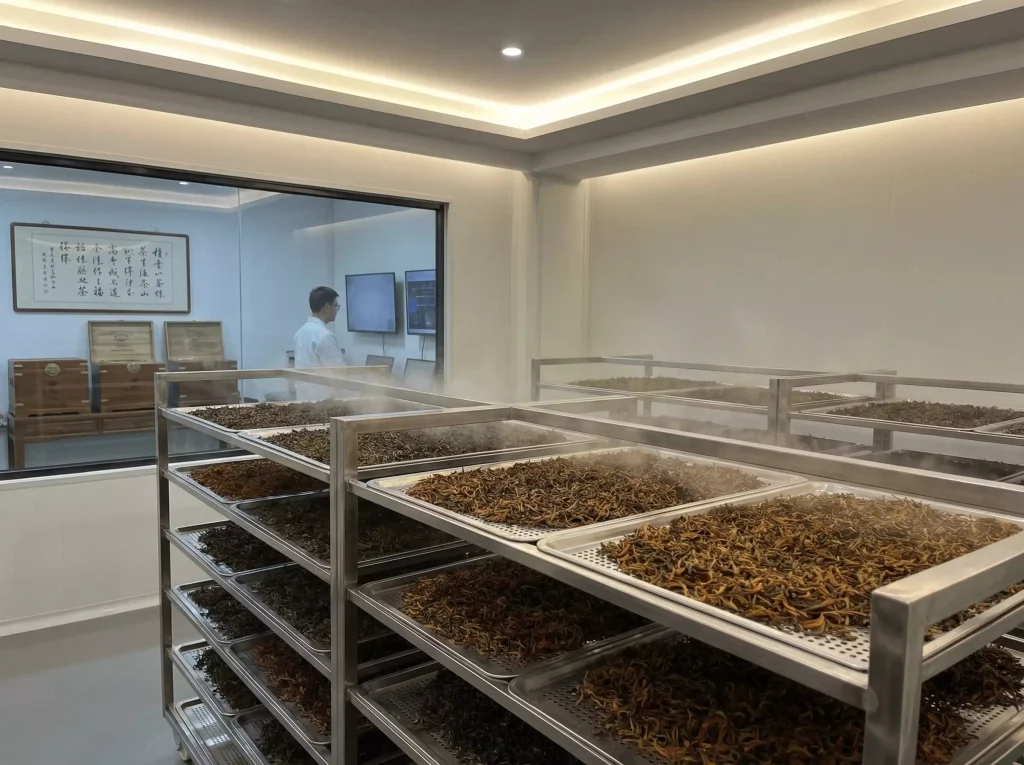
After fermentation, the tea is loosened, then dried naturally or with low heat to reduce moisture to 8–10%, preventing mold and stabilizing flavor.
2.2.3 Screening and Grading
Non-standard leaves and stems are removed to ensure consistency and purity.
2.2.4 Blending
Teas from different batches or regions are blended to achieve a balanced flavor profile.
2.2.5 Pressing and Packaging
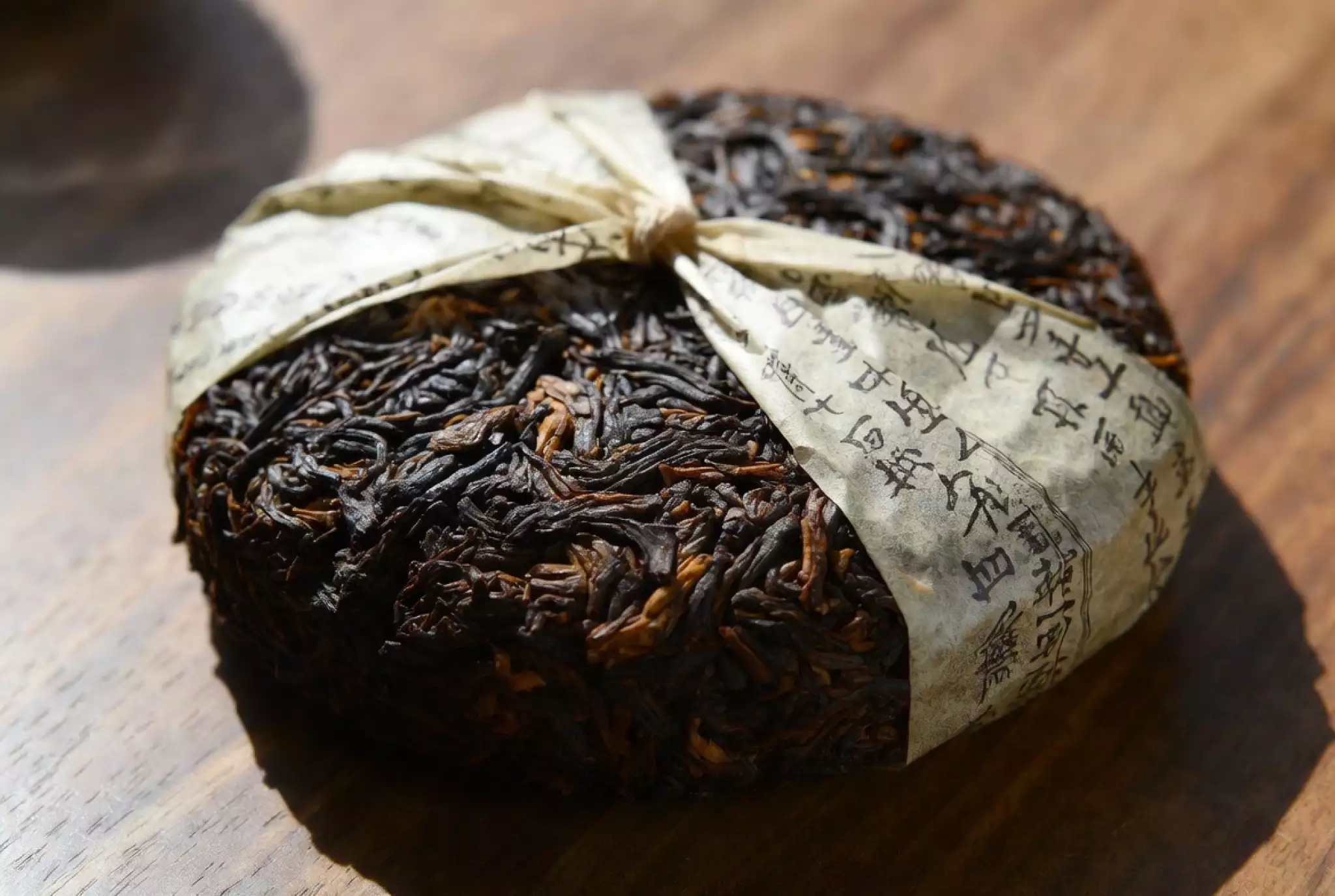
The tea is steamed and pressed into cakes, bricks, or tuocha, then wrapped in breathable paper for storage and aging.
3. What Makes Ripe Pu-erh Different?
- Pile Fermentation: Mimics natural aging, creating ripe Pu-erh’s iconic smoothness and date-like aroma.
- Yunnan Large-Leaf Advantage: High in polyphenols and amino acids, these leaves provide a strong base for fermentation.
- Tradition Meets Modernity: Handcrafted methods preserve character, while modern techniques ensure hygiene and consistency.
4. How to Identify Quality Ripe Pu-erh
- Appearance: Tight strips, reddish-brown to dark brown, often with golden tips.
- Aroma: Aged fragrance with hints of dates, rice, or wood; premium teas carry a sweet note.
- Liquor: Deep red, bright, and wine-like.
- Taste: Smooth, mellow, sweet aftertaste, minimal bitterness.
- Leaf Base: Uniformly red-brown, thick, and tender.
5. Conclusion
The production of ripe Pu-erh is a blend of science, nature, and artistry. From careful leaf selection to pile fermentation, each step shapes its unique character. The fermentation process accelerates aging, producing the iconic smoothness and aroma that tea lovers treasure. Whether enjoyed fresh or aged for decades, ripe Pu-erh remains a timeless reflection of Yunnan’s tea heritage.
Frequently Asked Questions about Ripe Pu-erh Tea
What is Ripe Pu-erh Tea?
Ripe Pu-erh (Shu Pu-erh) is a fully fermented tea from Yunnan, China. It is known for its smooth taste, deep red liquor, mature aroma, and unique health benefits.
What is pile fermentation?
Pile fermentation is the core process in making Ripe Pu-erh. Maocha is moistened, stacked, and kept under controlled temperature and humidity, allowing microbes to accelerate the oxidation and transformation of tea compounds, mimicking decades of natural aging within weeks.
Does Ripe Pu-erh need aging?
Ripe Pu-erh can be consumed immediately after production, but aging can further integrate flavors, mellow the fermentation notes, and enhance aroma complexity.
What are the best storage conditions for Ripe Pu-erh?
Store in a dry, ventilated, and odor-free environment, away from high heat and direct sunlight, to stabilize quality and allow proper post-fermentation.
What is the difference between Ripe and Raw Pu-erh?
Raw Pu-erh (Sheng) undergoes natural aging over time and has a fresher, lighter taste, while Ripe Pu-erh (Shu) is artificially fermented through pile fermentation, resulting in smooth, rich tea with red liquor.
Is pressed Ripe Pu-erh better than loose tea?
Pressed cakes are convenient for long-term aging and storage, while loose tea is better for immediate brewing. Flavor differences come mainly from fermentation and storage time, not the form itself.
🌿 Further Reading
- Introduction to the Production Process of Raw Pu-erh Tea
- Detailed Guide to Dianhong Tea Production and Craftsmanship
- Why Do People Burn Incense While Drinking Tea?
- Ripe Pu-erh vs Raw Pu-erh
- Dialogue with a New Generation Tea Master – Ma Qing: A Tale of Heritage and Innovation
Dive deep into the full production process of ripe Pu-erh tea — from selecting raw leaves to fermentation and aging.