
Tea and Health: Blending Science and Tradition
Introduction
Tea, a timeless beverage woven into centuries of cultural rituals, transcends its soothing aroma to deliver remarkable wellness benefits. For instance, from the antioxidant-rich depths of Dian Hong to the digestive comfort of Shu pu-erh, tea marries ancient wisdom with modern science. This guide explores the therapeutic effects of red tea (black tea), Sheng pu-erh, and Shu pu-erh, while examining how weather enhances their benefits and comparing tea to coffee. With practical tips, you'll learn to harness tea's potential safely and effectively.
Health Benefits of Tea: Where Science Meets Tradition
1. Health Benefits of Dian Hong Black Tea: A Heart-Healthy Elixir
Black teas, like Yunnan's Dian Hong, are fully oxidized, yielding bold flavors and potent health benefits. Explore its honeyed, malty notes in Dian Hong vs. Other Black Teas.
- Antioxidant Power: Rich in theaflavins and thearubigins, red teas neutralize free radicals, reducing oxidative stress linked to aging and chronic diseases.
- Heart Health: Drinking 2–3 cups daily may lower blood pressure and LDL cholesterol.
- Mental Clarity: With 20–40 mg of caffeine per cup, red tea provides a gentle, sustained energy lift without coffee's jitters, ideal for focused mornings.
- Traditional Wisdom: In Chinese culture, red tea warms the body, perfect for winter's chill.
2. Sheng Pu-erh Health Benefits: Vibrant Energy and Antioxidants
Sheng (raw) pu-erh, crafted with minimal processing in Yunnan, boasts a crisp, astringent flavor that evolves with age, much like a fine wine. Discover its unique profile in Raw vs. Ripe Pu-erh.
- Antioxidant and Anti-inflammatory Effects: Packed with catechins and gallic acid, Sheng pu-erh reduces inflammation and oxidative damage.
- Mental Focus: With 30–50 mg of caffeine per cup, it sharpens concentration, making it a go-to for productive days.
- Traditional Role: In Yunnan, Sheng pu-erh is prized for "clearing heat," ideal for warm spring or summer days.
- Aging Benefits: As it matures, Raw pu-erh's antioxidants deepen, offering a unique health profile over decades.
3. Shou Pu-erh Benefits: Digestive Wellness and Workplace Calm
Shu (ripe) pu-erh, fermented to achieve its earthy, mellow character, is a cornerstone of digestive wellness in Chinese tradition—and your secret weapon for workplace balance.
- Digestive Support: Its fermentation fosters probiotics and enzymes that enhance gut microbiota.
- Metabolic Health: Shu pu-erh may improve lipid metabolism and lower cholesterol.
- Calming Effect: With 20–30 mg of caffeine per cup, Shu pu-erh promotes relaxation, ideal for evening sipping.
- Cultural Use: In Yunnan, it's a staple for digestion, often paired with hearty dishes to balance the body.
4. Tea vs. Coffee: A Wellness Comparison
Tea and coffee, with roots in ancient China and 9th-century Ethiopia respectively, offer distinct health profiles. Curious about caffeine levels across different teas? Check out our Caffeine Ranking: Which Teas Wake You Up the Most?
| Aspect | Tea | Coffee |
|---|---|---|
| Caffeine per cup | 20–50 mg | 95–200 mg |
| Energy Type | Calm alertness (L-theanine + caffeine) | Sharp, quick boost |
| Primary Antioxidants | Polyphenols (catechins, theaflavins) | Chlorogenic acids |
| Digestive Impact | Soothing (especially Shu pu-erh) | May irritate sensitive stomachs |
| Cultural Ritual | Mindful, ceremonial | Fast-paced consumption |
Weather and Tea: Optimizing Wellness
Weather shapes how tea's benefits manifest. Learn more in The Influence of Weather on Tea Enjoyment.
- Winter (Cold Weather): Shu pu-erh and Dian Hong warm the body and boost circulation, aligning with Chinese medicine's focus on balance. Brew at 95°C in a porcelain teapot to retain heat.
- Summer (Hot Weather): Sheng pu-erh or cold-brewed green tea cools and hydrates. Cold brewing (4–6 hours at room temperature) preserves antioxidants, per Mayo Clinic.
- Rainy Days: Shu pu-erh's earthy notes and digestive benefits comfort in humid conditions, soothing body and mind.
- Spring/Autumn (Mild Weather): Red teas or oolongs balance energy and relaxation, supporting holistic wellness.
Practical Tea Drinking Tips
Maximize tea's wellness benefits with these evidence-based guidelines:
- Moderation: Enjoy 2–4 cups (200–800 ml) daily to balance caffeine (up to 400 mg/day, per FDA guidelines) and polyphenols.
- Timing: Sip red tea or Sheng pu-erh in the morning/afternoon for focus; choose Shu pu-erh or decaf teas at night to avoid sleep disruption.
- Brewing for Health: Use 80–85°C for Sheng pu-erh and 95°C for Shu pu-erh or red tea to preserve bioactive compounds. Learn the perfect technique in our Office Tea Brewing Guide: How to Brew Tea Directly in a Mug.
- Preventing "Tea Drunkenness" (茶醉):Young Sheng Pu-erh is vibrant and punchy, almost like the raw energy of the Yunnan mountains. But be careful—on an empty stomach, its powerful polyphenols can trigger 'tea drunkenness' (dizziness or jitters). Pair it with a few nuts or a biscuit to keep your energy balanced.
- Avoid Empty Stomach: Strong teas like Sheng pu-erh may irritate due to tannins; pair with light snacks.
- Storage: Keep teas in airtight containers away from humidity to maintain antioxidants, especially for Sheng pu-erh.
- Health Precautions: Consult a doctor if you have caffeine sensitivity, acid reflux, or are pregnant, as tannins and caffeine may affect certain conditions.
Tea's Cultural and Emotional Wellness
Tea nurtures more than the body—it fosters emotional and social well-being. For instance, sharing Dian Hong or pu-erh during gatherings strengthens bonds, as outlined in How to Host a Tea Party.
- Mindfulness: Brewing tea, as in Chinese tea ceremonies, cultivates calm and focus, enhancing mental clarity.
- Community: Tea gatherings create meaningful connections among friends and tea lovers.
- Workplace Emotional Balance:Shou Pu-erh's earthy notes (土木香气) act as a natural workplace stress regulator. After high-pressure meetings, its calming properties help reset your nervous system. The fermentation process creates compounds that promote gut-brain axis harmony—making it the perfect afternoon companion when deadlines loom and tensions run high.
- Emotional Balance: L-theanine and caffeine create a serene alertness, making tea a daily ritual for harmony, unlike coffee's intense stimulation.
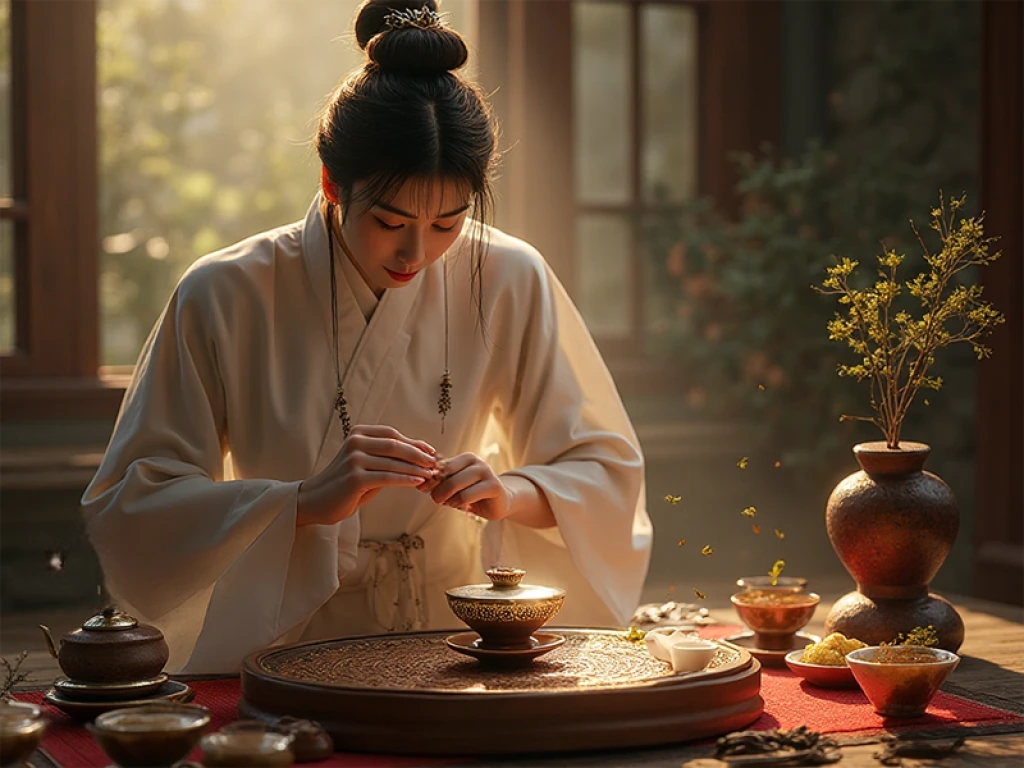
Antioxidant Evolution Across Tea Types:
Timeline: Fresh Leaves → Dian Hong (Oxidized) → Sheng Pu-erh (Aged) → Shou Pu-erh (Fermented)
Primary Compounds: Catechins → Theaflavins/Thearubigins → Aged Polyphenols → Probiotic Metabolites
This visualization shows how processing transforms health benefits—from fresh green tea catechins to ripe pu-erh's gut-friendly probiotics.
Conclusion
Tea, from Dian Hong's antioxidant richness to Shu pu-erh's digestive comfort and Sheng pu-erh's vibrant energy, weaves ancient tradition with modern science. Its benefits—heart health, mental clarity, and gut support—shine in harmony with weather, from winter's warmth to summer's cooling relief. Unlike coffee's sharp caffeine kick, tea's gentle, polyphenol-packed profile promotes lasting wellness. Brew a cup, savor its essence, and let tea's heritage nurture your well-being.
🌿 Further Reading
- Dian Hong vs. Other Black Teas: The Unique Charm of Yunnan Black Tea
- Raw vs. Ripe Pu-erh: Complete Guide & Flavor Comparison
- The Influence of Weather on Tea Enjoyment
- How to Host a Tea Party: Bringing Tea Lovers Together
- Caffeine Ranking: Which Teas Wake You Up the Most?
- Office Tea Brewing Guide: How to Brew Tea Directly in a Mug
FAQ
- What are the main health benefits of Dian Hong black tea?
- Dian Hong black tea is rich in antioxidants like theaflavins and thearubigins, which reduce oxidative stress. It supports heart health by lowering blood pressure and LDL cholesterol, provides mental clarity with gentle caffeine, and warms the body in traditional Chinese culture.
- How do Sheng pu-erh and Shu pu-erh differ in health benefits?
- Sheng (raw) pu-erh offers antioxidant and anti-inflammatory effects with catechins, enhances mental focus, and clears heat for warmer days. Shu (ripe) pu-erh supports digestion through probiotics, improves metabolic health by lowering cholesterol, and provides a calming effect suitable for evenings and workplace stress relief.
- What is "tea drunkenness" and how can I prevent it?
- Tea drunkenness (茶醉) refers to symptoms like dizziness, jitters, or nausea caused by drinking strong tea—especially young Sheng pu-erh—on an empty stomach. The powerful polyphenols and caffeine can overwhelm your system. Prevent it by never drinking strong tea on an empty stomach; always pair it with light snacks like nuts or biscuits.
- Is tea better than coffee for health?
- Tea provides lower caffeine with L-theanine for calm alertness, higher polyphenols for antioxidant benefits, and better digestive support (especially Shu pu-erh) compared to coffee's higher caffeine, potential stomach irritation, and chlorogenic acids. Tea offers sustained energy without the jitters.
- How does weather influence tea's health benefits?
- In cold winter weather, Shu pu-erh and Dian Hong warm the body and boost circulation. For hot summer days, Sheng pu-erh cools and hydrates. Rainy days benefit from Shu pu-erh's soothing properties, while mild spring/autumn suits red teas for balanced energy.
- What are practical tips for drinking tea healthily?
- Drink 2–4 cups daily, time caffeinated teas for mornings, brew at optimal temperatures (80–85°C for Sheng, 95°C for others), avoid on an empty stomach to prevent tea drunkenness, store properly, and consult a doctor for sensitivities. Use precise measurements (2g ratio) to avoid excessive tannins.