Detailed Guide to Dianhong Tea Production and Craftsmanship
Dianhong, or Yunnan red tea, is a standout among Chinese red teas, cherished for its unique aroma, robust flavor, and vibrant liquor. Its production process blends traditional craftsmanship with modern techniques, creating the distinctive Dianhong character. This article delves into the production process and craftsmanship of Dianhong, highlighting the differences between wild and regular Dianhong, with a focus on tea tree origins.
1. Raw Material Selection for Dianhong Tea
Dianhong tea is made from fresh buds and leaves of the Yunnan large-leaf tea tree (Camellia sinensis var. assamica), known for its thick leaves, plump buds, and rich chemical content, which contribute to Dianhong’s bold flavor and unique aroma. The differences between wild and regular Dianhong are most pronounced in the tea tree sources.
1.1 Tea Tree Sources
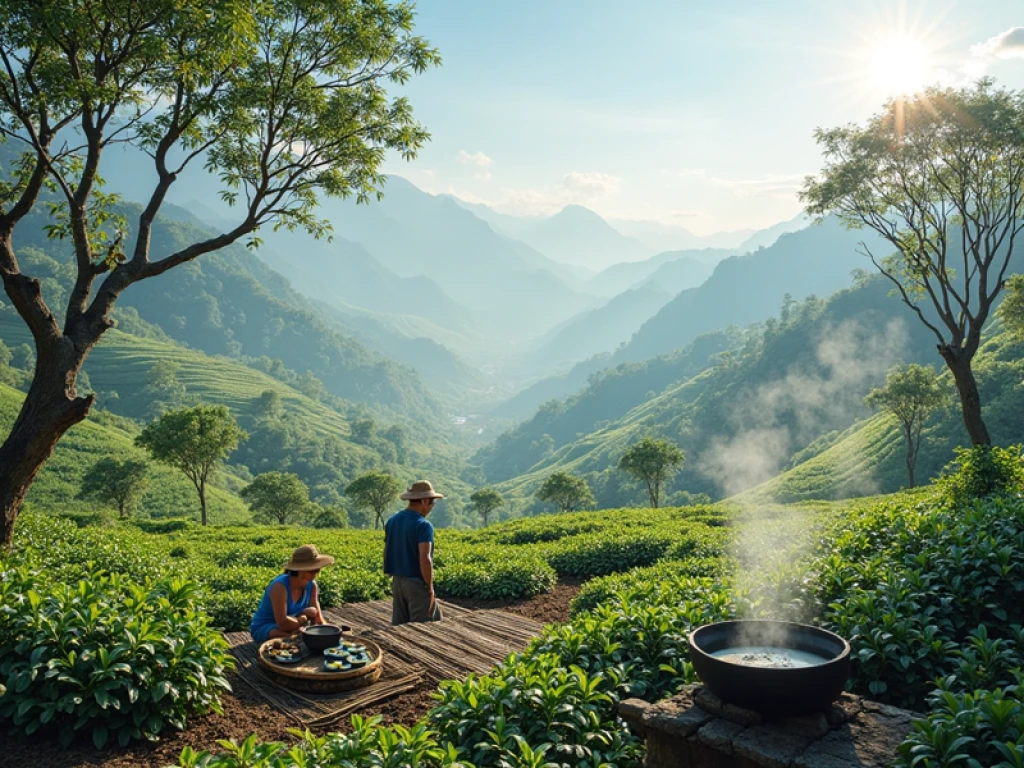
- Regular Dianhong: Sourced from cultivated Yunnan large-leaf tea trees grown in managed tea gardens. These trees are pruned and maintained for consistent yield, typically located at altitudes of 1,000–2,000 meters in fertile, humid regions.
- Wild Dianhong: Derived from wild or ancient tea trees in Yunnan’s pristine forests, often over a century old. These trees grow at 1,500–2,500 meters in complex ecosystems, absorbing natural nutrients and imparting a unique wild character to the tea.
1.2 Picking Standards
Dianhong typically uses “one bud, one leaf” or “one bud, two leaves” to ensure tenderness and rich content.
1.3 Picking Time
Early morning or late morning picking, when dew has dried, ensures optimal moisture and aroma retention. Wild Dianhong picking emphasizes manual methods to avoid damaging precious buds.
2. Dianhong Production Process
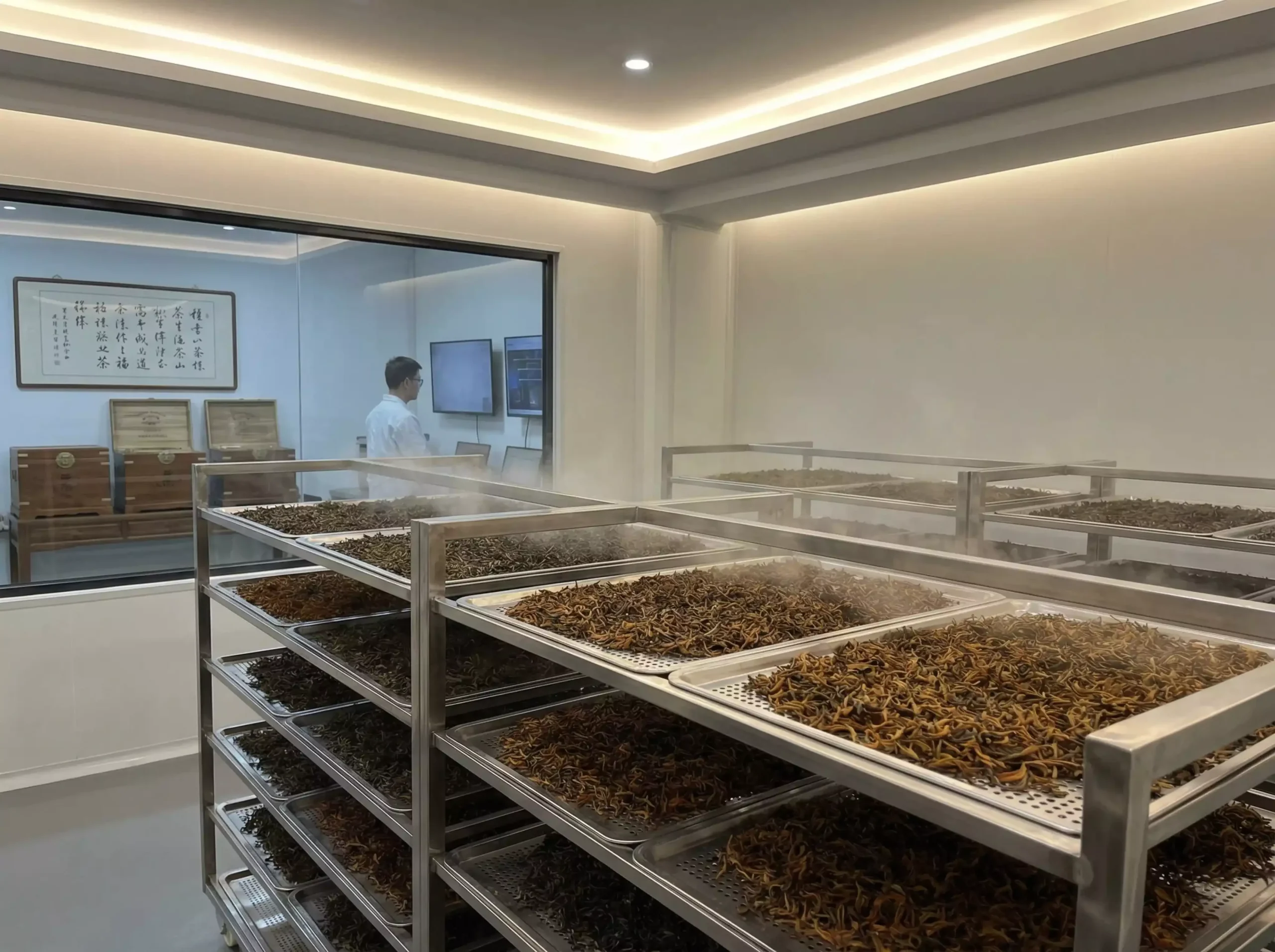
As a fully fermented tea, Dianhong’s production involves four key steps: withering, rolling, fermentation, and drying. Differences in raw materials lead to variations in how these steps are applied for wild versus regular Dianhong.
2.1 Withering
Withering reduces moisture in fresh leaves, softening them and initiating chemical changes for subsequent steps.
2.2 Rolling
Rolling breaks cell walls, releasing juices and enabling enzymatic oxidation.
2.3 Fermentation
Fermentation, critical for Dianhong’s red tea character, determines aroma, color, and taste, with a fermentation degree above 90%.
2.4 Drying
Drying halts fermentation and stabilizes quality for storage.
3. Refining Process
Post-initial processing, Dianhong undergoes refining to enhance quality and appearance.
- Screening: Removes impurities and grades leaves by size. Wild Dianhong prioritizes preserving intact buds.
- Sorting: Manual or mechanical removal of stems. Wild Dianhong often uses hand-sorting.
- Blending: Regular Dianhong is blended for consistency, while wild Dianhong is rarely blended to retain unique regional flavors.
- Packaging: Regular Dianhong is packaged as loose or compressed tea; wild Dianhong is typically loose to highlight rarity.
4. Unique Aspects of Dianhong Craftsmanship
- Yunnan Large-Leaf Flavor: Rich in polyphenols and amino acids, regular Dianhong offers honey or floral notes, while wild Dianhong adds pine or wildflower aromas.
- Precise Fermentation: Balances theaflavins and thearubigins for vibrant color and smooth taste, with wild Dianhong requiring extra care.
- Traditional vs. Modern: Regular Dianhong uses mechanized processes for efficiency; wild Dianhong favors traditional methods for authenticity.
5. Quality Comparison: Wild vs. Regular Dianhong
- Appearance: Regular Dianhong has tight, glossy strips with golden tips; wild Dianhong is rugged with natural sheen.
- Aroma: Regular offers floral or honey notes; wild has pine, wildflower, or herbal scents.
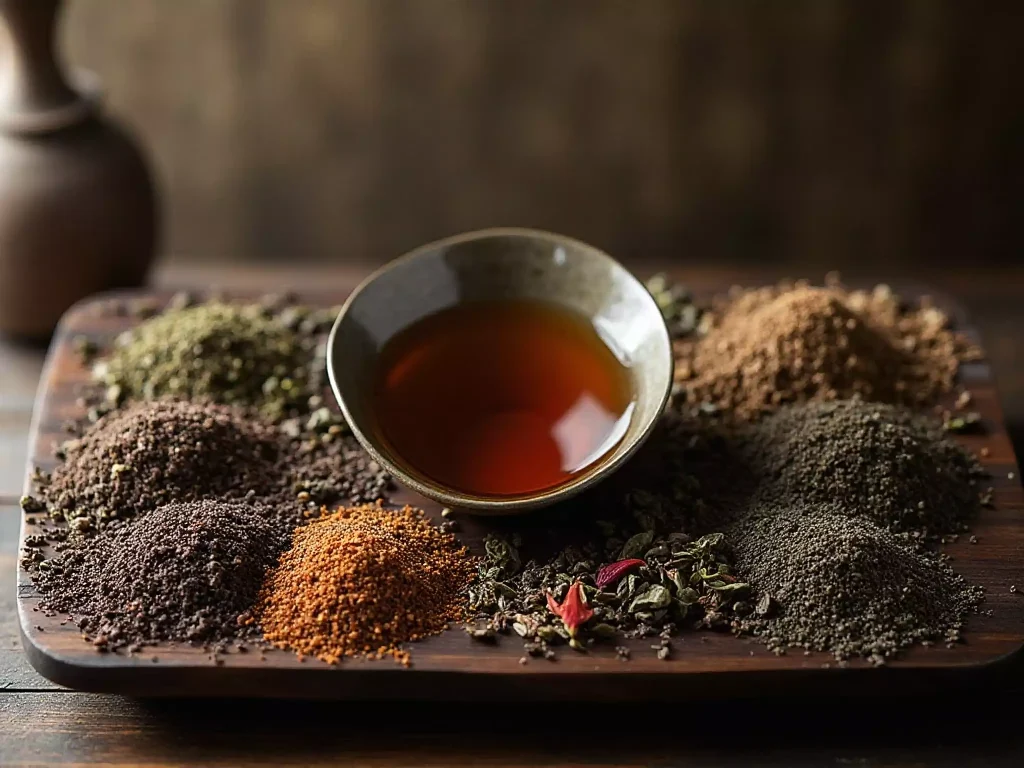
- Liquor: Regular is bright red; wild is deeper with amber hues.
- Taste: Regular is smooth and sweet; wild is bolder with lasting aftertaste.
- Leaf Base: Regular is bright and soft; wild is thicker with natural texture.
6. Conclusion
The production of Dianhong tea is a blend of nature, science, and artistry. From picking to drying, each step reflects the skill of tea makers. The distinction between wild and regular Dianhong, rooted in tea tree origins, shapes their unique flavors—cultivated gardens for consistency, ancient forests for wild depth. Understanding this process deepens appreciation for the story and culture in every cup of Dianhong.