Introduction to the Production Process of Raw Pu-erh Tea
Raw Pu-erh tea, also known as Sheng Pu-erh, is a prized Chinese tea renowned for its rich, complex flavors and potential for aging. Originating from Yunnan Province, its production process is relatively simple compared to other teas, allowing it to retain the natural flavors bestowed by its environment. This article provides a detailed introduction to the production process of raw Pu-erh, highlighting how its straightforward craftsmanship preserves the essence of nature.
1. Raw Material Selection for Raw Pu-erh
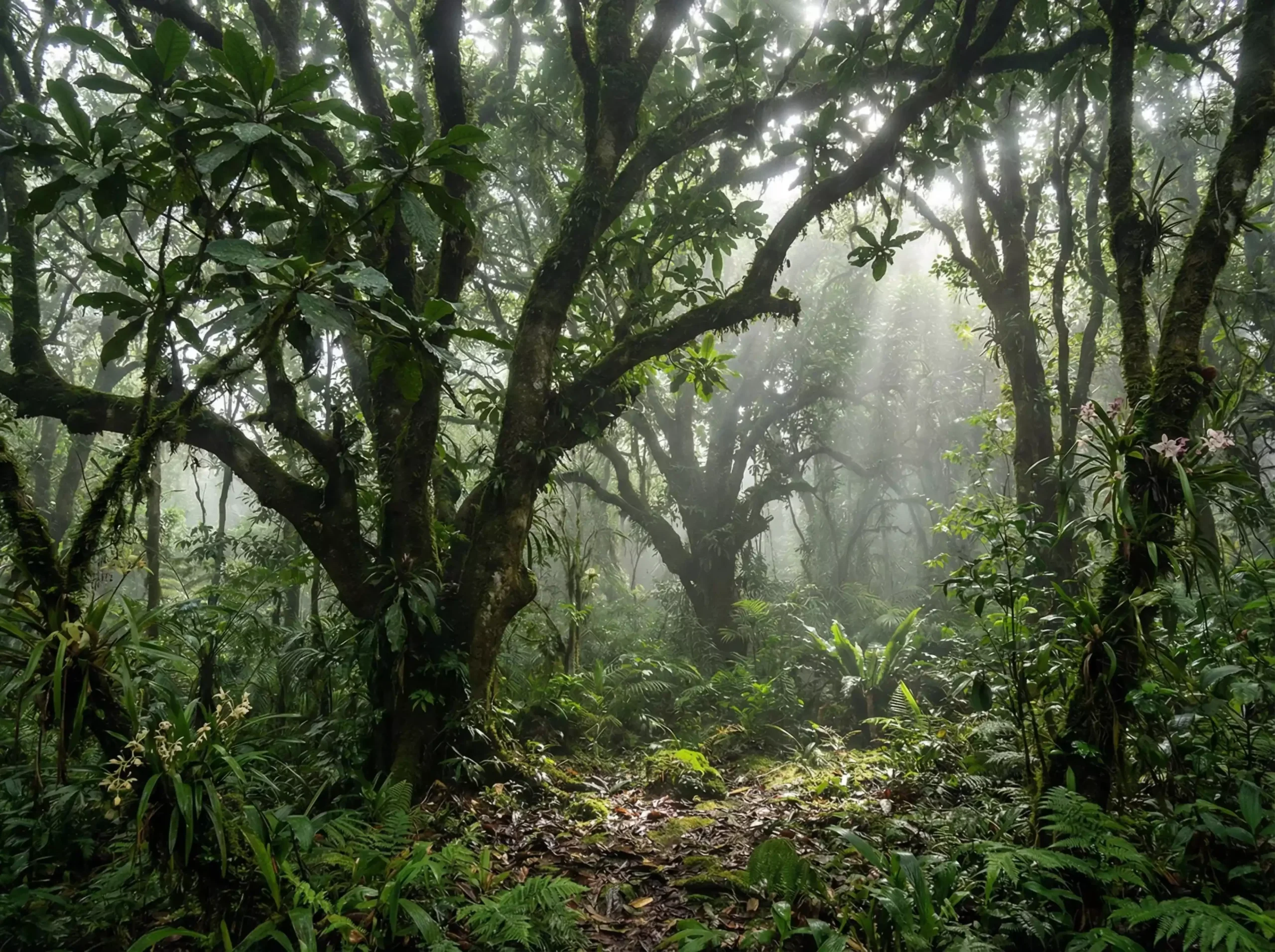
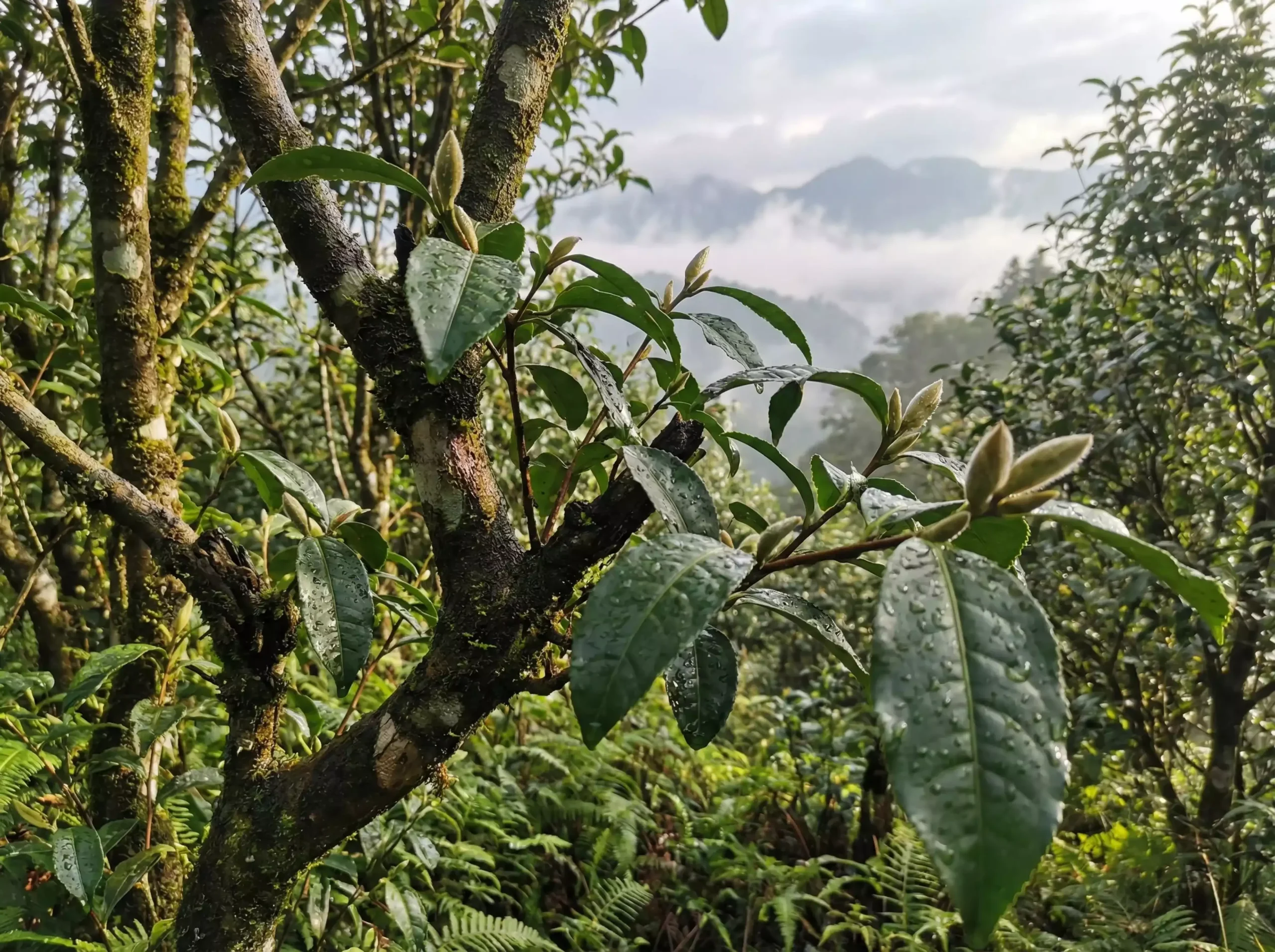
Raw Pu-erh is made from the leaves of the Yunnan large-leaf tea tree (Camellia sinensis var. assamica), known for its thick, robust leaves and buds rich in natural compounds. The quality of the raw material is critical to the tea’s flavor and aging potential.
1.1 Tea Tree Sources
- Raw Pu-erh is typically sourced from ancient tea trees, wild trees, or cultivated tea gardens in Yunnan, particularly in regions like Xishuangbanna, Lincang, and Pu'er. Ancient trees, often centuries old, grow in high-altitude (1,200–2,000 meters) ecosystems with rich biodiversity, contributing unique terroir-driven flavors.
1.2 Picking Standards
The best raw Pu-erh is made from “one bud, one leaf” or “one bud, two leaves” to ensure tenderness and flavor richness. Spring harvests are preferred for their vibrant aroma and balanced taste.
1.3 Picking Time
Leaves are typically picked in the early morning when dew has evaporated, preserving the tea’s natural aroma and moisture content. Gentle handling during picking prevents damage to the delicate buds and leaves.
Raw Pu-erh relies on natural aging over time, while ripe Pu-erh undergoes accelerated fermentation. This difference defines their flavor, aging potential, and production philosophy.
2. How Is Raw Pu-erh Tea Made?
Raw Pu-erh is a non-fermented or lightly fermented tea, and its production process is designed to minimize intervention, preserving the tea’s natural characteristics.
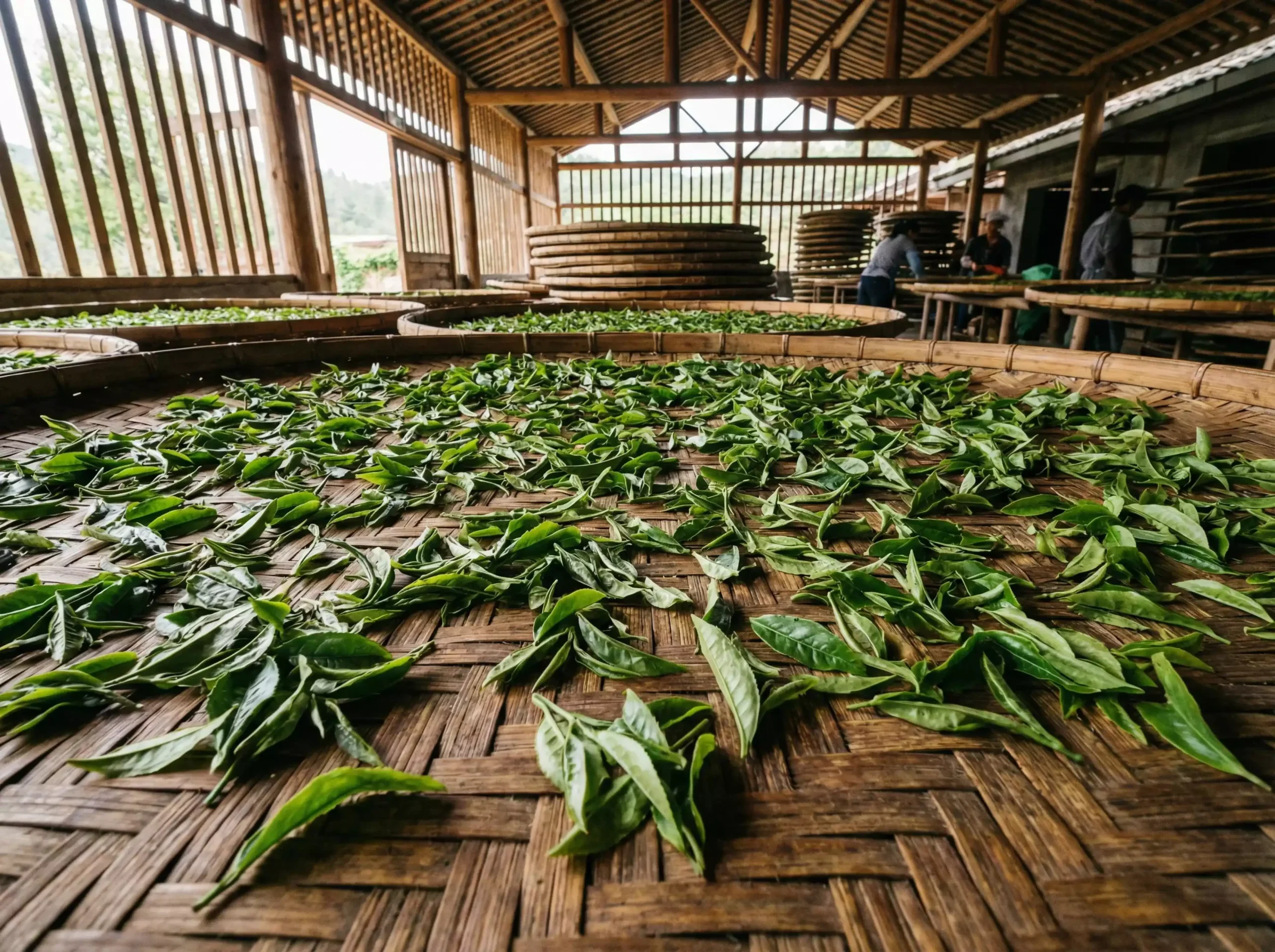
2.1 Withering
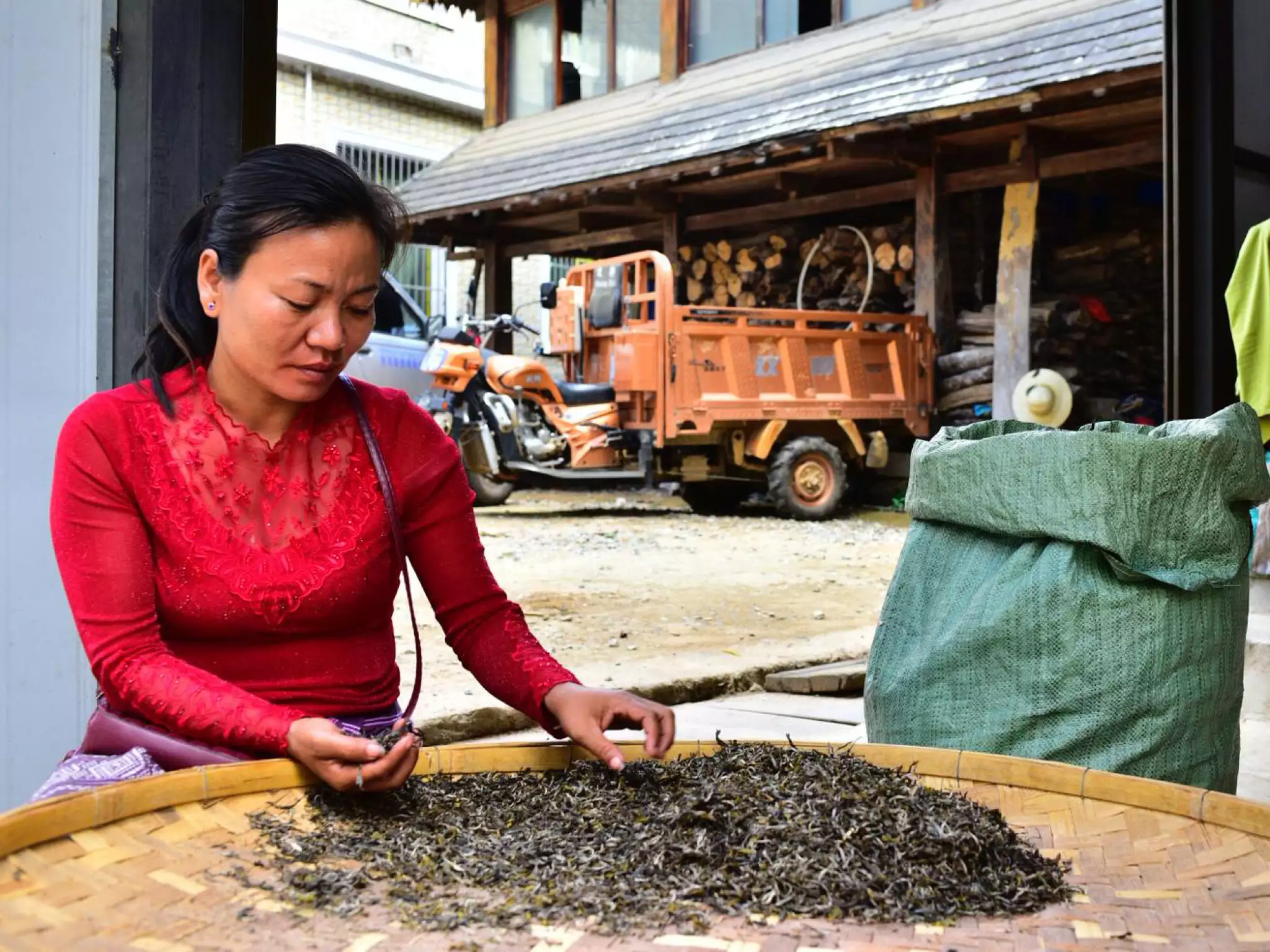
Freshly picked leaves are spread thinly on bamboo mats or withering troughs in a well-ventilated area. The leaves are left to wither naturally for 4–12 hours, depending on weather conditions and leaf quality.
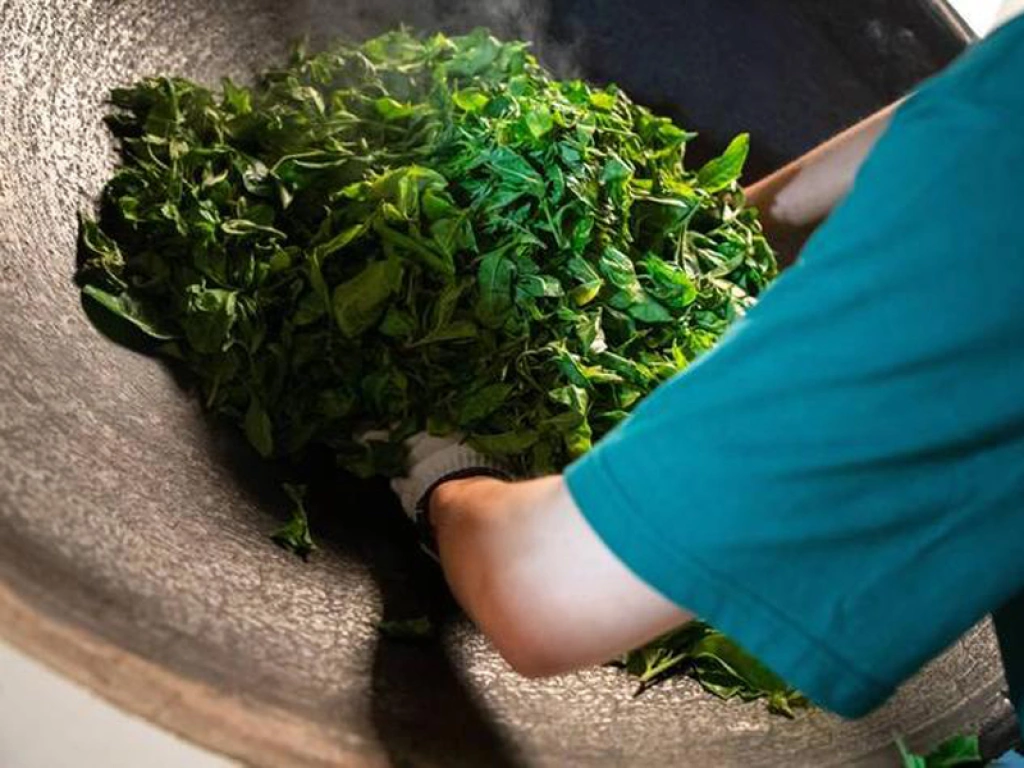
2.2 Kill-Green (Fixation)
Leaves are heated in large woks or specialized machines at temperatures of 200–300°C for 2–5 minutes. The leaves are stirred continuously to ensure even heating.
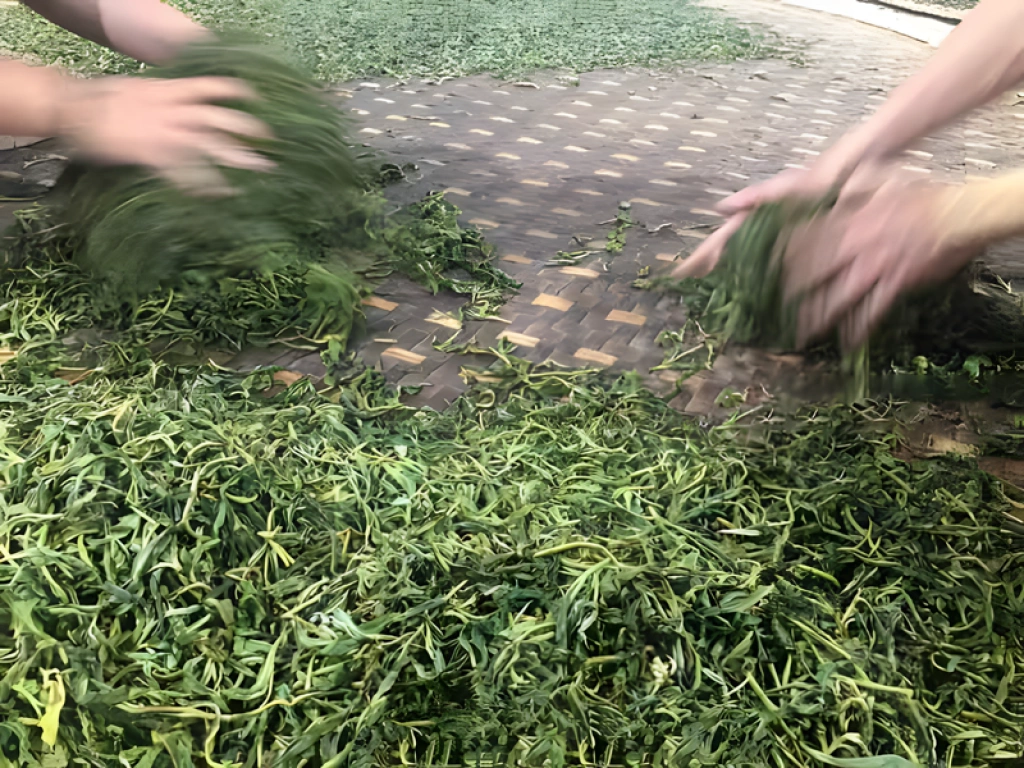
2.3 Rolling
Withered leaves are hand-rolled or processed in rolling machines for 20–40 minutes. The rolling is gentle to maintain leaf integrity while ensuring even pressure.
2.4 Sun-Drying
Rolled leaves are spread thinly on bamboo mats or clean surfaces and dried under direct sunlight for 1–2 days, depending on weather. In rainy conditions, low-temperature drying (40–50°C) may be used as a supplement.
2.5 Pressing (Optional)
While raw Pu-erh can be sold as loose tea (maocha), it is often compressed into cakes, bricks, or tuocha shapes for storage and aging. The dried maocha is steamed briefly to soften, then pressed using stone or hydraulic presses.
3. How Raw Pu-erh Ages Over Time
After initial processing, raw Pu-erh may undergo refining to remove impurities and enhance quality.
- Screening and Sorting: Impurities like stems or yellowed leaves are removed manually or mechanically.
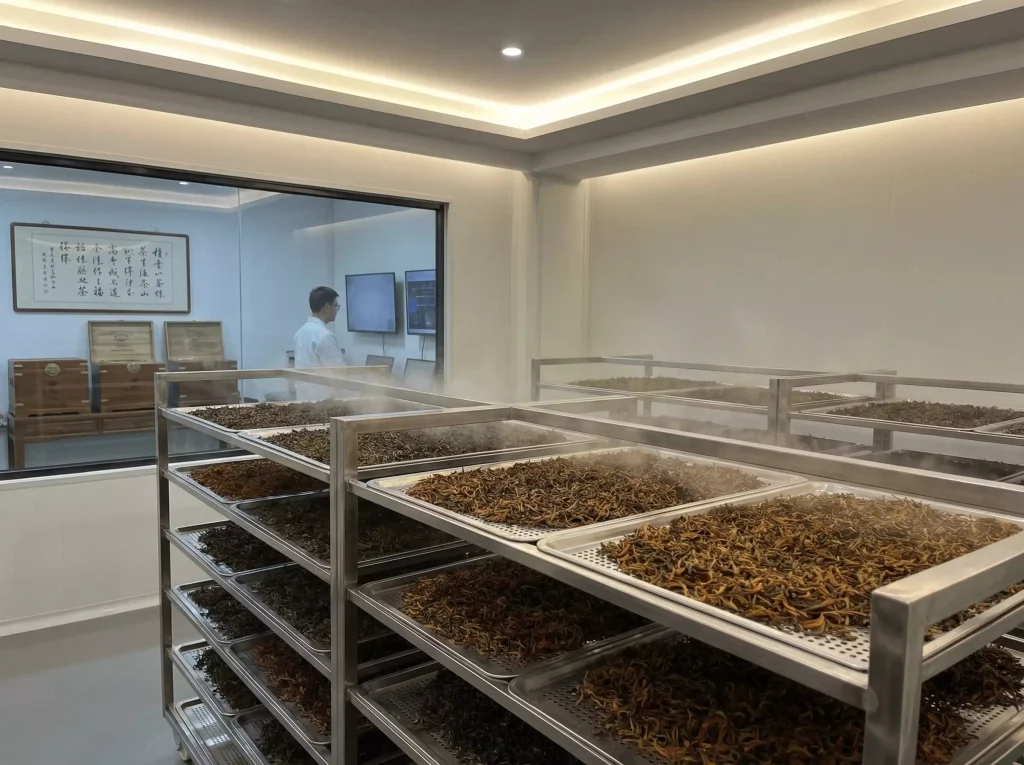
- Aging: Raw Pu-erh is stored in controlled environments (moderate humidity, good ventilation) to allow natural fermentation over years or decades. This process mellows the tea’s astringency and enhances its smoothness and complexity.
For example, a young raw Pu-erh from Bulang may show sharp bitterness and strong huigan in its early years, gradually softening into honeyed and woody tones after a decade of proper storage.
4.Why Minimal Processing Defines Raw Pu-erh
The production process of raw Pu-erh is deliberately simple, avoiding excessive heat or mechanical intervention. This minimalistic approach preserves the natural compounds in the tea leaves, such as polyphenols, amino acids, and volatile aromatics.
5. Quality Characteristics of Raw Pu-erh
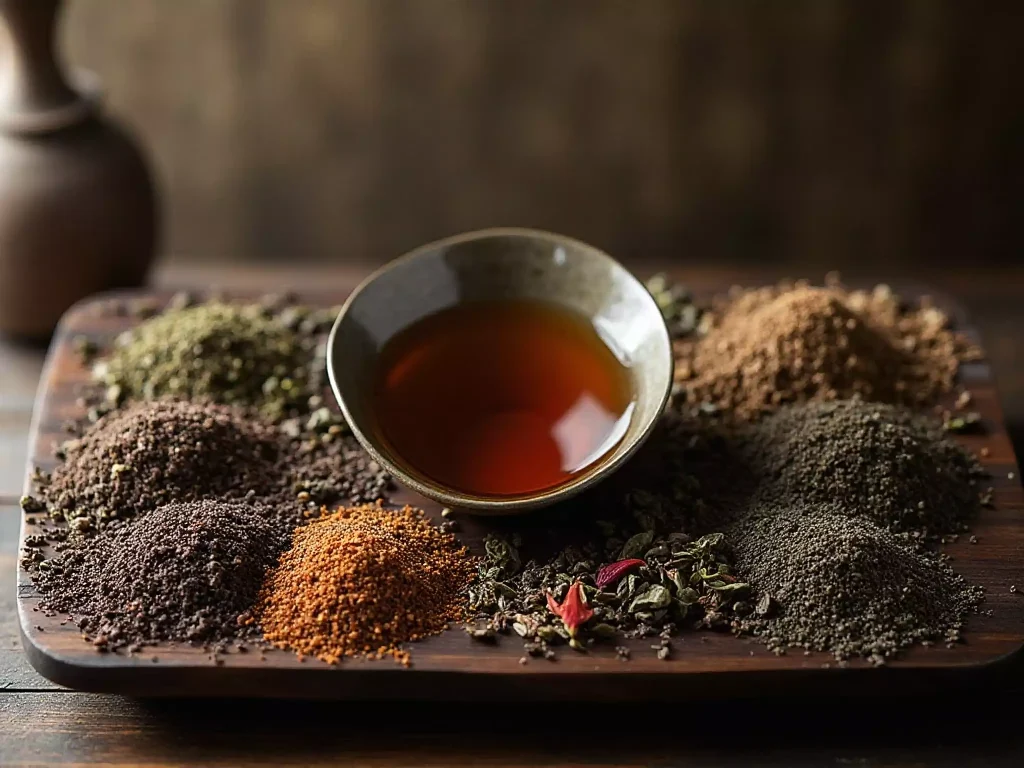
- Appearance: Loose leaves or tightly compressed cakes with visible buds and a mix of green and silvery hues.
- Aroma: Fresh, grassy, or floral with hints of fruit or honey, evolving into woody or earthy notes with age.
- Liquor: Bright yellow-green when young, deepening to golden or amber with age.
- Taste: Crisp and astringent when young, with a lively mouthfeel; aged raw Pu-erh becomes smooth, rich, and complex.
- Leaf Base: Uniform, soft, and flexible, reflecting the careful processing.
For experienced tea drinkers, raw Pu-erh is less about immediate comfort and more about long-term conversation — between leaf, environment, and time.
6. Conclusion
The production process of raw Pu-erh tea is a testament to the philosophy of minimal intervention, allowing the natural flavors of Yunnan’s tea trees to shine. From withering to sun-drying, each step is carefully executed to preserve the tea’s inherent qualities and aging potential. This simplicity ensures that raw Pu-erh captures the essence of its terroir, offering tea enthusiasts a taste of nature’s purity and the promise of evolving flavors over time.
7. Frequently Asked Questions about Raw Pu-erh Tea
Is raw Pu-erh tea fermented?
Raw Pu-erh (Sheng Pu-erh) is often described as non-fermented or lightly fermented. In reality, it undergoes minimal enzymatic oxidation during processing but does not experience the accelerated fermentation used for ripe Pu-erh (Shou Pu-erh). Its transformation happens slowly and naturally over time through aging.
Why is sun-drying essential in raw Pu-erh production?
Sun-drying preserves active enzymes and beneficial microorganisms in the tea leaves. Unlike high-temperature oven drying, sun-drying allows raw Pu-erh to retain its aging potential, enabling complex flavor evolution over years or even decades.
Can raw Pu-erh be consumed without aging?
Yes. Young raw Pu-erh is commonly enjoyed for its fresh, vibrant character, featuring floral, vegetal, and fruity notes. While it may be more astringent when young, many tea drinkers appreciate its lively energy and clarity.
How does raw Pu-erh change as it ages?
With proper storage, raw Pu-erh gradually becomes smoother and more rounded. Sharp bitterness softens, aromas shift toward honeyed, woody, and sometimes camphor-like notes, and the liquor deepens in color from yellow-green to golden or amber.
What storage conditions are best for aging raw Pu-erh?
Ideal aging conditions include moderate humidity (around 60–70%), stable temperatures, good air circulation, and the absence of strong odors. Overly dry or overly humid environments can hinder proper aging or cause undesirable flavors.
Is pressed raw Pu-erh better than loose-leaf maocha?
Neither is inherently better. Loose maocha allows faster flavor release and easier sampling, while pressed raw Pu-erh is preferred for long-term aging due to its slower, more stable transformation. The choice depends on drinking goals and storage plans.