Complexity of Yunnan Tea Craftsmanship: Raw Pu'er, Ripe Pu'er, and Dianhong Compared
Dive into the intricate world of Yunnan tea craftsmanship, comparing Raw Pu'er (生普), Ripe Pu'er (熟普), and Dianhong. Discover how processing influences terroir preservation, flavor profiles, and the unique geological imprints of these teas—perfect for enthusiasts seeking deeper appreciation.
Introduction
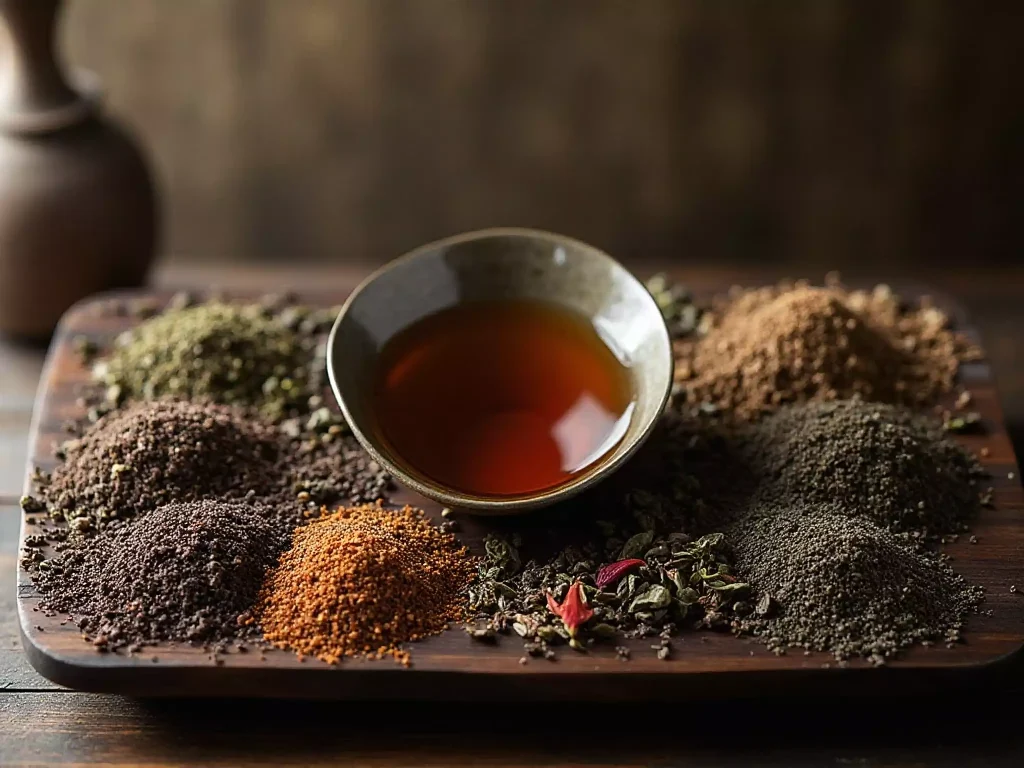
Yunnan, the cradle of tea, boasts a rich tapestry of craftsmanship where ancient large-leaf trees yield some of the world's most revered brews. At the heart of this tradition lie three icons: Raw Pu'er (Sheng Pu'er), with its slow, natural evolution; Ripe Pu'er (Shou Pu'er), accelerated through innovative fermentation; and Dianhong, the bold black tea celebrated for its honeyed depth. All rooted in Camellia sinensis var. assamica, these teas diverge through processing, revealing how human ingenuity either amplifies or tempers the raw power of terroir—the unique imprint of soil, climate, and altitude. In this guide, we'll explore their shared genetics, distinct journeys, and why simpler processes often better preserve Yunnan's geological flavors.
Yunnan’s Large-Leaf Tea Kingdom
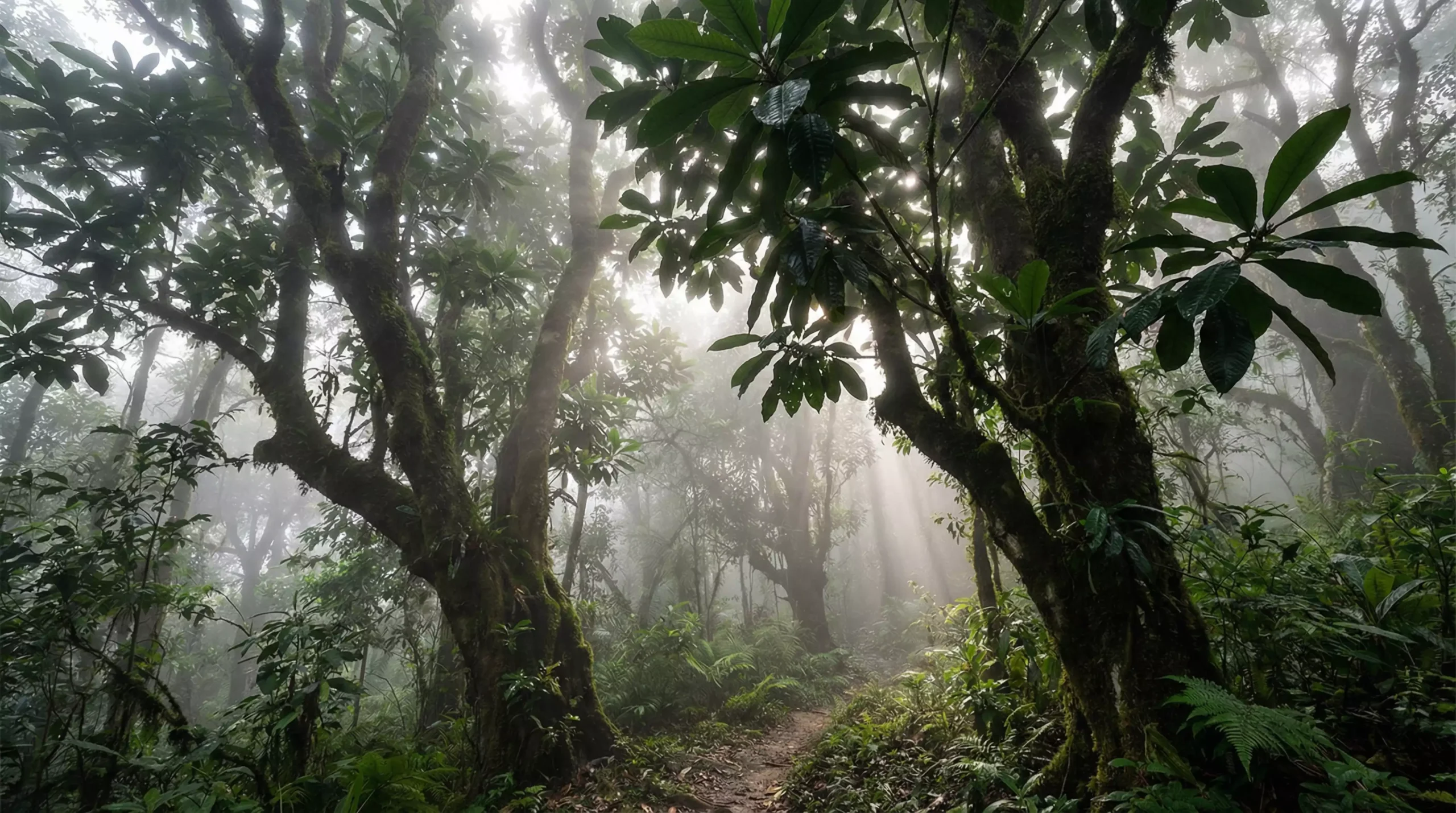
The foundation of Yunnan's tea legacy is the large-leaf variety (Camellia sinensis var. assamica), dominating production in regions like Menghai, Yiwu, and Lincang. These ancient trees, often centuries old, thrive in high-altitude, misty environments, imparting unmatched depth to Raw Pu'er, Ripe Pu'er, and Dianhong alike.
By national standard (GB/T 22111), Pu'er tea—whether Raw or Ripe—must use sun-dried large-leaf maocha. Dianhong, while not strictly regulated, relies on the same base for its authentic character. Small-leaf varieties appear rarely in Yunnan (e.g., Kunming), but they lack the robustness needed for these styles.
Genetic Gifts: The Biochemical Edge of Large-Leaf Tea
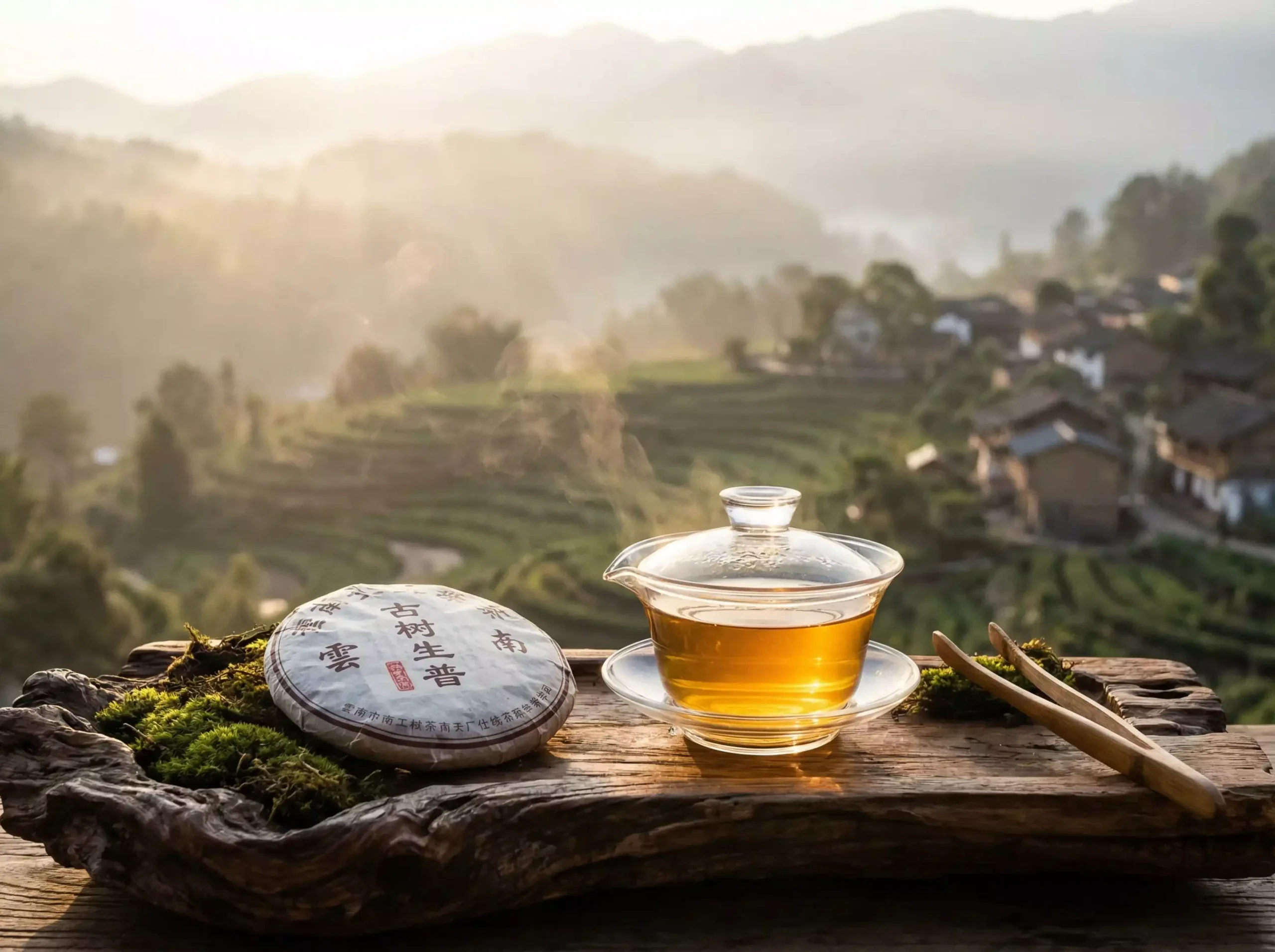
Yunnan's large-leaf tea boasts a biochemical profile that fuels the transformations in Raw Pu'er, Ripe Pu'er, and Dianhong, from high polyphenols enabling oxidation to soluble solids ensuring endurance.
Raw Pu'er (Sheng Pu'er): Natural Aging and Terroir Purity
Raw Pu'er emphasizes minimal intervention, allowing time and environment to shape its character. Starting with fresh large-leaf maocha, the process involves spreading, kill-green (to halt oxidation), rolling, and sun-drying—preserving the tea's innate vitality for gradual transformation.
This method retains up to 85% of the terroir: high-altitude notes like rusty rock fissures or mossy decay emerge vividly, especially from ancient trees in Banzhang or Yiwu. Young Raw Pu'er is brisk and astringent, evolving into mellow, floral-woody depths over years, with strong cha qi (tea energy) and enduring infusions.
Ripe Pu'er (Shou Pu'er): Accelerated Fermentation and Unified Profiles
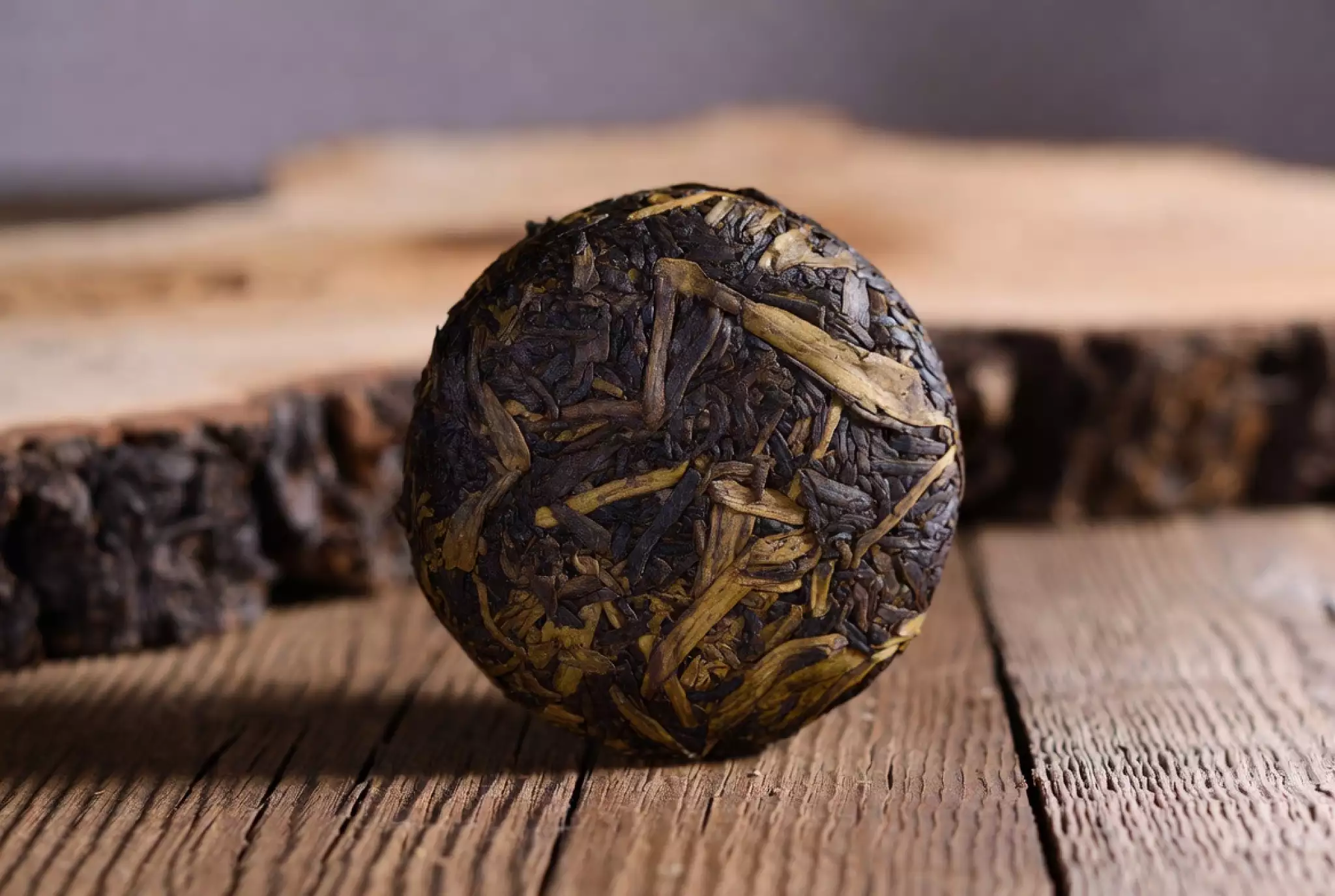
Invented in the 1970s to mimic aged Raw Pu'er, Ripe Pu'er uses wet-piling (wo dui): sun-dried maocha is moistened, piled, and fermented for 45–60 days under controlled heat and humidity, accelerating microbial activity.
While convenient for quicker maturity, this process masks about 85% of terroir—regional traits like mineral sharpness give way to a standardized earthy "pile taste" (wo wei), with notes of dates, wood, and medicine. The result is smooth, thick liquor with less astringency, ideal for daily drinking, but less expressive of Yunnan's diverse geology compared to Raw.
Dianhong: Bold Oxidation and Sweet Transformation
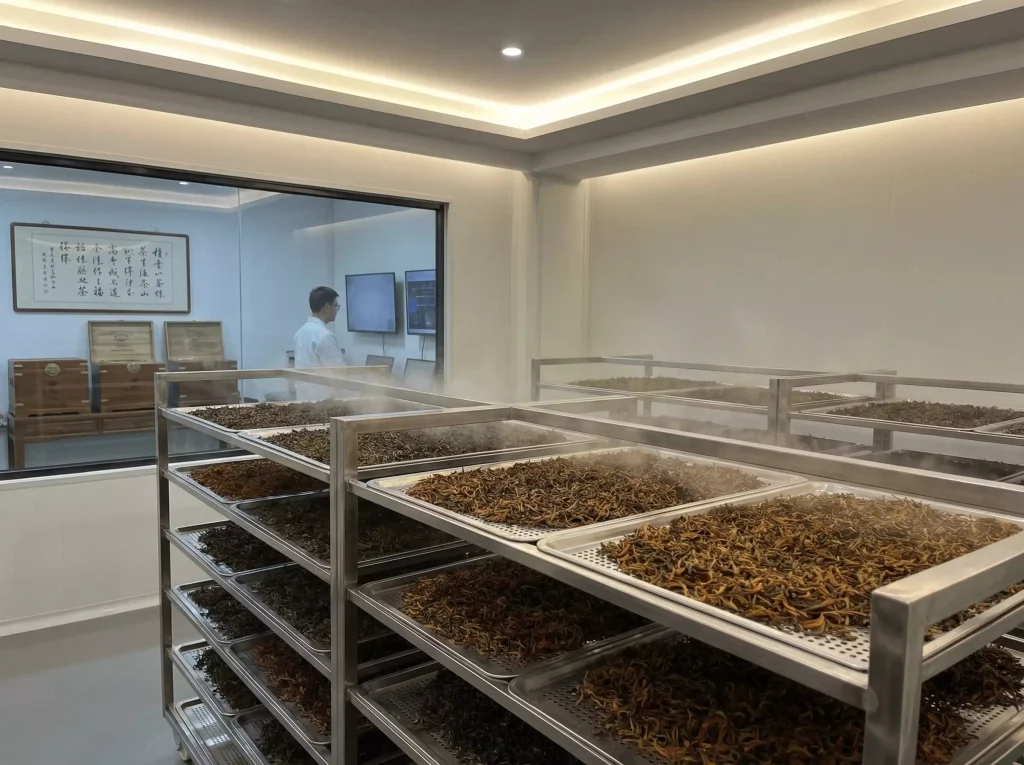
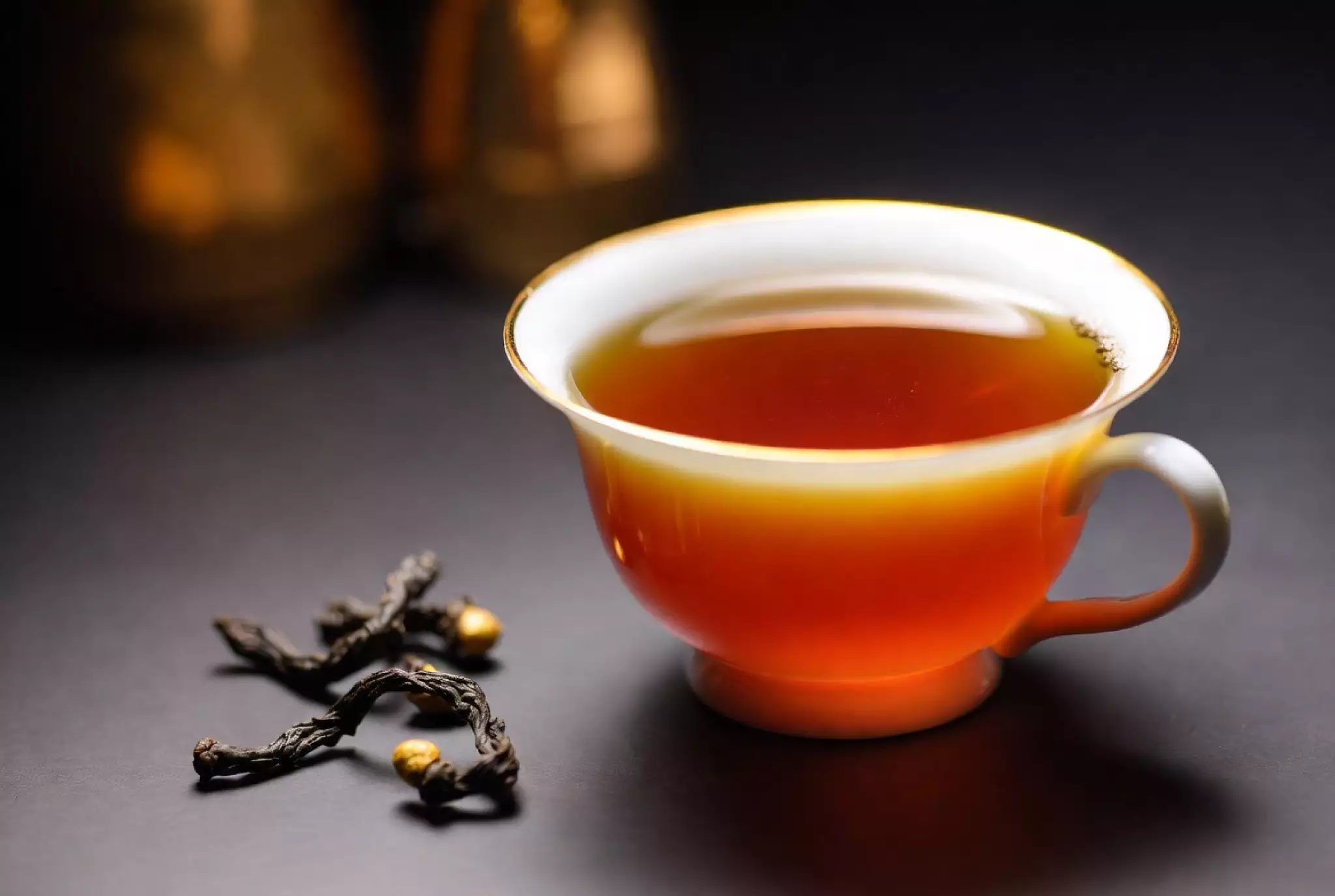
Dianhong, Yunnan's black tea, undergoes full enzymatic oxidation: withering softens leaves, rolling bruises cells, fermentation (2–4 hours) converts catechins, and drying locks in flavors.
Interfering with about 35% of terroir, it highlights sweetness—high polyphenols yield bright amber liquor with honey, malt, and floral notes, plus golden tips from bud-rich cultivars like Fengqing. Bold yet refined, it's less about long aging and more about immediate vibrancy, with enduring re-steepability.
Comparative Analysis: Processing Impact on Flavor and Terroir
Despite shared roots, processing dictates how much of Yunnan's terroir shines through:
For terroir purists, Raw Pu'er excels in revealing geological nuances; Ripe offers accessibility with uniformity; Dianhong balances boldness and elegance.
Conclusion: The DNA of Yunnan’s Tea Soul
Raw Pu'er, Ripe Pu'er, and Dianhong embody Yunnan's tea artistry, each leveraging large-leaf genetics while varying in terroir fidelity. Raw's minimalism preserves ancient imprints like rock fissures; Dianhong's oxidation crafts accessible sweetness; Ripe's innovation delivers mellow depth at the cost of regional subtlety.
Whether seeking purity or convenience, these teas invite exploration. Discover our Yunnan selections and train your palate to discern their stories.
Frequently Asked Questions
Raw Pu'er preserves the most (minimal interference), Dianhong balances it with sweetness, and Ripe Pu'er masks much through fermentation.
Yes, but it's already "pre-aged"; further storage mellows pile taste but doesn't restore lost terroir.
Its high polyphenols and extractives provide the structure needed for oxidation, aging, or piling.
Raw: 95°C, short steeps; Ripe: 100°C, longer; Dianhong: 90°C, 3–5 min.
Continue Your Tea Journey
- Matcha vs Dianhong: Which Boosts Energy Better?
- Raw vs Ripe Pu'er: Complete Guide & Flavor Comparison Chart
- Yunnan Dianhong vs. Darjeeling Tea: Why Do They Taste Different?
- Common Shapes of Pu'er Tea and Their Pros and Cons
- Twin Pillars of Yunnan Tea: Decoding the Genetic Code of Dianhong and Sheng Pu'er