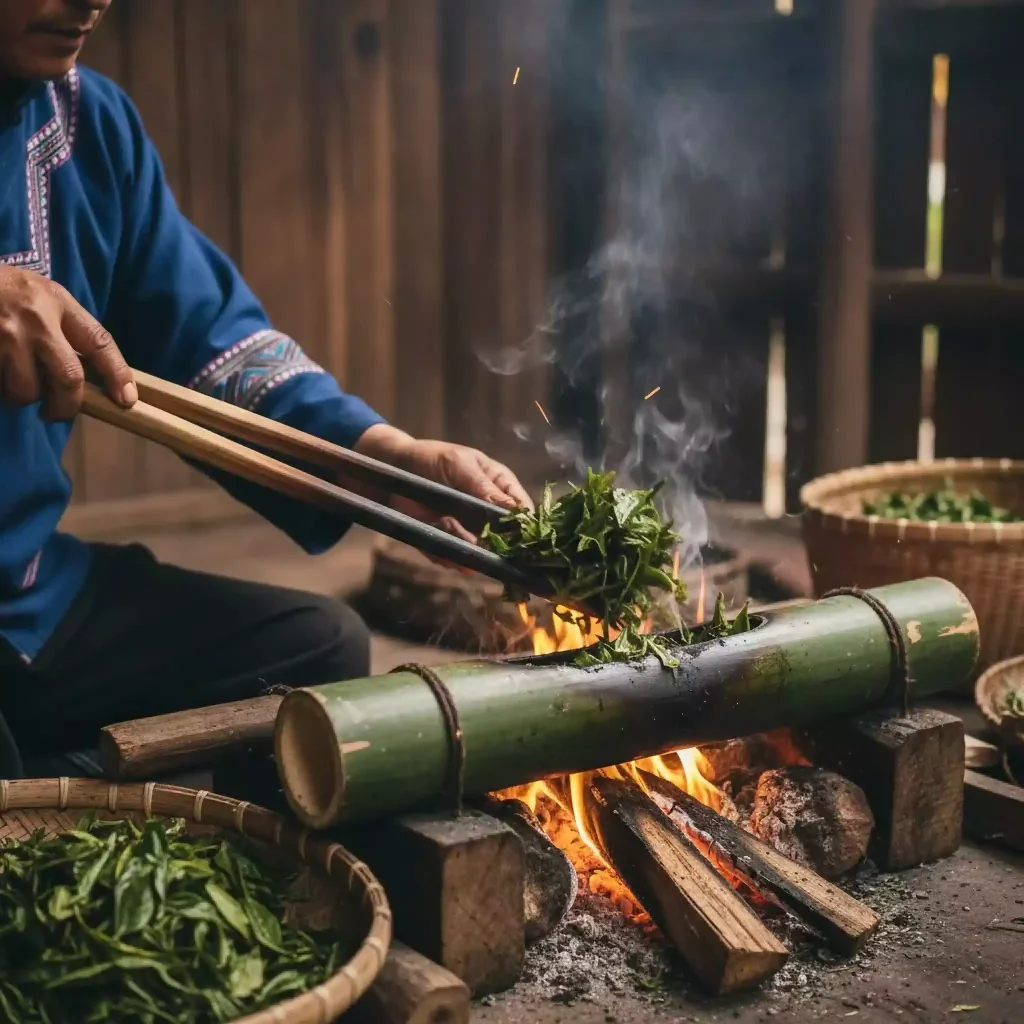
Twin Pillars of Yunnan Tea: Decoding the Genetic Code of Dianhong and Sheng Pu'er
Introduction
In the world of Yunnan tea, the golden richness of Dianhong and the aged depth of Sheng Pu’er shine like twin stars in the highland sky. Though distinct in flavor and production, both are rooted in the same source: the bold, powerful large-leaf tea trees (Camellia sinensis var. assamica) that define Yunnan’s terroir. Explore their shared heritage and unique journeys in this guide, crafted for tea enthusiasts seeking to understand their essence, as inspired by the Tea Tasting Series.
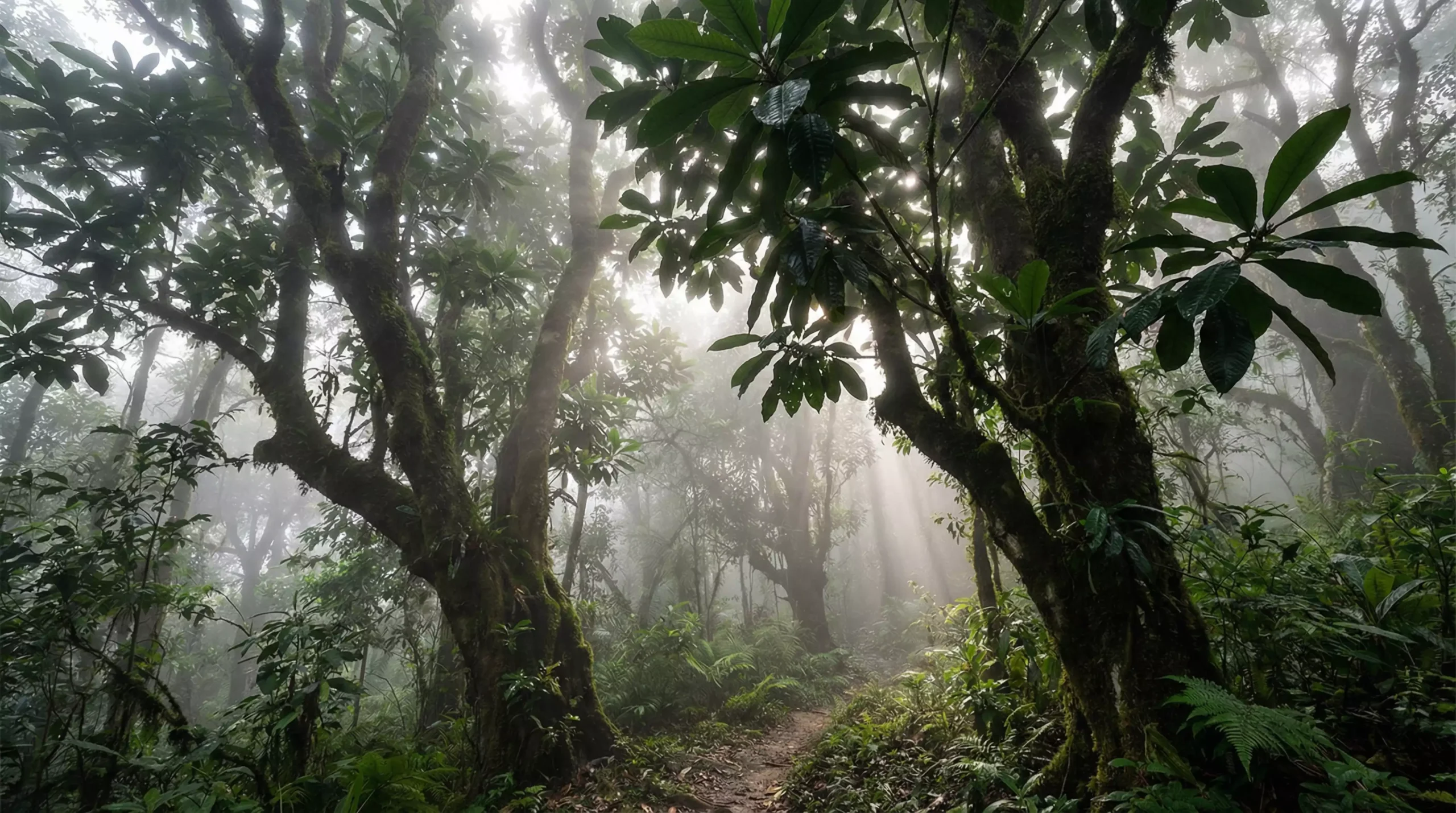
Yunnan’s Large-Leaf Tea Kingdom
- Absolute Dominance: The vast majority of tea used in both Dianhong black tea and Sheng Pu’er comes from large-leaf tea trees, a testament to centuries of cultivation in regions like Menghai and Yiwu, as explored in People of Menghai.
- Representative Cultivars:
- Mengku Large-Leaf: Centered around Shuangjiang, Lincang, this cultivar is known for thick, substance-rich leaves ideal for both high-end Dianhong and Sheng Pu’er.
- Fengqing Large-Leaf: Origin of Dianhong. Bud-heavy, furry, and ideal for producing the signature strong, sweet, and golden-streaked Dianhong style.
- Menghai Large-Leaf: The backbone of Sheng Pu’er in Xishuangbanna, especially in areas like Bulang and Banzhang. Known for intensity and aging potential.
- Other Local Varieties: Collectively known as “Yunnan Large-Leaf Group”, these contribute regional character to both tea types.
-
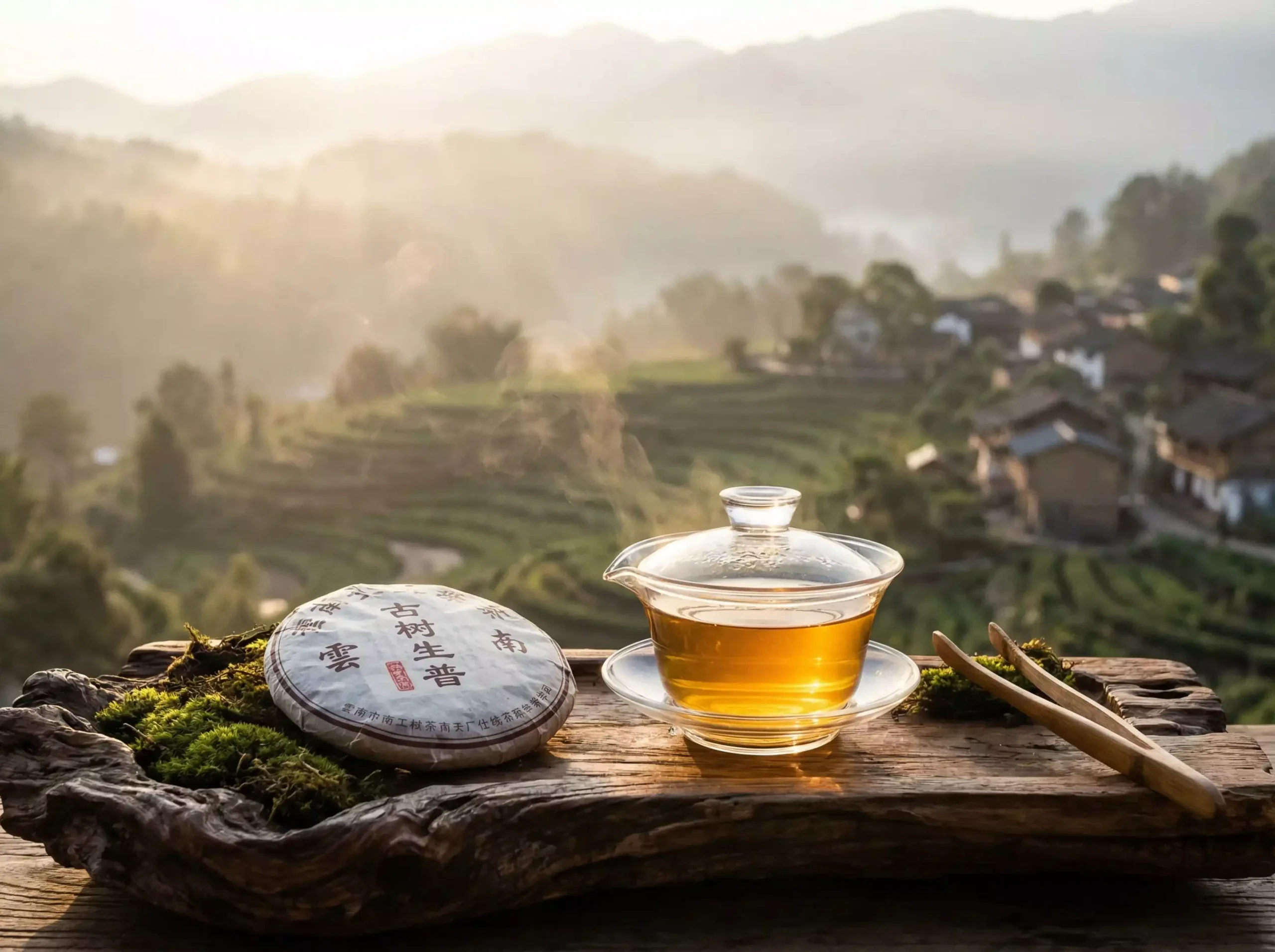 Standard Definition:
 - Pu’er Tea (GB/T 22111): Must be made from sun-dried large-leaf raw tea. Small-leaf versions, regardless of technique, do not qualify, per tea classification standards.
- Dianhong: Not legally defined, but universally agreed upon as based on Yunnan large-leaf tea. Without it, true Dianhong character is lost.
- Small-leaf in Yunnan? Exists in limited areas like Kunming or Dali, but not used in core Dianhong or Sheng Pu’er production due to incompatible flavor traits.
To talk about Dianhong and Sheng Pu’er is to talk about Yunnan large-leaf tea. Nothing else forms their true base.
Genetic Gifts: The Biochemical Edge of Large-Leaf Tea
The unique biochemistry of Yunnan’s large-leaf tea, studied in works like a 2020 tea genetics study, drives the distinct profiles of Dianhong and Sheng Pu’er:
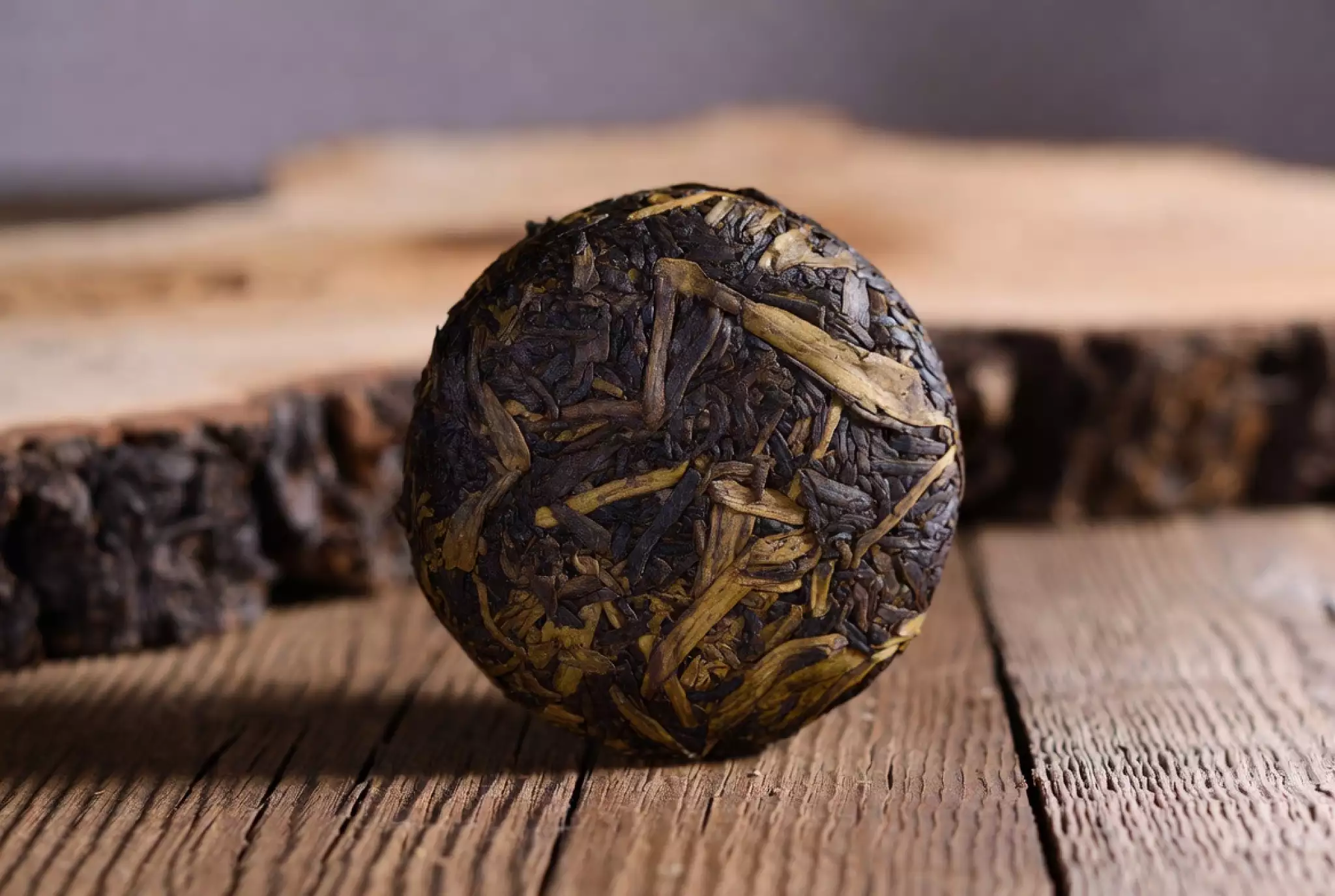
| Core Trait | Expression | Impact on Dianhong | Impact on Sheng Pu’er |
|---|---|---|---|
| Large, thick leaves | 15–30cm+, leathery, slow to age | Great for shaping into golden needle/loose leaf; fat buds = visible golden tips | Stores more material; ideal for sun-drying & ancient tree harvesting |
| High polyphenol content | 30–40%+, esp. ester-type catechins | Ferments into abundant theaflavins/thearubigins; results in bright color, sweet-fruity aroma, bold taste | Forms basis for slow microbial transformation into complex, mellow aged profiles |
| High caffeine | Above small-leaf types | Gives strength & depth; contributes to "clouding" with TF | Provides bitter base; gradually mellows during aging |
| Rich in soluble solids | >40% extractives common | Excellent endurance; 8–10 infusions still flavorful | Supports long-term aging; ancient trees especially long-lasting |
| Sugar & pectin | Especially in young shoots | Adds honey-like sweetness and smooth texture post-fermentation | Feeds microbes; helps create rich, soft mouthfeel over time |
| Aroma precursors | Unique composition in large-leaf genetics | Transforms into fruity/floral/sweet potato notes during oxidation & drying | In raw & aged states produces evolving aromas: floral → aged wood/herbal |
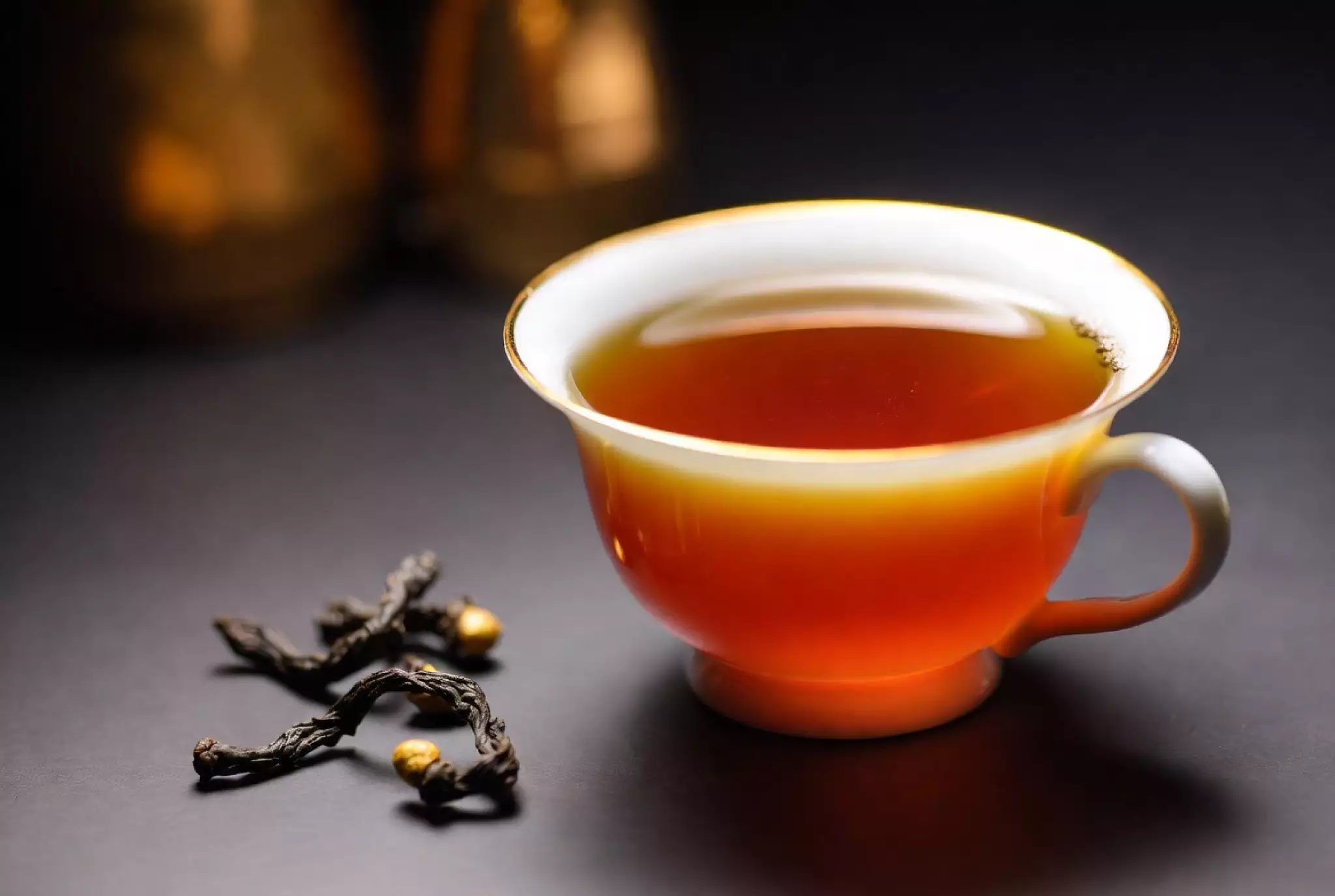
Dianhong vs. Sheng Pu’er
Despite their shared genetic roots, Dianhong and Sheng Pu’er diverge through processing, as detailed in How to Drink Tea Like a Master:
| Aspect | Dianhong (Fermentation Route) | Sheng Pu’er (Sun-Drying & Aging) |
|---|---|---|
| Core Process | Withering → Rolling → Full Fermentation → Drying | Spreading → Kill-green → Rolling → Sun-drying → Natural Aging |
| Polyphenol Transformation | Rapid oxidation into TF/TR; bright, strong, fresh, sweet | Slow microbial oxidation; forms theabrownins, layered aged flavors |
| Flavor | Bold, sweet, floral; red liquor with golden rim; immediate drinking peak | Fresh → bitter/astringent → sweet aftertaste; over time: mellow, deep, medicinal, woody |
| Large-leaf Advantage | High polyphenols = strong liquor; soluble matter = endurance; sugar = sweetness; aroma = high fragrance | Polyphenols = aging potential; extractives = long transformation; complex compounds = depth |
Conclusion: The DNA of Yunnan’s Tea Soul
The vibrant red swirls of Dianhong, the earthy depth of aged Sheng Pu’er—all owe their power to the biochemical bounty hidden in the thick green leaves of Yunnan’s large-leaf tea trees, as seen in regions like Menghai. This genetic base grants:
- Unmatched strength from high polyphenols
- Durability through high soluble solids
- Characterful fragrance from unique aroma compounds
Learn to savor these teas with our Training Your Tea Palate guide.
To choose Dianhong is to taste fire-forged sweetness. To drink Sheng Pu’er is to witness mellowing through time. Both are expressions of the same ancient genetic story—written in the bold leaves of Yunnan’s mountains.