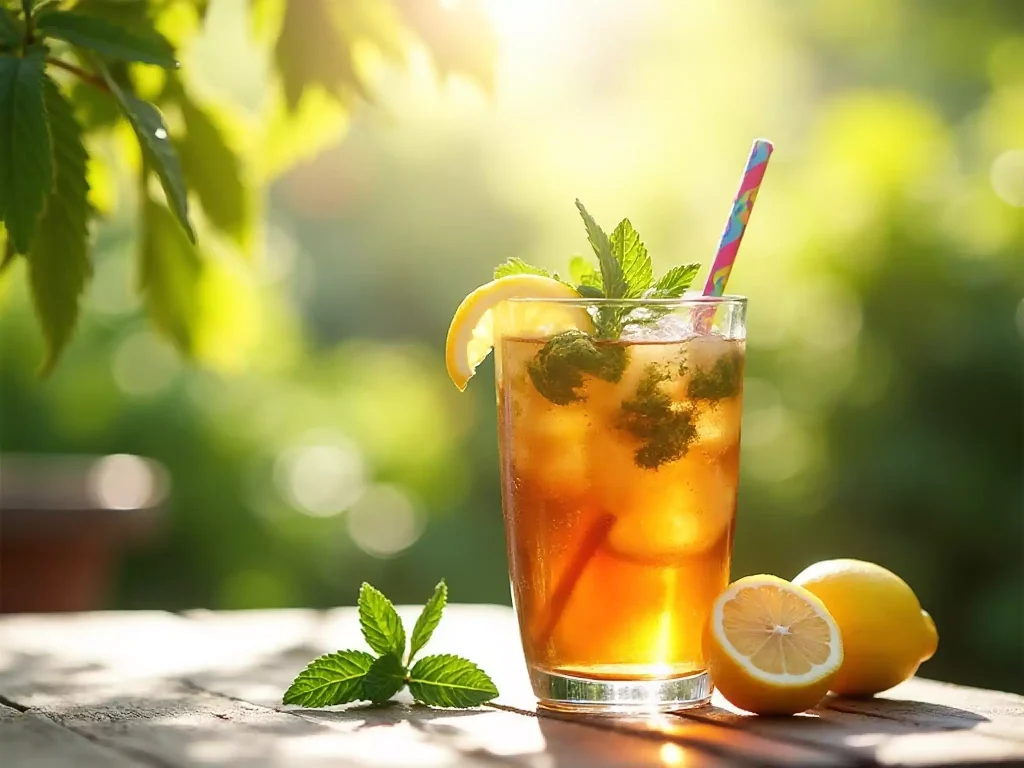
One Leaf, Many Worlds: The Universal Art of Brewing Tea
From the spring-fresh delicacy of Chinese Longjing to the bergamot kiss of British Earl Grey;
from the mineral elegance of Wuyi Rock Tea to the timeless depth of aged Pu-erh.
The world of tea is vast—but one simple philosophy unlocks them all.
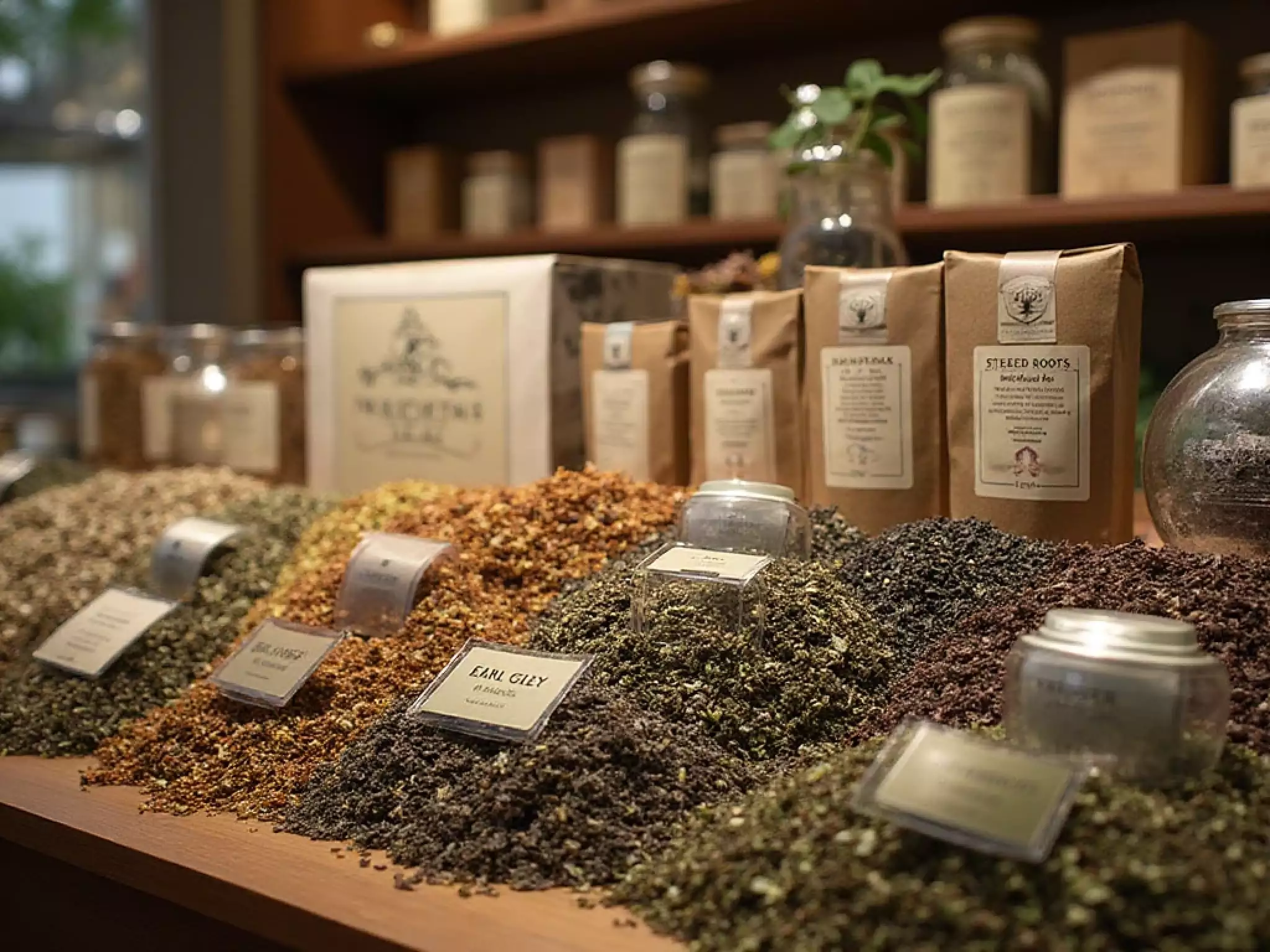
Early morning. Water just shy of a boil. Leaves unfurling in the pot like hills waking to spring. You've probably wondered: why does the same tea taste vibrant one day and bitter the next? The truth is, tea—like people—has its own personality. Master one simple framework, and you'll brew confidence into every cup, turning everyday moments into quiet rituals of presence.
🍃 Mindful Brewing: A Moving Meditation
In Eastern tradition, we say "Cha Chan Yi Wei"—"Tea and Zen share the same flavor." Brewing isn't just extraction; it's an invitation to slow down. The rhythm of your pour, the way leaves dance in hot water, the pause before you sip—these aren't techniques. They're anchors. When you're fully here, tea becomes more than a drink. It becomes a conversation with the present moment.
I. The Soul of Tea: How Processing Shapes Character
A tea's oxidation level is like a chapter in its life story—it defines how it speaks to your palate. Understand this, and you've found your first key to brewing with intention.
🌱 Unoxidized Teas: Capturing Spring's Breath
Green teas, yellow teas, and Japanese sencha are like youth: fresh, vibrant, full of possibility. Minimal oxidation preserves their grassy, vegetal, or nutty notes. But delicacy demands respect—water that's too hot is like shouting in a library.
- Temperature Guide: 75–85°C (167–185°F) to coax out freshness without scalding
- A Moment in Daily Life: On a quiet afternoon, watch Longjing leaves stand like tiny spears in a glass cup. The steam carries a scent of toasted chestnuts—a small luxury that asks for nothing but your attention.
🍂 Partially Oxidized Teas: The Art of Balance
Oolongs like Tieguanyin or Wuyi Rock Tea live in the beautiful in-between. They carry the fragrance of flowers, the sweetness of fruit, the warmth of roasted nuts—all at once. Brewing them is like listening to a jazz improvisation: structure meets spontaneity.
- Temperature Guide: 85–95°C (185–203°F) to unlock layered aromatics
- A Moment in Daily Life: On a crisp autumn evening, steep an oolong seven times. Each infusion tells a slightly different story—a gentle reminder that change can be beautiful.
🍁 Fully Oxidized Teas: Wisdom in a Cup
Black teas and ripe Pu-erh are like elders: deep, comforting, generous. Full oxidation or post-fermentation brings out notes of honey, dried fruit, or earthy richness. They're perfect for sharing, or for those mornings when you need a quiet hug in liquid form.
- Temperature Guide: 95–100°C (203–212°F) to fully express their depth
- A Moment in Daily Life: Winter light through the window. A cup of Dianhong warms your hands, its amber glow echoing the golden hour outside. Sometimes, simplicity is the deepest luxury.
II. The Shape of Tea: Choosing Vessels That Honor the Leaf
How a tea is formed shapes how it wants to be brewed. Selecting the right vessel isn't about rules—it's about respect.
🌀 Tightly Rolled Leaves: Give Them Room to Bloom
Ball-shaped oolongs like Tieguanyin unfurl dramatically when steeped. They need space—wide-bowled gaiwans or Yixing pots let them expand fully, releasing their character without constraint.
- Recommended Vessels: Porcelain gaiwan (to watch the dance), Yixing clay (to deepen the aroma)
🍃 Tender Buds & Delicate Leaves: Handle with Care
Premium greens like Longjing or Bi Luo Chun are graceful but fragile. A clear glass cup showcases their elegant "tea dance" while preventing over-extraction. Transparency isn't just aesthetic—it's functional poetry.
- Recommended Vessels: Tall glass tumbler, thin-walled porcelain pot
- Pro Tip: Try the "top-down" method: pour water first, then add leaves. It's like a gentle rain awakening seeds.
🧱 Compressed Teas: Awakening Time
Pu-erh cakes and brick teas hold years of aging in dense form. Before brewing, give them a quick "awakening rinse"—a brief wash with hot water to loosen the leaves and invite their story to unfold.
- Recommended Vessels: Large gaiwan or Yixing pot, giving aged leaves room to breathe
III. Preparation: Small Gestures, Meaningful Rituals
Great tea doesn't require complexity. Just a few intentional habits can transform your daily cup:
- Measuring: For loose leaf, start with 1–2 tsp per 8 oz water. For compressed teas, a little more honors their concentrated nature.
- Water Quality: Soft, filtered water lets tea speak clearly. As ancient tea masters noted, "Mountain spring is best; river water, second; well water, third." Today, clean water is your accessible mountain.
- Timing: Green tea: 1–2 min | Oolong: 2–3 min | Black/Pu-erh: 3–5 min. But remember: your palate is the final authority.
- Multiple Infusions: Quality teas are generous. Oolongs and Pu-erhs often reward 7–10+ steepings—each a new chapter in the same story.
📊 At a Glance: The Universal Brewing Framework
| Tea Category | Water Temp (°C/°F) | Steep Time (Gongfu Style) | Ideal Vessel |
|---|---|---|---|
| Green / Yellow | 75-85°C (167-185°F) | 5–10 sec (quick pour) | Glass / Porcelain |
| Oolong | 85-95°C (185-203°F) | 5–15 sec (rinse first) | Gaiwan / Yixing |
| Black / Pu-erh | 95-100°C (203-212°F) | 5–10 sec (steady rhythm) | Clay Pot / Gaiwan |
* Gongfu brewing emphasizes short, repeated infusions to explore a tea's evolving character.
→ Learn the Gaiwan Method
⚖️ The Golden Ratio: Finding Your Perfect Balance
Too much leaf? Bitter. Too little? Weak. The sweet spot is personal—and part of the joy of tea.
① Gongfu Style (Gaiwan / Small Pot)
Higher leaf-to-water ratio with quick steeps. Ideal for savoring nuance, like a focused conversation with a dear friend.
| Vessel Capacity | Tea Amount (grams) | Best For |
|---|---|---|
| 100ml | 6g | Solo or intimate sharing |
| 150ml | 8g | Small gatherings |
| 180ml | 10g | Hosting 3–4 guests |
② Western Style (Mug / Large Infuser)
Lower leaf concentration with longer steeping. Perfect for relaxed mornings or office breaks—comfort without ceremony.
| Water Volume | Tea Amount (grams) | Steep Time |
|---|---|---|
| 400-500ml (Mug / Small Pot) | 2g | 2–5 minutes |
| 1000ml (Sharing Pitcher) | 4-5g | 10–15 minutes (mild profile) |
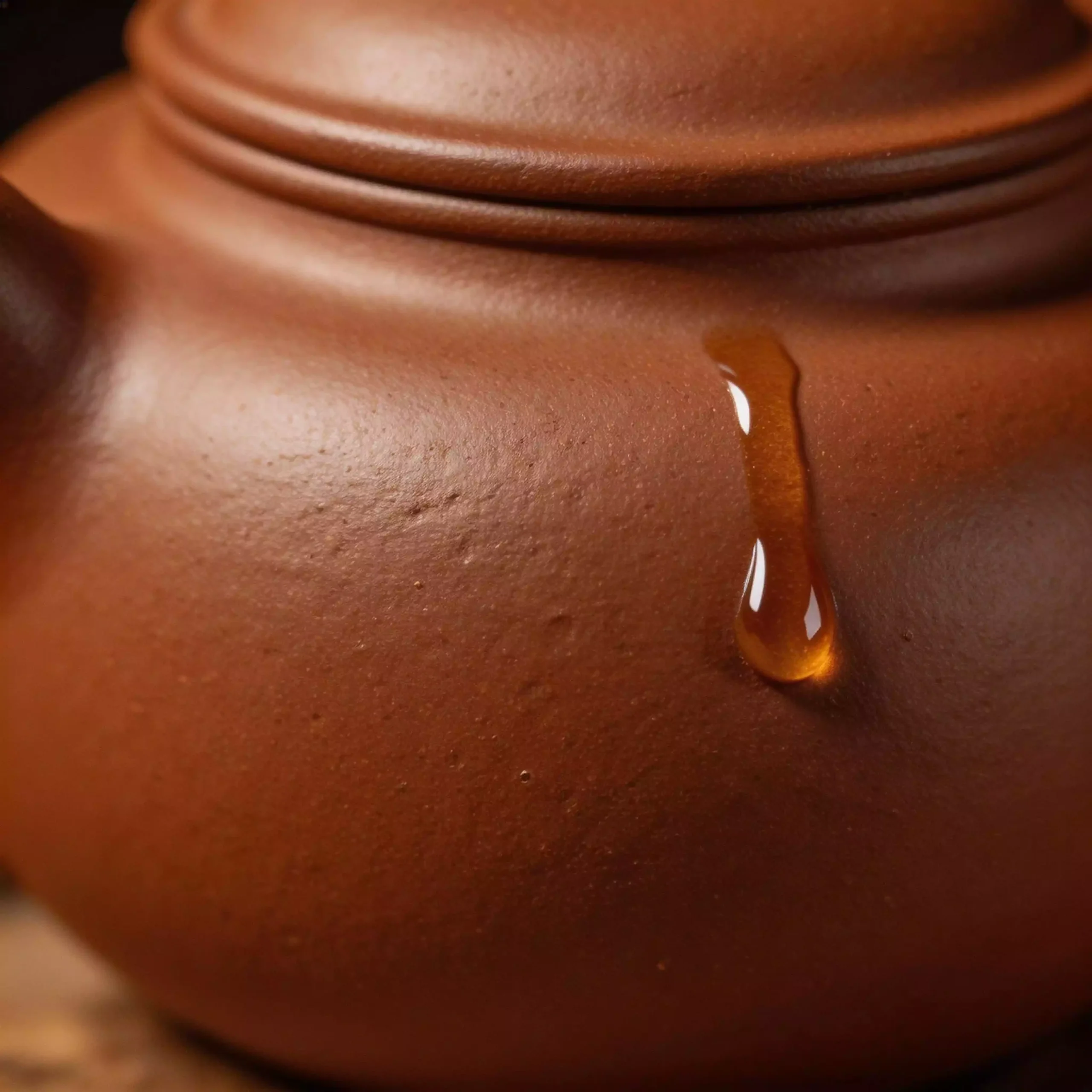
IV. Aroma: Let Your Nose Lead the Way
Before the first sip, pause. Bring the cup close. Floral? Fruity? Toasty? Earthy? A tea's aroma is its opening line. A gentle swirl releases volatile compounds—your first taste, before the liquid even touches your lips.
→ Curious about tea aromatics? Start Here: The Art of Tea Tasting
V. Taste: Keep It Human
A great cup of tea doesn't need a vocabulary test. If it feels pleasant in your mouth, finishes clean, and leaves you wanting another sip—you've succeeded. Your palate is wise. Trust it.
Core Philosophy: Tea isn't a performance. It's an exploration. Permission to "not know" is often the doorway to discovery.
✨ The Universal Tea Framework: In Three Lines
Match temperature to processing.
Match vessel to leaf shape.
Adjust time to your taste.
Remember these, and you hold the essence of mindful brewing.
❓ Frequently Asked Questions
Begin with approachable styles: a fragrant Tieguanyin oolong or a high-quality green tea. Their balanced profiles are forgiving and expressive. If you prefer deeper, earthy notes, a ripe Pu-erh is also beginner-friendly.
→ Complete Beginner's Tea Guide
Technically, yes—but different vessels highlight different qualities. Yixing clay enhances aged teas and oolongs by absorbing and returning aroma; porcelain gaiwans offer neutrality for comparative tasting; glass showcases the visual beauty of delicate greens. Let your intention guide your choice.
Start with two questions: What aromas draw you in? (floral, citrus, woody, sweet?) What mouthfeel feels satisfying? (light and crisp, or rich and lingering?) Keep a simple tasting note—just a word or two—and patterns will emerge over time.
→ Train Your Tea Palate: A Gentle Practice
It depends on the tea and your style: delicate greens often yield 2–3 satisfying infusions; high-quality oolongs can go 7–10+ rounds; aged Pu-erhs may offer 15+ evolving cups. When the flavor turns thin or the aroma fades, it's a gentle signal to begin anew.