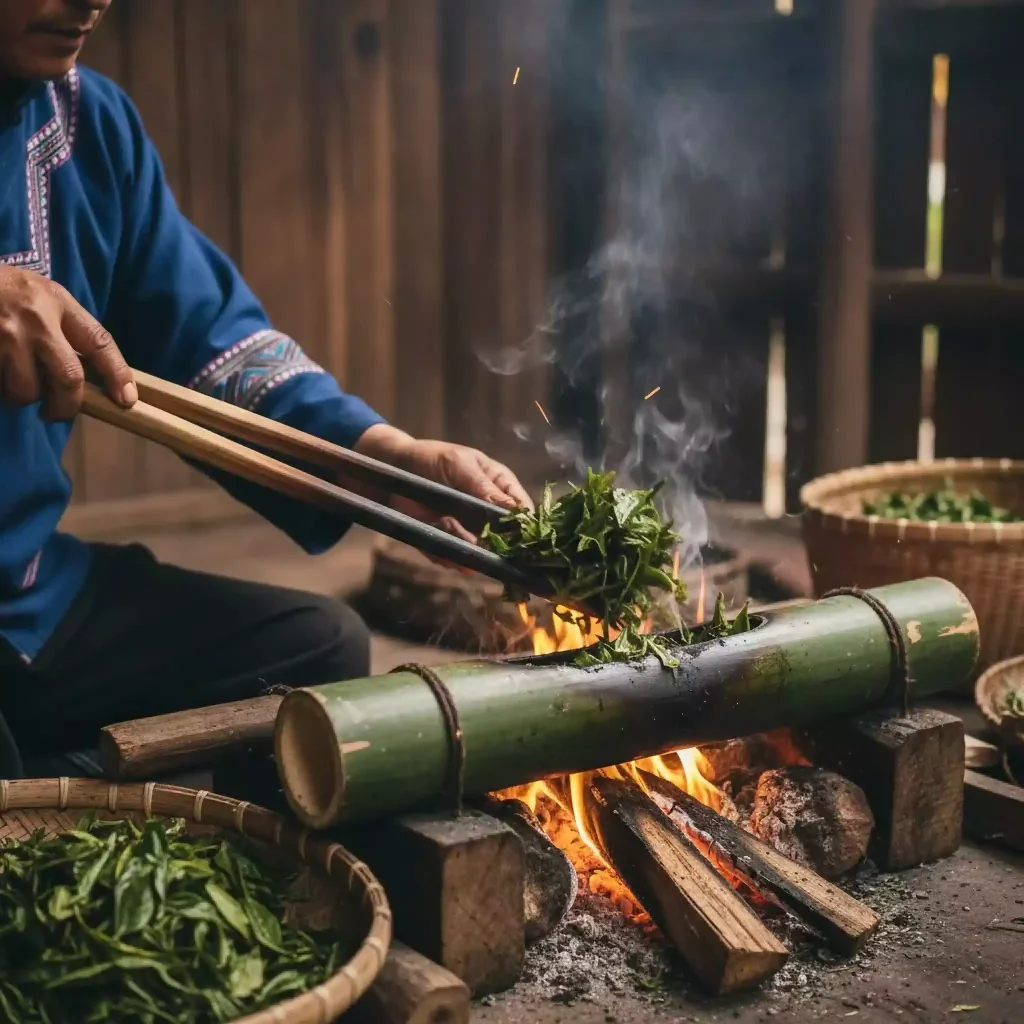
Tea-Horse Road: Shaping Global Tea Culture
Explore the ancient Tea-Horse Road’s journey from Yunnan’s Pu-erh to its lasting legacy in today’s tea culture with SteepedRoots.
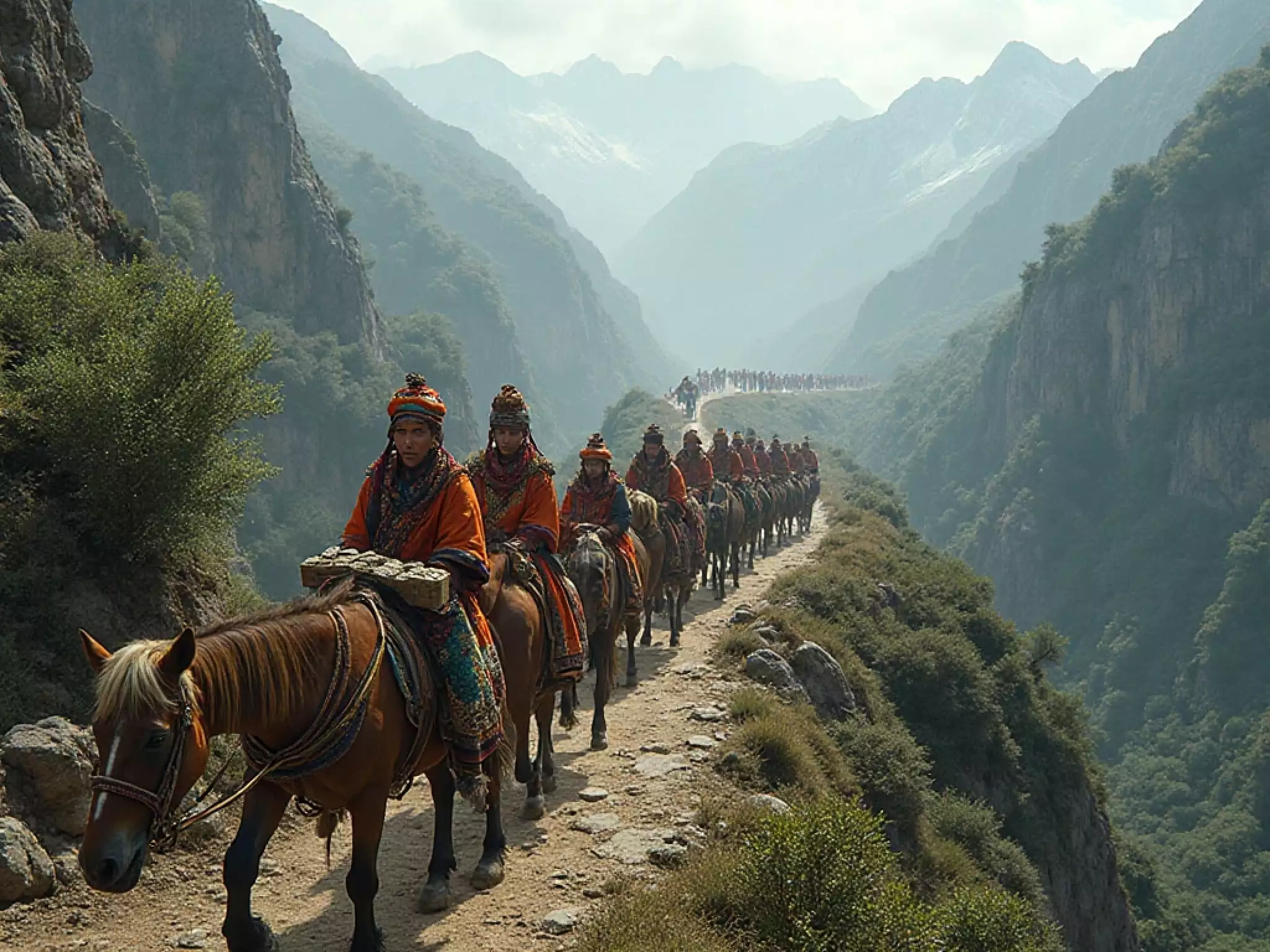
A path etched by hooves and human footsteps, winding through the rugged peaks of Yunnan, Sichuan, and the Tibetan plateau—this is the Tea-Horse Road. More than an economic lifeline connecting highlands to lowlands, it was a cultural river that carried the aroma of tea to the world. The lingering echo of mule bells, laden with goods and the mission of cultural exchange, still resonates in every cup of tea today.
Tea-Horse Market: The Dawn of East-West Trade
The Tea-Horse Road originated in the Tang (618–907) and Song (960–1279) dynasties, born from a simple yet profound need: the Han Chinese dynasties required warhorses to defend their borders, while the people of Tibet and Yunnan depended on tea as a daily essential. This gave rise to the institutionalized "Tea-Horse Market," a pioneering cross-cultural trade route in human history.
The ancient path branched into two main arteries:
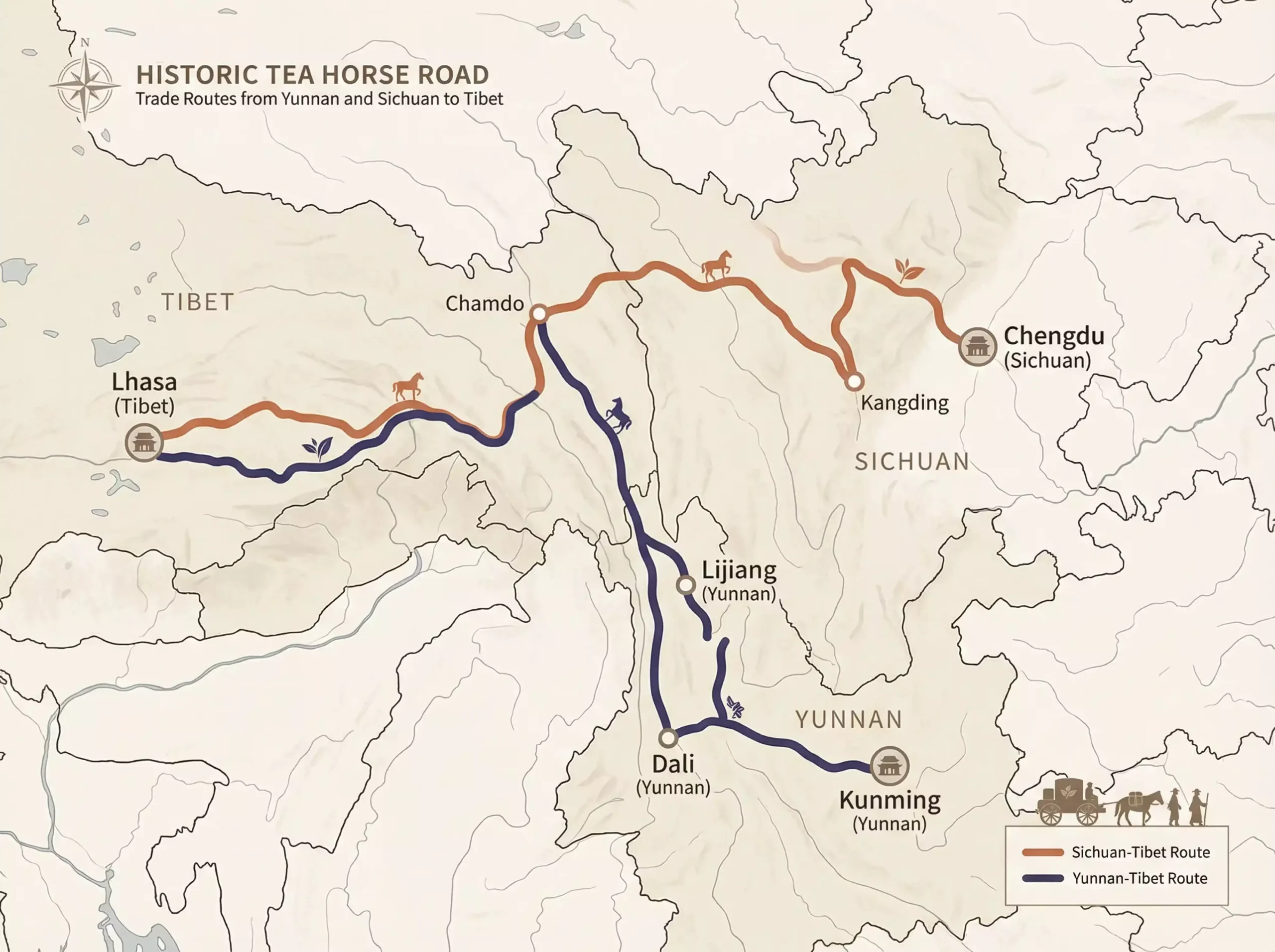
- Sichuan-Tibet Line: Beginning in Ya’an, passing through Kangding and Chamdo, and reaching Lhasa.
- Yunnan-Tibet Line: Starting in the Pu’er tea region, traversing Dali, Lijiang, and Shangri-La into Tibet.
These routes, marked by towering cliffs and unpredictable weather, demanded months of travel by mule caravans—a testament to endurance and wisdom. Picture this: freshly harvested Yunnan tea, tightly pressed into cakes and packed in bamboo baskets, swaying atop mules, accompanied by the chime of bells and the crisp mountain air. The aging scent of Pu-erh intertwined with the plateau’s freshness, marking the beginning of a cultural fusion.
Tea’s Global Journey: Cultural Fusion Along the Ancient Path
The Tea-Horse Road’s most enduring legacy lies in its role as a cultural bridge. As tea flowed along its trails, so did the artistry of its craft and consumption. The Han Chinese tea-making techniques merged with Tibetan traditions, giving birth to butter tea—a hearty brew that warms the body and nourishes the soul, steeped in the highlands’ rugged lifestyle. This exchange extended to Buddhist rituals, languages, and the intricate patterns of local textiles. Learn more in our Tea Tasting Series.
Even more astonishing, the road’s influence reached beyond China’s borders. Through Tibet’s links with India and Nepal, Chinese tea entered South and Southeast Asia, blending with local flavors. From India’s spiced masala chai to Thailand’s herbal infusions, each region penned a unique chapter in the global tea narrative, all rooted in the dust and footsteps of the ancient path.
Historical Fact: During the Song Dynasty, a single top-tier horse could be bartered for approximately 60-100 kilograms of tea bricks.
Traces of the Ancient Road in Today’s Tea Culture
Though modern highways have silenced the mule caravans, the Tea-Horse Road’s imprint remains vivid in the world’s tea culture. Discover the right tools to brew these teas with our Teaware Guide.
- The International Renown of Pu-erh Tea: Pu-erh, the soul of the Tea-Horse Road, has journeyed from Yunnan’s misty mountains to global acclaim, developing a unique aging culture where "the older, the better" reigns. Today, from Tokyo to Toronto, Pu-erh enthusiasts savor its depth, with aged cakes fetching high prices at auctions—a tribute to the road’s historical legacy.
- Legacy of Diverse Tea-Drinking Traditions: The rich texture of butter tea and the robust milk tea of Mongolia endure as staples of nomadic life. In Western tea houses, you might now enjoy a spiced Pu-erh latte or a butter tea-inspired blend—a modern echo of the ancient road’s cultural alchemy.
- A New Wave of Tea and Travel: The road’s historic sites have become havens for tea tourism. Travelers, scholars, and tea lovers trace its path, visiting Yunnan villages and Tibetan monasteries, tasting brews that bridge past and present. Brands like SteepedRoots champion this tea + travel experience, sparking a global cultural trend.
- Pioneering Fair Trade and Sustainability: The mutual benefit of the Tea-Horse Market foreshadows today’s fair trade principles. Ancient barter emphasized equitable exchange, a value mirrored in modern tea brands that partner directly with farmers to ensure fair wages, sustaining a legacy of ethical trade.
Frequently Asked Questions
What was the Tea-Horse Road?
The Tea-Horse Road was an ancient trade route connecting Yunnan and Tibet, exchanging tea for horses and fostering cultural fusion.
How did the Tea-Horse Road influence Pu-erh tea?
It spread Pu-erh from Yunnan globally, establishing its aging culture and international renown.
Can I visit the Tea-Horse Road today?
Yes, tea tourism lets you explore historic sites in Yunnan and Tibet, tasting Pu-erh along the way.
How does the Tea-Horse Road inspire modern tea culture?
It influences Pu-erh’s global popularity, diverse tea traditions, tea tourism, and fair trade practices.
Conclusion: The Contemporary Lessons of the Ancient Path
Though the Tea-Horse Road no longer thrums with commerce, it flows on in a different form, reminding us that cultural exchange and mutual prosperity can transcend geography and ethnicity, weaving a richer human tapestry. Refine your palate with our Tea Palate Training Guide.
As you hold your cup of tea, imagine the journey of those leaves—perhaps carried across snowy ridges and misty passes by ancient mule trains. A thousand years later, the aroma persists, quietly linking civilizations and memories. With each swirl in your cup, the road continues to tell a new story.
Shop Pu-erh Teas Explore Tea Travel