The Global Impact of the Tea Trade: Economics, Sustainability, and Life
Tea at a Global Crossroads: Beyond Trade Numbers
In September 2025, the world faces major economic changes and sustainability pushes. Industries everywhere must rethink their ways. Tea trade is one such industry. It quietly shapes economies around the globe. This trade—one of the most popular drinks—links economics, society, and the environment. As we enter the last quarter of 2025, tea trade gives us a clear view of global trends and challenges. Discover more about tea's cultural roots with Yunnan's Pu-erh.
But when we talk about billions in trade volume, we must remember: behind every container ship and commodity price, there's a farmer in Xishuangbanna making a decision that affects local biodiversity. True impact isn't measured in container counts—it's measured in how trade gives back to the land.
When we discuss trade figures reaching billions, we shouldn't forget that deep in the mountains of Xishuangbanna, a coffee farmer's decision to switch to tea affects local biodiversity. True influence isn't about the number of containers—it's about how trade gives back to that land.
Tea as a Global Economic Powerhouse: The Human Story
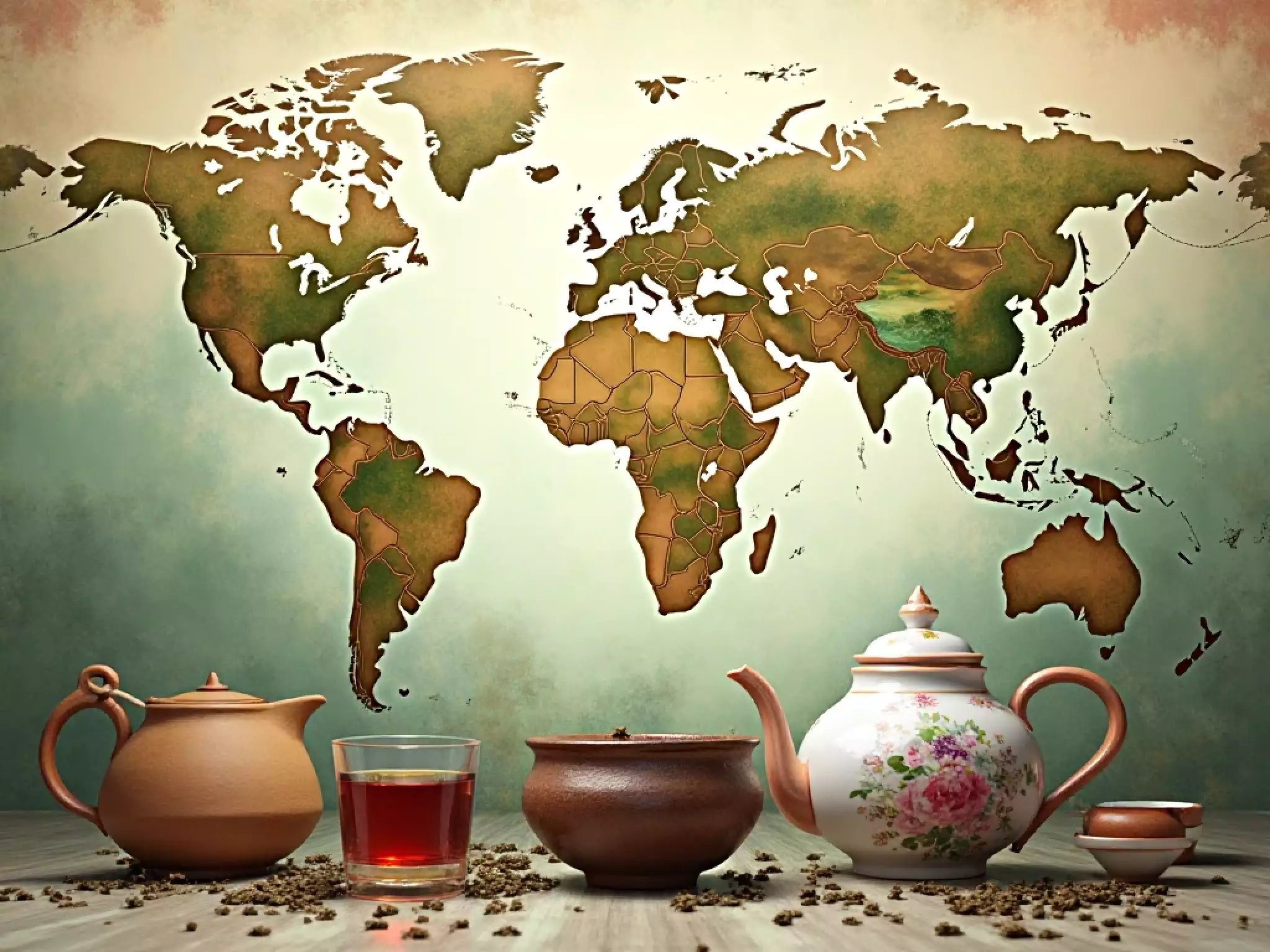
The global tea trade is worth billions. Major exporters like China, India, Kenya, and Sri Lanka lead the market. Tea's reach spans continents, from Assam's vast fields to London's busy markets and New York's cafes.
In 2025, tea trade keeps growing strong. Demand for traditional and specialty teas stays high in many markets. For example, the International Tea Committee (ITC) reports show rising consumption in the West. Younger people love matcha, oolong, and green tea for health perks.
But tea is key for producer countries. The Food and Agriculture Organization (FAO) notes tea as a top export for Kenya and India. Kenya exports the most black tea. It makes up nearly 20% of the country's export money. India's tea work gives jobs to over 3 million people. Many are in rural areas where plantations bring income.
Yet, these economies face issues. Tea prices swing, supply chains break, and climate change hurts. The COVID-19 pandemic and its effects, plus climate changes, show tea's weakness to shocks. Trade wars add more trouble. The U.S.-China trade war has shaken global ties. Tariffs and trade barriers raise costs and mess with logistics for tea like other goods.
In 2025, tea prices change due to crop failures, higher costs from trade tensions, and new tastes. For instance, poor weather in key areas cuts supply. Protectionism makes shipping harder. Consumers shift to healthier teas.
According to the Food and Agriculture Organization (FAO), global tea production has grown significantly, reaching around 6.5–7 million tonnes in recent years, with strong contributions from China, India, and Kenya.FAO Tea Markets Overview.
🌍 Global Tea Trade Flow: From Source to Cup
Ancient Tree Source
Processing Hub
Export Gateway
Global Markets
Each journey represents not just commerce, but centuries of tradition traveling across oceans
The Shift Toward Ethical and Sustainable Global Tea Trade
Tea has long been a basic good. But sustainability is now a big worry. As climate change grows, tea plants suffer. They need steady temperature and rain. Changes in weather already shift growing areas. Farmers must adapt fast or lose crops.
The economic hit from climate change shows in India and Sri Lanka. Higher temperatures and odd rain cut yields. A 2025 Climate Impact Assessment Program report says India could lose 30% of tea by 2050 if trends continue. For tea-reliant economies, this is an economic problem, not just environmental.
Also, bad farming harms forests, soil, and water. These ways make money short-term but hurt long-term. They affect the environment and farmers' lives.
Tea as a dry good has a lower carbon footprint when shipped by sea versus air freight. However, packaging waste remains a critical challenge. At Steeped Roots, our 2g precision packaging reduces waste by eliminating over-brewing and spoilage—each sachet is exactly what you need, nothing more. This micro-correction to global trade's negative impact represents how small innovations can scale toward sustainability.
In 2022, "Traditional Tea Processing Techniques and Related Social Practices in China" were inscribed on the UNESCO Representative List of the Intangible Cultural Heritage of Humanity. This recognition has elevated the premium value of Chinese teas—especially Pu-erh—in global markets, creating new opportunities for sustainable, heritage-based trade that rewards quality over quantity.
Here, a big divide in tea growing appears. Large producers in India and Kenya use big farms for yield. This meets mass demand but creates risks. It ties to global politics and trade. Its money depends on stable ties, which trade wars break.
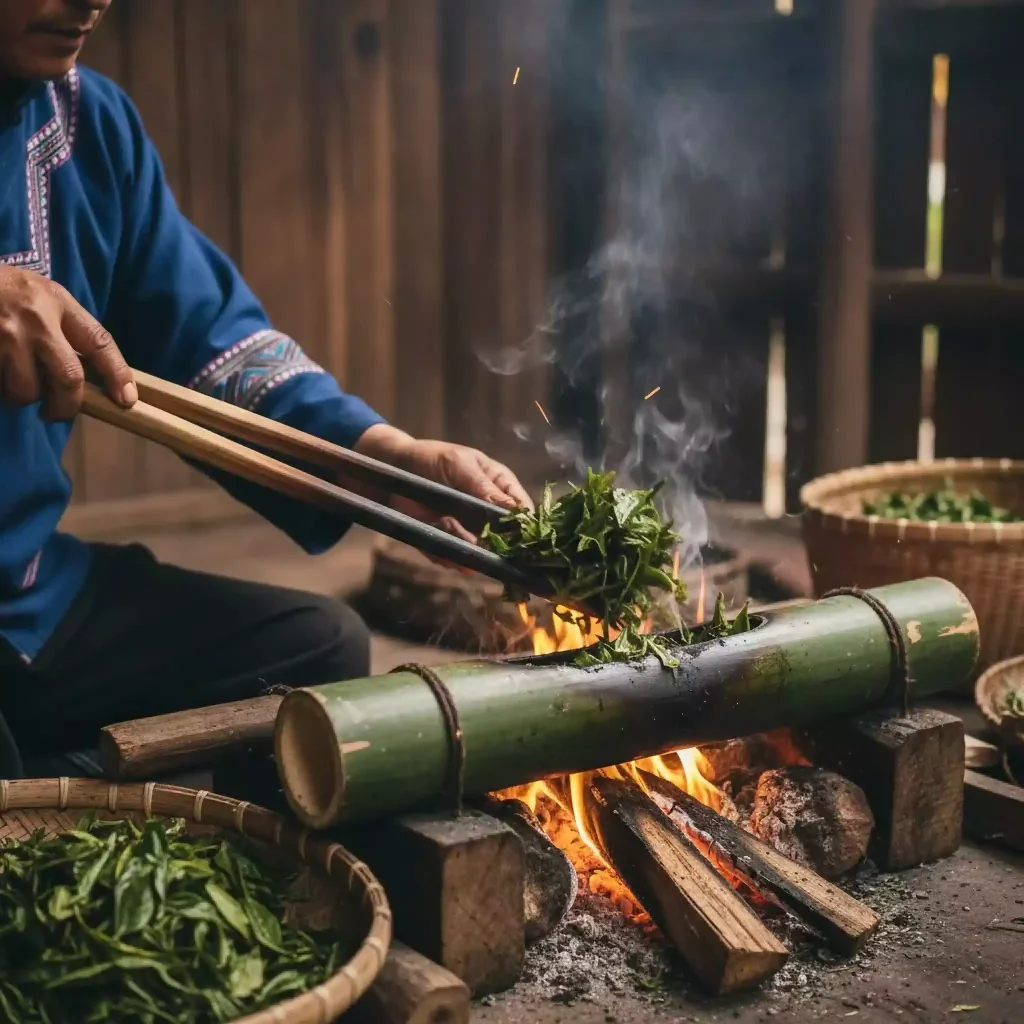
In contrast, Chinese Pu-erh tea from Yunnan's ancient trees follows a different path. Sustainability is built in, passed down for thousands of years. Farmers use little to no human help. No fertilizers, no pesticides, no watering. Trees, some over 1,000 years old, grow wild in diverse forests. Their roots reach deep into mineral soil.
The idea is harmony with nature. Yield is a gift from the land—"天时地利人和" (right weather, place, and people). Farmers are keepers, not bosses. They believe this way makes the best tea with full life. It also protects the land. For fans, this is the true way. It values realness and nature over amount.
This way also handles trade shocks well. It focuses on high-value, small amounts. It uses direct ties with picky buyers. The ancient Pu-erh market resists tariffs and chain problems that hit bulk tea.
As highlighted in the International Institute for Sustainable Development's 2024 Global Market Report on Tea, smallholder farmers produce 60% of the world's tea, yet face challenges in capturing the full social and environmental costs in market prices.IISD 2024 Tea Report: Prices and Sustainability.
Estate Tea vs. Smallholder Ancient Tree Tea: A Sustainability Comparison
| Aspect | Large-Scale Plantations (Estate Tea) | Smallholder Ancient-Tree Pu-erh (Yunnan) |
|---|---|---|
| Production Scale | High-volume, monoculture farms for mass market | Low-volume, wild-grown ancient trees (some 1,000+ years old) |
| Fair Trade Impact | Often corporate-owned; profits may not reach local communities | Direct income to smallholder farmers; supports rural economies |
| Input Use | Fertilizers, pesticides, irrigation common | No fertilizers, pesticides, or artificial watering; natural forest ecosystem |
| Environmental Impact | Soil erosion, biodiversity loss, high water/chemical use | Preserves biodiversity, deep roots protect soil, harmonious with nature |
| Economic Resilience | Vulnerable to price volatility, trade wars, climate shocks | High-value niche market; less affected by bulk trade issues |
| Cultural Value | Commodity-focused; standardized production | UNESCO-recognized heritage; terroir-driven uniqueness |
| Sustainability Model | Yield-focused; needs adaptation for long-term viability | Built-in harmony ("天时地利人和"); focuses on quality and stewardship |
Connecting Past and Future: Trade Routes and Modern Innovation
The ancient Tea Horse Road (茶马古道) once connected Yunnan to Tibet and beyond, carrying Pu-erh tea on horseback through treacherous mountain passes. Today, that same tea travels by container ship and air freight, but the essence remains: a precious commodity connecting distant cultures. Learn more about this legacy in The Legacy of Pu-erh Tea: From Ancient Routes to Modern Cups.
Modern tea trade faces a choice: continue the extractive model of bulk commodities, or embrace a regenerative approach that values source, story, and sustainability. The 2g Precision Brew represents this shift—a modern way to taste tradition while minimizing waste and maximizing appreciation.
The Road Ahead: Challenges and Opportunities
As 2025's second half goes on, economics and sustainability will shape tea's future. Tea trade can bring good change, especially in growing countries. But this needs sustainable ways that protect nature and help farmers. The ancient Pu-erh model shows a strong choice: Build money on knowing and respecting nature's ways, not fighting it.
In climate crisis and trade war times, this local, green, value-based way is not just nice—it's smart. For Western buyers, demand for good tea lets us help with choices. We can pick ethical brands that care for people and planet. This includes ancient Pu-erh. Its natural story shows sustainability. Buying it supports a model less hurt by trade fights.
At the same time, producers must change with global shifts. From weather changes to new tastes and trade risks, they need new ideas. They can invest in green ways, fair trade, and strong chains. This way, tea industry can grow in money and nature care.
For businesses seeking ethical tea sourcing for corporate programs, the choice is clear: support supply chains that transparently reward smallholder farmers and preserve ancient ecosystems. This isn't just CSR—it's risk management and brand differentiation in an increasingly conscious market.
Conclusion
Tea trade isn't just about GDP—it's about the global flow of a way of life. When we choose to support sustainable, transparent trade models, we're not just drinking good tea; we're protecting the future of those ancient trees. At Steeped Roots, we believe in these small, beautiful connections.
The global tea trade is more than a drink business. It shows bigger economic trends and green challenges. The industry faces a storm of weather and man-made issues. From climate change to trade wars, it must adapt. The difference between big farms and ancient Chinese tea culture enriches the story. It shows a choice. As 2025 goes on, how we make, buy, and enjoy tea will change. It will give lessons on how industries can balance money success with nature care in a divided world.
Every cup is a vote—for or against sustainability, for or against smallholder farmers, for or against the preservation of ancient ecosystems. Choose wisely.
Frequently Asked Questions
What is the economic importance of tea in major producing countries?
Tea is a major export and job creator. In Kenya, it accounts for nearly 20% of export earnings, while in India, it employs over 3 million people, mostly in rural areas (FAO data). Smallholder farmers produce 60% of the world's tea but often struggle to capture fair value.
How does climate change affect tea production?
Rising temperatures, erratic rainfall, and extreme weather reduce yields. Projections show potential losses of up to 30% in India and Sri Lanka by 2050 if trends continue (various climate impact studies). Ancient-tree Pu-erh's deep root systems offer more resilience than shallow-rooted plantation tea.
What's the difference between estate tea and smallholder ancient-tree tea?
Estate tea comes from large-scale monoculture plantations focused on volume, often using chemicals and irrigation. Smallholder ancient-tree Pu-erh from Yunnan grows wild in biodiverse forests with no inputs, preserves ecosystems, and provides direct income to rural families while maintaining UNESCO-recognized cultural heritage.
How can consumers support sustainable tea trade?
Choose ethical brands with transparent sourcing, look for certifications (Fair Trade, organic), support smallholder and ancient-tree teas like Pu-erh, and reduce waste through precise brewing methods like 2g portions. Every purchase is a vote for the kind of trade system you want to support.
What is the carbon footprint of tea compared to coffee?
Tea generally has a lower carbon footprint than coffee when shipped by sea freight. However, packaging and last-mile delivery matter significantly. Steeped Roots' 2g precision packaging reduces waste and spoilage, further minimizing environmental impact compared to traditional bulk packaging.
🌿 Further Reading on Tea Trade & Sustainability
- 👉 The Ancient Tea Soul of Menghai: Bulang Culture & Pu-erh Legacy – Deep dive into sustainable ancient-tree practices.
- 👉 The Legacy of Pu-erh Tea: From Ancient Routes to Modern Cups – Historical trade routes and their modern evolution.
- 👉 Try the 2g Precision Brew: A Modern Way to Taste Tradition – How precision packaging reduces waste.
- 👉 How to Experience Cha Qi: Sensing Tea Vitality – How ancient Pu-erh delivers unique energy and resilience.
- 👉 Ethical Tea Sourcing for Businesses – Corporate sustainability through tea.
- 👉 How to Brew Tea with a Gaiwan – Practical guide to appreciating delicate, sustainable teas.