The Origins of Pu’er: Yunnan, Mountains, and Time
By Adrian · October 2025
The Heart of Pu’er: Yunnan’s Ancient Groves
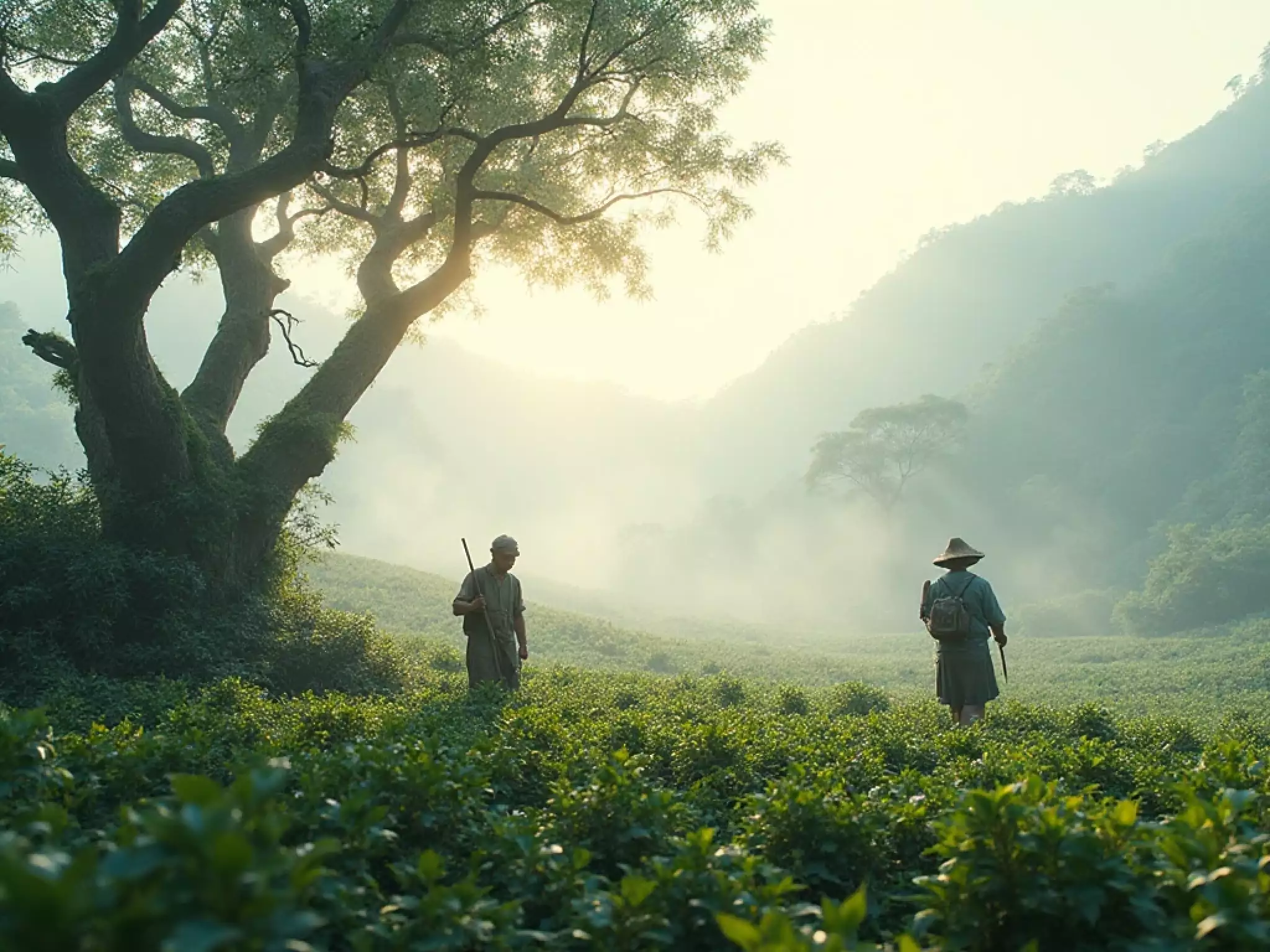
Nestled in the misty highlands of Yunnan, China, the story of Pu’er tea begins with the land itself. This southwestern province, cradled by rugged mountains and subtropical forests, is home to some of the world’s oldest tea trees—some over a thousand years old. Unlike the manicured tea gardens of other regions, Yunnan’s Pu’er comes from ancient, wild groves where trees grow tall, their roots deep in mineral-rich soil. These gnarled giants, thriving in the humid, fog-laden air, produce leaves with a complexity that only time and nature can craft.
The indigenous peoples of Yunnan—Dai, Bulang, and Lahu among them—have harvested these leaves for centuries, long before Pu’er became a name synonymous with tea. Their knowledge of the land, passed down through generations, laid the foundation for what we now recognize as one of the world’s most revered teas.
The Role of Mountains: Terroir and Tradition
Yunnan’s mountains are more than a backdrop; they are the soul of Pu’er. Peaks like Wuliang, Ailao, and the famed Yiwu shape the tea’s character through their unique microclimates. Altitude, rainfall, and soil composition vary from one mountain to another, infusing each batch of Pu’er with distinct notes—floral, earthy, or even stone-fruit sweetness. The concept of terroir, so often associated with wine, is equally vital here. A single mountain’s tea can differ vastly from its neighbor’s, even if they’re just miles apart.
Historically, these mountains were also crossroads of trade. The ancient Tea Horse Road, a network of caravan paths, carried Pu’er from Yunnan to Tibet, Southeast Asia, and beyond. Merchants compressed the tea into cakes or bricks for the long journey, a practice that not only preserved the leaves but also enhanced their flavor through natural fermentation—a hallmark of Pu’er’s identity.
Time: The Alchemist of Pu’er
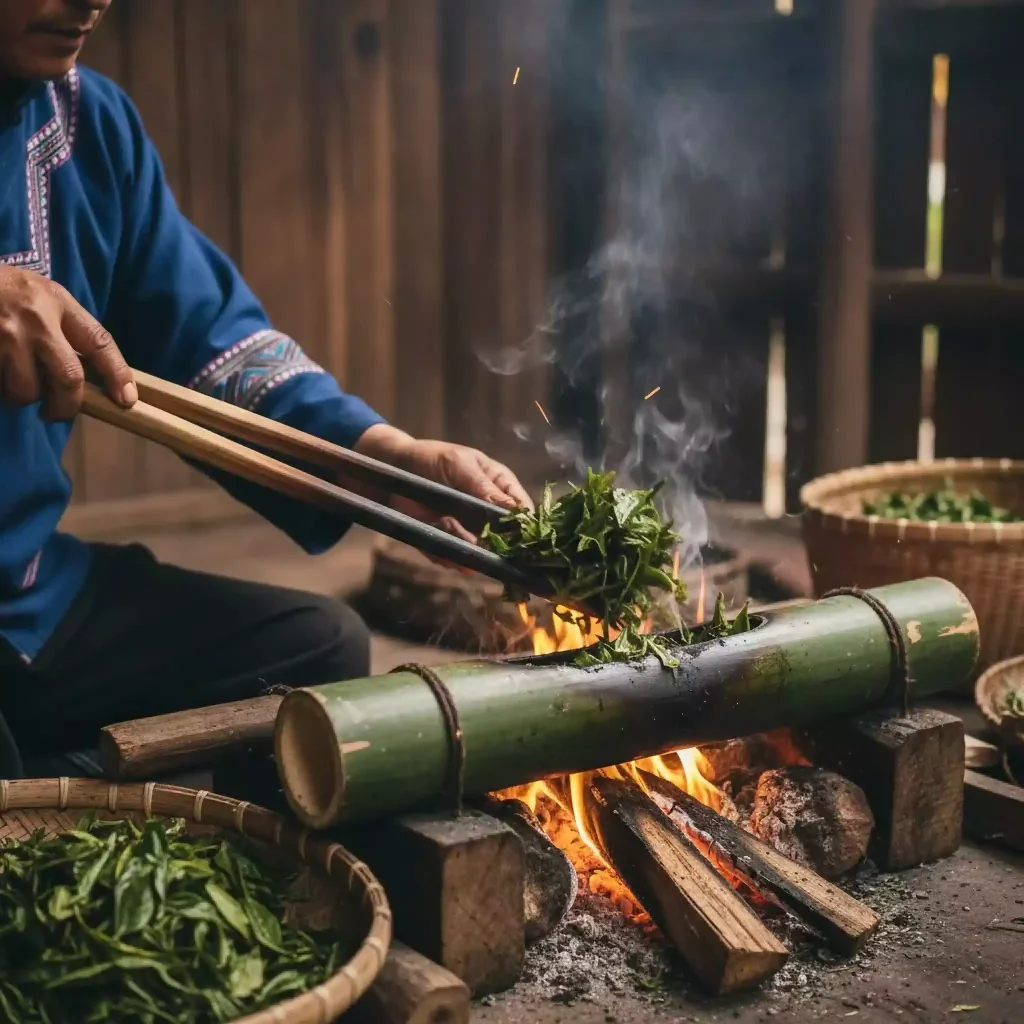
What sets Pu’er apart from other teas is its relationship with time. While most teas are best consumed fresh, Pu’er is a living tea, evolving with age. Raw (sheng) Pu’er, made from sun-dried leaves, transforms over years or even decades, its bitterness mellowing into sweetness, its aroma deepening into something almost otherworldly. Ripe (shou) Pu’er, accelerated through controlled fermentation, offers a rich, earthy profile that still benefits from careful aging.
This alchemy is no accident. The microbial activity within the leaves, influenced by Yunnan’s climate and traditional processing, drives Pu’er’s transformation. Whether stored in bamboo baskets in a village or carefully curated in a collector’s vault, time refines Pu’er into something greater than its origins—a tea that tells a story of patience and craft.
From Ancient Rituals to Modern Mastery
Pu’er’s journey from Yunnan’s mountains to today’s teacups is a tale of resilience and reverence. Once a tribute tea sent to emperors, it was prized for its medicinal qualities and robust flavor. Today, artisans blend ancient techniques with modern precision, sourcing leaves from single groves to highlight their unique terroir. The result is a tea that honors its roots while reaching new heights of refinement.
When you brew a cup of Pu’er, you’re not just tasting tea—you’re tasting Yunnan’s mountains, its people, and the slow, transformative hand of time. Each sip is a connection to a tradition that spans centuries, a reminder that some things only grow richer with age.
Explore teas born from Yunnan’s ancient groves.
Frequently Asked Questions
Where does Pu'er tea originally come from?
Pu'er tea originates from the Yunnan province in southwestern China, specifically from the ancient tea groves in regions like Xishuangbanna, Pu'er City, and Lincang.
What makes ancient tree Pu'er different from garden tea?
Ancient tree Pu'er comes from trees that are centuries old with deep root systems. These trees grow in biodiverse environments, resulting in a more complex mineral profile and deeper flavor compared to younger, plantation-grown tea.
How long can you age Pu'er tea?
Pu'er is a living tea that can be aged for decades. Raw (Sheng) Pu'er typically peaks between 15-30 years, though many high-quality cakes continue to evolve beautifully beyond that.