Choosing Tea: Green, Black, Oolong, or Raw Pu-erh – Which Suits You Best?
Tea is a gateway to flavor, culture, and adventure. From the delicate freshness of green tea to the bold warmth of black tea, the refined complexity of oolong, or the untamed depth of raw Pu-erh, each tea offers a unique experience. While all are worth exploring, raw Pu-erh stands out as a bold choice that can unlock a new world of taste and aroma, inviting you to step into a sensory journey like no other.
Green Tea: The Essence of Spring
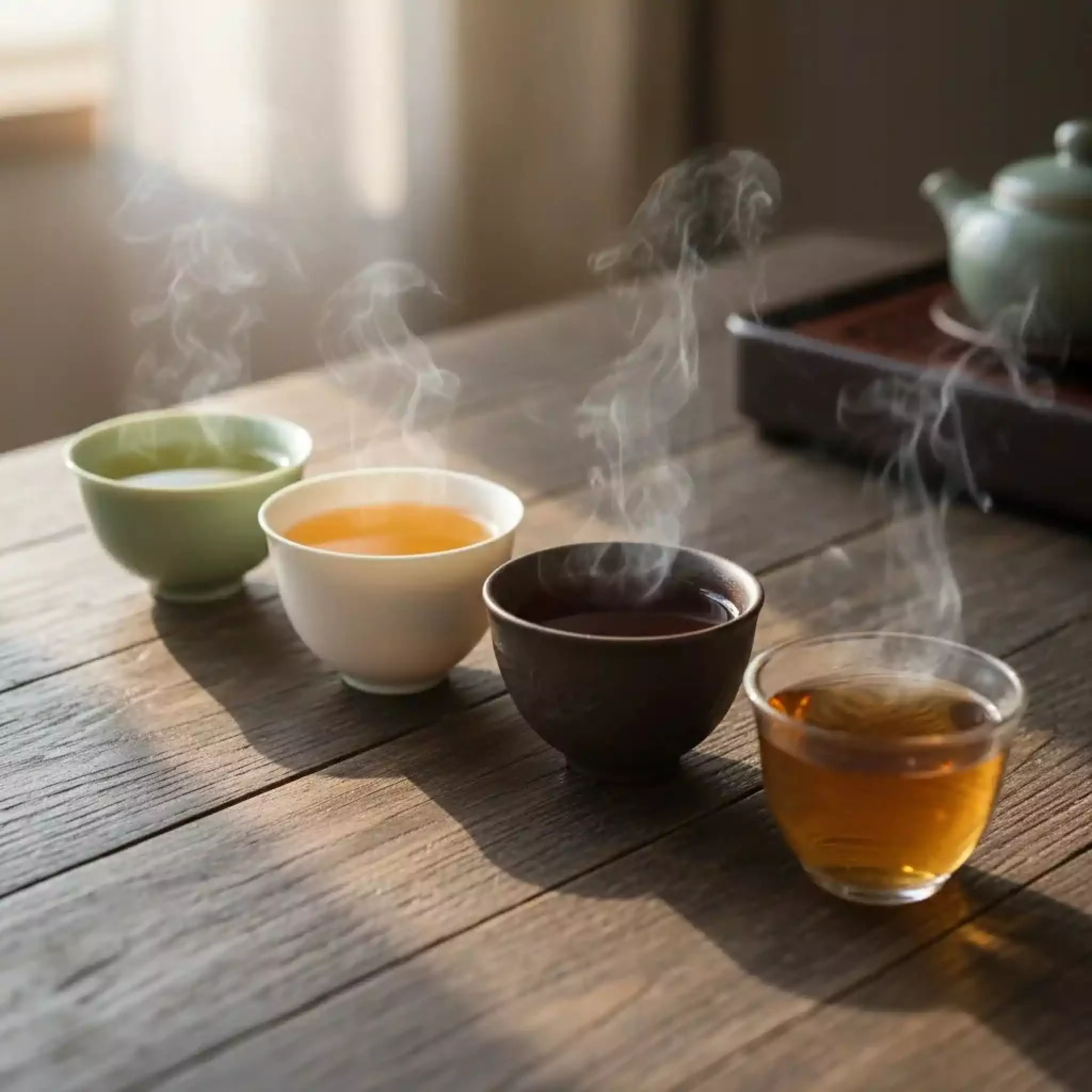
Green tea is like sipping the first breath of spring. Its light, grassy, and slightly floral notes come from minimal processing, where leaves are quickly heated to prevent oxidation, preserving their vibrant green color and fresh taste. Drinking green tea is like capturing the season’s renewal in a cup.
- Flavor: Crisp, vegetal, or floral with a clean, refreshing finish.
- Appearance: Pale green or yellowish liquor.
- Processing: Minimal oxidation, steamed or pan-fried for freshness.
- Health Benefits: Packed with antioxidants like catechins, it supports heart health, boosts metabolism, and offers a gentle caffeine lift.
Who Should Drink Green Tea? Green tea suits those who love a light, refreshing sip. It’s ideal for morning starters, wellness seekers, and calm moments. Try Dragonwell (Longjing) or Sencha, brewed at 175°F/80°C to avoid bitterness.
Black Tea: The Art of Craftsmanship
Black tea is bold and inviting, like a warm embrace. Fully oxidized, it develops rich, complex flavors—think honey, malt, or even chocolate. Drinking black tea is like savoring the skill of the tea maker, whose craft transforms leaves into a symphony of taste.
- Flavor: Robust, sweet, sometimes astringent, with fruity or smoky notes.
- Appearance: Deep amber or reddish-brown liquor.
- Processing: Fully oxidized for a darker, stronger profile.
- Health Benefits: Theaflavins support heart health, and higher caffeine offers a solid pick-me-up.
Who Should Drink Black Tea? Black tea is for those who crave a hearty, versatile cup. It’s great for afternoon breaks, social settings, and cozy moments. Brew at 200°F/95°C with Dianhong or Yunnan sun-dried black tea for a rich experience.
Oolong Tea: The Dance of Balance
Oolong tea is the bridge between green and black, offering a spectrum of flavors from floral to creamy, depending on its oxidation level. It’s like tasting the harmony of nature and craft, a delicate dance of freshness and depth that captivates with every sip.
- Flavor: Varies widely—floral and light or rich and roasted, with creamy or woody notes.
- Appearance: Golden to amber liquor.
- Processing: Partially oxidized, ranging from 10–70%, giving it diverse profiles.
- Health Benefits: Combines antioxidants of green tea and theaflavins of black tea, supporting overall wellness.
Who Should Drink Oolong Tea? Oolong is for those who enjoy variety and refinement. Try Tie Guan Yin for floral notes or Da Hong Pao for roasted depth, brewed at 185–195°F/85–90°C.
Raw Pu-erh: The Breath of the Wild
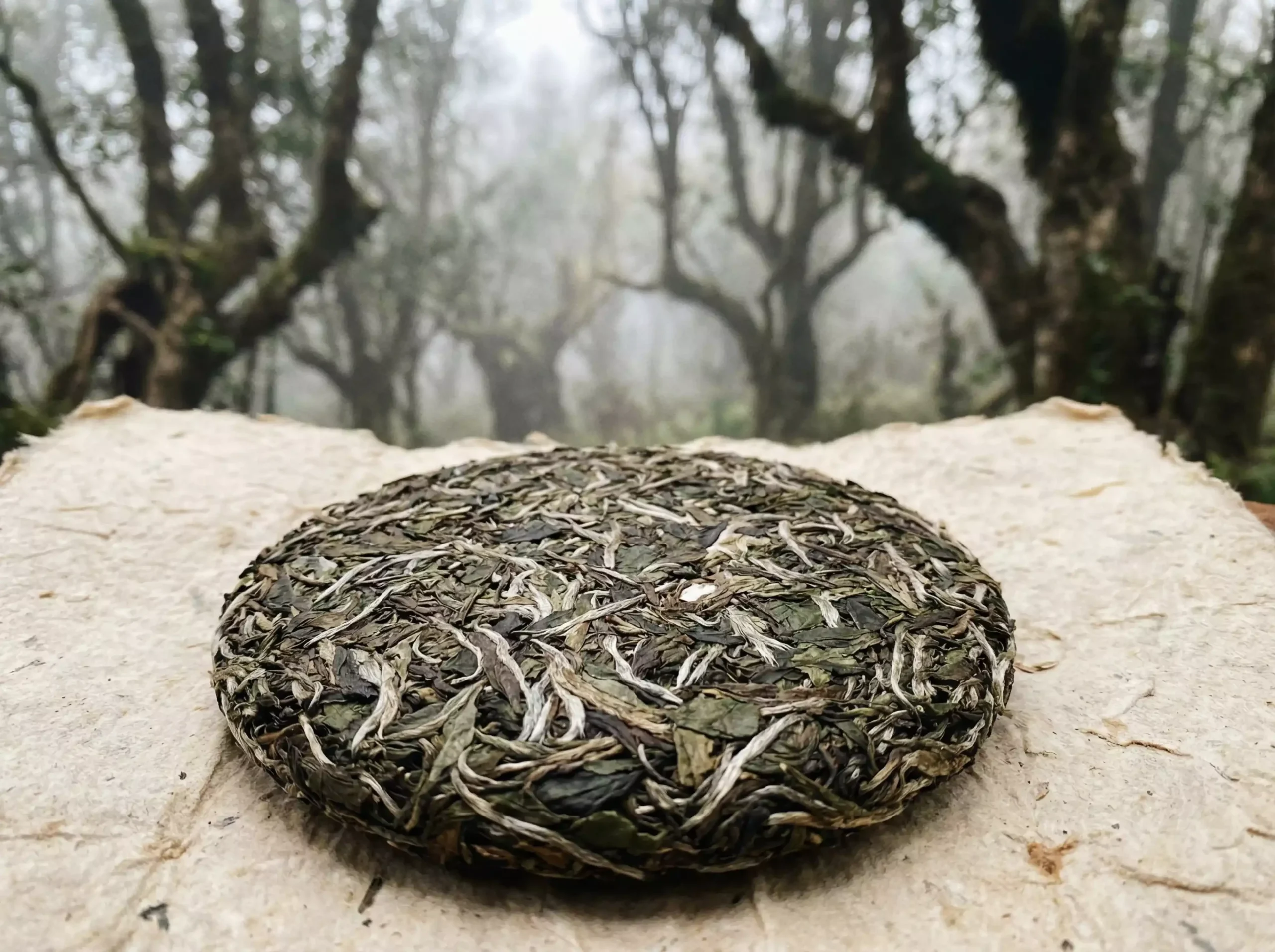
Raw Pu-erh (sheng Pu-erh) is tea in its most soulful form, born in the ancient tea forests of Yunnan, China. Fermented over time, it offers earthy, woody, and sometimes slightly bitter notes when young, evolving into smooth, rich depths with age. Drinking raw Pu-erh is like breathing in the essence of a primal forest, a sensory journey that opens new dimensions of flavor and aroma.
- Flavor: Earthy, woody, or slightly bitter when young, mellowing into smooth, rich notes with age.Discover more in our Sheng Pu-erh Tasting Guide.
- Appearance: Golden to dark amber, deepening with time.
- Processing: Partially fermented and aged, with microbial activity enhancing flavor over years.
- Health Benefits: Known for aiding digestion and supporting cholesterol levels, it’s a staple in traditional Chinese medicine.
Why You Should Dare to Try Raw Pu-erh
While green tea refreshes, black tea comforts, and oolong balances, raw Pu-erh challenges and rewards. Its depth and unpredictability make it a tea worth exploring. A good raw Pu-erh isn’t just a drink—it’s an experience that connects you to ancient traditions and wild landscapes.
| Tea Type | Oxidation | Key Flavor | Brew Temp |
|---|---|---|---|
| Green Tea | None (0%) | Fresh, Grassy | 175°F (80°C) |
| Oolong Tea | Partial (10-70%) | Floral, Creamy | 185-195°F |
| Black Tea | Full (100%) | Malty, Sweet | 212°F (100°C) |
| Raw Pu-erh | Aged / Fermented | Wild, Woody | 212°F (100°C) |
How to Choose Your Tea
- For a light, fresh start: Green tea brings spring to your cup.
- For a bold, cozy break: Black tea delivers warmth and richness.
- For a refined, versatile sip: Oolong offers a spectrum of flavors.
- For a daring, transformative experience: Raw Pu-erh unlocks a world of depth and aroma.
Conclusion
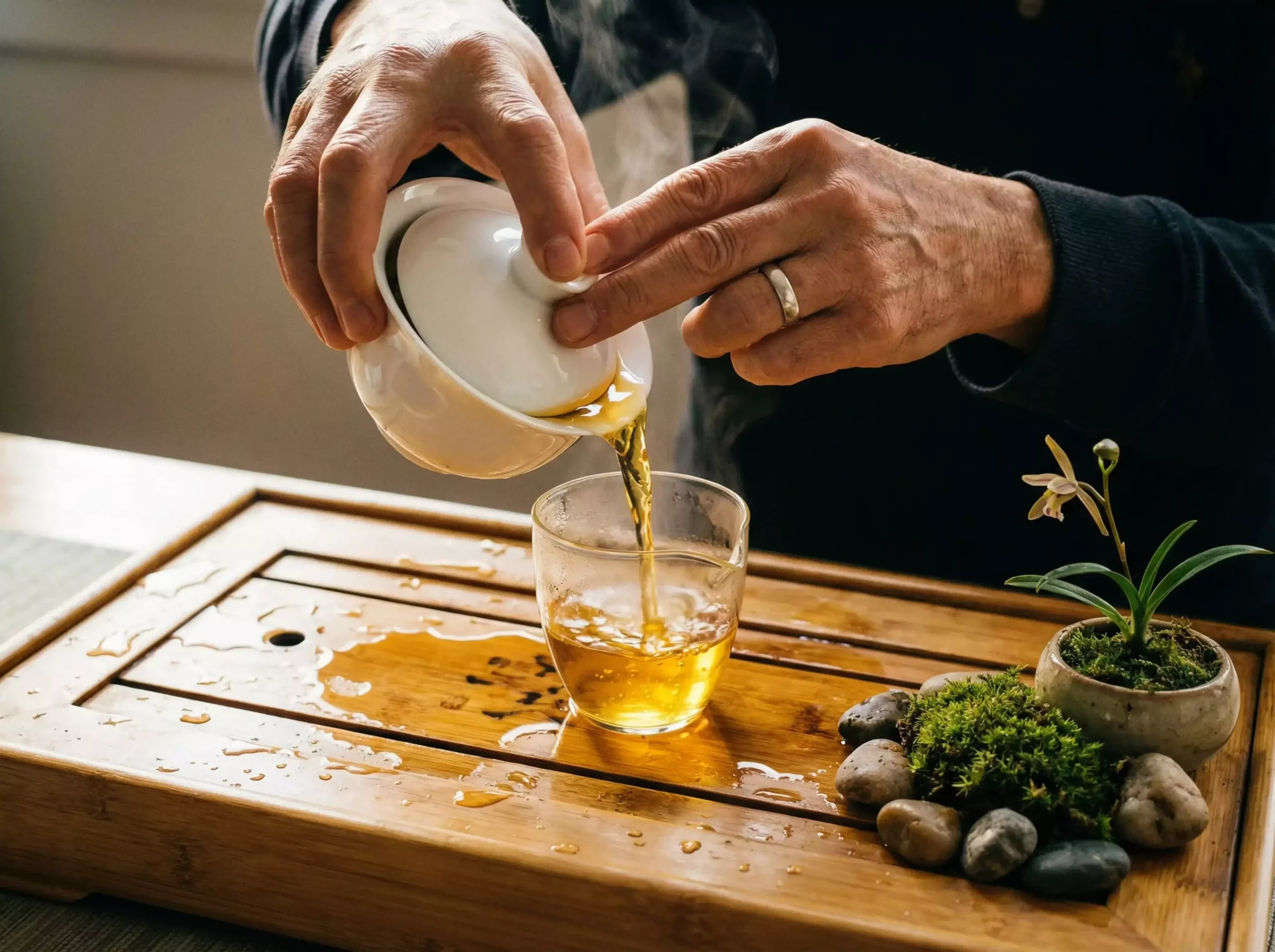
Green tea captures spring’s freshness, black tea showcases craftsmanship, oolong dances between the two, and raw Pu-erh invites you into a wild, aromatic world. While each tea has its charm, raw Pu-erh offers a unique adventure—one that can redefine how you experience tea. So, be bold. Grab a gaiwan, find a quality raw Pu-erh, and let its complexity open a new chapter in your tea journey.
Watch: A sensory journey through green, black, oolong, and raw Pu-erh—discover which tea calls to you.