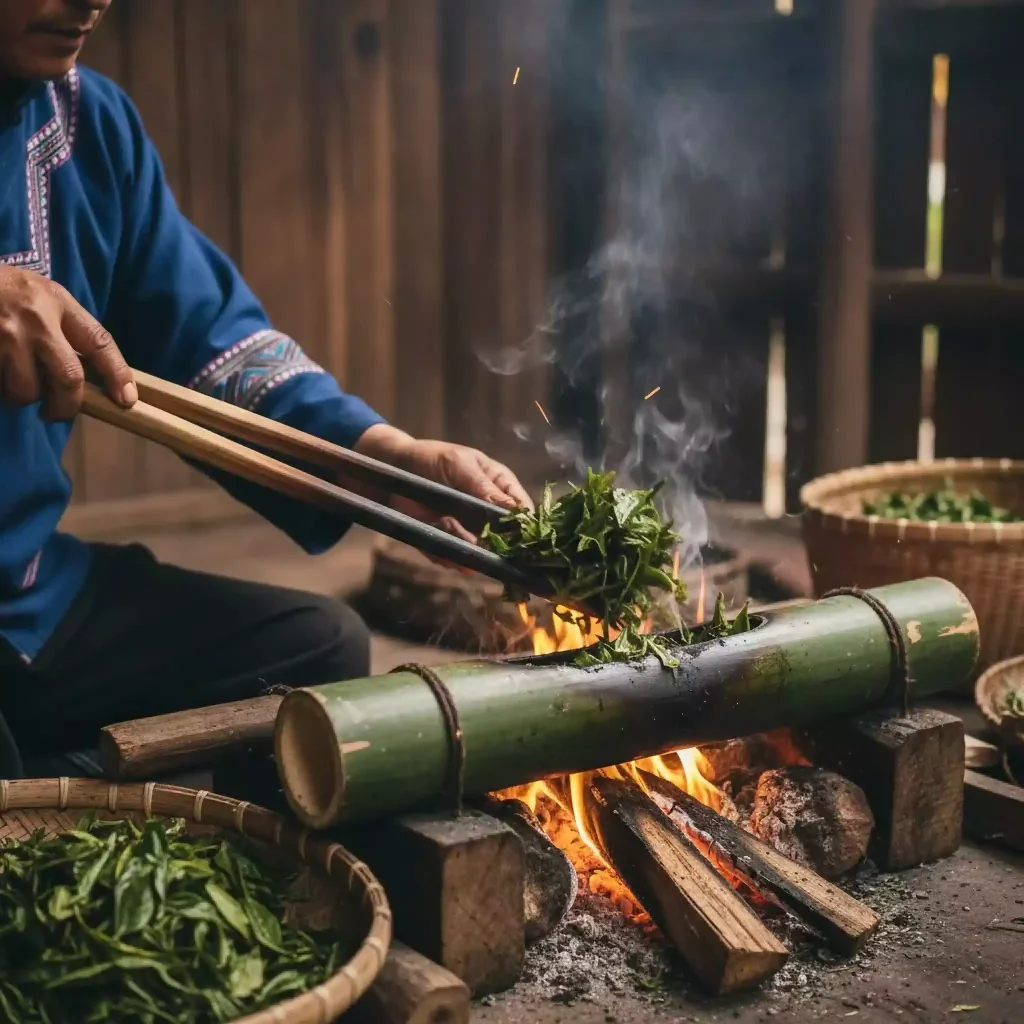
Yunnan Black Tea Ultimate Guide: Dian Hong vs Shai Hong (Sun-Dried) – Compared to World Black Teas
Discover the unique charm of Yunnan black tea (Dian Hong and Shai Hong), from ancient tree honeyed sweetness to sun-dried aging potential, and how it stacks up against Assam, Darjeeling, Ceylon, and Kenyan black teas.
Introduction: Global Black Tea Status & Yunnan’s Uniqueness
Black tea (Hong Cha in China, “red tea” for its liquor color) is the world’s most consumed tea type, powering morning rituals from English Breakfast to Indian chai. Globally, production is dominated by India (Assam, Darjeeling), Sri Lanka (Ceylon), Kenya, and China—where it originated. China’s black teas emphasize natural sweetness and complexity, while Indian and African varieties focus on boldness for milk blends.
Yunnan stands out with Dian Hong (traditional baked Yunnan black tea) and Shai Hong (sun-dried variant). From ancient tree terroir to low-heat processing, Yunnan black tea bridges bold black tea warmth with Pu-erh-like aging potential—making it a rising favorite among connoisseurs seeking nuanced, evolving flavors beyond mass-market briskness.
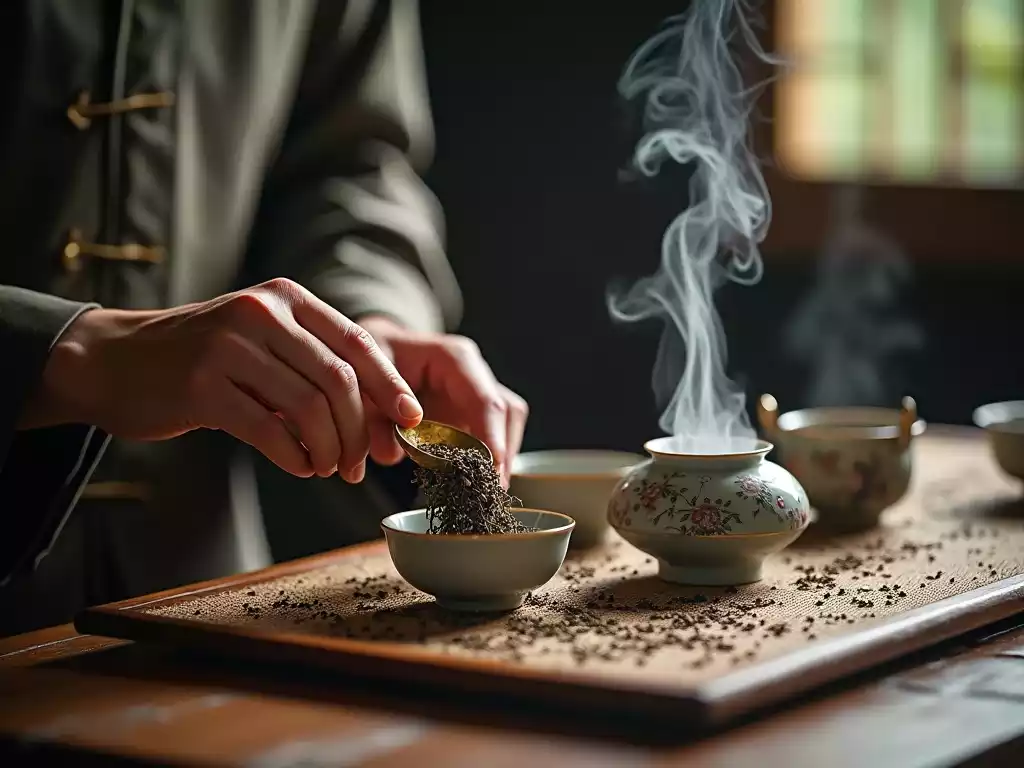
Yunnan Black Tea Basics: Dian Hong Origins, Wild vs Cultivated
Dian Hong originates from Yunnan’s high plateaus (Lincang, Pu’er, Xishuangbanna), using large-leaf Camellia sinensis var. assamica. Traditional processing includes withering, rolling, full oxidation (80-90%), and oven/machine drying—yielding golden liquor with malty honey, caramel, and dried fruit notes.
Wild vs Cultivated: Wild Dian Hong from ancient trees (100+ years) in biodiverse forests absorbs rich minerals and phytochemicals, resulting in layered complexity, low astringency, and lasting “hou yun” (throat sensation). Cultivated terrace teas are younger, higher in catechins, often more bitter—suited for blends but less refined.
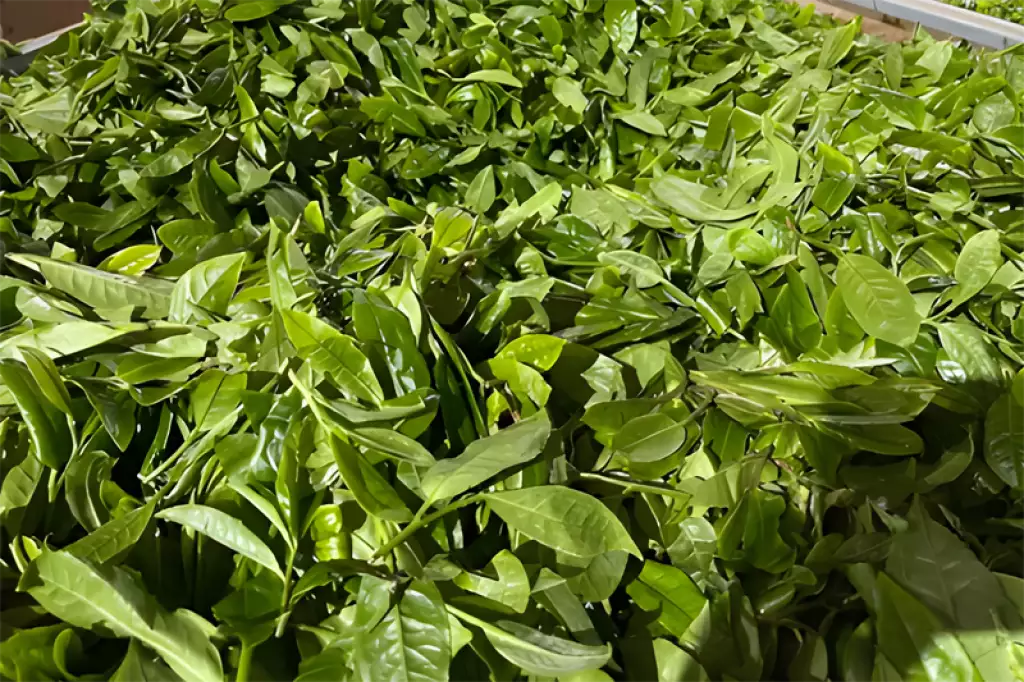
Shai Hong (Sun-Dried Black Tea) Spotlight
Shai Hong (“sun-dried red”) revives ancient Yunnan methods: after oxidation, leaves dry naturally on bamboo mats under sunlight instead of high-heat baking. This low-temperature process preserves enzymes, volatiles (e.g., phenylethanol for fruit/floral notes), and aging potential—bridging black tea warmth with Pu-erh-like evolution.
History & Culture: Tied to the Tea Horse Road (Chamagudao), sun-drying conserved resources for ethnic minorities (Bulang, Dai) and allowed tea to improve during long journeys. It symbolizes harmony with nature—relying on Yunnan sun over firewood.
Advantages: Mellow honey-floral profile, thicker mouthfeel, low toastiness; ages gracefully (3–10+ years), developing woody sweetness like light sheng Pu-erh. Unlike baked Dian Hong (peaks early, fades ~3 years), Shai Hong is a “living tea” for collectors.
Detailed Comparison Table
| Aspect | Dian Hong (Baked) | Shai Hong (Sun-Dried) | Assam (India) | Darjeeling (India) | Ceylon (Sri Lanka) | Kenyan |
|---|---|---|---|---|---|---|
| Processing / Drying | Full oxidation + oven/machine dry | 70-80% oxidation + natural sun-dry | CTC/Orthodox + high-heat dry | Light orthodox + baked | Medium oxidation + high-heat | Mechanized CTC + dry |
| Fermentation Level | 80-90% | 70-80% | 90-100% | 70-90% | 80-90% | 90+% |
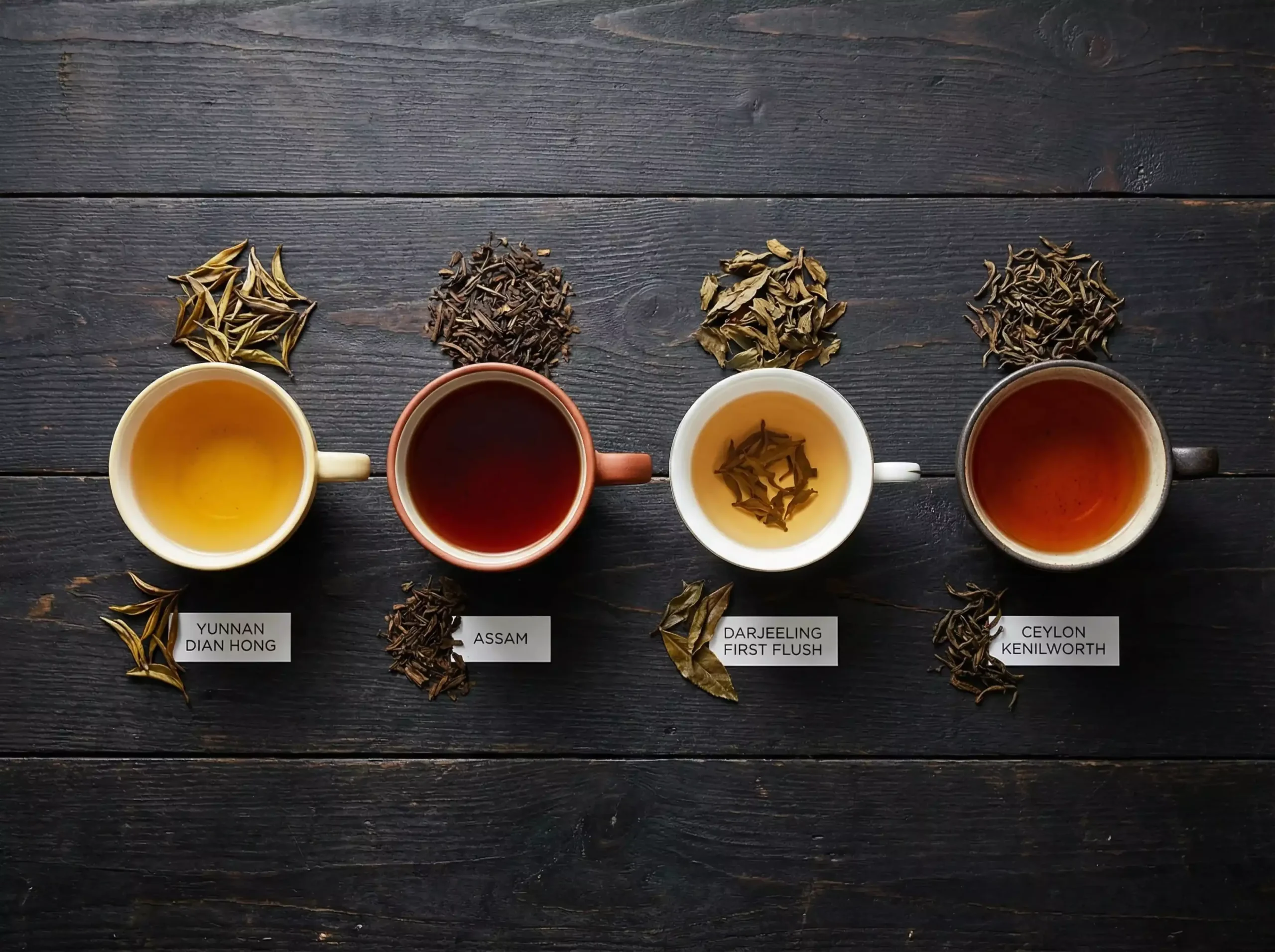
| Flavor Notes | Malty, honey, caramel, dried fruit | Floral, honey, fruity, mellow evolving | Brisk malty, bold, astringent | Muscatel, floral, crisp citrus | Bright citrus, minty, brisk | Robust, acidic, strong |
| Liquor Color | Golden-orange | Golden-clear | Deep burgundy | Pale amber-gold | Golden-red | Dark red |
| Mouthfeel / Astringency | Velvety, low astringency | Thick, smooth, lingering sweet | Thick, high astringency | Bright, sparkling astringent | Brisk, refreshing | Strong, harsh possible |
| Aging Potential | Moderate (peaks 2-3 years, fades) | High (3-10+ years, improves) | Low (1-2 years) | Low (6-12 months peak) | Moderate | Low |
| Best Brewing | 90-95°C, Gongfu or Western | 85-90°C, Gongfu preferred | Boiling, milk tea | 85-90°C, plain | 90-95°C, plain/milk | Boiling, blends |
| Health Notes | Antioxidant-rich, digestive aid | More bioactive enzymes retained | High caffeine, quick energy | Mild, floral antioxidants | Brisk, refreshing | Strong but potentially harsh |
Deep Global Comparison: Dian Hong vs Others
Black tea originated in China during the Ming Dynasty (1368-1644), with accidental over-oxidation leading to early varieties like Lapsang Souchong (smoked over pine). By the 17th century, it spread to Europe via Dutch traders, sparking global demand. British colonization expanded production to India (Assam, Darjeeling) in the 19th century, Sri Lanka (Ceylon) after coffee blight, and Kenya in the 20th for mass blends. In China, black tea evolved from Fujian's smoky origins to Yunnan's honeyed Dian Hong in the 1930s, now blending tradition with modern appeal.
Recent sales data (2023-2025) shows global black tea market at ~USD 12-13.9 billion in 2025, projected to USD 18-20.6 billion by 2032 (CAGR 4.98-6%). Black tea dominates ~75-86% of global tea consumption. China, the largest market (~USD 51 billion at-home revenue in 2025), leads production (3.74 million mt, 53% global) and consumption, with black tea growing via premium exports. Asia-Pacific holds 36-37% share, driven by China/India; Middle East/Africa fastest-growing at 8.5% CAGR.
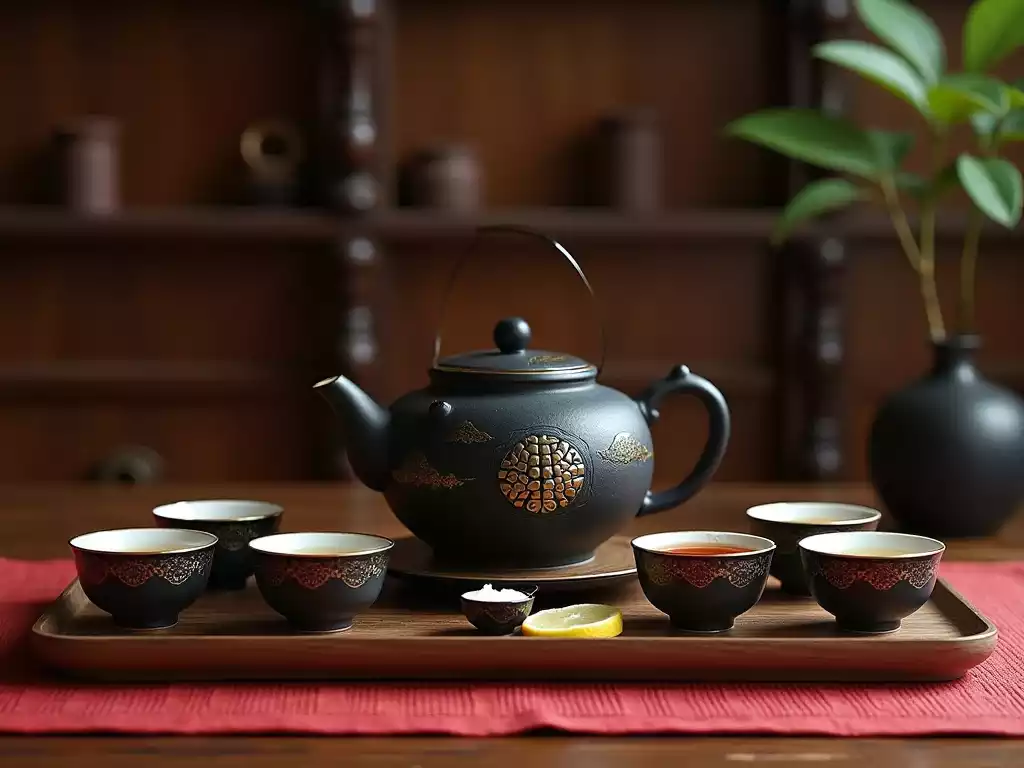
vs Assam: Assam is bolder/maltier, ideal for milk; Dian Hong sweeter/refined, best plain.
vs Darjeeling: Darjeeling light/muscatel/floral, crisp; Dian Hong fuller/honeyed with stronger finish. Ancient-tree Dian Hong avoids terrace astringency common in both regions.
vs Ceylon: Ceylon brisk/citrusy/refreshing; Dian Hong rounder/richer layers.
vs Kenyan: Kenyan direct/robust/acidic for blends; Dian Hong balanced/sweetness-focused.
Wild/ancient-tree Dian Hong adds forest complexity (herbal/woody), echoing Pu-erh throat feel—rare in mass-produced global blacks.
Brewing & Tasting Recommendations
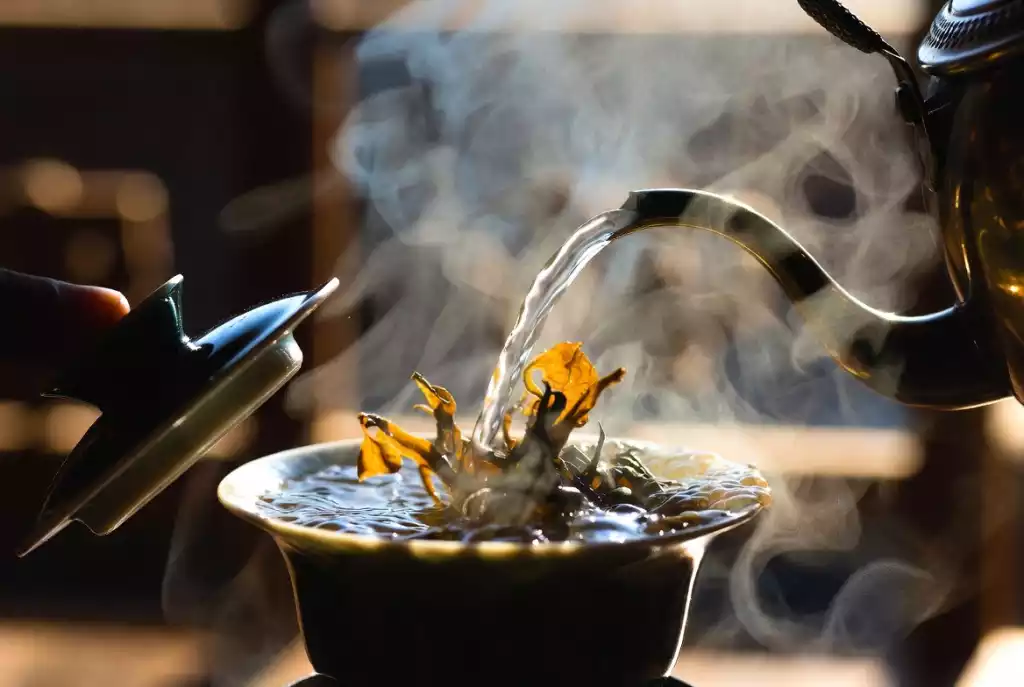
Gongfu Style (preferred for nuance): 5-7g / 100ml, quick rinses.
- Dian Hong (Baked): 90-95°C, 10-20s infusions (10-15 brews possible).
- Shai Hong (Sun-Dried): 85-90°C (lower to preserve delicacy), 5-15s, multiple infusions to reveal evolution.
- Western Style: 3-5 min steep, higher leaf for Assam/Darjeeling/Ceylon/Kenyan; milk optional for bold types.
Tip: Shai Hong shines in light sipping or Yunnan milk tea—honey notes harmonize with cream.
Health Benefits & Cultural Heritage
Black teas rich in polyphenols/thearubigins aid antioxidants, digestion, alertness. Wild/ancient-tree Dian Hong & Shai Hong concentrate more bioactive compounds (L-theanine, catechins) from biodiverse forests—gentler energy, stronger digestive support.
Culturally, Yunnan black tea ties to ethnic minorities (Bulang, Dai), Tea Horse Road heritage—sun-drying symbolizes nature harmony and resilience. Globally, black tea fuels chai/afternoon tea; Yunnan offers meditative depth.
Frequently Asked Questions
What makes Shai Hong different from traditional Dian Hong?
Sun-dried at low temp preserves enzymes/aging potential; baked Dian Hong stronger honey-cocoa but limited long-term change.
Can Shai Hong age like Pu-erh?
Yes—3-10+ years develops deeper sweetness/woody notes, similar to light sheng Pu-erh.
Why choose ancient-tree Dian Hong over terrace teas?
Ancient trees yield balanced/low-astringency fruity sweetness; terrace teas more bitter/high-catechin.
Is Dian Hong better than Assam or Darjeeling?
Dian Hong sweeter/smoother (honey/malt); Assam bolder/malty (milk-friendly); Darjeeling floral/crisp (light/plain).
How many times can I brew Dian Hong?
High-quality/wild: 10-15 Gongfu infusions, revealing layers from floral to woody.
Should I add milk to Yunnan black tea?
Dian Hong best plain to appreciate sweetness; bold Assam/Ceylon suit milk better.
Why is Yunnan black tea unique?
Ancient assamica trees + diverse terroir give honeyed complexity + throat sensation rare in global blacks.
Videos & Further Reading
Yunnan Sun-Dried Black Tea vs Dian Hong
Subtle differences in processing, flavor, energy. Part of Tea Science Series.