
2026 Update: Best Winter Teas Backed by Science & TCM
2026 Winter Tea Cheat Sheet
For optimal winter warmth, we recommend using our precision-pressed 2g Micro-Cakes for a consistent, mess-free brew:
- Digestive Support: Shou Pu-erh (95–100°C) – 1 cake per mug to balance lipid metabolism.
- Circulatory Boost: Black Tea (90–95°C) – 1 cake per mug for heart-healthy theaflavins.
- Intense Cold Relief: Ginger Black Tea – 5 min ginger simmer + 1 tea cake steep.
Why Tea Works in Winter
Winter requires internal warmth. From a Western physiology perspective, hot liquids elevate core temperature, caffeine increases mild thermogenesis, and polyphenols support vascular function. From a Traditional Chinese Medicine (TCM) perspective, winter is a season of cold where Yang energy must be preserved and strengthened.
Properly selected tea offers:
- Immediate thermal comfort
- Digestive activation
- Circulatory support
- Microbiome modulation (fermented teas)
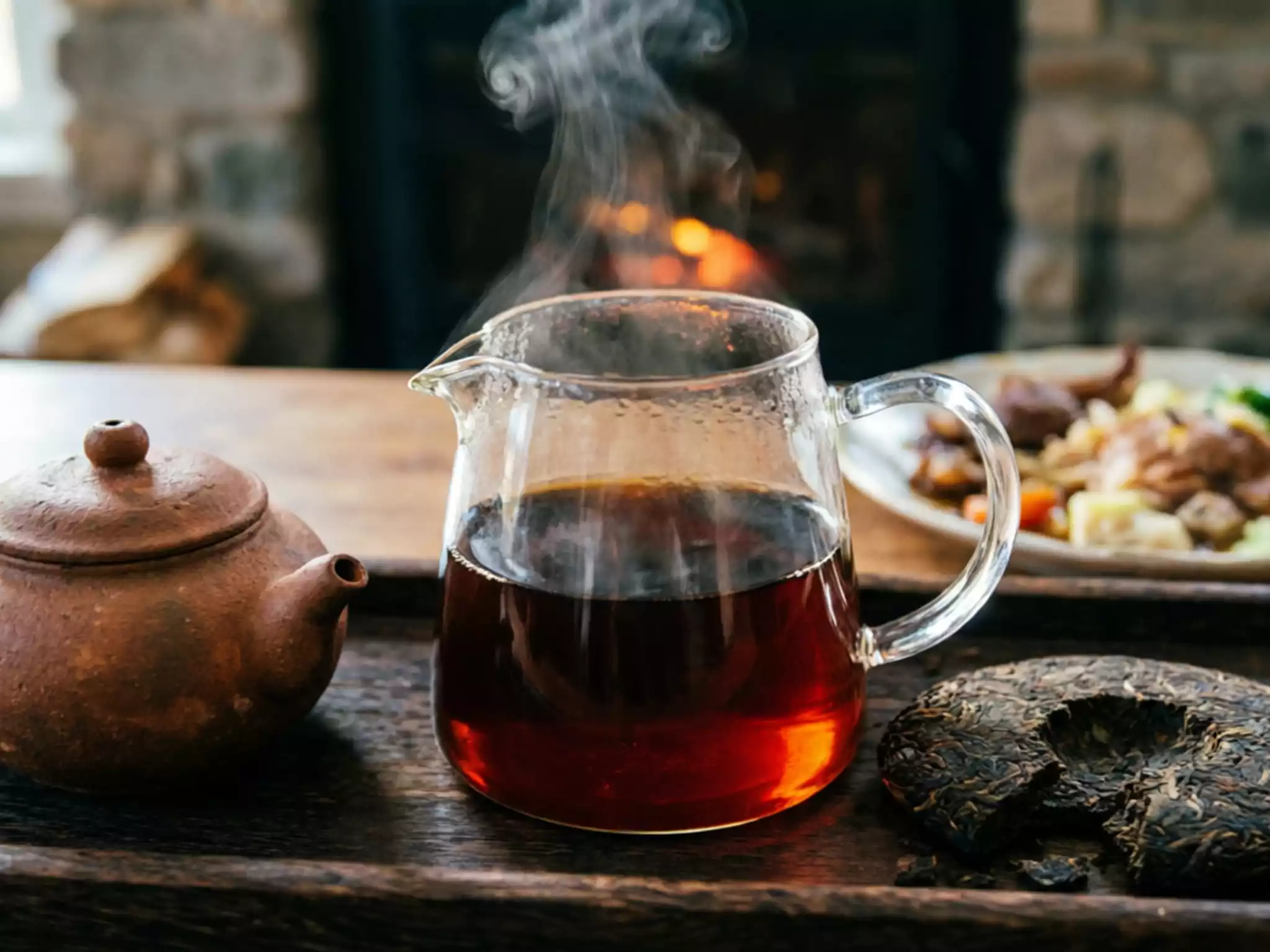
Shou Pu-erh (Ripe Pu-erh) — Fermentation & Digestion
Shou Pu-erh undergoes post-fermentation, producing microbial metabolites that may support lipid metabolism and gut microbial balance—especially beneficial after heavy winter meals.
To understand the full category spectrum and fermentation science, read: What Is Puerh Tea? The Complete Guide.
To clearly see why winter favors the warming, post-fermented style over the sharper raw variety, explore: Raw vs Ripe Pu-erh: Complete Guide & Flavor Comparison Chart.
Best for: Cold limbs, sluggish digestion, heavy winter diet.
Black Tea (Dian Hong, Assam, Ceylon) — Theaflavins & Circulation
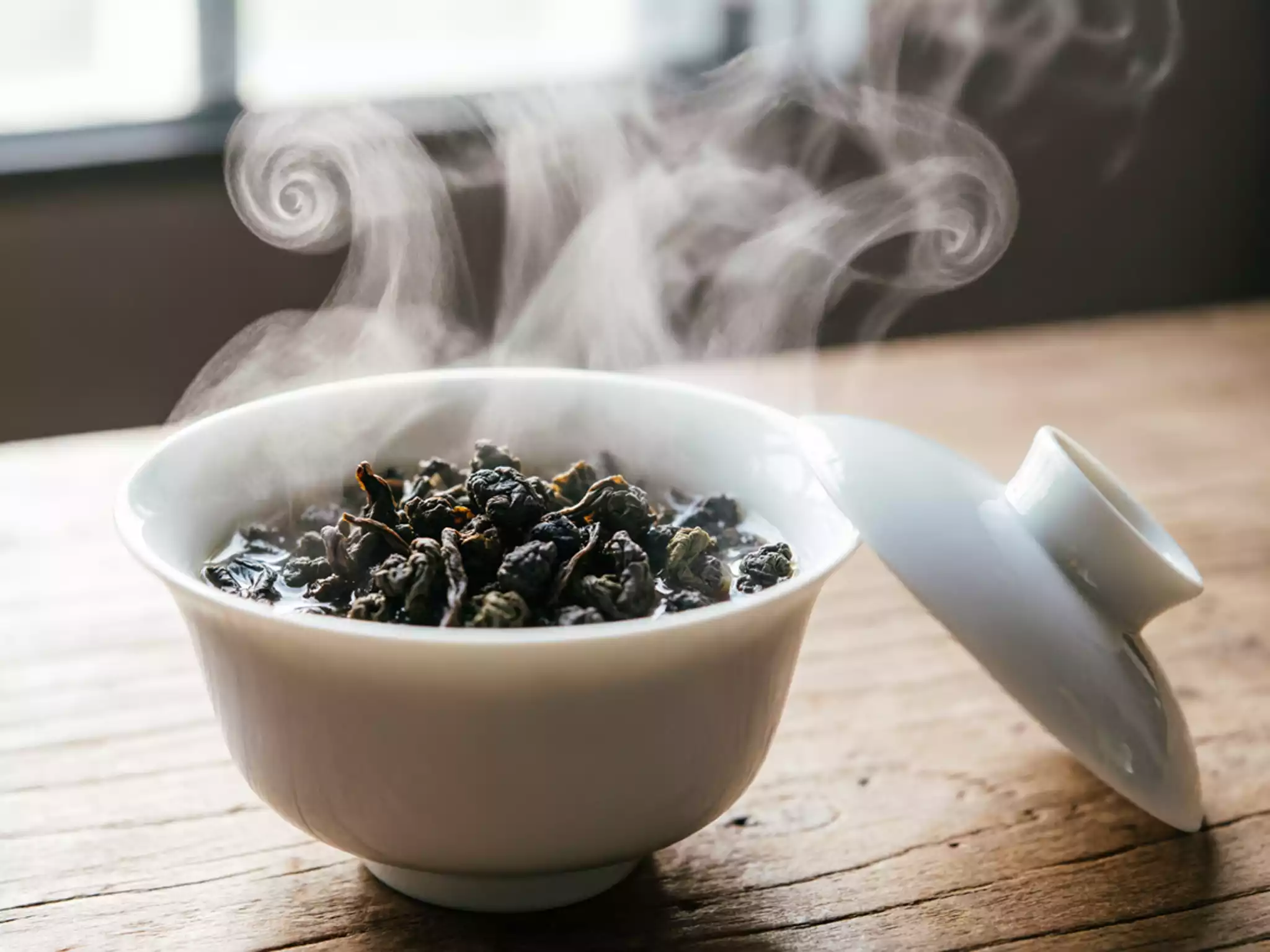
Fully oxidized black tea is rich in theaflavins — compounds often referred to as the “soft gold” of red tea for their cardiovascular and endothelial support properties.
For a biochemical breakdown of theaflavins, read: Beyond Steeped Comfort: The "Soft Gold" of Chinese Red Tea (Theaflavins).
If you want to explore winter-suitable Chinese black teas with aging potential similar to Pu-erh, see: Yunnan Black Tea Ultimate Guide: Dian Hong vs Shai Hong.
Best for: Cold mornings, mental clarity, circulation support.
Aged / Roasted Oolong — Balancing Yang
Roasted Oolong retains polyphenols while reducing astringency through heat processing. In TCM, it harmonizes Qi and is suitable for “Yang-excess” individuals who require warmth without overstimulation.
To understand seasonal tea logic from autumn dryness to winter storage, explore: Best Teas for Autumn Comfort: A TCM Perspective.
For molecular insights into how tea supports gut barrier resilience: The 3 PM Micro-Reset: How Tea Molecules Rebuild Your Gut Barrier.
Standardized Brewing Parameters (2026 Reference Table)
| Winter Tea (2g Micro-Cake) | Dosage (200ml Mug) | Water Temp | Brewing Time | Winter Utility |
|---|---|---|---|---|
| Shou Pu-erh Deeply Warming | 1 Mini Cake | 95–100°C | Rinse + 2-3 min | Supports digestion after high-fat winter meals. |
| Aged Black Tea (Dian Hong) Circulation Boost | 1 Mini Cake | 90–95°C | 3–4 min | Elevates vascular warmth for cold mornings. |
| Roasted Oolong Qi Harmonizer | 1 Mini Cake | 95°C | 3 min | Relaxes the nervous system in dry, heated indoors. |
| Ginger-Infused Black Tea Extreme Cold Relief | 1 Cake + 2 Slices Ginger | 100°C | 5 min (Simmered) | The ultimate "reset" for icy hands and feet. |
The 2g Standard: Each micro-cake is precision-pressed for a single 200ml mug. For a standard teapot (500ml), simply drop in 2-3 cakes. No scales, no mess—just consistent warmth.
Master temperature precision here: Mastering Water Temperature for Brewing Tea: The 2026 Guide.
New to brewing techniques? Read: Mastering the Brew: From Gaiwan to Mug — The Complete Beginner's Handbook.
✨ Awakening the Micro-Cake
Because our 2g cakes are precision-pressed to preserve freshness, they need a "thermal nudge" in winter. The 5-Second Rinse: Before your main steep, pour just enough hot water to cover the cake. Let it sit for 5 seconds, then discard the liquid. This "wakes up" the compressed leaves, allowing the heat to penetrate the core and release the full spectrum of theaflavins and aromas instantly.
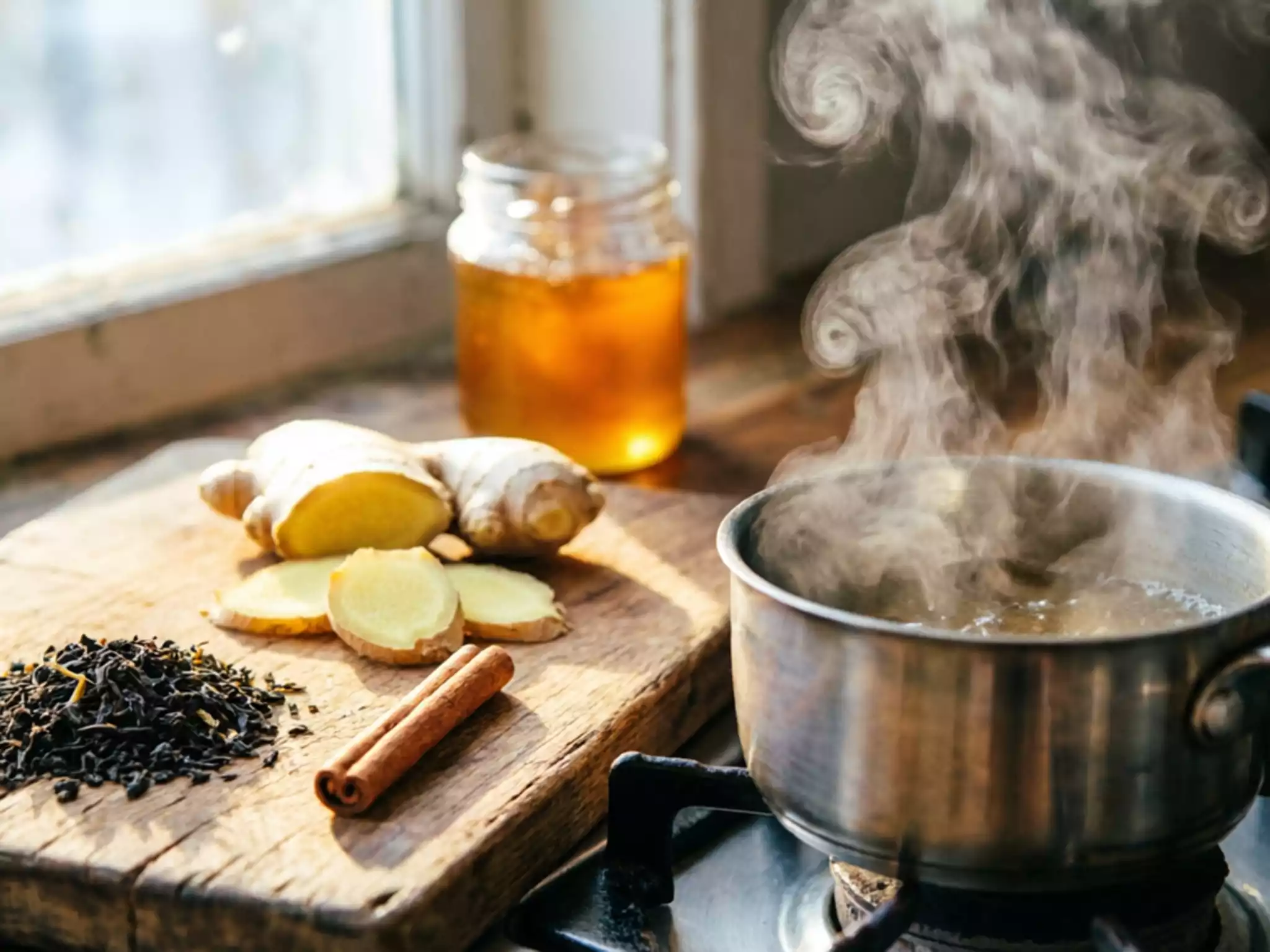
The Winter Ritual: Ginger & 2g Micro-Cake Infusion
This method optimizes the extraction of ginger's warmth and the tea's theaflavins using our precision-pressed 2g micro-cakes.
Step 1: Prep the Ginger Base
Thinly slice 3–5 pieces (approx. 10g) of fresh ginger. For maximum circulatory boost, lightly bruise the slices with the side of your knife to release more gingerols.
Step 2: The Thermal Extraction
Add ginger to 250ml of filtered water. Bring to a boil, then simmer on low heat for 5 minutes. This creates a concentrated "warmth base" for your tea.
Step 3: Awaken the Micro-Cake
Place one 2g Micro-Cake in your mug. Pour a small splash of the boiling ginger water over it—just enough to submerge. Swirl for 5 seconds and discard the liquid. This opens the compressed leaves for immediate flavor release.
Step 4: The Deep Steep
Pour the remaining hot ginger water over the "awakened" cake. Cover the mug to trap the aromatic volatiles. Steep for 3–4 minutes until the liquor turns a deep, glowing amber.
Step 5: Mindful Enjoyment
Strain into a fresh cup or enjoy as-is. Optional: Add a cinnamon stick for extra Yang-energy support. Sip slowly while hot.

Cultural & Social Warmth
Winter tea is physiological warmth and social connection.
Experience the ritual: Winter Tea Gathering: The Art of Brewing by the Hearth.
Explore cross-cultural tea traditions: Tea and Time: How Different Cultures Brew Patience.
Winter Tea: Expert FAQ
Is Shou Pu-erh specifically recommended for winter?
Yes, Shou (Ripe) Pu-erh is highly recommended. From a TCM perspective, it is "warm" in nature, helping to strengthen the Spleen and Yang energy. Scientifically, its post-fermentation metabolites support lipid metabolism and gut health, which is ideal for the heavier, higher-fat diets typical of cold months. For the best result, use one 2g micro-cake per 200ml mug.
Which tea is most effective for cold hands and feet?
For persistent cold limbs, we recommend Ginger-infused Black Tea or aged Heicha/Pu-erh. These teas promote peripheral circulation through thermogenic bioactive compounds like gingerols and theaflavins. Remember to use the "5-second awakening" rinse for micro-cakes to ensure immediate warmth extraction.
Can tea serve as a replacement for hot meals in winter?
No. While tea provides immediate thermal comfort and metabolic support, it is a non-caloric beverage. In freezing temperatures, your body requires fats and proteins for sustained thermogenesis. Tea should be viewed as a digestive and circulatory companion to a balanced, nutrient-dense winter diet.
What is the ideal brewing temperature for winter teas?
For winter, we prioritize heat retention. Shou Pu-erh and Roasted Oolongs perform best at 95–100°C to fully unfurl the leaves. Black teas (Dian Hong) are best at 90–95°C to balance aroma with theaflavin extraction. Always pre-warm your mug to maintain these temperatures longer.