
Does Tea Have Calories? (2026 Evidence Update)
Plain brewed black tea, raw pu-erh, and ripe pu-erh contain only 0–2 kcal per 100 ml. A 350 ml (12 oz) mug provides roughly 3–7 total calories. Tea itself does not cause weight gain — added sugar and cream do.
Hey tea people — Adrian here from Steeped Roots. I get asked this question almost every week: “Does tea have calories? Can I drink it while trying to lose weight?” Today we settle it once and for all for three of the most common pure teas: black tea, raw pu-erh (sheng), and ripe pu-erh (shou). No additives, no sugar, no milk—yet.
Part 1 — The Actual Calories in Pure Tea: Essentially Zero
Compiled from USDA FoodData Central and Chinese food composition tables:
| Tea Type (Brewed) | Calories per 100 ml | Calories per 350 ml Mug | Expert Note |
|---|---|---|---|
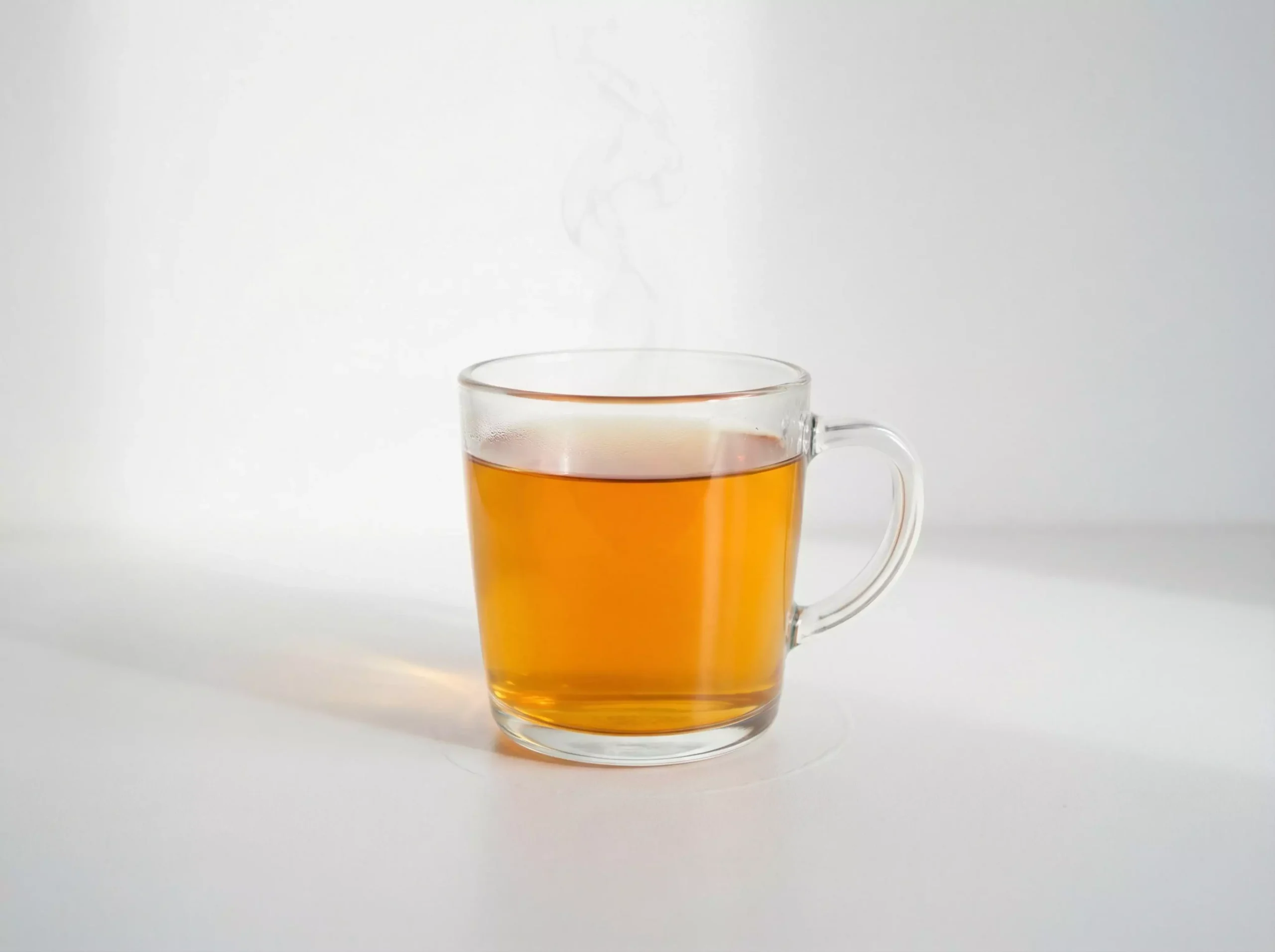
| Black Tea | ~1 kcal | 3–4 kcal | Trace amino acids dissolve into water |
| Raw Pu-erh (Sheng) | 0–1 kcal | 3 kcal max | Essentially metabolically negligible |
| Ripe Pu-erh (Shou) | 1–2 kcal | 4–7 kcal | Slightly higher due to fermentation byproducts |
Bottom line: Pure tea is functionally zero-calorie.
Part 2 — Why Do People Think Tea Is Fattening?
Most people aren’t actually drinking “tea.” They’re drinking dessert disguised as tea.
Common culprits
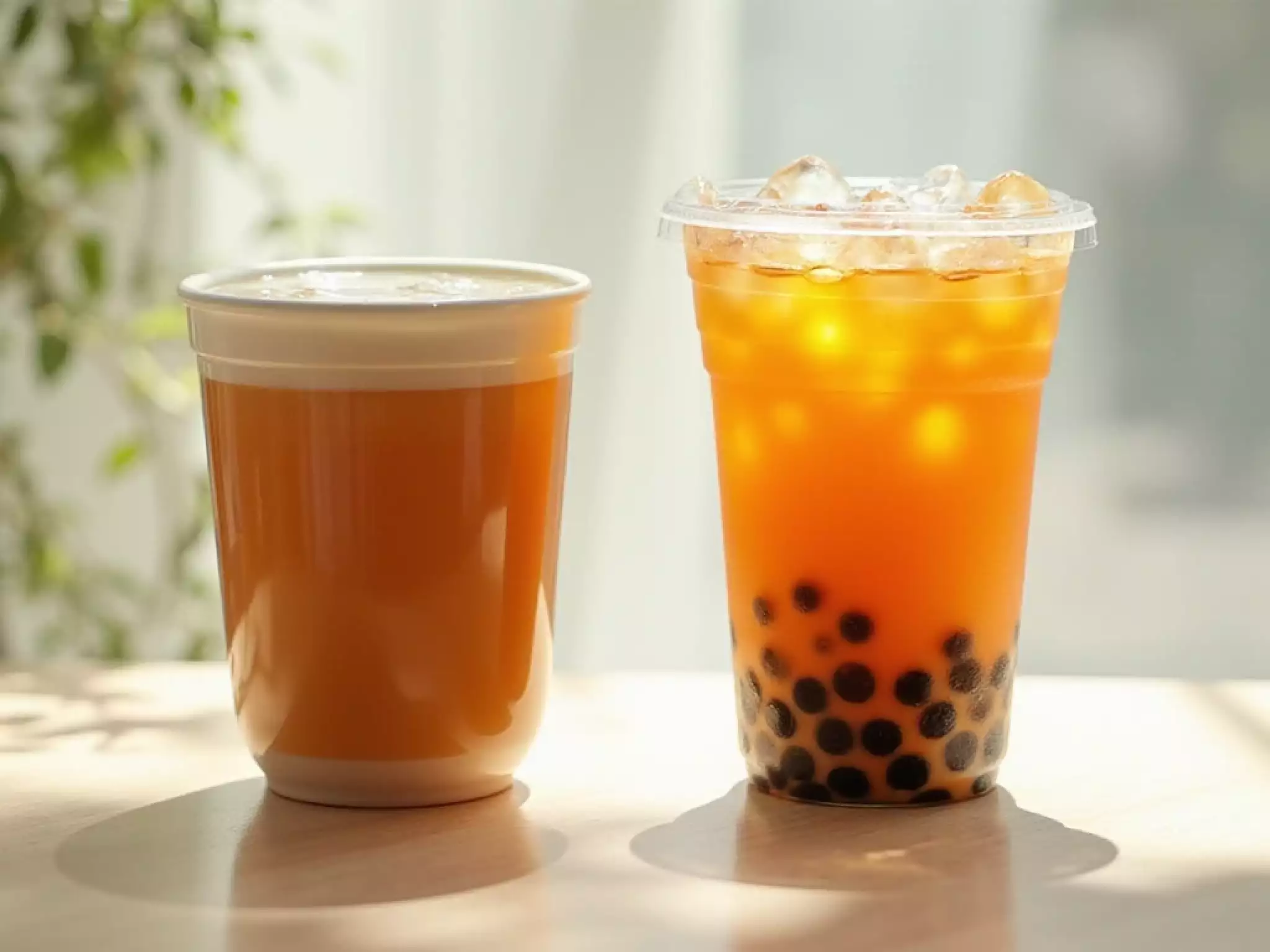
- Commercial milk-teas & specialty drinks: Chains like Starbucks, Dunkin’, and bubble-tea shops often serve large drinks loaded with syrup, creamer, and boba. A 16–24 oz “milk tea” can easily reach 400–800 calories. The actual tea contributes maybe 4 calories — the rest is sugar, creamer, and toppings.
- Home “sweet tea” and creamy mixes: For example, 12 oz of black tea with 2–3 tablespoons of sugar plus half-and-half can be 150–250 calories per glass.
- “Detox” or marketed “zero-calorie” tea powders: Some products contain maltodextrin, fruit powders, or hidden sugars while being promoted as low-cal. Always check the label.
- Ripe pu-erh’s mouthfeel: Its rich, slippery texture (from microbial polysaccharides formed during fermentation) can be mistaken for fattiness — but it’s not fat or cream.
To be clear: weight gain linked to “tea” usually comes from the sugar, industrial creamer, boba, or syrups people add — not the brewed leaves themselves.
Part 3 — Trying to Lose Weight? Plain Tea Is Your Friend
If you're cutting or recomping, keep it simple:
- Black tea: Darjeeling, Assam, Yunnan Dianhong — whatever you enjoy.
- Raw pu-erh (sheng): 2+ years aged is usually smoother and less astringent.
- Ripe pu-erh (shou): Moderately fermented ripe cakes are comforting and easy on the gut.
You can safely drink 2–4 liters a day of plain brewed tea and still be well under a typical daily calorie budget — we’re talking ~20–40 calories in total. Tea polyphenols, caffeine, and L-theanine may provide a modest boost to fat oxidation and appetite control.
Personal note: I’ve lost weight while drinking 3+ liters of ripe pu-erh on some days. The scale went down, not up.
If you want to read more about how tea supports metabolism and heart health, see our guide on Best Teas for Heart Health.
Part 4 — I Need My Milk-Tea Fix: Low-Calorie Hacks That Actually Taste Good
Life without something creamy and slightly sweet can feel gray. Here’s a reliable solution that keeps calories under control.
Raw Pu-erh Milk Tea — ~30–80 calories per large cup
Why raw pu-erh? Young to mid-aged raw pu-erh often has fruity sweetness and floral notes that pair beautifully with milk, meaning you need far less sweetener.
Recipe (≈12–14 oz / 350–400 ml)
- 8–10 g raw pu-erh (3–8 years old recommended)
- 200 ml water at 195–212 °F (90–100 °C). Rinse 10–15 seconds, then brew for ~15 seconds to make a strong brew.
- Let the brew cool to below ~140 °F (60 °C) to avoid curdling the milk.
- Add 100–150 ml of your milk of choice: whole milk, unsweetened oat milk, almond milk, or ultra-filtered milk (e.g., Fairlife).
- Use a zero-calorie sweetener to taste: liquid stevia, monk fruit, or allulose/erythritol for iced versions.
- Optional: a dash of vanilla extract for a London-Fog vibe.
Calories: ~30 (almond milk) to ~80 (whole milk). Compare that to 400–500+ from many commercial shops.
Ripe pu-erh works well for Hong Kong–style milk tea lovers, but raw pu-erh is often the better low-sugar match in Western palates. Classic black tea with milk is tasty but usually needs sugar to sing, so I don’t recommend it as the first choice when cutting calories.
Want more creamy low-cal hacks? Check our Tea and Zen page for pairing and brewing tips.
TL;DR
- Pure black tea, raw pu-erh, and ripe pu-erh are essentially zero-calorie beverages.
- The things that make tea “fattening” are added sugar, creamer, and toppings — not the tea itself.
- In strict fat-loss phases: drink plain tea all day.
- For milk-tea cravings: brew at home with raw pu-erh + low-cal milk and sweetener for the same comfort at ~5–10% of commercial calories.
Tea should make your life better, not stress you out over imaginary calories. Drop a comment: Have you ever blamed tea for weight gain? What’s your favorite low-cal tea hack?
— Adrian
Steeped Roots • Real tea for real life.
Explore More About Tea Culture
🍵 Tea Heritage & Science
- The Legacy of Pu-erh Tea: From Ancient Trees to Modern Cups
- What Is Cha Qi? Feeling the Energy
- What is Puerh Tea? (Complete Guide)