
How to Choose Jingdezhen White Porcelain (Gaiwan, Master Cup): Complete Selection Guide
Essential tips for selecting tea ware that balances aesthetics with the thermal comfort of 1300°C+ high-temperature firing.
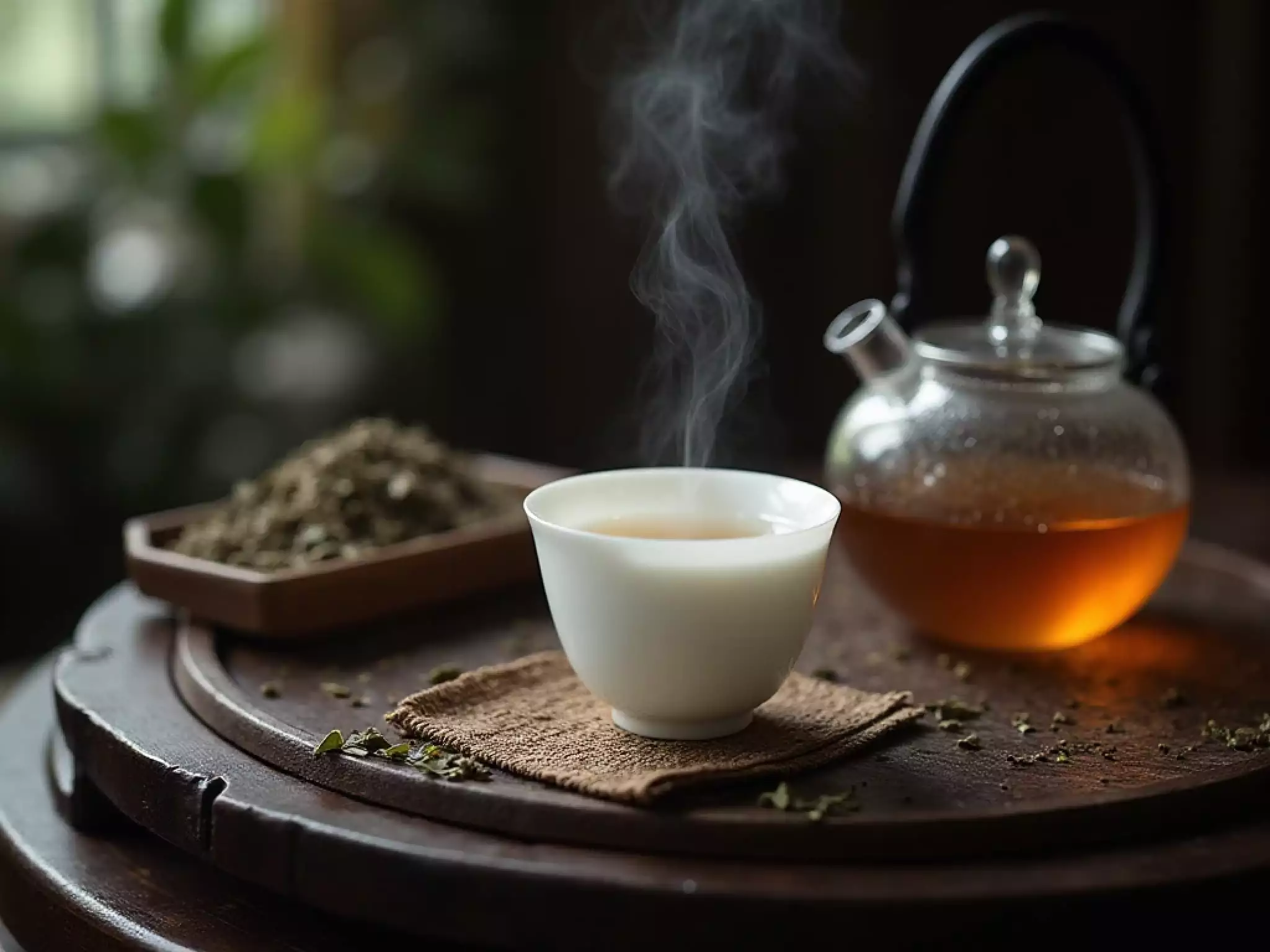
Step 1 — Material, Glaze, and Firing Temperature
The heat insulation of white porcelain depends heavily on its density, which is achieved during the firing process. This is the most critical factor for a comfortable tea experience.
- The "Burn Test": If your Gaiwan feels incredibly hot almost instantly, it was likely fired below 1200°C. Low-fired porcelain remains porous and conducts heat rapidly, making it difficult to handle.
- The Gold Standard (1300°C+): Premium Jingdezhen porcelain is fired at high temperatures. This ensures the clay is fully vitrified, resulting in a dense, jade-like texture that remains comfortable to hold even with boiling water.
- Visual Cues: High-temperature porcelain has a clear, bell-like ring when tapped and shows a pure, uniform translucency when held against a light source.
Step 2 — Shape, Capacity, and Ergonomics
- Master Cup (50–80 ml): A slightly flared "Everted" rim is not just for style; it helps the tea cool slightly as it reaches your lips and provides a more secure, comfortable grip for the fingers.
- Gaiwan Flare: Look for a Gaiwan with a wider rim. This "flare" creates a safety zone for your fingers, keeping them away from the steam and the hot body of the vessel during the pour.
Step 3 — Craftsmanship: Art Beyond the Surface
While machine-printed decals are fine for daily high-volume use, a true Master Cup often features hand-painted motifs using traditional underglaze cobalt or overglaze enamels. Hand-painted pieces offer a depth of color, unique variations, and a "soul" that consistent machine prints cannot replicate.
Upgrade Your Tea Ritual
Explore our curated collection of high-fired, handcrafted Jingdezhen porcelain tea ware.
Selection Checklist
- Firing Temp: Is it certified 1300°C+ "High-Temperature" porcelain?
- Translucency: Does it show a gentle, even glow without dark spots?
- Ergonomics: Does the Gaiwan have a wide enough flare to protect your fingers?
- Artistry: Are the motifs hand-painted or mass-produced decals?
- Safety: Is the glaze high-fired and certified food-safe?
Frequently Asked Questions
Why is my white porcelain cup so hot to hold?
This is usually due to a low firing temperature (below 1200°C). Low-temperature porcelain doesn't reach full density, causing it to conduct heat rapidly to the surface. To avoid scalding, always choose "High-Temperature" porcelain (1300°C+) which provides much better thermal insulation.
Is a Gaiwan better than a teapot for white porcelain?
White porcelain Gaiwans are highly versatile and do not absorb aromas, making them perfect for switching between different delicate teas like Silver Needle, Green tea, or High-Mountain Oolong. They also offer faster pouring and superior temperature control compared to teapots.
How do I remove tea stains from my Master Cup?
Because high-fired porcelain has an exceptionally smooth glaze, stains rarely penetrate the surface. A simple rub with a soft cloth and a bit of toothpaste or baking soda will effectively and safely remove deep tea stains without scratching the fine porcelain.

