
Tea & Your Body: Addressing Common Health Concerns
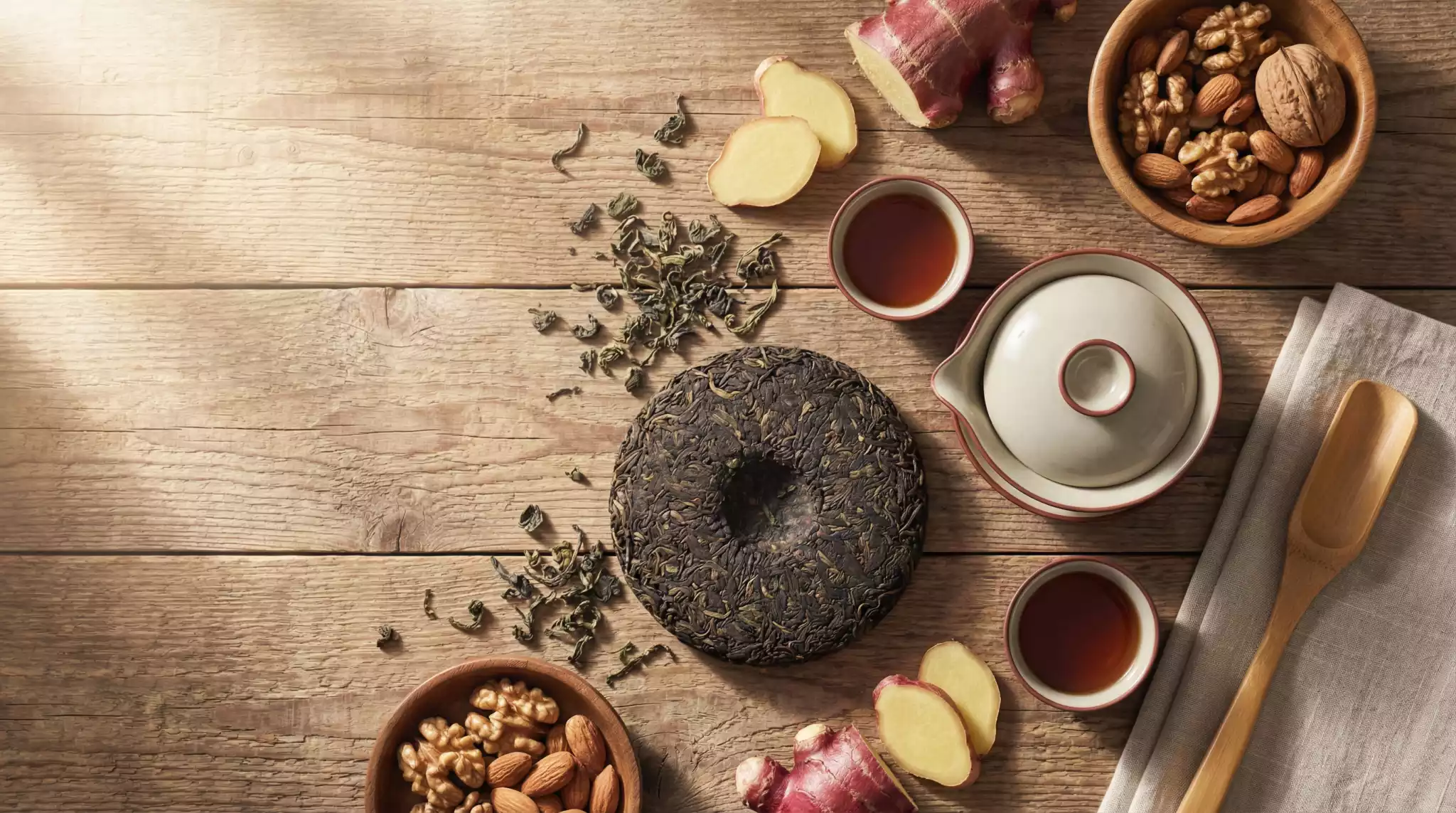
Tea has been part of daily life for centuries. From quiet morning rituals to afternoon breaks, it’s often seen as a symbol of comfort and wellness. Modern research supports many of tea’s benefits—such as supporting heart health, digestion, and antioxidant balance. Still, many tea drinkers wonder: Can tea upset the stomach? Is oversteeped tea harmful? Does drinking tea weaken bones?
This article answers these common questions in a clear, everyday way. We combine modern science with traditional perspectives to help you enjoy tea safely and confidently. As always, tea supports health—but it does not replace medical advice.
1. Drinking Raw Pu-erh on an Empty Stomach: Why It Can Cause Discomfort
Many people notice stomach discomfort after drinking raw (sheng) Pu-erh on an empty stomach. This experience is common—especially among beginners.
What science says
Short answer: Moderate tea drinking is associated with higher bone density and lower fracture risk—not bone loss.
Raw Pu-erh contains caffeine and tannins. When consumed without food, these compounds may stimulate stomach acid and irritate the stomach lining, leading to nausea, heartburn, or pain—particularly in sensitive individuals.
While some animal studies suggest Pu-erh extracts may protect the stomach under certain conditions, these effects do not fully apply when drinking strong tea on an empty stomach. Strong brews, lower-quality leaves, or large amounts increase the risk of discomfort.

Traditional understanding
In Traditional Chinese Medicine (TCM), raw Pu-erh is considered cooling. Drinking it on an empty stomach may weaken digestion, especially for people with a sensitive or “cold” constitution. For this reason, warming teas are traditionally preferred in the morning.
Practical tips
- Drink raw Pu-erh after meals, not on an empty stomach
- Brew lightly (shorter time, moderate temperature)
- If discomfort continues, switch to ripe (shu) Pu-erh or aged white tea
2. Is Oversteeping Old Tea Harmful?
Oversteeped or overnight tea has long been viewed with suspicion. But how risky is it really?
What science says
When tea is steeped too long, it releases more tannins and trace elements such as aluminum or lead. This can make tea bitter and, in extreme cases, slightly increase unwanted compounds—especially if the tea quality is poor.
However, for most people drinking properly stored tea brewed for 3–5 minutes, the risk is minimal. Problems arise mainly from very long steeping times, repeated reheating, or contaminated tea leaves.
Traditional understanding
Traditional practices emphasize fresh brewing. Overnight or repeatedly reheated tea is believed to lose vitality and strain digestion. While this view is symbolic, it aligns well with modern food safety habits.
Practical tips
- Steep tea for 3–5 minutes
- Avoid reheating or storing brewed tea overnight
- Discard tea that smells musty or shows signs of mold
3. Tea and Bone Health: Does Drinking Tea Weaken Bones?
Keywords targeted: tea and bone health, does tea cause osteoporosis, tea calcium loss
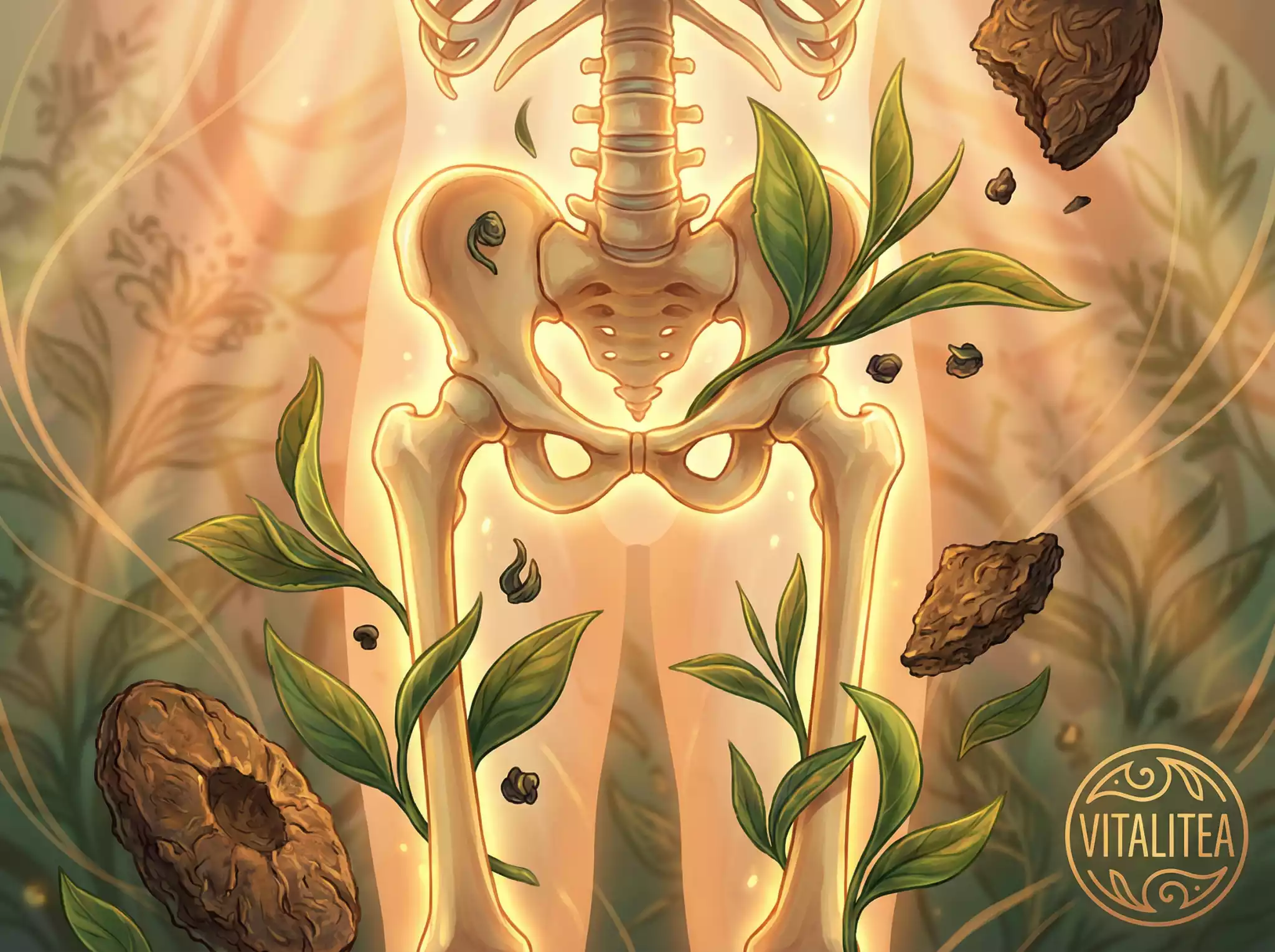
Bone health is a major concern for many tea drinkers, especially middle-aged and older adults. A common belief is that tea causes calcium loss and leads to osteoporosis. Current evidence suggests otherwise.

What science says
Large population studies and reviews show that moderate tea drinking is linked to better bone health, not worse.
- Regular tea drinkers have a lower risk of fractures
- Bone density tends to be slightly higher, especially in the hip and spine
- Best results appear at about 1–4 cups per day
Tea polyphenols—such as catechins—help reduce inflammation and support bone-building cells while slowing bone breakdown. These effects are seen across green tea, black tea, and Pu-erh.
Concerns about fluoride only apply to extreme cases involving very large amounts of strong tea consumed daily for decades. Normal tea drinking levels are far below this risk.
Traditional understanding
In TCM, the kidneys are believed to govern bone strength. Overly cooling teas may indirectly weaken this system if consumed excessively. Warmer teas—such as ripe Pu-erh, black tea, and aged white tea—are traditionally viewed as more supportive for long-term balance.
Practical tips
- Enjoy 1–4 cups of tea daily
- Choose quality loose-leaf tea
- Pair tea with calcium-rich foods
- Maintain regular movement and sunlight exposure
Other Common Tea & Health Questions
Tea and iron absorption
Tea can slightly reduce iron absorption if taken with meals. If iron levels are a concern, drink tea between meals or add vitamin C (like lemon).
Caffeine sensitivity
If tea causes jitters or sleep trouble, reduce intake or avoid drinking tea late in the day. Many teas naturally contain calming L-theanine, which helps offset caffeine.
Tea quality and contaminants
Choosing high-quality, well-sourced tea greatly reduces exposure to pesticides or heavy metals. Loose-leaf tea and paper tea bags are generally safer options.
Final Thoughts: Balance Makes Tea Your Ally
Tea is not harmful when enjoyed thoughtfully. For most people, moderate daily tea drinking supports overall health—including digestion, bones, and well-being. The key is balance: brew gently, listen to your body, and enjoy tea as part of a healthy lifestyle.
What tea do you drink most often? Share your experience in the comments—we’d love to hear your ritual.
Frequently Asked Questions About Tea & Health
People also ask about tea, digestion, and bone density.
Does drinking tea cause osteoporosis?
No. Moderate tea consumption is associated with better bone density and lower fracture risk.
Is raw Pu-erh bad for the stomach?
It can cause discomfort if drunk on an empty stomach. Drinking it after meals reduces this risk.
How much tea is safe to drink daily?
Most studies suggest 1–4 cups per day is ideal for health benefits.