

Written from first-hand sourcing experience in Yunnan, Fujian, and Anhui. Health claims are cross-referenced against peer-reviewed literature. This guide is informational and does not constitute medical advice — consult a physician if you have a liver, kidney, or digestive condition.
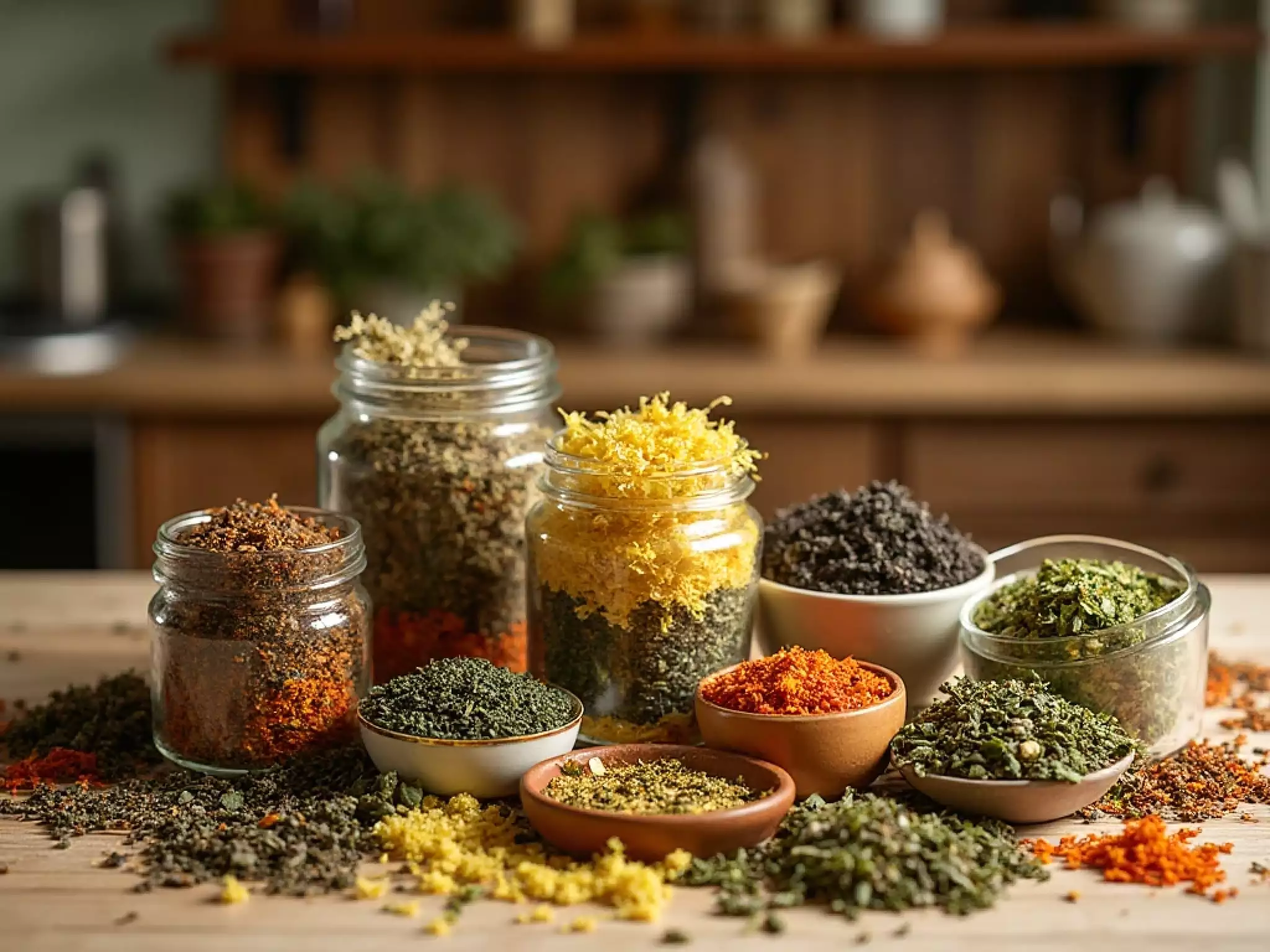
Pu-erh, green tea, and dandelion — three teas that genuinely support your body's natural cleansing systems.
Why Tea Supports Your Body's Natural Detoxification
Teas aid detoxification by supporting liver function, digestion, and antioxidant activity to neutralise free radicals. Fermented teas like Pu-erh enhance gut health through microbial metabolites, while green tea's EGCG supports Phase I and II liver detox enzymes, and dandelion directly stimulates bile production and kidney filtration. They work best alongside adequate hydration, a diet rich in vegetables and whole grains, and consistent sleep — not as standalone cures.
Many commercial detox teas contain senna leaf — a stimulant laxative that can cause dependency, electrolyte imbalance, and bowel dysfunction with regular use. The teas recommended here are pure botanical teas with no added laxatives, artificial stimulants, or unverified proprietary blends. All Steeped Roots teas carry full traceability documentation and independent lab testing. If a product promises dramatic results in 14–28 days and lists senna or a "cleansing blend," approach it with serious caution.
🍃 Find Your Cleansing Tea in 10 Seconds
Pu-erh Tea: The Digestive Detox Champion
Type: Fermented Tea · Origin: Yunnan, China · Caffeine: 20–70 mg/cup
Pu-erh is the most biologically complex detox tea — its microbial fermentation generates a compound profile that interacts directly with your gut microbiome. Polyphenols and microbial metabolites support digestion, lipid metabolism, and the gut flora populations associated with metabolic health.
Raw vs. Ripe: Matching Pu-erh to Your Constitution
The most important Pu-erh decision isn't brand — it's type. Raw and Ripe Pu-erh are physiologically distinct and suited to different body types and goals.
🌿 Raw Pu-erh (Sheng) — The Active Cleanser
- Rich in catechins and polyphenols, similar to green tea
- More astringent and stimulating — higher antioxidant potency
- Best for: active constitutions, those who run warm
- Use: morning or midday, not on an empty stomach if sensitive
- Avoid if: easily chilled, prone to stomach sensitivity, or in the evening
🍂 Ripe Pu-erh (Shou) — The Gentle Gut Restorer
- Pile-fermented (wodui) — warmer character, lower astringency
- Gentler on the stomach; supports gut flora gradually
- Best for: sensitive digestion, cold constitutions, post-meal
- Ideal for: long-term gut microbiome support
- Safe for evening use — lower effective caffeine feel
Prep: Raw — 90–95°C, 2–3 min. Ripe — 95–100°C, 3–4 min. A Yixing clay teapot is traditional and enhances the session over time. Store in airtight, opaque containers away from heat and strong odours to preserve active compounds — see our teaware and storage guide.
Shop Premium Pu-erh at Steeped Roots → Full Raw vs. Ripe Guide →Deeper reading: Why Raw Pu-erh May Support Weight Control · How Tea Molecules Rebuild Your Gut Barrier
Green Tea: The Antioxidant Cleanser
Type: Green Tea · Origin: China, Japan · Caffeine: 20–45 mg/cup
Green tea is the most extensively researched tea for liver and metabolic health. Its EGCG (epigallocatechin gallate) content — the most potent catechin in the tea family — has documented effects on liver enzyme activity, oxidative stress reduction, and fat metabolism support.
Taste: Fresh, grassy, lightly sweet. Chinese greens (Longjing, Biluochun) tend toward roasted sweetness; Japanese greens (Sencha, Gyokuro) toward umami depth.
Prep: 80–85°C is essential — boiling water destroys EGCG and produces bitterness. Steep 1–2 minutes. EGCG is absorbed most efficiently on a near-empty or light stomach.
Shop Premium Green Tea at Steeped Roots → Explore Top Chinese Teas →Also see: The Broader Benefits of Drinking Tea · Train Your Palate to Detect Freshness
Dandelion Tea: The Liver-Supporting Cleanser
Type: Herbal Tea · Caffeine: None · Best Time: Evening
Dandelion occupies a unique position in a cleansing toolkit: entirely caffeine-free, it directly stimulates bile production and flow — the liver's primary mechanism for excreting fat-soluble waste compounds — while its inulin content feeds beneficial gut bacteria. This makes it ideal for long-term, low-intervention liver and kidney support, especially in the evening.
Taste: Earthy, slightly bitter, nutty — especially from roasted root. Raw honey softens the bitterness without cancelling the bile-stimulating bitter compounds.
Prep: 100°C, 5–7 minutes to fully extract inulin and bitter flavonoids. The diuretic effect is real — increase overall water intake on days of regular dandelion use.
Shop Dandelion Tea at Steeped Roots → Caffeine-Free Evening Tea Guide →💧 Water Quality: The Variable That Determines How Much Your Tea Actually Works
Most guides focus entirely on the leaf. But the water — 98–99% of what you're drinking — is equally important when bioactive compounds are the point.
- Chlorine and chloramines in municipal tap water react with tea polyphenols, binding to catechins and reducing their bioavailability by an estimated 15–30%. This directly limits the detox benefit of green tea and Pu-erh.
- Hard water (high calcium carbonate) raises brew pH, degrading theaflavins and reducing polyphenol interaction with gut and liver enzymes.
- Use: Filtered water (activated carbon removes chlorine) or spring water with low mineral content (TDS under 100 mg/L). For both taste and biochemical completeness, this is not optional.
Full guide: Water: The Essential Element Behind Every Great Cup of Tea
Tasting Tips: Getting More from Every Cleansing Session
Slowing down to smell, sip, and notice activates the parasympathetic nervous system — the state in which the liver and gut do their most efficient work. The sensory experience supports the biochemistry.
- Smell first, always. Pu-erh's earthy depth or green tea's fresh grass primes the digestive system before a sip is taken. See our palate training guide.
- Sip slowly, let it linger. Holding each sip briefly before swallowing improves polyphenol absorption through the mouth lining.
- Compare Raw vs. Ripe Pu-erh on consecutive days to feel the constitutional difference — the warming of ripe versus the sharpness of raw.
- Correct temperature is non-negotiable. See the Gongfu brewing guide for parameters — especially for green tea where excess heat destroys catechins.
Comparing Teas for Detox and Cleansing
| Tea Type | Caffeine | Primary Detox Mechanism | Taste | Best Constitution | Best Time |
|---|---|---|---|---|---|
| Raw Pu-erh (Sheng) | 40–70 mg | Antioxidant polyphenols, lipid metabolism support | Grassy, floral, astringent | Active, runs warm | Morning / mid-day |
| Ripe Pu-erh (Shou) | 20–40 mg | Gut microbiome support, gentle lipid metabolism | Earthy, smooth, dark | Sensitive digestion, cold constitution | Post-meal, anytime, evening |
| Green Tea | 20–45 mg | EGCG antioxidant, liver enzyme support | Fresh, grassy, sweet | Most constitutions | Morning / mid-day |
| Dandelion Tea | None | Bile stimulation, kidney filtration, prebiotic inulin | Earthy, bitter, nutty | All — especially liver-sensitive | Evening (caffeine-free) |
7-Day Gentle Cleansing Tea Plan
Not a fast or a dramatic reset — a simple, sustainable one-week structure that builds the three-session habit. Save it or screenshot it for the week.
- ☀️ Green tea
- 🌿 Raw Pu-erh (after lunch)
- 🌙 Dandelion (evening)
- ☀️ Green tea
- 🍂 Ripe Pu-erh (post-meal)
- 🌙 Dandelion (evening)
- ☀️ Green tea
- 🌿 Raw Pu-erh (after lunch)
- 🌙 Dandelion (evening)
- ☀️ Green tea
- 🍂 Ripe Pu-erh (post-dinner)
- 🌙 Dandelion (evening)
- ☀️ Green tea
- 🌿 Raw Pu-erh (mid-afternoon)
- 🌙 Dandelion (evening)
- ☀️ Green tea
- 🌿 Raw Pu-erh (after brunch)
- 🌙 Dandelion + honey
- ☀️ Green tea
- 🍂 Ripe Pu-erh (after lunch)
- 🌙 Dandelion (evening)
⚡ Pair with 2 litres of filtered water daily, a fibre-rich diet, and 7–8 hours sleep. The teas support the system; the lifestyle runs it. See our Gongfu Brewing Guide for Day 6.
How to Incorporate These Teas Into Your Routine
- Morning Cleanse: Green tea (80–85°C) before or with a light breakfast — EGCG is most bioavailable on a near-empty stomach.
- Post-Meal Support: Raw Pu-erh within 30 minutes of a heavy meal for fat digestion and lipid metabolism support. Use ripe Pu-erh if your stomach is sensitive.
- Evening Reset: Dandelion (100°C, 5–7 min) 1–2 hours before sleep — caffeine-free, gentle, and compatible with sleep. See the Evening Tea Guide.
- Use filtered water for every cup when the goal is maximising bioactive compound delivery. See our Water Guide.
- Store properly: Active compounds degrade with light, moisture, and heat. Keep teas in airtight, opaque containers. See our Teaware and Storage Guide.
- Brew with precision: The Gongfu method extracts health compounds in layered stages, producing better flavour and better bioavailability than long Western-style steeping.
Potential Side Effects and Sensible Limits
- Caffeine sensitivity: Limit raw Pu-erh and green tea to 2–3 cups daily. Ripe Pu-erh is gentler. Dandelion is caffeine-free.
- Diuretic effects: Dandelion genuinely increases urine output — increase overall water intake on days of regular use.
- Empty stomach: Raw Pu-erh and green tea can cause nausea in sensitive people without food. Have a small snack first if needed.
- Medication interactions: Dandelion may interact with diuretics and blood-thinning drugs. Green tea's vitamin K content can affect warfarin. Consult a physician if you take long-term medication.
- Quality and sourcing: Low-grade Pu-erh from unverified sources may carry pesticide residues. Choose traceable teas with independent lab testing.
Frequently Asked Questions
How does Pu-erh support detox?
Pu-erh's polyphenols and microbial metabolites interact with the gut microbiome to support lipid metabolism and activate digestive enzymes that improve fat breakdown. This is why Pu-erh is traditionally sipped after heavy meals — the mechanism is biochemically real. Read more: Why Raw Pu-erh May Support Weight Control: A Digestive Perspective
Can I drink these teas daily for detox?
Yes — all three are appropriate for daily use at moderate quantities (2–3 cups for caffeinated teas; dandelion as desired). Excessive green tea above 6–8 cups daily has been associated with liver stress in rare cases; at 2–3 cups, benefits dominate. Dandelion is entirely caffeine-free and highly forgiving. See also: The Broader Benefits of Drinking Tea.
Which tea is best for liver detox?
Dandelion is the most targeted liver support, directly stimulating bile production and flow. Green tea's EGCG is documented to improve liver enzyme profiles. Pu-erh supports the liver indirectly through gut microbiome modulation and lipid metabolism. For comprehensive liver support, rotating all three across the day — as in the 7-day plan — is the most effective approach.
Does water quality actually affect the cleansing benefit?
Yes, measurably. Chlorine in tap water reacts with catechins, reducing their bioavailability. Hard water degrades polyphenols and alters the pH in ways that affect their interaction with liver and gut enzymes. Filtered or quality spring water is part of the protocol — not a luxury. Full guide: Water: The Essential Element Behind Every Great Cup.
What is the difference between raw and ripe Pu-erh for detox?
Raw Pu-erh (Sheng) is higher in catechins and antioxidant polyphenols — stronger, more astringent, better suited to active constitutions and maximum antioxidant potency. Ripe Pu-erh (Shou) is pile-fermented, producing a warmer, gentler compound profile that is kinder to sensitive digestion and more appropriate for long-term gut microbiome support. Full breakdown: Raw vs. Ripe Pu-erh: Complete Guide.
How long before I notice results from a cleansing tea routine?
Most people notice subtle improvements in digestion and post-meal comfort within 3–5 days of consistent use. More systemic effects — improved gut microbiome composition, reduced oxidative markers — are typically measured in research over 4–8 weeks. The 7-day plan above is a starting point, not a complete programme. Consistency matters more than intensity.
A Gongfu session with Pu-erh — the layered brewing method that extracts the most from every gram of leaf. Learn the method →
Share your week with #SteepedRoots — we'd love to see how the 7-day plan works for you.
🍃 Continue Your Tea Education
- Raw vs. Ripe Pu-erh: Complete Guide & Flavour Comparison — the fundamental difference before you choose
- Why Raw Pu-erh May Support Weight Control: A Digestive Perspective
- The 3PM Micro-Reset: How Tea Molecules Rebuild Your Gut Barrier
- How to Brew Gongfu Tea at Home: Beginner's Guide
- Water: The Essential Element Behind Every Great Cup of Tea
- 6 Teas That Calm Your Mind and Body for Sleep
- The Benefits of Drinking Tea: Wellness with Raw Pu-erh and Black Tea
- Training Your Tea Palate: Beginner's Practice Guide
- Choosing the Right Teaware — including tea storage to preserve active compounds