
How to Begin a Long-Term Puerh Tasting Practice
Why Commit to Long-Term Puerh Drinking?
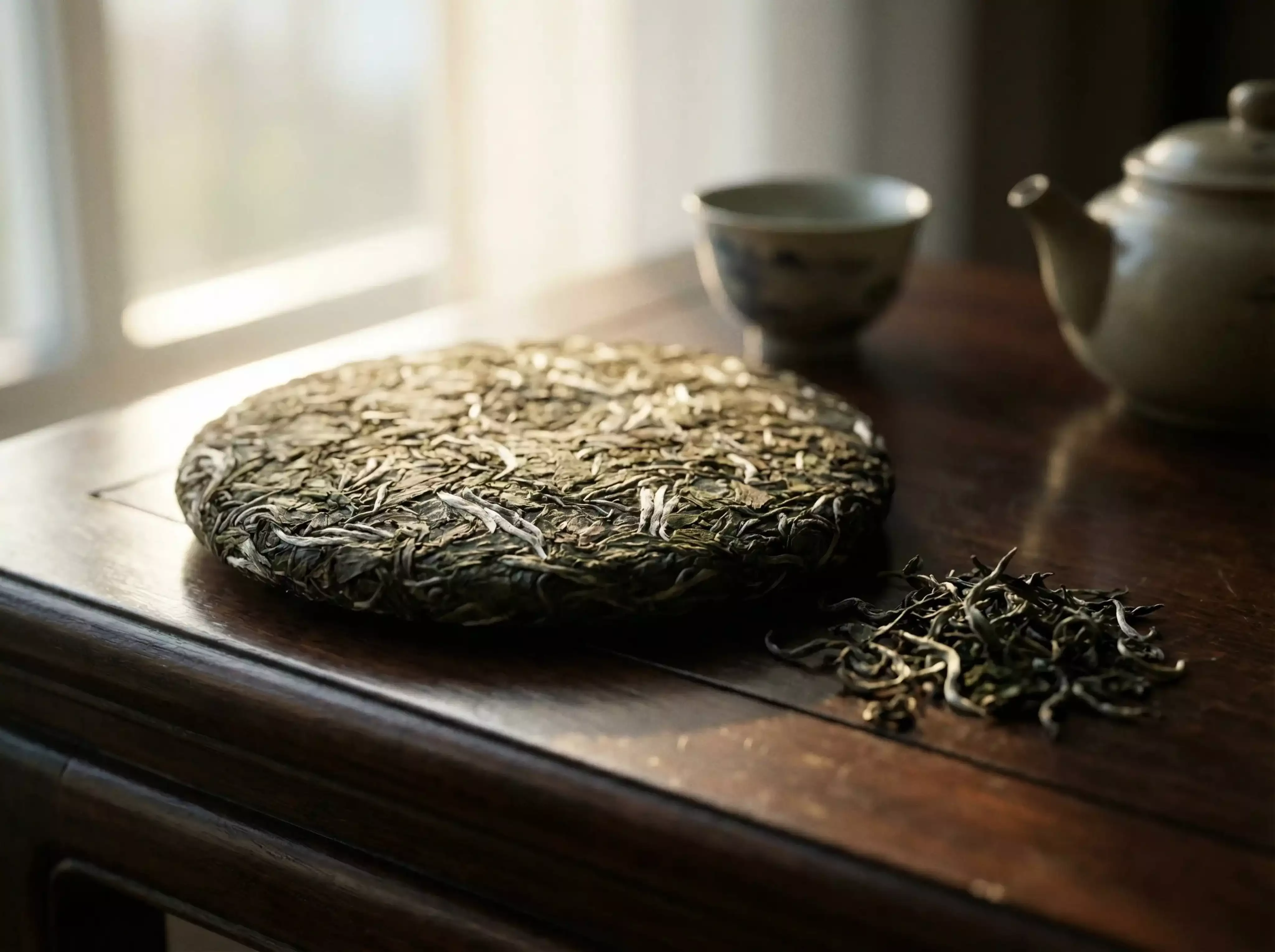
For those who cherish Puerh, tea is not merely a beverage—it’s a lifelong journey of discovery. Among all Chinese teas, Puerh offers something rare: the ability to evolve with age. But before diving into years of aging, it is crucial to understand What Is Tea Tasting? and how it differs from casual drinking.
When we talk about “long-term Puerh drinking,” we’re often focusing on Sheng (Raw) Puerh. The energy and complexity of these leaves are heavily influenced by their source. To truly appreciate this journey, one must distinguish between the robust depth of Ancient Tree vs Terrace Tea, as Gushu material possesses the stamina required for multi-decade transformation.
“To drink Puerh for one season is curiosity. To drink it for ten years is devotion.”
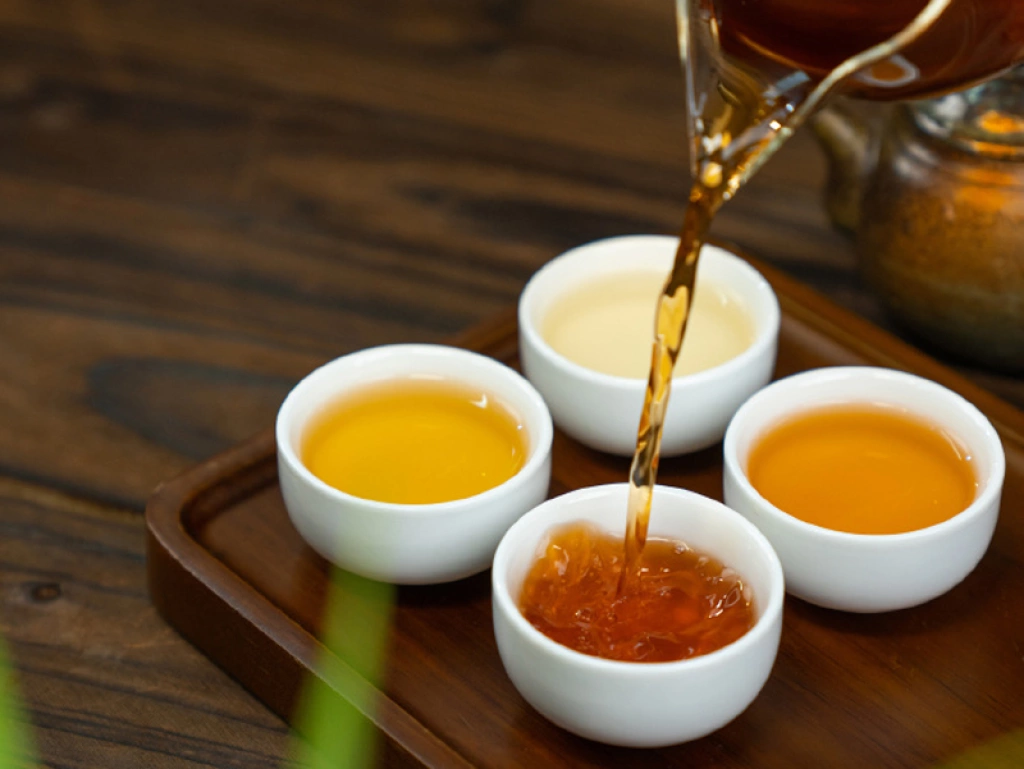
How to Begin a Long-Term Tasting Practice
Choose a Focus: Start with one origin whose flavor resonates with you. Brew a portion every few months or once a year to taste how the tea evolves. This is where your library begins—seeing how time polishes the edges of a young tea.
Develop Your Palate: Tracking a tea's progress requires a systematic approach. For a detailed breakdown of what to expect during each stage of aging, refer to our guide on How to Taste Sheng Pu-erh: Notes by Year and Storage.
Keep Detailed Notes: Record the mountain, producer, and harvest season. Track how your impressions shift. These notes form your personal flavor map, reflecting your evolving taste over the years.
The Evolution of Raw Puerh
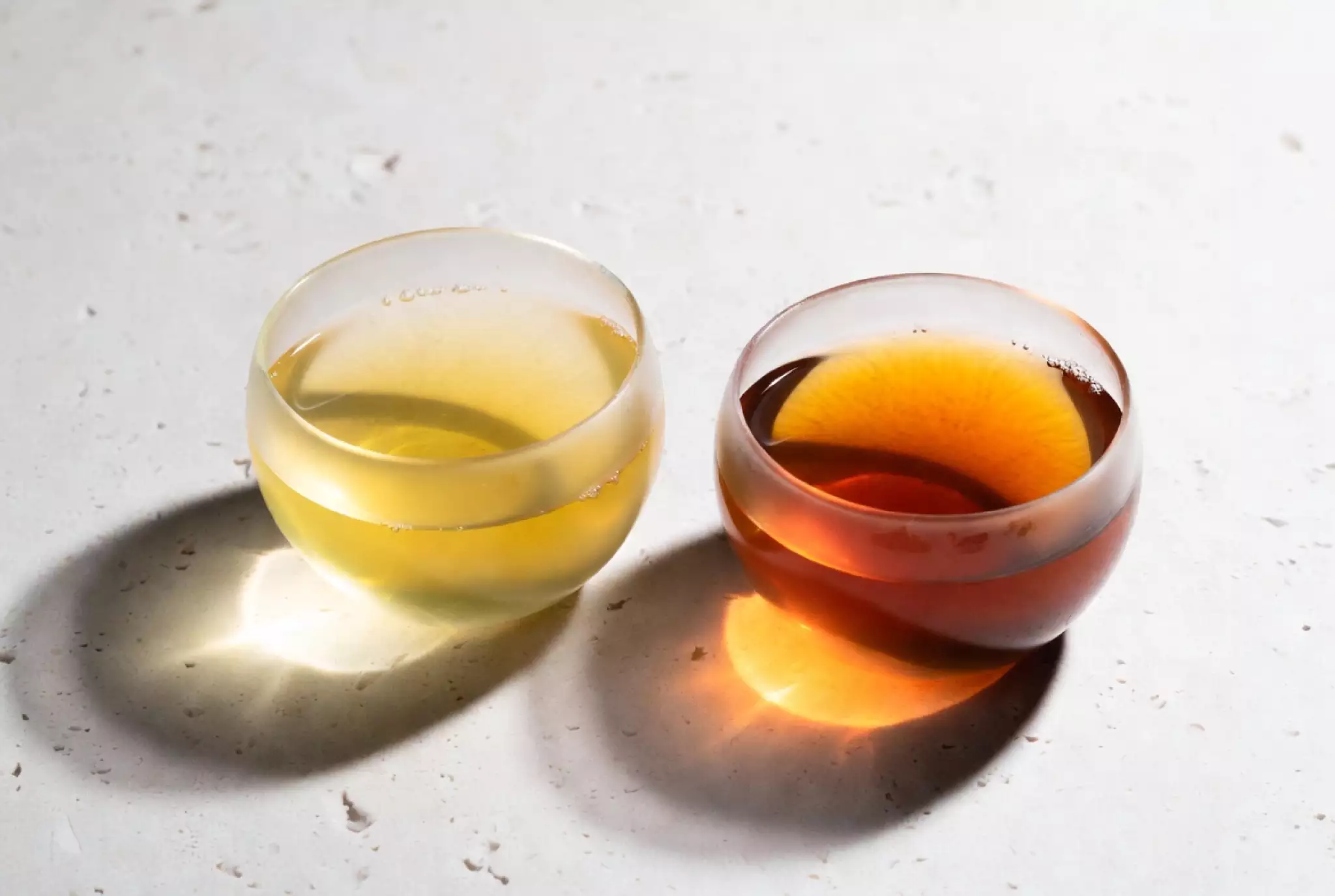
Bright floral aromas, high astringency, and a pale yellow soup. Energizing and "green."
Honey and dried fruit notes appear. The bitterness begins to transform into persistent sweetness (Huigan).
Deep amber soup. Woody, camphor, or medicinal notes. The "Qi" becomes more grounding and mellow.
Material Matters: Aging Potential
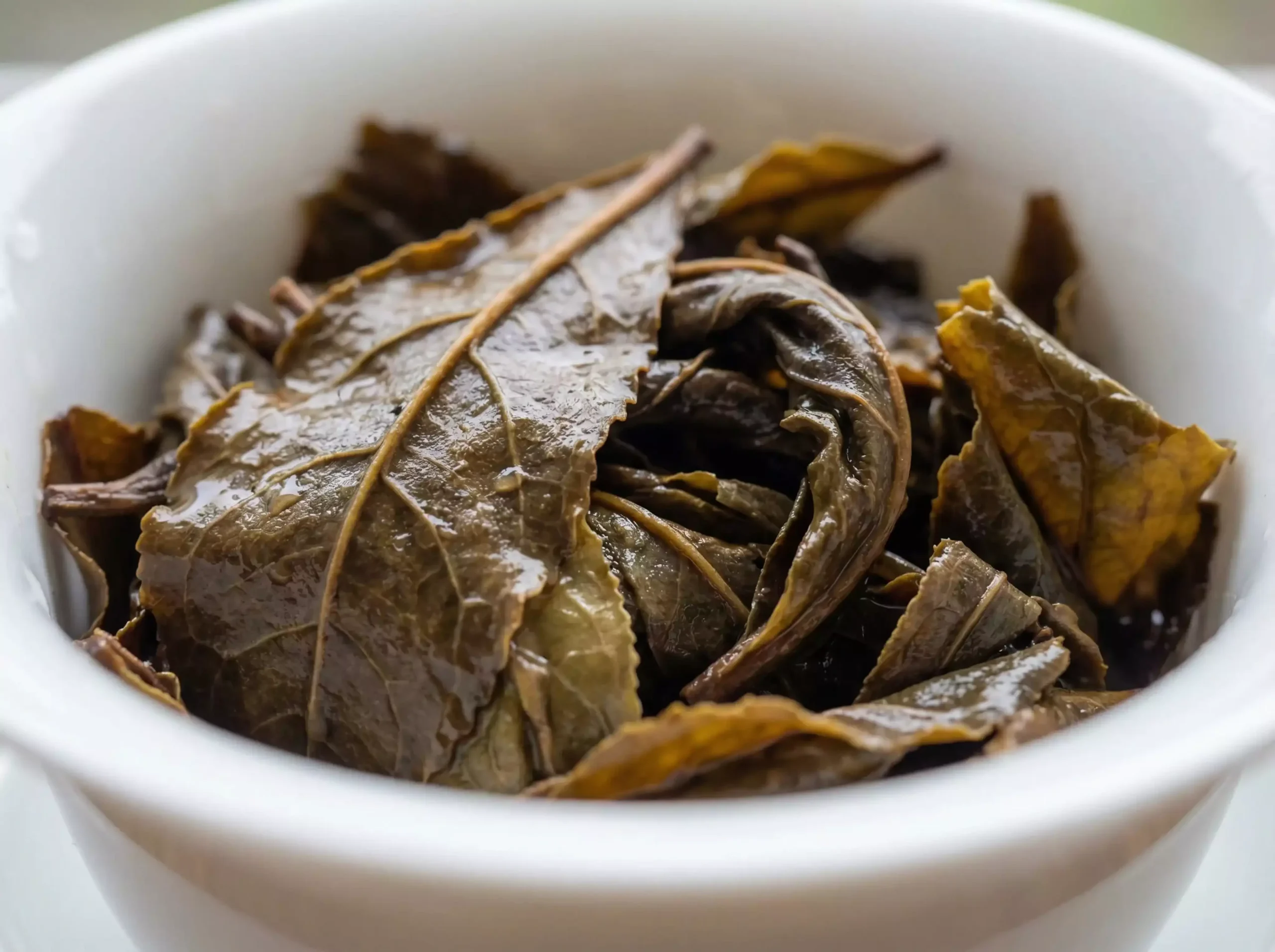
| Feature | Ancient Tree (Gushu) | Terrace Tea (Taidi) |
|---|---|---|
| Root System | Deep roots; absorbs rich minerals. | Shallow roots; relies on surface soil. |
| Endurance | High (15+ infusions). | Moderate (6-8 infusions). |
| Aging Pace | Slow, steady, and complex. | Fast, but can lose flavor quickly. |
| Tasting Profile | Soft texture, deep resonance (Houyun). | Sharp aroma, higher bitterness. |
Puerh Tasting Insights
Why is Puerh tea suitable for long-term tasting?
Unlike most teas, Puerh (especially Sheng/Raw Puerh) evolves over decades. Its fermentation process allows it to change in flavor, aroma, and energy (Chaqi) over time, making it a living archive of climate and age.
What is the best way to track Puerh aging?
The most effective method is 'tracking over time.' Choose one origin, store it consistently, and brew a portion every few months or once a year while keeping detailed sensory notes in a journal or digital tool.
Should I only buy ancient tree (Gushu) Puerh for long-term aging?
Ancient tree material is generally preferred for serious long-term aging due to its richer substance and transformation potential, but well-made terrace tea can also develop nicely over 8–15 years. Start with what resonates with your palate and budget.
How often should I taste the same cake during aging?
Every 6–12 months is ideal for the first 5 years, then once every 1–2 years as changes slow down. Always taste small samples to preserve the bulk of the cake.
Does storage environment matter more than the tea itself?
Yes — after the first 3–5 years, proper storage (stable temperature 20–28°C, humidity 55–75%, good airflow, no odors) becomes the dominant factor in how a Sheng Puerh evolves positively.
Final Thoughts: Tea as a Mirror
Long-term Puerh drinking is not just about tea—it’s about rhythm. Over time, the same leaves will taste different not because they changed, but because you did. Sit with silence. Let the leaves speak—about the mountain, about time, and about you.