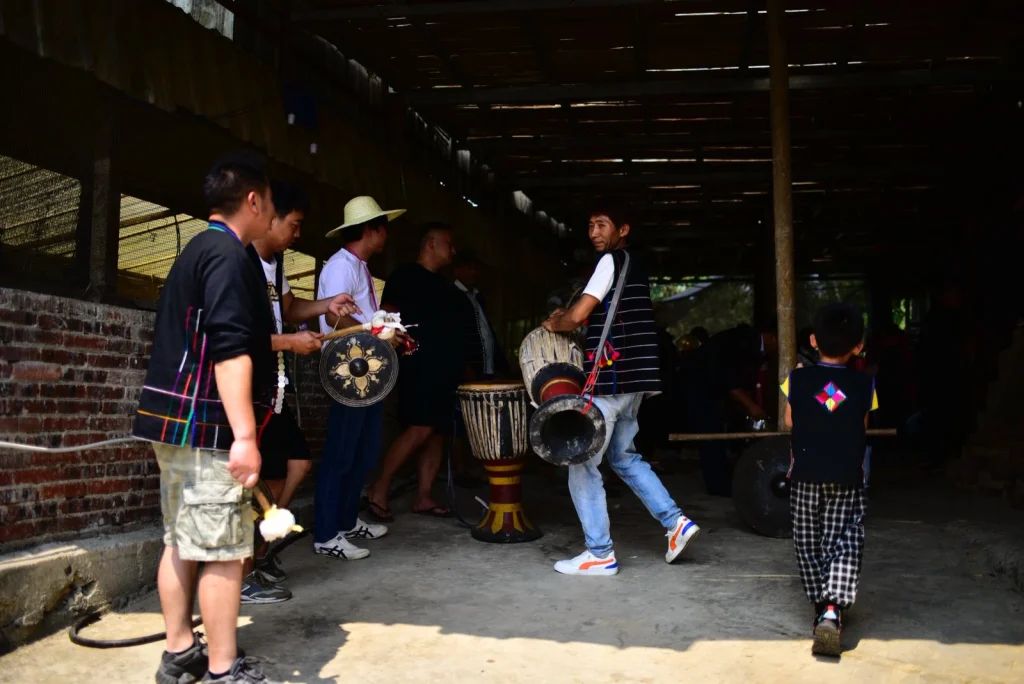
Life in the River Valleys: Dai Communities of Xishuangbanna and the Tea World They Support
Between bamboo houses, seasonal labor, and food that demands time.
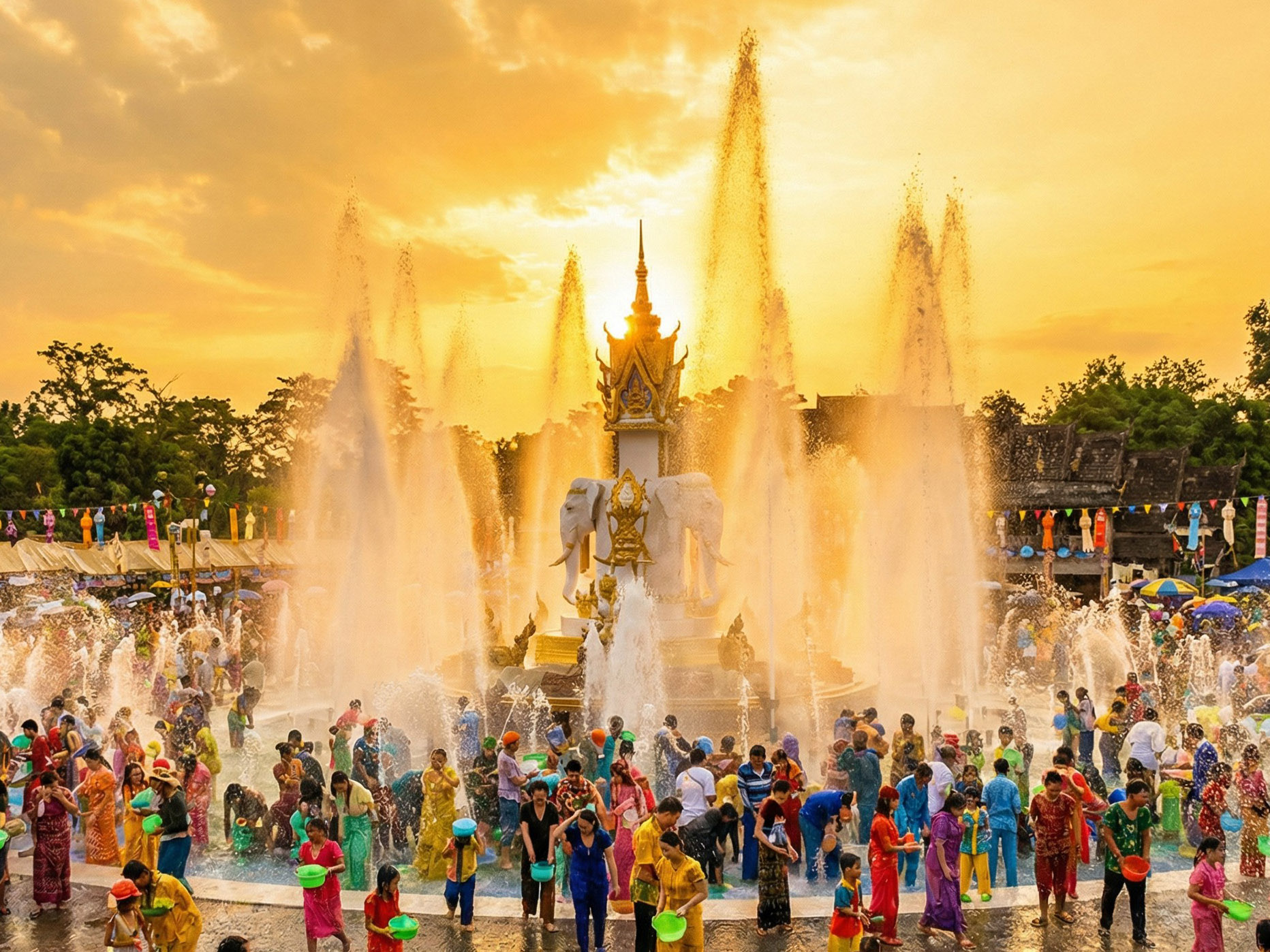
In the river plains of Xishuangbanna, Dai life unfolds not on mountain ridges but along watercourses. Villages cluster beside rice paddies and slow-moving rivers, where monsoon rains and seasonal floods dictate the rhythm of work, rest, and celebration.
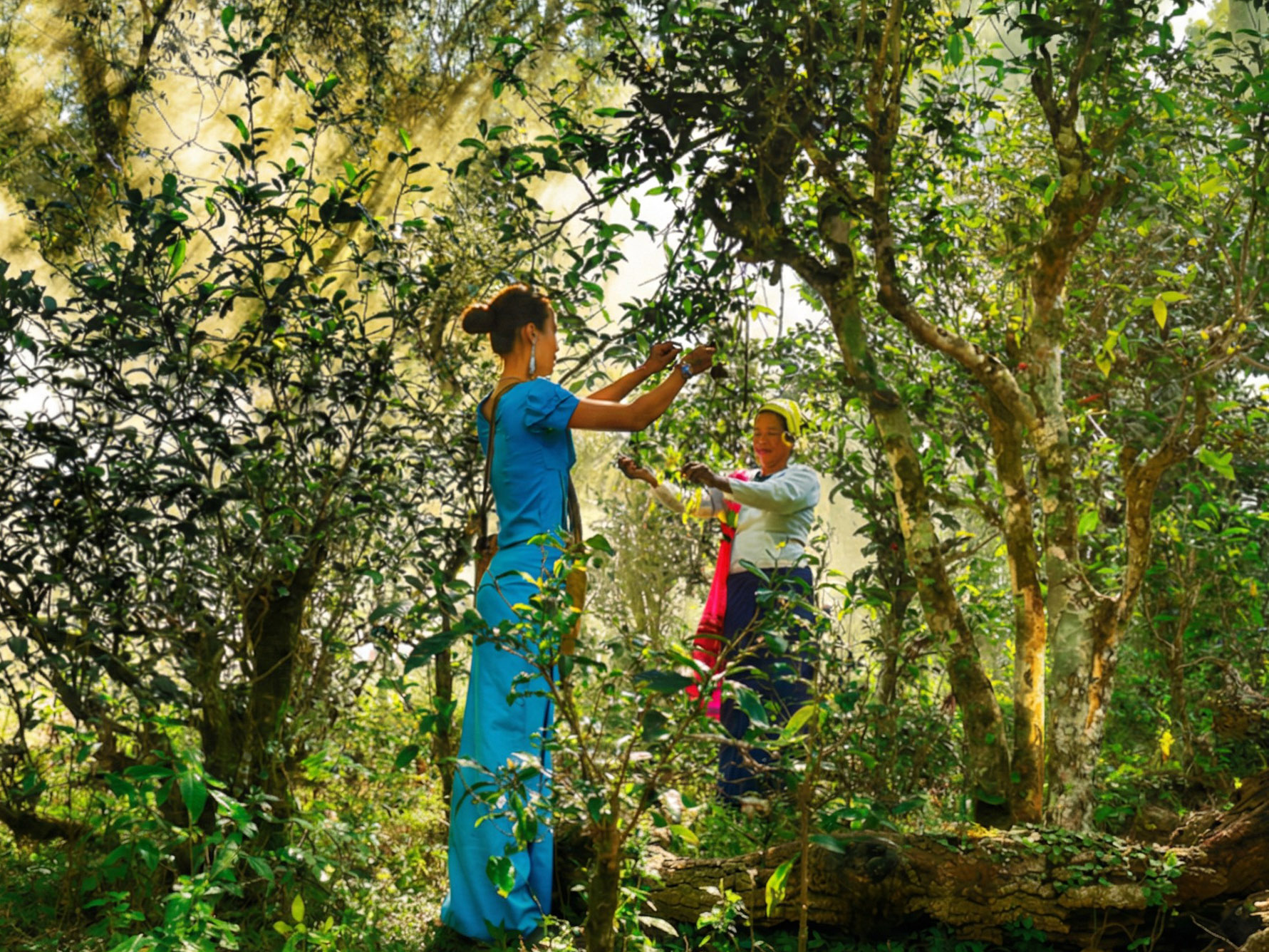
Although often associated with tea forests, most Dai families do not own tea mountains. Their role in the tea world is quieter but essential. Rooted in valleys rather than slopes, Dai communities act as connectors—linking upland tea growers with markets, processing spaces, and transport routes.
Tea as Labor, Not Myth
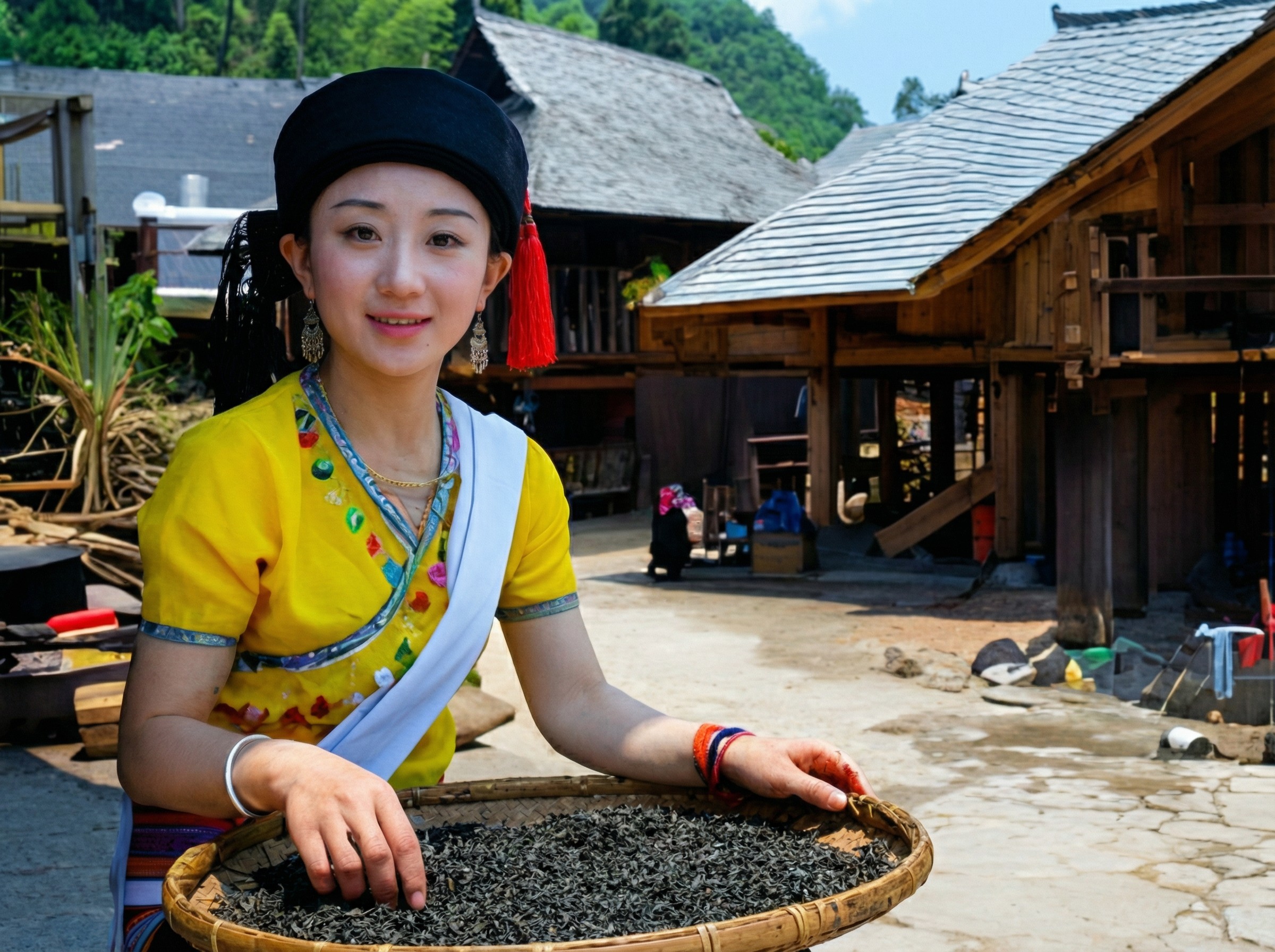
In Xishuangbanna, tea passes through many hands before it ever reaches a cup. While neighboring communities such as the Bulang and Hani are closely tied to ancient tea forests, Dai households are more often involved in the work that follows harvest.
Many Dai people participate in fresh-leaf buying, pan-firing, sun-drying, sorting, and transport. Others work as intermediaries, coordinating between mountain villages and township markets such as Jinghong. Tea, here, is part of seasonal labor cycles rather than a symbol of ownership.
At home, tea is brewed simply—light infusions shared after work, during afternoon heat, or in the quiet hours following market days. This is tea without ceremony, valued for its ability to hold time rather than perform refinement.
Food That Cannot Be Rushed: Duo Sheng (剁生)
One of the most revealing expressions of Dai culture is a dish rarely prepared and never hurried: Duo Sheng (剁生). Reserved for major festivals, weddings, and significant communal gatherings, it consists of raw pork or beef chopped continuously by hand for three to four hours.
The process demands patience, strength, and collective effort. Family members take turns at the chopping block, transforming meat into a fine paste before mixing it with wild herbs, bitter leaves, chili, and sour seasonings. The dish is eaten as a shared dipping preparation.
Duo Sheng is not everyday food. It is a declaration that time has been set aside. Like tea labor and festival cycles, it reflects a culture where celebration is earned through shared work.
Water, Bamboo, and a Living Present
Dai bamboo stilt houses rise lightly above the ground, allowing air to circulate and floods to pass beneath. Water cleanses Buddha statues during the Water Splashing Festival, nourishes rice fields, and anchors spiritual life.
Modern life is visible everywhere—roads widen, phones glow at night, and tea moves faster than ever. Yet the logic of Dai life remains seasonal rather than accelerated. Culture persists not by resisting change, but by continuing to make sense within it.
Visiting Xishuangbanna Thoughtfully
For travelers interested in understanding Dai culture beyond surface spectacle, consider experiences that focus on markets, food, and daily life rather than performances alone. Locally based travel operators often provide village-focused itineraries that respect seasonal rhythms.
Frequently Asked Questions
Do Dai people grow tea?
Most Dai households in Xishuangbanna do not own tea mountains. Their involvement is primarily in processing, trading, and transport rather than cultivation.
Is Duo Sheng eaten regularly?
No. Due to the hours of hand-chopping required, Duo Sheng is typically reserved for major festivals, weddings, or significant communal events.
What kind of tea do Dai people drink daily?
Dai households typically drink light, fresh infusions of Pu-erh or local black tea, served in a practical, unceremonious style for daily refreshment.