
The Complete Journey into Cha Qi: Feeling Tea's Energy from First Sip to Deep Resonance
Tea is simple—just leaves and water. Yet between the first inhale of fragrant steam and the lingering warmth in your chest lies an entire universe of sensation. In Chinese tea culture, this experience goes far beyond taste. It's a dialogue between your body and the leaf, a dance of energy that unfolds uniquely in each person.
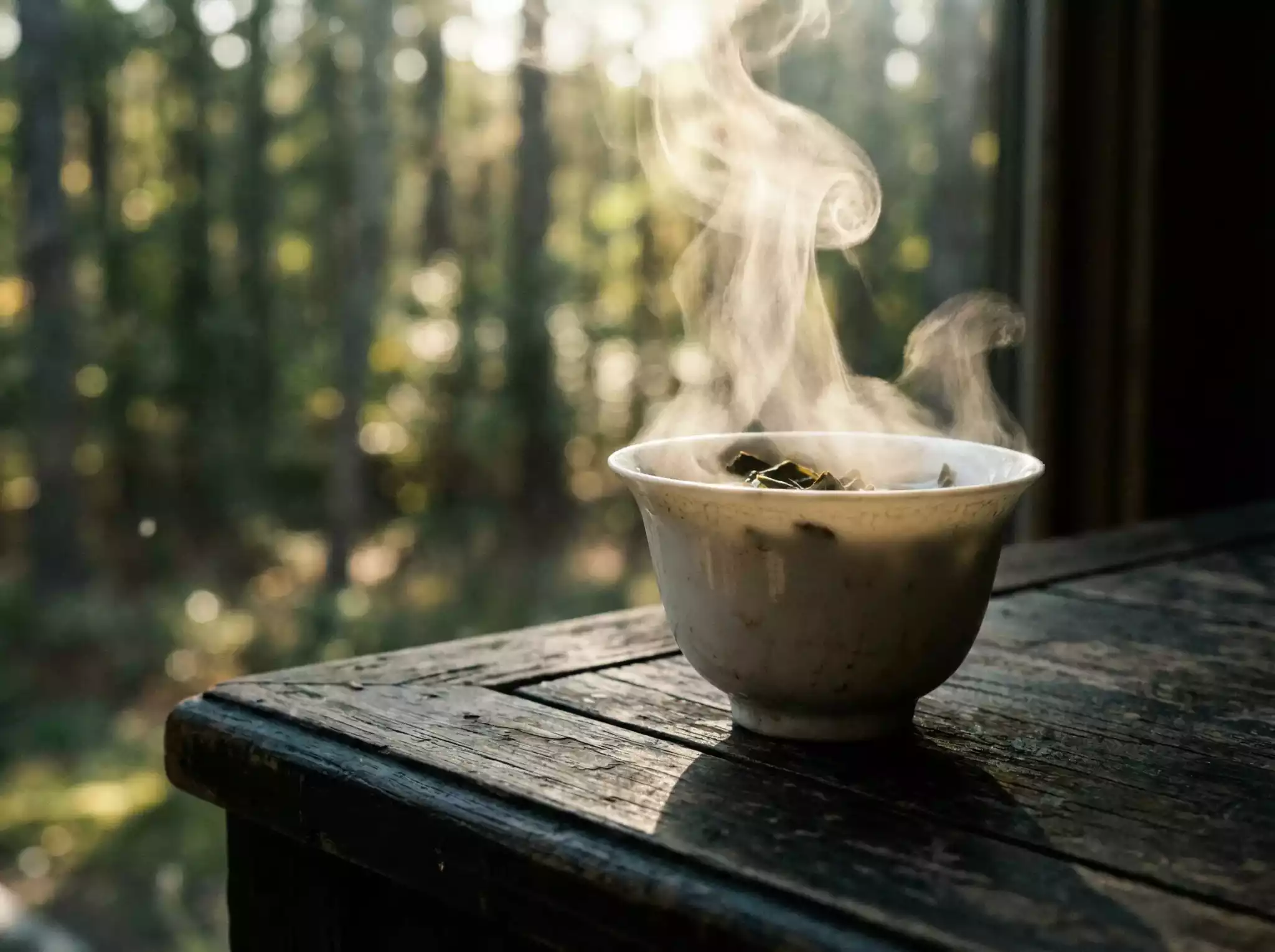
Some feel a gentle warmth rising along their spine. Others notice fine beads of sweat forming on their forehead. A cooling sensation might spread through the throat, or a wave of mental clarity might wash over the mind like morning mist lifting from a mountain valley. This is Cha Qi (茶气)—the vital energy of tea—and it transforms drinking tea from a simple habit into a profound, embodied experience.
This guide will take you on a complete journey—from understanding what Cha Qi is, to learning how to feel it in your own body, to discovering the subtle sensations that make tea drinking a mindful, almost meditative practice. Whether you're a curious beginner or someone who's felt fleeting glimpses of tea's deeper effects, this is your roadmap to experiencing tea not just as a beverage, but as a living energy.
Part I: What Is Cha Qi? Understanding Tea's Vital Energy
The Essence of Cha Qi
Cha Qi (茶气, pronounced "chah-chee") translates literally as "tea energy" or "tea vitality." But unlike mystical concepts, Cha Qi is deeply rooted in your body's physiological response to tea's bioactive compounds. It's the tangible sensation that ripples through you when drinking high-quality tea—particularly ancient tree raw Pu-erh, aged oolongs, or potent green teas.

"Cha Qi is not something you think about. It's something you feel—a warm current, a subtle awakening, a presence that settles into your bones."
At Steeped Roots, we see Cha Qi as a personal conversation between the tea and your unique body. The author, for example, experiences fine sweat on the forehead when sipping ancient-tree Sheng Pu-erh from Yiwu. Others might feel a spinal glow, a chest warmth, or a cooling throat sensation. There is no "correct" way to feel Cha Qi—only your way.
The Science Behind the Sensation
What creates this remarkable experience? Cha Qi emerges from the synergy of three primary compounds found in tea:
- Caffeine: Provides mental alertness and a gentle energy lift, stimulating the central nervous system.
- L-Theanine: An amino acid unique to tea that promotes relaxation, reduces anxiety, and induces alpha brain wave activity—creating that signature state of "calm focus."
- Polyphenols (Catechins): Powerful antioxidants that can affect blood flow, metabolism, and even blood sugar levels, especially when consumed on an empty stomach.
When these compounds interact with your body, they create a cascade of physiological effects. According to a 2020 study on tea chemistry published in Nutrients, the combination of caffeine and L-theanine produces a state of "relaxed alertness" that is unique to tea—different from the jittery spike of coffee or the heavy sedation of alcohol.
Cha Qi vs. Related Sensations
To fully understand Cha Qi, it helps to distinguish it from other tea-related bodily experiences:
🫀 Body Sensation (体感, Tǐ Gǎn)
A tangible warmth or tingling that spreads from chest to limbs, often caused by catechins and caffeine stimulating the nervous system and dilating blood vessels. This is the physical, somatic dimension of tea's effect—the warmth you feel pooling in your chest or radiating down your arms.
🌊 Tea Intoxication (茶醉, Chá Zuì)
Also known as "Tea Drunk" or "Cha Zui"—a mild euphoric state blending alertness and calm, sometimes accompanied by lightheadedness, dizziness, or a dreamlike mental state. This is especially common with potent young Sheng Pu-erh consumed in large quantities or on an empty stomach.
💧 Throat Resonance (喉韵, Hóu Yùn)
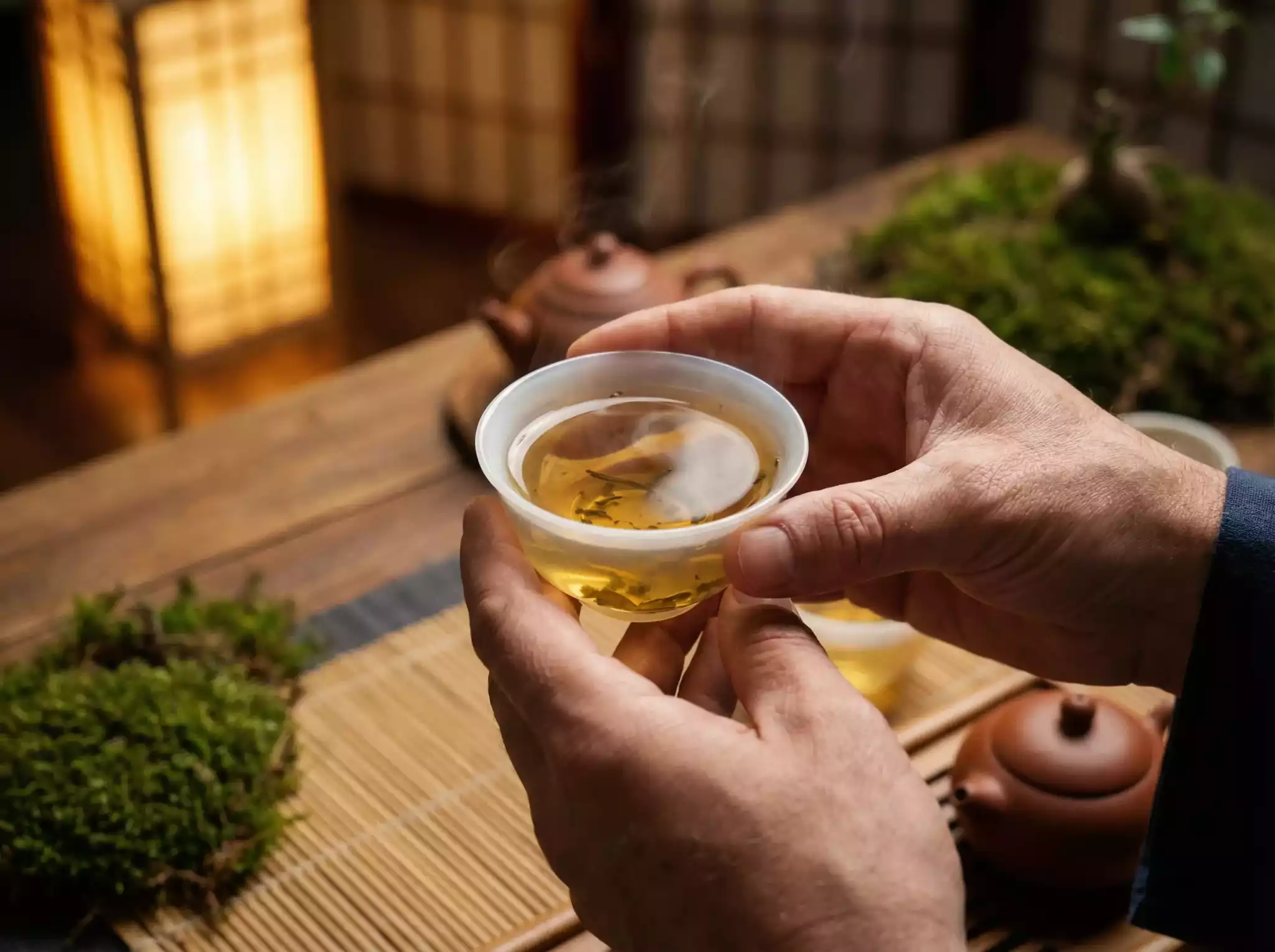
A lingering, often sweet or cooling sensation in the throat after swallowing, driven by polyphenols and amino acids. Exhale gently through your nose after sipping, and you'll feel this refreshing clarity—especially prominent in Shu Pu-erh or high-mountain oolong. As noted in TeaVivre's guide on throat resonance, this sensation is one of the hallmarks of exceptional tea quality.
The Key Difference: Throat resonance is immediate and localized to taste. Body sensation is physical warmth or tingling. Cha Qi is a systemic response—an energy that moves through your entire being, sometimes felt as a current rising from spine to crown, other times as a grounding warmth settling into your core.
Part II: The Tea Drunk State — When Energy Becomes Experience
What Does "Tea Drunk" Feel Like?
Unlike the heavy haze of alcohol or the jittery spike of coffee, being "tea drunk" is often described as a meditative high or relaxed alertness. It's that moment when the tea stops being a drink and starts being an experience—when the boundary between you and the cup seems to dissolve, and you enter a state of gentle euphoria and heightened presence.
Common signs of tea intoxication include:
- Mental clarity combined with a dreamy, floating sensation
- Mild dizziness or lightheadedness (especially on an empty stomach)
- Heightened sensory awareness—colors seem brighter, sounds clearer
- A warm, tingling sensation spreading through the body
- Spontaneous feelings of joy, calm, or peaceful contentment
"In traditional tea circles, getting 'Tea Drunk' isn't a side effect—it's the goal. It's that moment when the tea opens the body and mind for meditation, for presence, for pure being."
Potency Matrix: Which Teas Induce Tea Drunk & Cha Qi?
| Tea Type | Intensity Level | Primary Cause |
|---|---|---|
| Young Raw Pu-erh (Sheng) | ⭐⭐⭐⭐⭐ | High polyphenols, strong Cha Qi |
| Ancient Tree Pu-erh | ⭐⭐⭐⭐⭐ | Deep mineral content, complex compounds |
| Matcha | ⭐⭐⭐⭐ | Full leaf consumption, high L-theanine |
| Wuyi Rock Tea (Yancha) | ⭐⭐⭐ | Intense minerals, roasted character |
| High-Mountain Oolong | ⭐⭐⭐ | Elevated amino acids, floral volatiles |
| Ripe Pu-erh (Shu) | ⭐⭐ | Mellowed by fermentation, gentler effect |
⚠️ Managing Tea Intoxication: Quick Relief
If you feel dizzy, shaky, or nauseous from drinking too much strong tea (especially on an empty stomach), don't panic. Try these remedies immediately:
- Eat Sugar: A piece of candy, honey, or a sweet biscuit raises blood sugar quickly and counteracts the polyphenol-induced drop.
- Drink Warm Water: Dilute the concentrated tea compounds in your system.
- Eat Starch: Rice, bread, or crackers help settle the stomach and provide grounding energy.
- Rest: Lie down if needed. The sensation typically passes within 15-30 minutes.
Prevention tip: Never drink potent raw Pu-erh on a completely empty stomach, and pace yourself—quality over quantity.
The Spiritual Dimension
In Zen Buddhist monasteries and traditional tea ceremonies, the tea drunk state has been cultivated for centuries as a gateway to meditation. The tea opens the body, quiets the mind, and creates a sense of spaciousness that allows deeper introspection. As explored in Global Tea Hut's article on Cha Qi, this isn't mysticism—it's the practical application of tea's compounds to support spiritual practice.
Part III: The Five Senses — A Full-Body Tea Journey
Experiencing Cha Qi begins with engaging all five senses. Tea tasting is not passive consumption—it's an active, mindful exploration that reveals the tea's character layer by layer.
👁️ Sight (色, Sè)
The visual journey begins before you even brew. Observe the dry leaves: Are they tightly rolled like oolong pearls, or broad and flat like white tea buds? Notice their color—vibrant green for fresh Sencha, dark glossy brown for aged Pu-erh. These visual cues hint at processing methods and age.
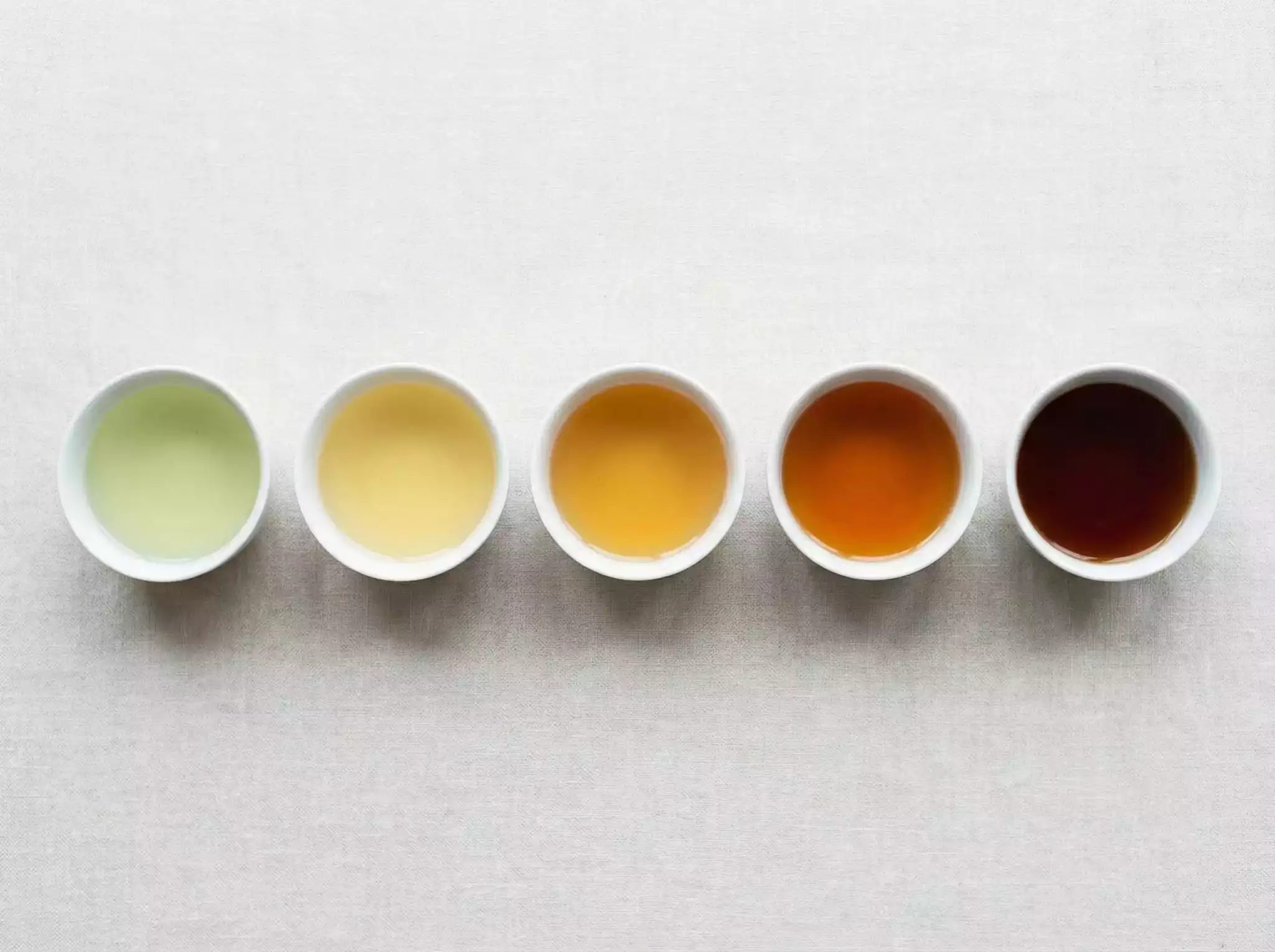
Once brewed, examine the tea liquor in a white porcelain cup. A golden Dian Hong suggests malty sweetness. A jade-green Longjing promises fresh, vegetal notes. A deep amber Shu Pu-erh speaks of earthy depth. Clarity matters too—cloudiness may indicate over-steeping, while a bright, translucent liquor signals quality and precision.
👃 Smell (香, Xiāng)
Aroma is the tea's soul—a bridge to its origin and craft. Start by inhaling the dry leaves: a Tieguanyin may whisper floral orchid notes, while a Keemun offers honeyed sweetness. After brewing, the wet leaves release deeper layers—grassy freshness in green teas, roasted chestnut in oolongs, earthy forest floor in aged Pu-erh.
Warm the cup in your hands and breathe deeply. Notice how the aroma changes with temperature—high notes (floral, fruity) emerge first, followed by middle notes (creamy, nutty), and finally base notes (woody, mineral). The scent's purity and persistence reveal the tea's quality. As noted in research on tea aroma compounds, high-quality teas contain over 600 volatile aromatic molecules.
👅 Taste (味, Wèi)
Sip slowly, letting the tea dance across your palate. Notice the initial taste—the brisk bitterness of young Sheng Pu-erh, the honeyed sweetness of Dian Hong, the vegetal umami of Gyokuro. But don't stop there. Allow the tea to sit on your tongue and observe how the flavor transforms.
Does it offer hui gan (回甘)—that magical returning sweetness that blooms in your mouth seconds after swallowing? Does it spark salivation (sheng jin), a sign of the tea's vitality? Each tea tells a unique story: green teas evoke fresh-cut grass, roasted oolongs hint at caramelized stone fruit, aged Pu-erh reveals notes of camphor, dried plum, or dark chocolate.
Compare sips over multiple infusions. A single session might start crisp and floral, deepen into fruity sweetness, and finish with woody, meditative notes. This evolution is part of Cha Qi's journey.
🤲 Touch / Mouthfeel (感, Gǎn)
Mouthfeel is the tactile poetry of tea—how it feels as it glides across your tongue and coats your mouth. Is it thick and velvety, like a well-aged Shu Pu-erh wrapping your palate in silk? Or light and crisp, like a Baozhong that dances lightly before disappearing?
Notice the texture: Does it feel smooth, slightly oily, or perhaps a bit grippy with gentle astringency? Pay attention to how it feels in your throat—some teas create a cooling sensation, others a warming glow. This physical dimension is where Cha Qi begins to manifest in your body.
🫀 Afterfeel / Resonance (韵, Yùn)
The aftertaste and resonance (yun) is the tea's lingering spirit—a memory that unfolds long after the sip. A truly great tea leaves an imprint: aromatic breath that carries floral or fruity echoes, a cooling sensation rippling down your throat, or a gentle warmth spreading through your chest.
Sheng Pu-erh from Yiwu might offer a vibrant, minty yun that refreshes for minutes. Dian Hong could linger with a malty, comforting glow. High-mountain oolong may leave a sweet, floral breath that seems to emanate from deep within.
This afterfeel, often accompanied by a sense of calm or heightened energy, ties the entire sensory experience together. It's the final movement in tea's symphony—and often where Cha Qi becomes most palpable.
Part IV: How to Experience Cha Qi — A Practical Guide
Step 1: Choose the Right Tea
Recommended: Ancient-tree raw Pu-erh (ideally from trees 100+ years old)
Why it works: Ancient trees have extensive root systems that penetrate deep into mineral-rich soil, absorbing a complex array of organic compounds. This creates a tea soup with exceptional potency and depth. According to tea chemistry research, ancient-tree teas contain higher concentrations of theophylline, polyphenols, and trace minerals—all of which amplify Cha Qi's physical effects.
Other excellent choices for experiencing Cha Qi include:
- Aged Sheng Pu-erh (10-30 years old) from Yiwu or Menghai
- High-mountain oolong from Taiwan or Fujian (above 1,400m)
- Premium Matcha (full-leaf consumption intensifies the effect)
- Wuyi Rock Tea (Yancha) with strong mineral character
Note: Terrace plantation teas, over-roasted teas, or poorly stored teas often lack the complexity needed to trigger noticeable Cha Qi.
Step 2: Brew with Precision
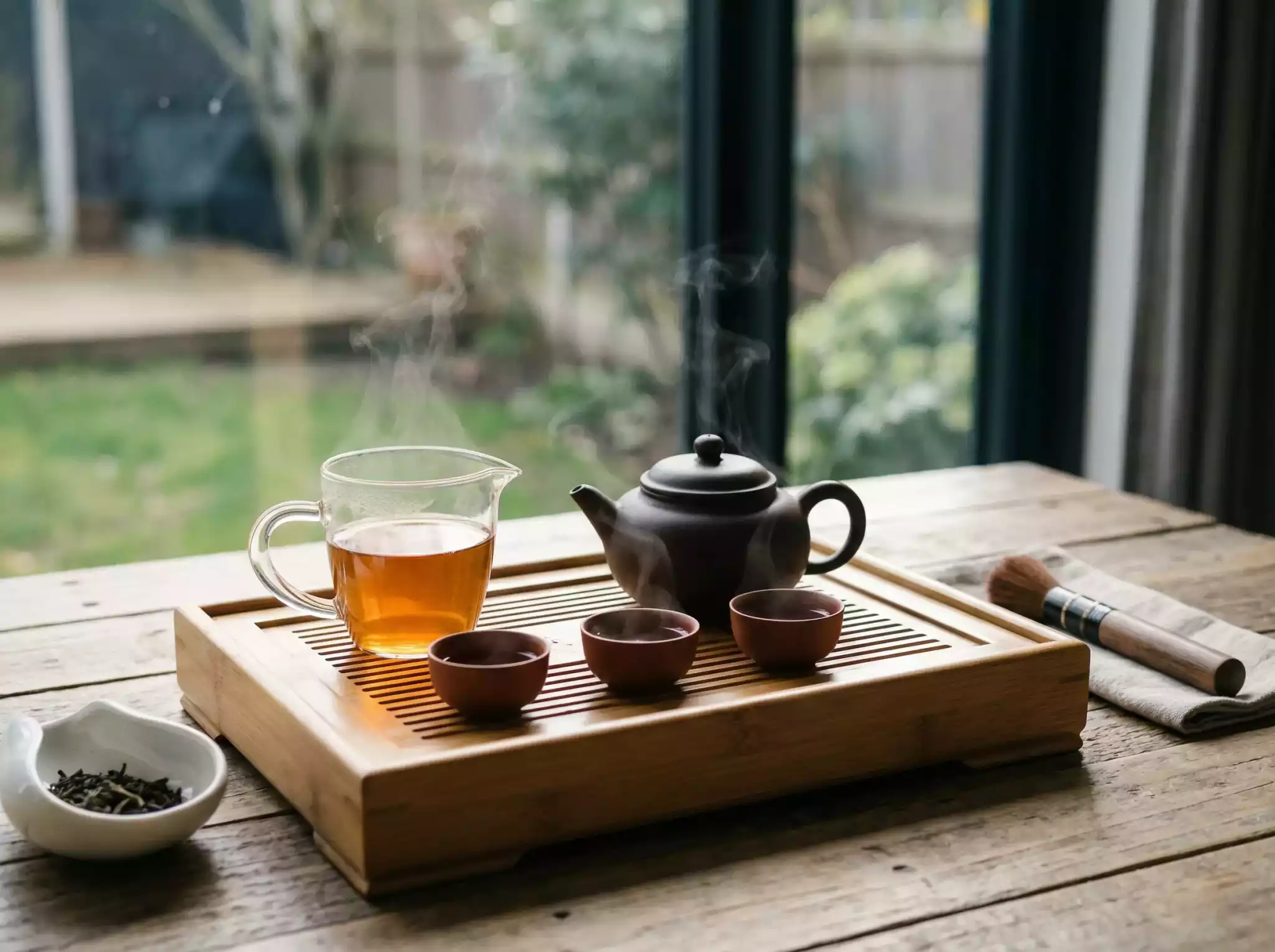
Teaware: Use a 100-120ml gaiwan or small Yixing teapot. The smaller vessel concentrates the tea's compounds, making Cha Qi more accessible.
Water: Use freshly boiled water at 100°C (212°F) for raw Pu-erh to achieve full extraction of oils and polyphenols.
Tea Amount: Use approximately 7 grams for a standard 110ml gaiwan (about 1:15 ratio).
Brewing Technique: Keep your early infusions relatively strong—10 to 15 seconds—to highlight the compounds that trigger Cha Qi. As the session progresses, you can extend infusion times to 20, 30, 45 seconds and beyond.
"A concentrated tea soup is the key. Weak tea won't speak loudly enough for your body to hear."
Step 3: Create the Right Environment
Cha Qi reveals itself most clearly in conditions of calm and focus:
- Quiet space: Minimize distractions—turn off screens, silence phones, dim harsh lighting.
- Comfortable posture: Sit upright but relaxed, allowing energy to flow freely along your spine.
- Gentle music: Soft instrumental music or nature sounds can enhance receptivity (optional).
- Empty stomach: Cha Qi is felt most strongly when you haven't eaten recently—though be cautious not to overdo it and trigger tea sickness.
Step 4: Drink with Awareness
This is where technique meets mindfulness:
- Sip slowly and hold the tea in your mouth for a moment before swallowing.
- Pause for 10-20 seconds after each sip. Close your mouth, breathe gently through your nose.
- Turn inward: Notice what's happening in your body. Don't search for anything specific—simply observe.
- Follow the sensations: Does warmth pool in your chest? Does a tingling rise along your spine? Does your forehead feel slightly warm or damp?
- Breathe naturally: Inhale deeply while brewing, exhale slowly while sipping. Let your breath anchor the sensations.
"Cha Qi is personal: one person feels a warm glow in the chest, another a tingling crown, but it always stirs the body. Quiet awareness lets you tune into its unique path through your body."
Part V: Common Cha Qi Sensations — What to Expect
Cha Qi manifests uniquely in each person, but certain patterns emerge across tea drinkers. Here are the most commonly reported sensations:
🌬️ Throat Sensations
A cooling, expansive feeling in the throat, often accompanied by sweet aftertaste (hui gan). Some describe it as "opening" or "clearing." The throat may feel refreshed, as if breathing mountain air.
💓 Chest & Heart Center
Warmth or coolness pooling near the heart center—a gentle, spreading sensation that feels grounding yet uplifting. Some experience this as a soft opening, an emotional release, or simply a comfortable glow.
💧 Forehead & Crown
Light perspiration or warmth at the forehead, temples, or crown of the head. The author personally experiences fine sweat on the forehead when drinking ancient-tree Sheng Pu-erh—a sign that Cha Qi is rising upward through the body.
⚡ Spine & Back
A warm current rippling from tailbone to neck, sometimes reaching the crown. This sensation, often described as "energy rising along the spine," is one of the most dramatic manifestations of Cha Qi. It can feel like gentle electricity or flowing warmth.
🤲 Limbs & Extremities
Sweaty palms or soles, tingling in the fingertips, or warmth radiating down the arms and legs—indicating Cha Qi's downward and outward flow through the body's meridians.
🧠 Mental & Emotional
Clarity, mild exhilaration, peaceful contentment, or a dreamy "tea drunk" state. The mind feels both alert and relaxed, thoughts slow down, and a sense of spaciousness opens up. Some describe this as entering a "flow state" or meditative awareness.
"Your Cha Qi experience—whether a spinal glow, mental clarity, or subtle warmth—is a personal dialogue with the tea. There is no hierarchy of sensations, only your unique response to the leaf."
Part VI: Deepening Your Practice — Tips & Techniques
Keep a Tea Journal
Record your sensations after each session. Note where Cha Qi flows (e.g., "warmth rising from chest to throat," "tingling at crown"), which teas triggered it most strongly, and how your experience changes with different brewing parameters. Over time, patterns will emerge, and your sensitivity will sharpen.
Compare Different Teas
Try different vintages, regions, or tea types side-by-side. Notice how a 15-year Yiwu Sheng differs from a 5-year Menghai cake, or how a Dan Cong oolong's Cha Qi compares to a high-mountain Taiwanese oolong. These comparisons train your palate and deepen your understanding.
Practice Mindful Breathing
Coordinate your breathing with the tea session. Inhale deeply while pouring hot water over the leaves. Exhale slowly as you sip. This rhythmic breathing helps you stay present and amplifies your awareness of subtle bodily sensations.
Stay Relaxed & Patient
Don't chase Cha Qi or force the experience. Let your body's signals guide you naturally. Some days you'll feel it vividly; other days it will be subtle or barely perceptible. Both are valid experiences. Trust the process.
Explore Gongfu Tea Ceremony
The traditional Chinese gongfu brewing method—with its multiple short infusions, attention to teaware temperature, and meditative pacing—is specifically designed to reveal tea's evolving character and maximize Cha Qi's emergence. Consider learning this practice to deepen your connection with tea.
🍃 Pro Tip: Enhance Cha Qi with Fasting
Many experienced tea drinkers report that Cha Qi is most vivid when drinking tea 2-3 hours after a light meal or in a gentle fasted state (not completely empty, but not full). The body seems more receptive to tea's compounds when not actively digesting heavy food.
Caution: If you're sensitive to caffeine or prone to low blood sugar, don't push this too far. Listen to your body and adjust accordingly.
Connect with Tea Community
Share your Cha Qi experiences at tea gatherings, online forums like r/tea, or local tea clubs. Hearing how others describe their sensations can validate your own experience and introduce you to new ways of perceiving tea's effects.

Frequently Asked Questions
Why does Cha Qi feel different for everyone?
Cha Qi interacts uniquely with each individual's physiology, sensitivity, and even emotional state. Factors like body chemistry, caffeine tolerance, stress levels, and mindfulness practice all influence how tea's compounds manifest as sensations. Some people are naturally more sensitive to subtle bodily signals, while others need time and practice to tune in.
Can beginners feel Cha Qi, or do you need years of experience?
Absolutely, beginners can feel Cha Qi! While sensitivity builds with practice, using high-quality ancient-tree tea and drinking in a calm, distraction-free environment makes it accessible to everyone—even on your first try. The key is patience and openness rather than expertise.
Is Cha Zui (Tea Drunk) dangerous?
No, tea intoxication is temporary and harmless for most people. However, if you have caffeine sensitivity, heart conditions, or low blood pressure, start with very light steeps and monitor your response. If you feel unwell, eat something sweet and drink water—the sensation will pass within 15-30 minutes.
Can I get tea drunk from tea bags?
Rarely. High-quality loose-leaf tea—especially ancient-tree Pu-erh, premium oolong, or ceremonial matcha—contains the concentrated nutrients and compounds required to trigger tea drunk or strong Cha Qi. Most commercial tea bags use lower-grade leaf material with reduced potency.
Why is ancient-tree raw Pu-erh best for experiencing Cha Qi?
Ancient trees (100+ years old) possess extensive root systems that draw deep minerals and organic compounds from old-growth forest soil. This creates a complex chemical profile—higher in theophylline, polyphenols, trace minerals, and aromatic oils—that triggers stronger physiological responses than younger plantation (terrace) teas.
How do I know if what I'm feeling is actually Cha Qi?
Common signs include: a distinct cooling or warming sensation in the throat or chest, energy rising along the spine, sweating (especially forehead or palms), mental clarity combined with relaxation, or a sense of heightened presence. If you notice any tangible shift in how your body feels after drinking tea, that's Cha Qi speaking to you.
What's the difference between Cha Qi and caffeine jitters?
Caffeine jitters feel anxious, shaky, and scattered—your heart races, thoughts speed up, and you feel wired but unfocused. Cha Qi, by contrast, feels grounding yet energizing—you're alert but calm, focused but relaxed. This is due to L-theanine's modulatory effect on caffeine, creating what researchers call "calm alertness."
Can tea tasting really be a mindful practice?
Absolutely. Tea tasting transcends judgment—it's a mindful dialogue with nature. Each sip traces the leaf's journey from spring rains to ancient forests to your cup. It honors the work of tea farmers, the terroir of the land, and the centuries of knowledge embedded in tea culture. This practice deepens your connection to the present moment and to tea's living origins.
How does teaware affect the Cha Qi experience?
Teaware matters significantly. White porcelain reveals the true color of tea liquor and doesn't retain flavors, making it ideal for tasting. Yixing clay teapots "season" over time and can enhance certain tea types. A small gaiwan (110ml) concentrates the tea's strength, making Cha Qi more accessible. The temperature and material of your teaware subtly shape the extraction and thus the experience.
What should I do if I feel too tea drunk or experience "tea sickness"?
Stop drinking immediately and follow these steps: (1) Eat something sweet—candy, honey, or a biscuit—to raise blood sugar. (2) Drink warm water to dilute tea compounds. (3) Eat starchy food like rice or bread to settle your stomach. (4) Lie down if needed. The sensation typically passes within 15-30 minutes. In the future, avoid drinking strong tea on an empty stomach and pace yourself.
Conclusion: Tea as Living Energy
Cha Qi (茶气) weaves a profound connection between tea's biochemical compounds and your body and mind, transforming each sip into a mindful, scientifically grounded journey. By understanding the dance between caffeine, L-theanine, and polyphenols—and by distinguishing Cha Qi from body sensation, tea intoxication, and throat resonance—you unlock a deeper appreciation for teas like ancient-tree Sheng Pu-erh, high-mountain oolong, and aged treasures from Yunnan's misty forests.
This isn't about becoming an expert or achieving perfection. It's about presence—about slowing down enough to notice the warmth spreading through your chest, the clarity settling into your mind, the subtle current rising along your spine. It's about recognizing that tea is not just something you taste, but something you feel.
"At Steeped Roots, we believe tea is not only something you taste—but something you feel. Every cup is an invitation to listen to your body, to honor the leaf's journey, and to touch the quiet vitality that flows between earth and teacup."
Whether you experience fine sweat on your forehead, a cooling throat resonance, or simply a moment of peaceful clarity, you are participating in a tradition that spans thousands of years and connects you to tea farmers in remote mountain villages, to ancient trees that have witnessed centuries, and to the living energy of the natural world.
So brew your tea with care. Sip slowly. Breathe deeply. And let Cha Qi show you what tea truly means.
🌿 Continue Your Tea Journey
- Tea and Zen: Stillness in a Cup
- Training Your Tea Palate: Beginner's Practice Guide
- Choosing the Right Teaware: Crafting the Perfect Experience
- Ancient Tree vs. Terrace Tea: Understanding the Difference
- Raw vs Ripe Pu-erh: Complete Guide & Flavor Comparison
- Tasting High-Mountain Teas: Altitude and Aroma
- Understanding Huigan (Returning Sweetness)
Scientific References & Resources:
Tea Chemistry & Bioactive Compounds (Nutrients, 2020) | Tea Aroma Compounds Research | Global Tea Hut: Cha Qi Explained | TeaVivre: Throat Resonance in Tea