
Yixing Teapot Guide 2026: How to Choose, Season & Brew Like a Pro
The Yixing teapot, a treasure of Chinese tea culture, is celebrated for its unique material and craftsmanship. Brewing tea with a Yixing teapot not only enhances the tea’s flavor but also adds a sense of ritual to the experience, as explored in Tea and Zen: A Moment of Stillness in a Cup. This guide covers everything from choosing the right teapot to mastering basic brewing techniques, tailored for tea enthusiasts.
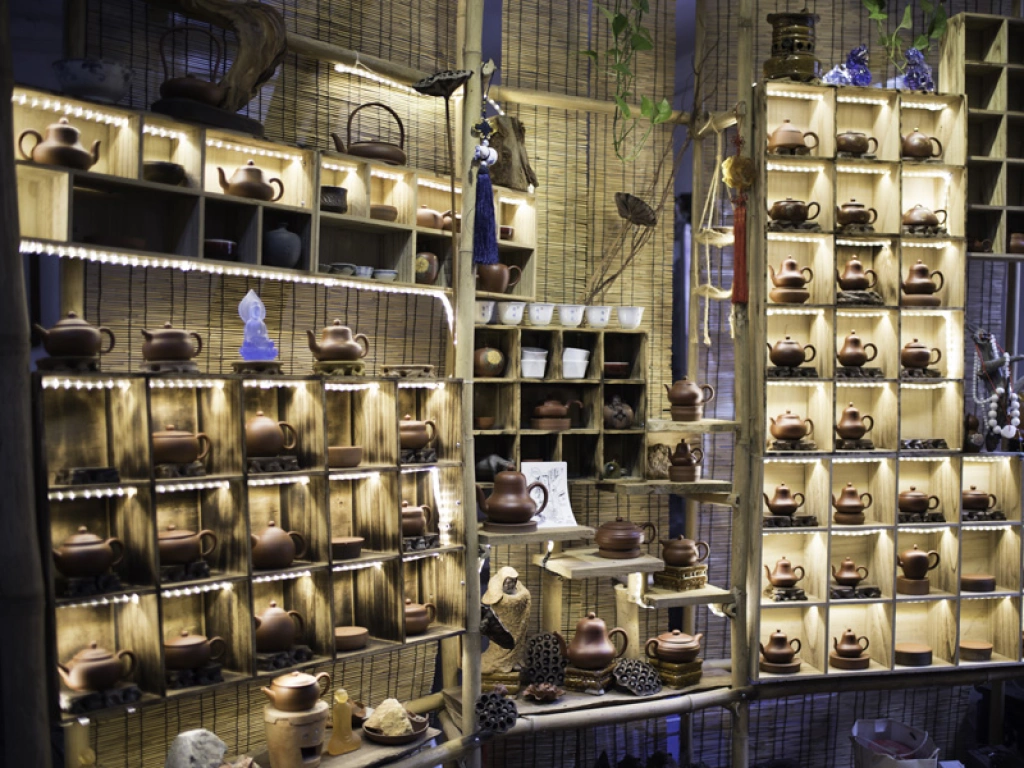
1. How to Choose a Yixing Teapot
Selecting the right Yixing teapot is the first step to brewing great tea. For a broader guide on teaware selection, see Choosing the Right Teaware: Crafting the Perfect Tea Experience. Here are key factors to consider:
1.1 Material: Authentic Yixing Clay
- Original Yixing Clay: A quality teapot is made from authentic Yixing clay, known for its fine texture and excellent breathability, which enhances tea aroma.
- Identification Tips: Look for a natural sheen on the surface and listen for a clear, crisp sound when tapping the teapot. Avoid “chemical” teapots with artificial dyes.
1.2 Capacity: Match Your Needs
- Solo Brewing: A 100-200ml teapot is ideal for 1-2 people, offering better control over tea strength.
- Group Brewing: A 200-350ml teapot suits family or group gatherings.
- Recommendation: Beginners should opt for a 150-200ml teapot for ease of use.
1.3 Shape: Pair with Tea Type
- Tall Teapots: Best for highly fermented teas like Pu-erh or black tea, as they enhance aroma release. Learn more about Pu-erh’s origins in People of Menghai.
- Flat Teapots: Ideal for green tea or oolong, accentuating delicate flavors.
- Unique Designs: Shapes like Xishi or Duanni suit specific preferences and tea types.
1.4 Craftsmanship: Focus on Details
- Handmade vs. Machine-Made: Fully handmade teapots have collectible value with smooth, natural lines; semi-handmade ones are cost-effective for beginners.
- Detail Checks: Ensure the spout pours smoothly, the lid fits tightly, and the handle is comfortable.
- Clay Texture: A quality teapot has a natural, gritty texture and a warm, smooth feel.
1.5 Budget and Brand
- Beginner Budget: Teapots priced between $40-$140 are suitable for daily use.
- Reputable Brands: Purchase from trusted sellers or artisans to avoid fakes.
- Tip: Start with a mid-range teapot and upgrade as you gain experience.
1.6 A Personal Note: The Magic of "縁分" in Choosing Your Pot
Choosing a Yixing teapot is often a magical test of affinity. Some pots you fall in love with at first sight — their shape, color, or texture just speaks to you. Others, no matter how highly recommended, simply don’t resonate. It’s truly “thousands of people, thousands of pots; everyone has their own Hamlet.”
The longer you use one pot dedicated to a single tea type, the softer and sweeter the brew becomes — the tea soup grows more harmonious and consistent. The benefit is remarkable flavor stability; the downside is that a well-seasoned pot can sometimes mask flaws in lower-quality leaves. But when the day comes that even plain hot water brewed in your old pot tastes surprisingly good… that’s a moment of quiet pride every tea lover cherishes.
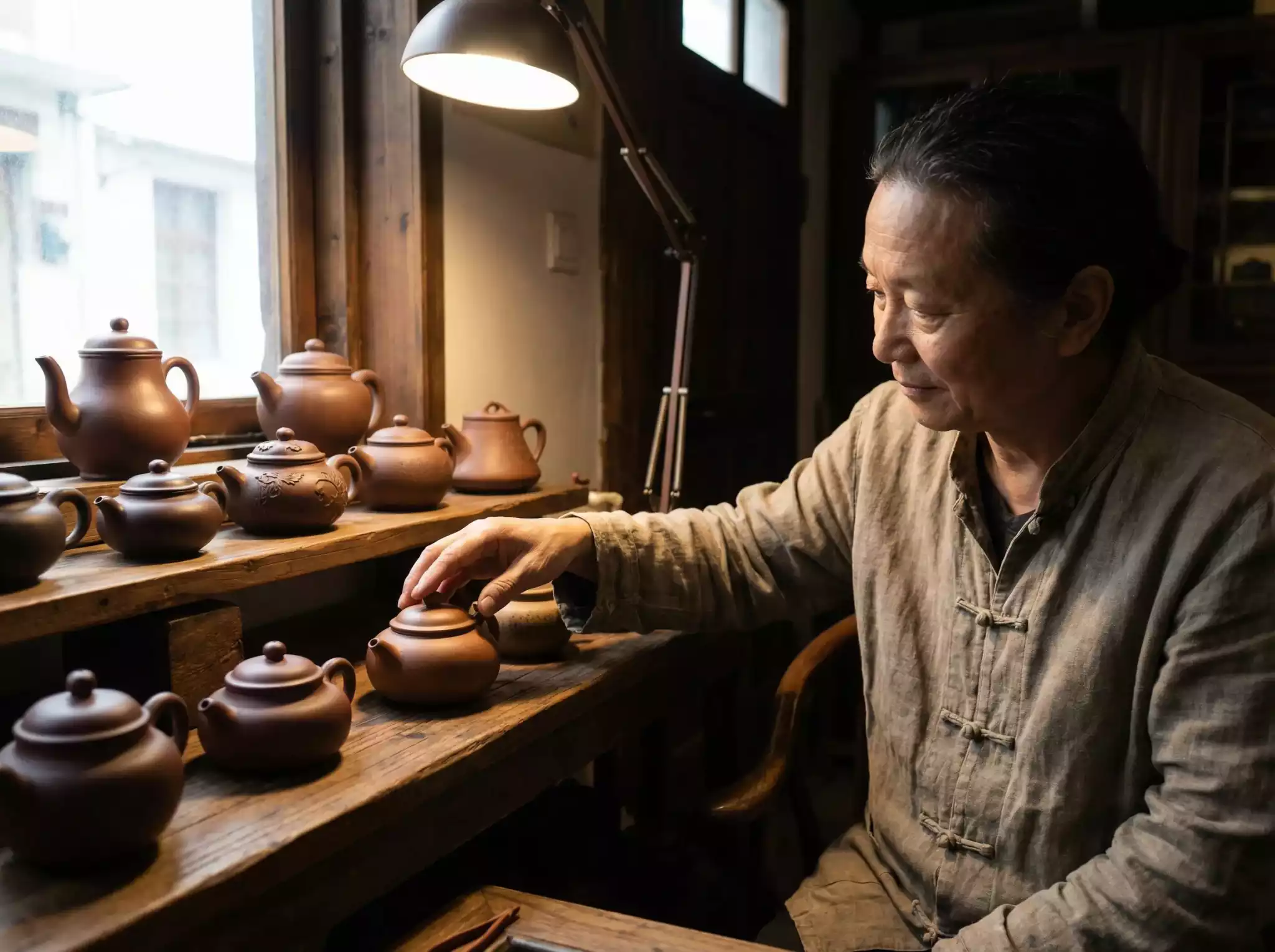
2. Preparing and Maintaining Your Yixing Teapot
A new Yixing teapot requires “opening” to remove earthy smells and impurities, setting the stage for proper maintenance.
2.1 Opening the Teapot
Cleaning & Rinsing
Rinse the teapot inside and out with clean, room-temperature water. This removes any craftsmanship dust or debris lingering from the kiln. Avoid using any brushes or detergents.
Gentle Simmering
Place the teapot and its lid (separated) in a pot of cold water. Add a handful of the tea you intend to use. Bring to a boil, then simmer gently for 10-15 minutes. The tea oils will begin to "prime" the clay.
Natural Soaking
Turn off the heat and let the teapot soak in the tea-water until it cools down naturally. This allows the double-porous structure to fully absorb the tea's essence without thermal shock.
Wiping & Air-Drying
Remove the teapot, rinse it once more with warm water, and gently wipe it with a soft lint-free cloth. Leave it in a well-ventilated area to dry completely before its first official brew.
2.2 Teapot Maintenance
- One Teapot, One Tea: Use the teapot for a single tea type to avoid flavor mixing.
- Regular Cleaning: Rinse with water after each use to keep it clean.
- Avoid Oils: Do not touch the inner surface to prevent oil contamination.
- Natural Patina: With regular use, the teapot develops a glossy patina, enhancing its beauty.
2.3 Common Mistakes & How to Fix Them
- Over-Cleaning (Using Soap or Scrubbing Hard)
This strips away the precious tea oils that season the pot, leaving it dull and flavorless.
Fix: Only rinse with hot water; never use detergent or abrasive tools. If already damaged, continue dedicated use — the patina can slowly rebuild over months/years. - Neglecting to Clean After Use
Leftover tea residue can turn moldy or sour, ruining future brews.
Fix: Always rinse thoroughly with hot water right after brewing and air-dry upside down. - Long Periods of Non-Use Without Care
The pot can dry out, crack, or absorb unwanted odors from the environment.
Fix: Every 1–2 months, pour hot water through it and wipe the exterior gently with a soft cloth to keep the clay “alive.” Store in a breathable place away from strong smells.
3. Basic Brewing Tutorial
Mastering the art of brewing with a Yixing teapot elevates your tea experience. Here’s a step-by-step guide using oolong tea as an example.
3.1 Preparation
- Tools: Yixing teapot, teacups, fairness cup (optional), tea strainer, tea towel, and kettle.
- Tea: Choose oolong tea (e.g., Tieguanyin or Da Hong Pao), using about 1/3 of the teapot’s capacity.
- Water: Use purified or spring water, heated to 195-212°F (90-100°C).
3.2 Brewing Steps
- Warm the Teapot and Cups: Pour hot water into the teapot and cups to warm them, then discard the water.
- Add Tea: Place the tea leaves in the teapot and gently shake to distribute evenly.
- Rinse the Tea: Pour hot water over the leaves and immediately pour it out (3-5 seconds) to remove impurities.
- First Brew: Add hot water, cover the teapot, and steep for 10-15 seconds. Pour into a fairness cup or directly into teacups.
- Serve: Distribute the tea evenly among the cups for tasting.
- Subsequent Brews: Keep the brewing time of each tea infusion the same, and experience different flavors. You can increase the brewing time by 30 seconds after 10 brews.
3.3 Tips for Success
- Steeping Time: Vary steeping time by tea type to avoid bitterness.
- Pour Completely: Empty the teapot fully after each brew to maintain flavor consistency.
- Observe the Tea: Check the tea’s color and aroma to gauge brewing quality. Enhance your sensory skills with Training Your Tea Palate: Beginner’s Practice Guide.
4. Common Questions
4.1 Why Use a Yixing Teapot?
Yixing teapots offer excellent breathability and heat retention, preserving tea aroma and enhancing flavor through their unique double-porous clay structure.
4.2 Which Teapot Suits Beginners?
A 150-200ml semi-handmade teapot made from purple or red clay is ideal for beginners due to its affordability and ease of use.
4.3 How to Avoid Fake Yixing Teapots?
Buy from reputable sellers, check for artisan certificates, and inspect the clay’s texture and spout flow. Avoid suspiciously cheap teapots.
Common Questions About Yixing Teapots
Why Use a Yixing Teapot instead of glass or porcelain?
Yixing teapots offer superior heat retention and "breathability" due to their unique double-porous clay structure. Over time, the clay absorbs tea oils, seasoning the pot and enhancing the flavor of future brews.
Which teapot suits beginners best?
A 150-200ml semi-handmade teapot made from purple clay (Zini) or red clay (Hongni) is ideal. It’s versatile, affordable, and easy to handle while you learn the nuances of clay interaction.
How do I avoid buying a fake Yixing teapot?
Look for a natural, slightly gritty texture rather than a plastic-smooth finish. Avoid suspiciously cheap teapots with neon colors (artificial dyes). Buying from reputable artisans who provide certificates is the safest route.
5. Conclusion
Brewing tea with a Yixing teapot is an art that combines craftsmanship and tradition. From selecting the perfect teapot to mastering brewing techniques, each step invites you to savor tea’s depth and tranquility. Start your journey with a suitable Yixing teapot, practice these steps, and enjoy the serene beauty of every cup!
Continue Your Tea Journey
Learn about mindful brewing in Tea and Zen: A Moment of Stillness in a Cup.
Explore teaware selection in Choosing the Right Teaware: Crafting the Perfect Tea Experience.
Discover water’s role in tea in Water: The Hidden Force Behind Every Great Cup of Tea.
Sharpen your tasting skills in Training Your Tea Palate: Beginner’s Practice Guide.

