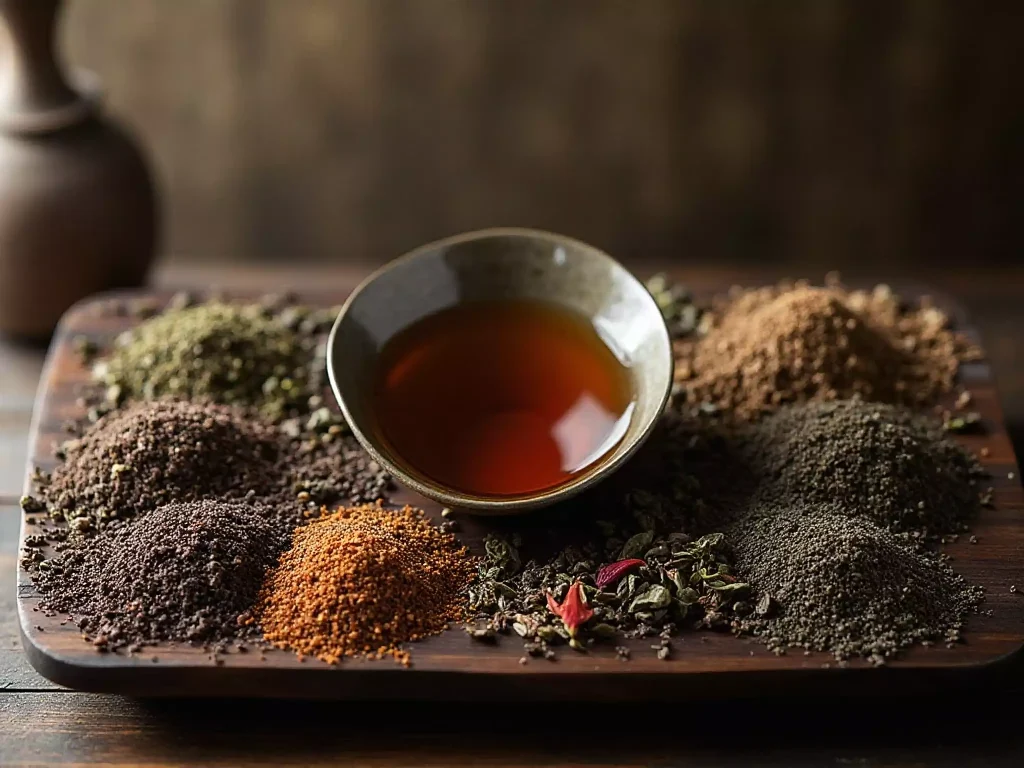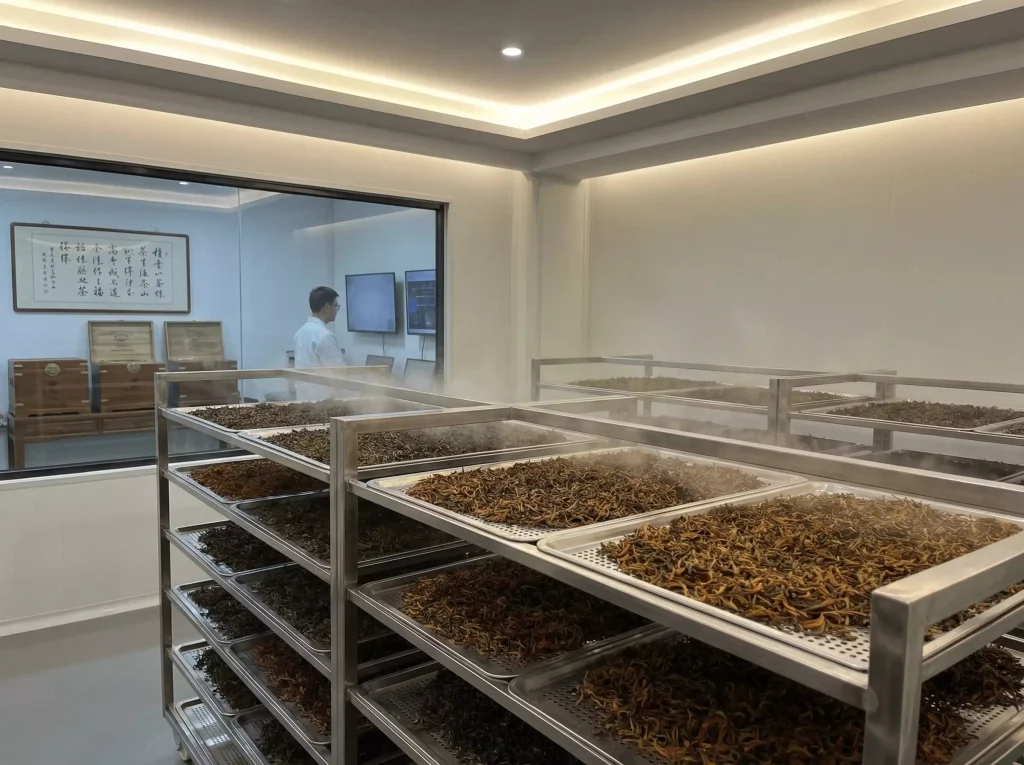
Beyond Steeped Comfort: The "Soft Gold" of Chinese Red Tea
Theaflavins, Cardiovascular Resilience, and the Science of Large-Leaf Varietals
Breaking the "Weight Loss" Monologue
When Western audiences think about tea's health benefits, their minds immediately jump to green tea's EGCG catechins or raw Pu-erh's fat-burning mythology. Red tea—if mentioned at all—is relegated to a comforting but nutritionally unremarkable beverage, best enjoyed with milk and scones.
This narrative is not just incomplete. It's fundamentally wrong.
What most people don't know is that premium Chinese red tea contains a class of compounds that green tea doesn't possess—compounds so potent in cardiovascular protection that researchers have dubbed them the "soft gold" of functional beverages.
These compounds are called theaflavins.
🏆 The Central Question
Why are top-tier Chinese red teas—particularly Dian Hong (滇红, Yunnan Gold) from large-leaf varietals—considered cardiovascular medicine in traditional Chinese wellness systems, and increasingly validated by modern biochemistry?
The answer lies in three interconnected factors:
- Genetic foundation: Yunnan large-leaf tea plants (Camellia sinensis var. assamica) produce exceptionally high levels of polyphenolic precursors
- Alchemical transformation: Full oxidation during processing converts catechins into theaflavins—a biochemical upgrade
- Delivery mechanism: Traditional gongfu brewing extracts these compounds more efficiently than Western steeping methods
This article moves beyond the weight-loss monologue to explore the sophisticated science behind red tea's cardiovascular and metabolic benefits—and why your brewing method matters more than you think.
The Biochemistry of Theaflavins: From Green to Gold
What Happens During Oxidation?
All tea comes from the same plant species, Camellia sinensis. The difference between green, oolong, and red tea isn't the plant—it's what happens after the leaves are picked.
The Oxidation Cascade
Step 1: Leaf Damage
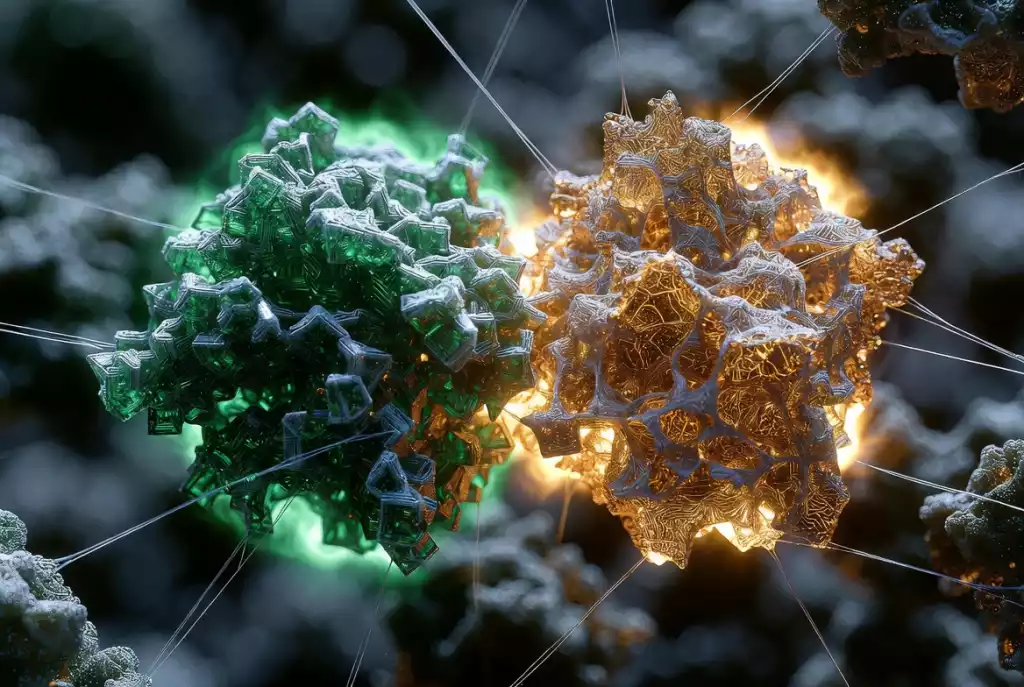
When tea leaves are rolled or bruised, cell walls rupture, exposing polyphenol oxidase (PPO) enzymes to tea catechins.
Step 2: Enzymatic Reaction
PPO catalyzes the oxidation of catechins—particularly epigallocatechin gallate (EGCG) and epicatechin gallate (ECG).
Step 3: Theaflavin Formation
Two catechin molecules condense and polymerize to form theaflavins (TFs)—a family of golden-orange pigments responsible for red tea's color and much of its bioactivity.
Step 4: Further Polymerization
Theaflavins can continue oxidizing into thearubigins (TRs)—larger, brown-red polymers that contribute body but less specific bioactivity.
Think of it as a controlled biochemical upgrade:
High catechins (EGCG, ECG, etc.)
Theaflavins (TF-3, TF-3', TF-3,3')
Thearubigins (complex polymers)
The Large-Leaf Advantage: Why Yunnan Dominates
Not all red tea is created equal. The starting material matters profoundly.
Yunnan large-leaf tea cultivars (Camellia sinensis var. assamica) are genetically distinct from the small-leaf Chinese varietals (var. sinensis) used in most green teas. They evolved in the subtropical forests of Yunnan Province, where:
- Higher UV exposure at altitude triggered increased polyphenol production (natural sunscreen)
- Longer growing seasons allowed more photosynthetic accumulation of secondary metabolites
- Ancient genetic lineages preserved high concentrations of bioactive precursors
| Tea Type | Varietal | Total Polyphenols | Theaflavin Potential |
|---|---|---|---|
| Chinese Green Tea | var. sinensis (small-leaf) | 15-25% dry weight | None (no oxidation) |
| CTC Black Tea | var. assamica (processed for strength) | 12-20% (degraded) | Low (over-oxidized) |
| Premium Yunnan Red | var. assamica (large-leaf, ancient trees) | 25-35% dry weight | High (optimal oxidation) |
The research is clear: Yunnan large-leaf red teas contain 2-3× the theaflavin concentration of mass-produced CTC black tea.¹
This isn't marketing. It's biochemical reality rooted in genetic substrate and artisanal processing.
The Heart's "Soft Gold" Protection
Cardiovascular disease remains the leading cause of death globally—killing nearly 18 million people annually. The search for dietary interventions that meaningfully impact heart health is one of medicine's highest priorities.
Enter theaflavins.
Mechanism 1: Vascular Cleanup—LDL Cholesterol Reduction
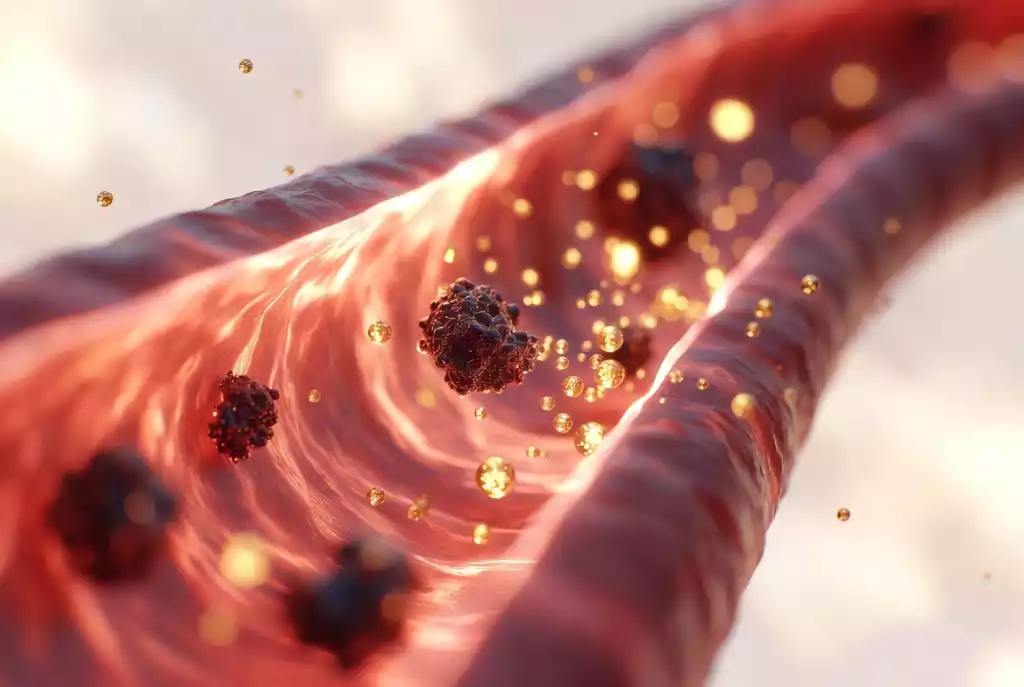
One of the most well-documented effects of theaflavin-rich red tea is its ability to lower LDL cholesterol (the "bad" cholesterol associated with atherosclerotic plaque formation).
🔬 Clinical Evidence
A landmark randomized controlled trial published in the Archives of Internal Medicine found that theaflavin-enriched extract reduced LDL cholesterol by 16.4% and total cholesterol by 11.3% over 12 weeks in patients with mildly elevated cholesterol.²
Mechanism: Theaflavins inhibit cholesterol absorption in the intestine by binding to dietary lipids and reducing micellar solubility. They also upregulate LDL receptors in the liver, increasing clearance of circulating cholesterol.
This isn't trivial. A 16% reduction in LDL correlates to an approximately 20-25% reduction in cardiovascular event risk (heart attack, stroke) according to meta-analyses of statin trials.
Red tea won't replace medication for high-risk patients, but it provides meaningful cardiovascular protection for the general population—without the side effects of pharmaceutical interventions.
Mechanism 2: Endothelial Function—The Nitric Oxide Pathway
Your vascular endothelium—the single-cell lining of all blood vessels—is a metabolically active organ that regulates blood pressure, inflammation, and clotting. Endothelial dysfunction is the earliest detectable stage of atherosclerosis.
How do you assess endothelial health? Through flow-mediated dilation (FMD)—the ability of arteries to relax and expand in response to increased blood flow, mediated by nitric oxide (NO) release.
The Nitric Oxide Story
Theaflavins enhance NO bioavailability through multiple pathways:
- Direct activation: TFs stimulate endothelial nitric oxide synthase (eNOS), the enzyme that produces NO
- Antioxidant protection: TFs scavenge reactive oxygen species (ROS) that would otherwise degrade NO
- Inflammatory suppression: TFs reduce NF-κB signaling, lowering expression of adhesion molecules that impair endothelial function

A study published in Circulation demonstrated that black tea consumption (equivalent to 3-4 cups daily) improved FMD by 2-4%—a clinically significant improvement associated with reduced stroke risk.³
Think of it this way: Theaflavins act as vascular maintenance workers, keeping your blood vessels flexible, responsive, and resistant to the inflammatory cascade that leads to heart disease.
Mechanism 3: Anti-Inflammatory Defense—Nutrigenomic Regulation
Chronic low-grade inflammation—detectable through markers like C-reactive protein (CRP) and interleukin-6 (IL-6)—is a key driver of cardiovascular disease.
Recent research in nutrigenomics (how nutrients influence gene expression) reveals that theaflavins don't just neutralize inflammation—they reprogram inflammatory responses at the genetic level.
Genetic-Level Protection
Theaflavins modulate transcription factors—proteins that control which genes are turned "on" or "off." Specifically:
- NF-κB suppression: TFs inhibit nuclear factor kappa-light-chain-enhancer of activated B cells (NF-κB), the master regulator of inflammatory gene expression
- Nrf2 activation: TFs activate nuclear factor erythroid 2-related factor 2 (Nrf2), which upregulates antioxidant defense genes
- AMPK pathway: TFs enhance AMP-activated protein kinase signaling, improving metabolic efficiency and reducing oxidative stress
Source: A Comprehensive Review of Theaflavins: Physiological Activities (2024-2025)
This is precision nutrition at the molecular level—using food compounds to fine-tune gene expression in ways that protect against chronic disease.
Metabolic Engine: Beyond the Caffeine High
💡 A Note on Caffeine Sensitivity
While red tea contains caffeine, the presence of L-theanine (an amino acid) helps modulate its effects, promoting "calm alertness" rather than the jittery spike associated with coffee. Furthermore, Gongfu brewing allows you to control intake; the first few infusions release more caffeine, while later steeps are more focused on sweet, soothing polyphenols.
Temperature: 90-95°C (194-203°F). Refinement: While 95°C is ideal for sturdy Dian Hong, delicate bud-heavy teas like Jin Jun Mei shine at 85-90°C to preserve their honey-like sweetness.
While caffeine provides an immediate energy boost, theaflavins offer something more sophisticated: metabolic optimization.
Fat Absorption Blockade: Pancreatic Lipase Inhibition
One reason red tea has traditional associations with "cutting grease" (刮油) isn't folklore—it's biochemistry.
Pancreatic lipase is the enzyme responsible for breaking down dietary fats in your intestine. No lipase activity = no fat absorption. The undigested fat passes through your system.
The Fat-Blocking Mechanism
Research shows that theaflavins are potent pancreatic lipase inhibitors—binding to the enzyme's active site and preventing it from cleaving triglycerides into absorbable fatty acids.⁴
Clinical outcome: Regular consumption of theaflavin-rich red tea can reduce dietary fat absorption by an estimated 15-25%—enough to meaningfully impact caloric balance without extreme dietary restriction.
This isn't about miracle weight loss. It's about metabolic friction—creating subtle resistance to calorie storage that compounds over time.
Glucose Homeostasis: Blunting Postprandial Spikes
Modern Western diets are chronically high in rapidly digestible carbohydrates—bread, pasta, rice, sugar. Each meal triggers a postprandial glucose spike, followed by an insulin surge, followed by an energy crash and renewed hunger.
This rollercoaster isn't just uncomfortable—it's metabolically damaging, contributing to insulin resistance and eventually type 2 diabetes.
Red Tea as Glucose Stabilizer
Multiple studies demonstrate that theaflavin-rich red tea consumption:
- Reduces peak blood glucose after carbohydrate-rich meals by 15-20%
- Slows gastric emptying, creating more gradual nutrient absorption
- Enhances insulin sensitivity in peripheral tissues (muscle, fat)
- Activates AMPK, the cellular "energy sensor" that improves glucose uptake
Source: Beneficial Effects of Theaflavins on Metabolic Syndrome - MDPI⁵
For people living modern "high-carb" lifestyles, this glucose-blunting effect is perhaps red tea's most practical benefit—metabolic repair delivered in a cup.
The AMPK Connection: Turning On Your Metabolic Switch
AMP-activated protein kinase (AMPK) is often called the body's "metabolic master switch." When activated, it:
- Increases glucose uptake in muscles
- Enhances fatty acid oxidation (fat burning)
- Suppresses fat and cholesterol synthesis
- Triggers mitochondrial biogenesis (creating new energy-producing organelles)
Theaflavins are potent AMPK activators—turning on fat-burning pathways and improving cellular energy efficiency without caloric restriction or exercise (though both amplify the effect).
This mechanism positions red tea not as a weight-loss gimmick, but as a metabolic enhancement tool for optimizing how your body handles energy.
From Laboratory to Teacup: Maximizing Bioavailability
Understanding the science is only half the equation. Delivery matters.
Most clinical studies use concentrated theaflavin extracts standardized to specific dosages. But what about actual tea consumption? How do you maximize theaflavin intake from your daily brewing?
The Brewing Variable: Western Pot vs. Gongfu Extraction
As discussed in our article on Western vs. Chinese brewing methods, extraction efficiency varies dramatically by technique.
| Tea Type | Varietal | Total Polyphenols | Theaflavin Potential |
|---|---|---|---|
| Chinese Green Tea | var. sinensis (small-leaf) | 15-25% dry weight | None (no oxidation) |
| Commercial Black Tea (Bags) | Mixed / Low Grade | 8-15% (degraded) | Very Low (over-oxidized) |
| Premium Yunnan Red | var. assamica (large-leaf) | 25-35% | Optimal High |
The math is compelling: Gongfu brewing extracts 30-40% more bioactive compounds from the same amount of tea.
The Milk Question: Chemical Interference
Adding milk to tea is a deeply ingrained Western habit. But from a nutrigenomic perspective, it's counterproductive.
Why Milk Blocks Benefits
Milk proteins—particularly caseins—bind tightly to theaflavins, forming complexes that reduce their bioavailability by an estimated 50-70%.
A 2007 study in the European Heart Journal found that adding milk completely abolished the vascular-protective effects of black tea, as measured by flow-mediated dilation.
Translation: Milk neutralizes the cardiovascular benefits you're drinking tea to obtain.
If you genuinely need milk for palatability, your tea quality is likely too low or your brewing method is over-extracting bitterness. High-grade Dian Hong brewed properly is naturally sweet, smooth, and full-bodied—no dairy required.
Optimal Consumption Protocol
🏆 Evidence-Based Recommendations
Tea Selection: Whole-leaf Yunnan red tea from large-leaf cultivars (Dian Hong, Jin Jun Mei)
Brewing Method: Gongfu style—5-7g tea per 100-120ml water, 6-10 short infusions
Water Quality: Soft or filtered water (hard water binds polyphenols, reducing extraction)
Temperature: 90-95°C (194-203°F)—preserves theaflavins while extracting fully
Timing: Consume between meals or with meals high in fat/carbs to maximize lipase inhibition and glucose blunting
Frequency: 3-4 cups (gongfu sessions) daily for measurable cardiovascular benefit
Avoid: Milk, excessive sugar, prolonged boiling (degrades theaflavins)

Conclusion: Reframing Red Tea from Comfort to Medicine
For too long, red tea has occupied a comfortable but underappreciated niche in wellness conversations—overshadowed by green tea's catechins and raw Pu-erh's fermented mystique.
This article demonstrates that premium Chinese red tea—particularly from Yunnan large-leaf varietals—delivers biochemical benefits that are distinct, powerful, and increasingly validated by rigorous science.
Theaflavins are not a supplement you add to tea. They are the biochemical signature of properly processed, high-quality red tea—the "soft gold" forged through the ancient alchemy of oxidation.
The cardiovascular protection is real:
- LDL cholesterol reduction comparable to low-dose statins
- Endothelial function improvement measurable in clinical trials
- Anti-inflammatory gene expression modulation at the molecular level
The metabolic benefits are practical:
- Reduced dietary fat absorption through lipase inhibition
- Blunted postprandial glucose spikes for better blood sugar control
- AMPK activation for enhanced cellular energy metabolism
But here's the crucial point: These benefits are only accessible if you respect the tea.
Brewing Dian Hong in a large pot for five minutes with hard water and drowning it in milk doesn't just mute flavor—it neutralizes the biochemistry you're paying for.
The Invitation to Ritual
Gongfu brewing isn't just about taste appreciation. It's a delivery system optimized for extracting and consuming these health-protective compounds.
When you sit with a small gaiwan, brewing multiple infusions over 20-30 minutes, you're not just "having tea." You're:
- Extracting 90%+ of available theaflavins
- Creating a meditative pause that reduces stress (itself cardioprotective)
- Consuming bioactive compounds in their most bioavailable form
The ritual and the science converge. Form meets function. Tradition validates through biochemistry.
So the next time someone dismisses red tea as "just comfort" or "less healthy than green tea," you'll know better.
You're holding cardiovascular medicine in a cup. The soft gold of Chinese tea alchemy. A biochemical legacy spanning centuries, now confirmed by modern science.
All you need to do is brew it properly.
Scientific References
- A Comprehensive Review of Theaflavins: Physiological Activities (2024-2025). PMC. View Study
- Maron DJ, et al. (2003). Theaflavin-enriched green tea extract reduces LDL cholesterol. Archives of Internal Medicine. View Study
- Duffy SJ, et al. (2001). Short- and long-term black tea consumption reverses endothelial dysfunction in patients with coronary artery disease. Circulation. View Study
- Mechanisms of Body Weight Reduction by Black Tea Polyphenols. NIH/PMC. View Study
- Lin Y, et al. (2019). Beneficial Effects of Theaflavins on Metabolic Syndrome. MDPI Nutrients. View Study
🌿 Continue Your Journey
- Shai Hong Milk Tea: 3 Recipes & Why Yunnan’s Sun-Dried Tea Shines
- How to Taste Chinese Black Tea (Hong Cha): Vividly Describing Mouthfeel & Sensory Layers
- Sun, Time, and Leaves: The Secret Life of Shai Hong (Sun-Dried Black Tea)
- Beyond the Earl Grey Trap: Why Your Western Tea Habits Are Muting Chinese Red Tea
- What Is Black Tea?