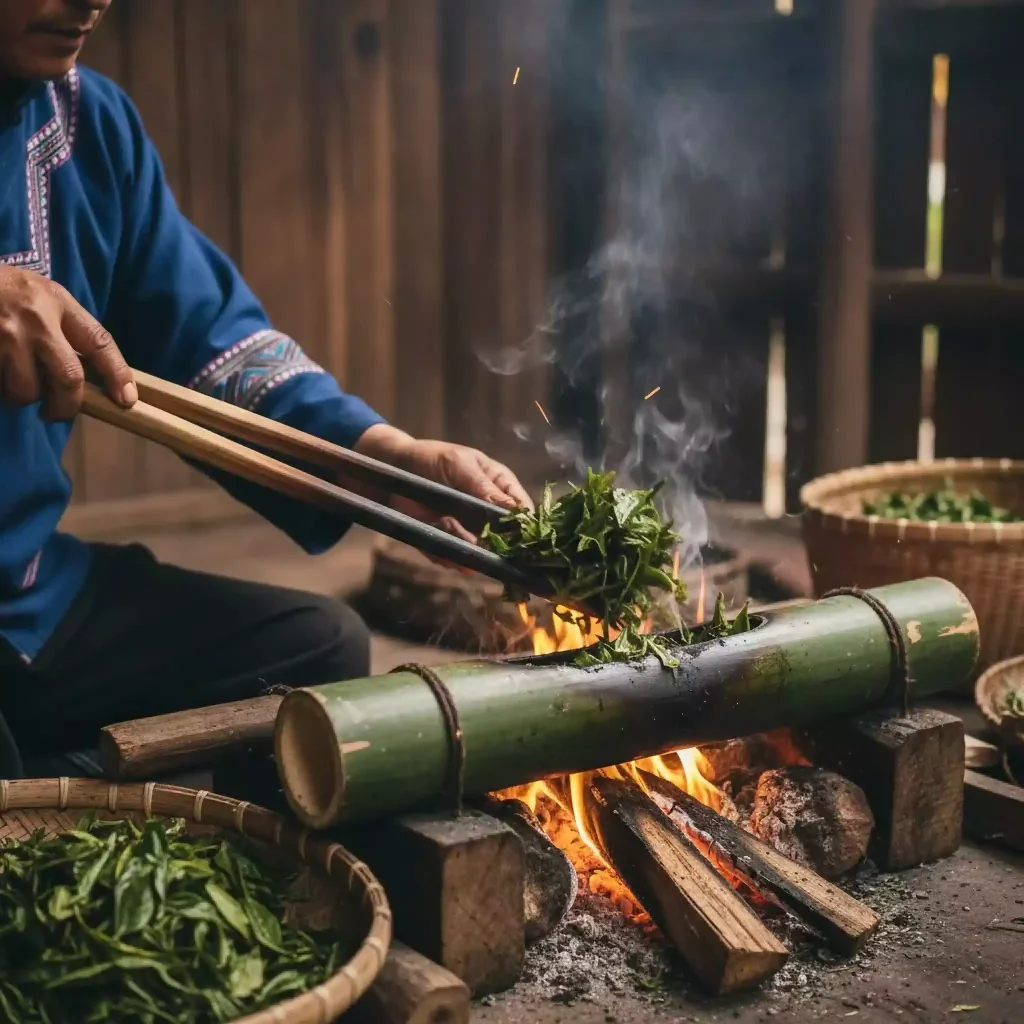
How Big Are Yunnan’s Tea Regions? A Global Perspective
Yunnan’s Pu’er tea, born in mist-shrouded mountains, captivates tea lovers worldwide. Yet few grasp the sheer scale of its six core tea regions—Xishuangbanna, Pu’er (Simao), Lincang, Baoshan, Dehong, and Honghe. Spanning an area larger than Belgium or Portugal, these regions weave a tapestry of flavor, tradition, and terroir. This guide places Yunnan’s tea lands on a global map, revealing their vastness and why Menghai’s teas hold a special place in our hearts. Dive deeper into tea’s stories with our Tea Origins & Culture section.
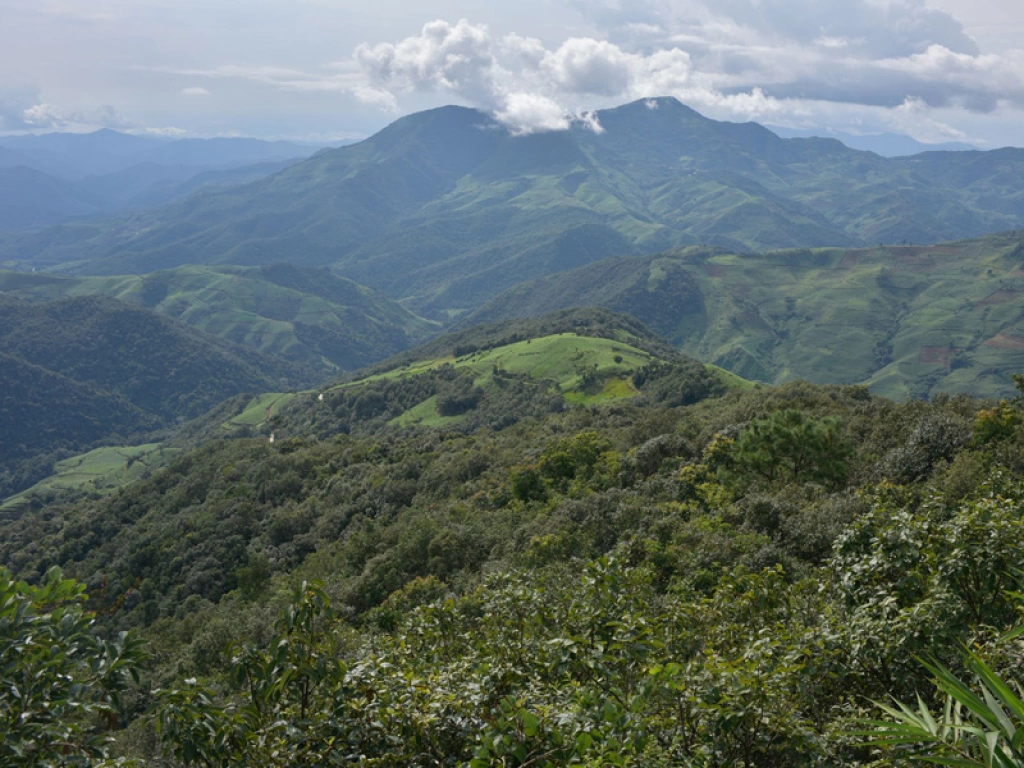
Scale of Yunnan’s Tea Regions
As of 2022, Yunnan’s six Pu’er tea regions cover over 2.4 million mu (approximately 16,000 km²), a vast expanse that rivals entire nations:
- Half the size of Taiwan (36,197 km²).
- One-fifth of Ireland (70,273 km²).
- Larger than Belgium (30,689 km²).
This immense scale, documented in the Yunnan Tea Yearbook 2022, reflects centuries of cultivation across diverse microclimates.
Yunnan’s Tea Ecosystem
Yunnan’s tea culture thrives through its people—over 430,000 tea farmers across 5,000+ villages as of 2023. Nearly 70,000 households operate as independent tea families, passing down ancient techniques, as noted in China Tea Circulation Association Reports. These guardians of flavor craft teas that carry the soul of Yunnan’s mountains.

Why Menghai Stands Out
Each region shines uniquely—Lincang’s crisp bitterness, Baoshan’s fragrant heights, or Pu’er’s bold depth. Yet Menghai, in Xishuangbanna, blends tradition with versatility, offering teas for novices and connoisseurs alike.
Menghai’s teas, from Nannuo’s floral grace to Bulang’s earthy resonance, are a bridge between tradition and discovery.
Villages like Nannuo, Bada, Bulang, Manxilong, and Laomane are living chronicles of tea, each with distinct flavors. Annual visits to Menghai’s farmers, sharing tea under open skies, reveal a region that balances consistency with surprise.
Evolving Tea Landscapes
Regions like Jingmai, a UNESCO World Heritage site, Yiwu, and Fengqing are gaining global acclaim for their cultural and historical depth. There’s no rigid hierarchy—Lincang’s wild complexity or Honghe’s gentle warmth resonates based on your palate and values, as explored in Match Tea to Your Palate.
Exploring Other Regions
Beyond Menghai, explore Lincang’s Xigui and Shuangjiang for bold clarity, Baoshan’s highland fragrances, or Dehong’s forest teas. Good tea transcends borders, and we’re happy to connect you with trusted sources across Yunnan’s tea lands.
Frequently Asked Questions
Why is Menghai so special for Pu’er tea?
Menghai’s unique microclimate, ancient tea trees, and skilled artisans produce teas with diverse flavors, from floral to earthy, appealing to both beginners and experts. Villages like Nannuo and Bulang are renowned for consistency, as noted in Why Menghai Stands Out.
How do Yunnan’s tea regions differ in flavor?
Lincang offers crisp bitterness, Baoshan highland fragrance, Pu’er bold depth, Dehong forest-like complexity, Honghe gentle warmth, and Xishuangbanna (Menghai) versatile balance. Explore more in How Terroir Shapes Tea Flavor.
Can I visit Yunnan’s tea regions?
Yes, regions like Menghai and Jingmai welcome visitors. Engage with local farmers through tea tours, but respect cultural practices. Contact our tea community for recommendations.
What makes Jingmai a UNESCO site?
Jingmai’s ancient tea forests and cultural heritage, preserved by ethnic groups, earned its UNESCO World Heritage status in 2023 for sustainable tea cultivation.
How can I choose a tea region for my taste?
Sample single-origin teas from each region (e.g., Menghai for balance, Lincang for boldness) and note flavors that resonate. Our Tea Tasting Series guides sensory exploration.
🌿 Further Reading
Data sources: Yunnan Tea Yearbook 2022, China Tea Circulation Association Reports, UNESCO World Heritage.