
Summer, Ice, and Dianhong: A Collision of Cool and Aroma
Cold-Brewed Tea: Not a Modern Invention
While bottled green teas might seem like a 21st-century convenience, "cold-brewing" dates back to the Song Dynasty. Historical records like Cha Lu describe tea connoisseurs layering leaves with crushed ice in wide-mouthed vessels to extract the "spirit of clarity."
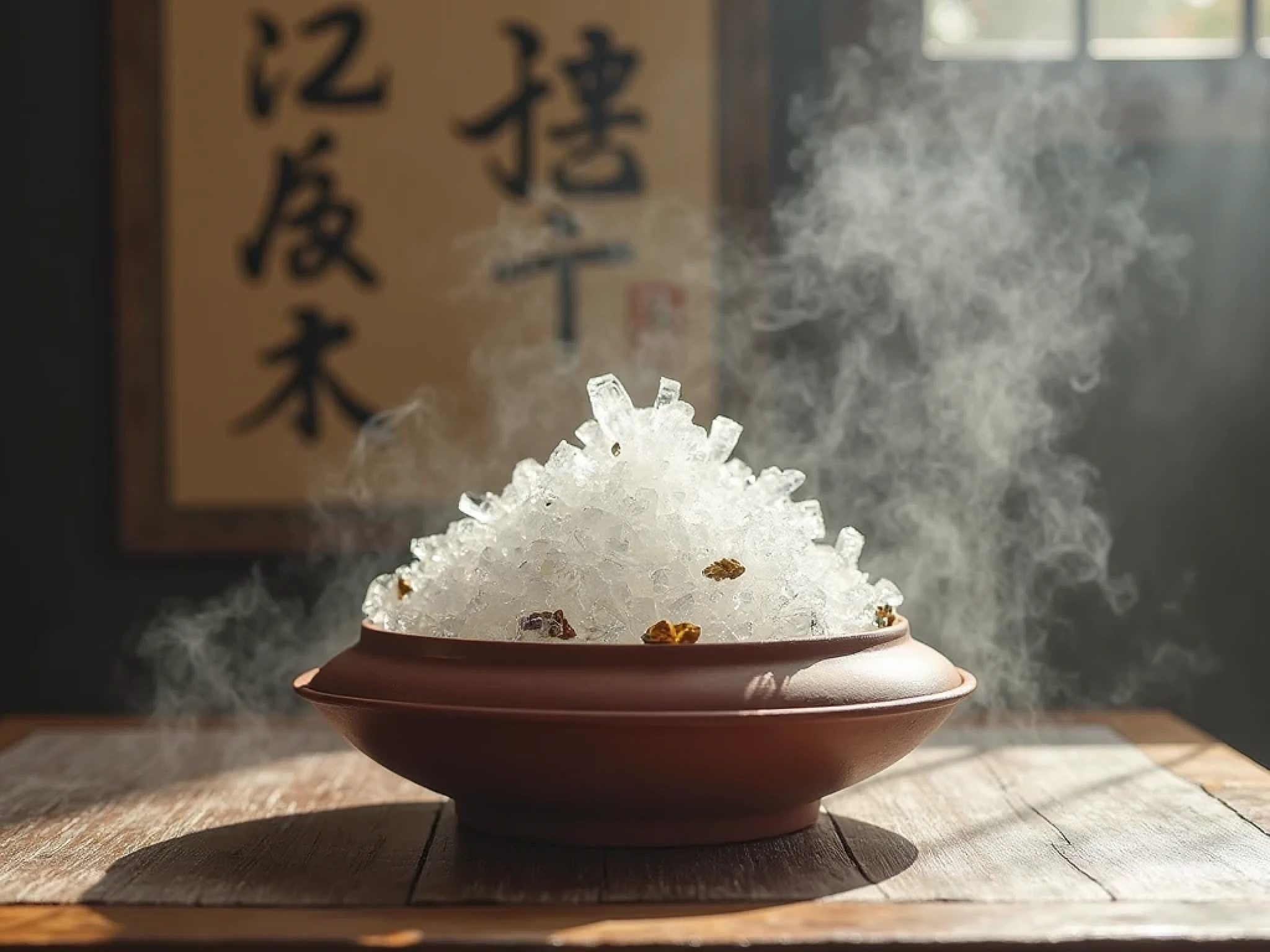
The Elegance of the Ancient "Ice-Melt" Method
The traditional technique is poetic: tea leaves are blanketed under a mound of crushed ice and left to melt naturally. As the ice transforms into water drop by drop, it gently coaxes the honeyed malt notes out of the tea without the bitterness often triggered by heat.
“Wait until the ice melts completely—only then will you taste the spirit of clarity.” —Tea Manual, Song Dynasty
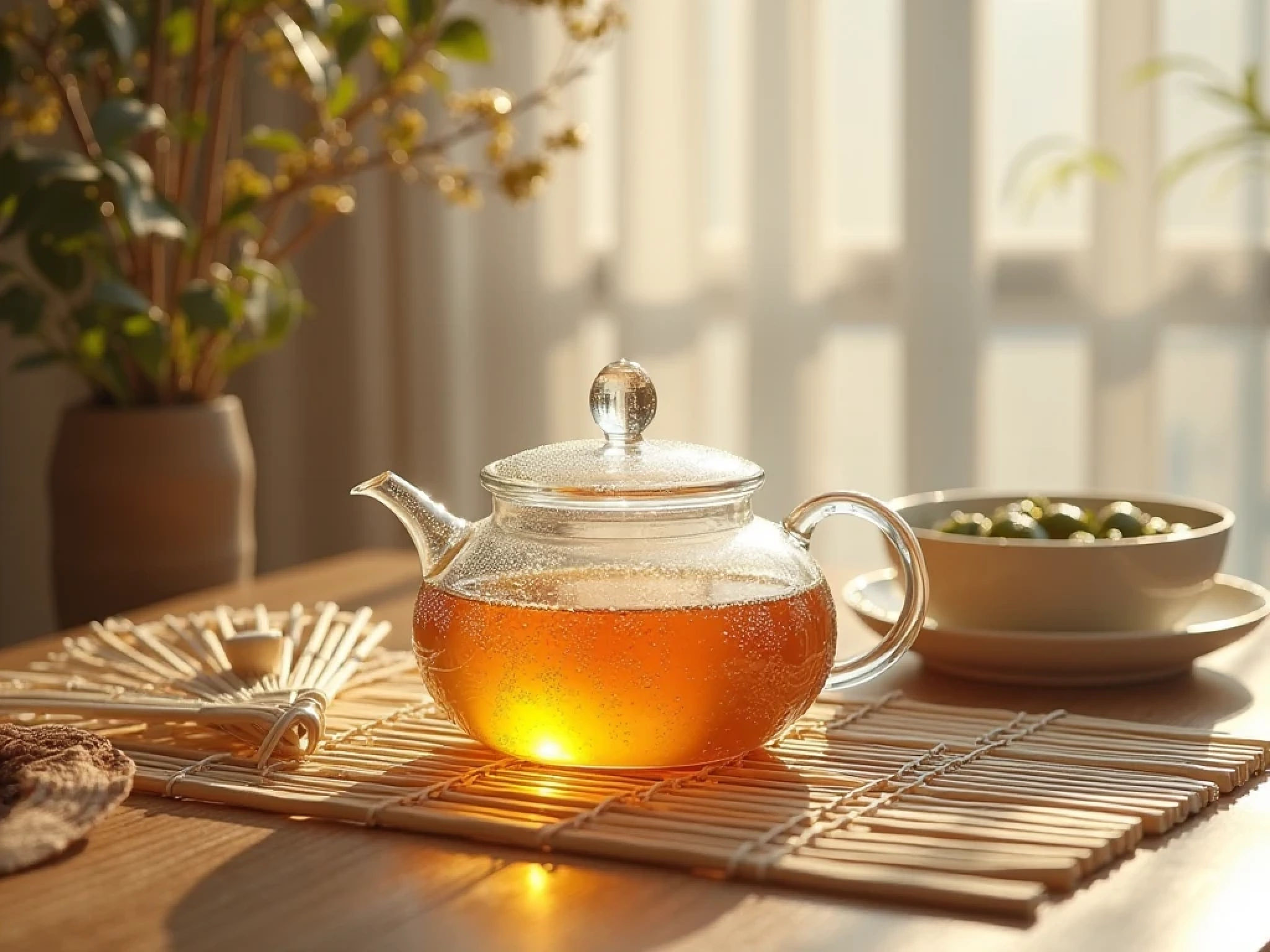
How to Recreate This Ritual at Home
Modern methods are convenient, but this ancient rhythm offers a meditative luxury. Here is how to perform the ice-melt infusion:
⚠️ Important: Ice Quality is Everything
Tap water contains chlorine and minerals that can dull the golden amber clarity of Dianhong. Always use filtered or mineral water for your ice cubes. Curious about the impact of water? Read our Water Quality Guide.
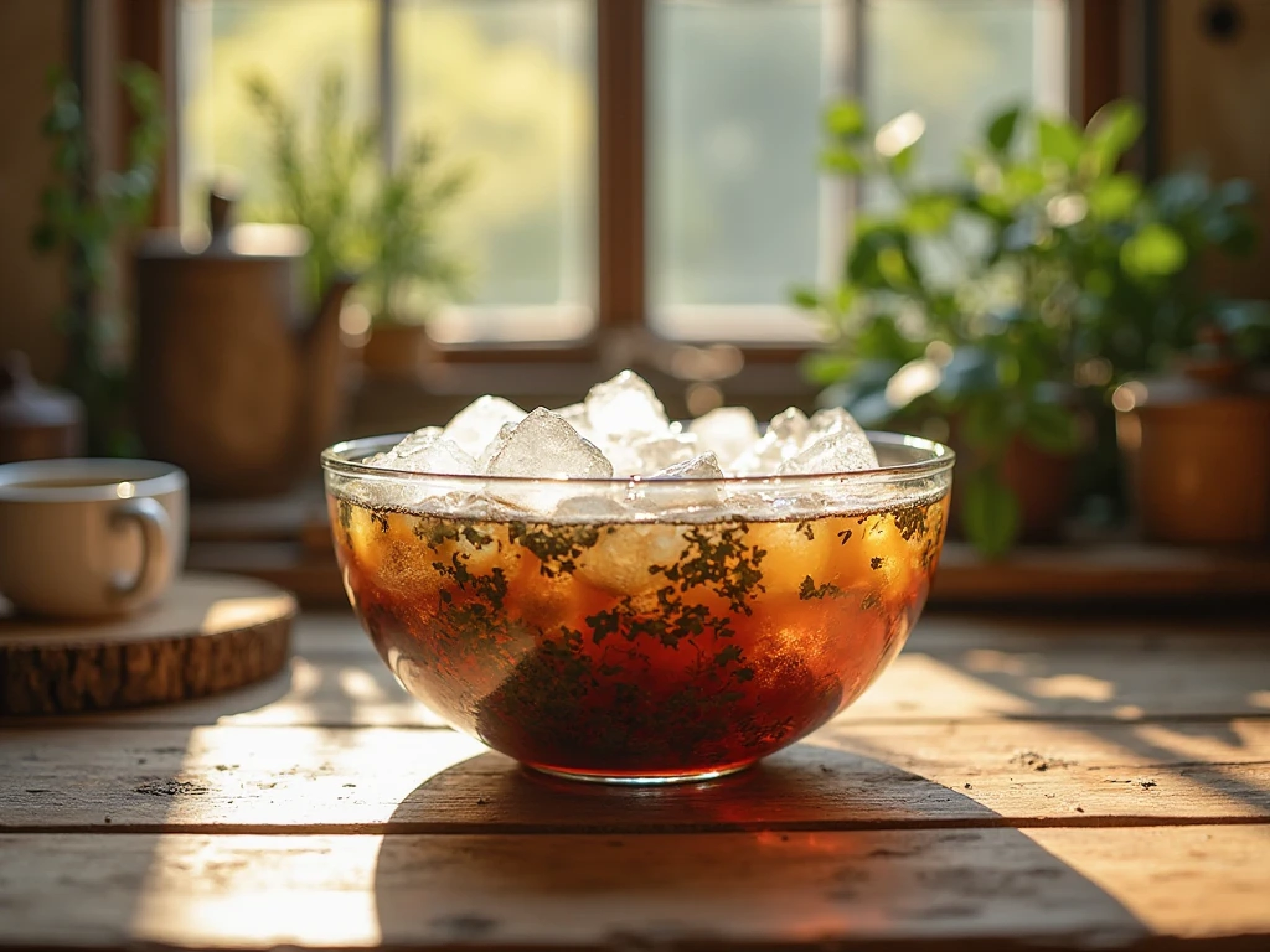
Frequently Asked Questions
Dianhong (Yunnan Black Tea) contains rich honey and dried-fruit precursors that dissolve beautifully at low temperatures, resulting in a naturally sweet, silky cup.
You can (the "flash brew" method), but it changes the chemistry. Pure ice-melt extraction keeps the tannins locked in, ensuring zero bitterness.
Ready to Chill?
Discover our Summer Dianhong Collection—curated specifically for their honey-sweet cold brew profile.
Shop the Collection
