Pu-erh Tea Shapes Guide: Which Form Is Best for Drinking, Aging, or Collecting?
Pu-erh tea, a renowned specialty from Yunnan, China, is celebrated for its unique fermentation process and aging potential. Available in various shapes, including loose tea, cakes, tuocha, bricks, golden melons, and mini tuocha, each form serves different purposes due to its production and storage characteristics. This article explores these shapes and their advantages and disadvantages to help tea enthusiasts choose the best option. Learn more about Pu-erh varieties in Understanding Mixed Harvest, Single Plant, and Blended Puerh Tea.
In short, loose Pu-erh is best for immediate drinking, cakes and bricks are ideal for long-term aging, while tuocha and mini forms balance convenience and storage stability.
1. Common Shapes of Pu-erh Tea
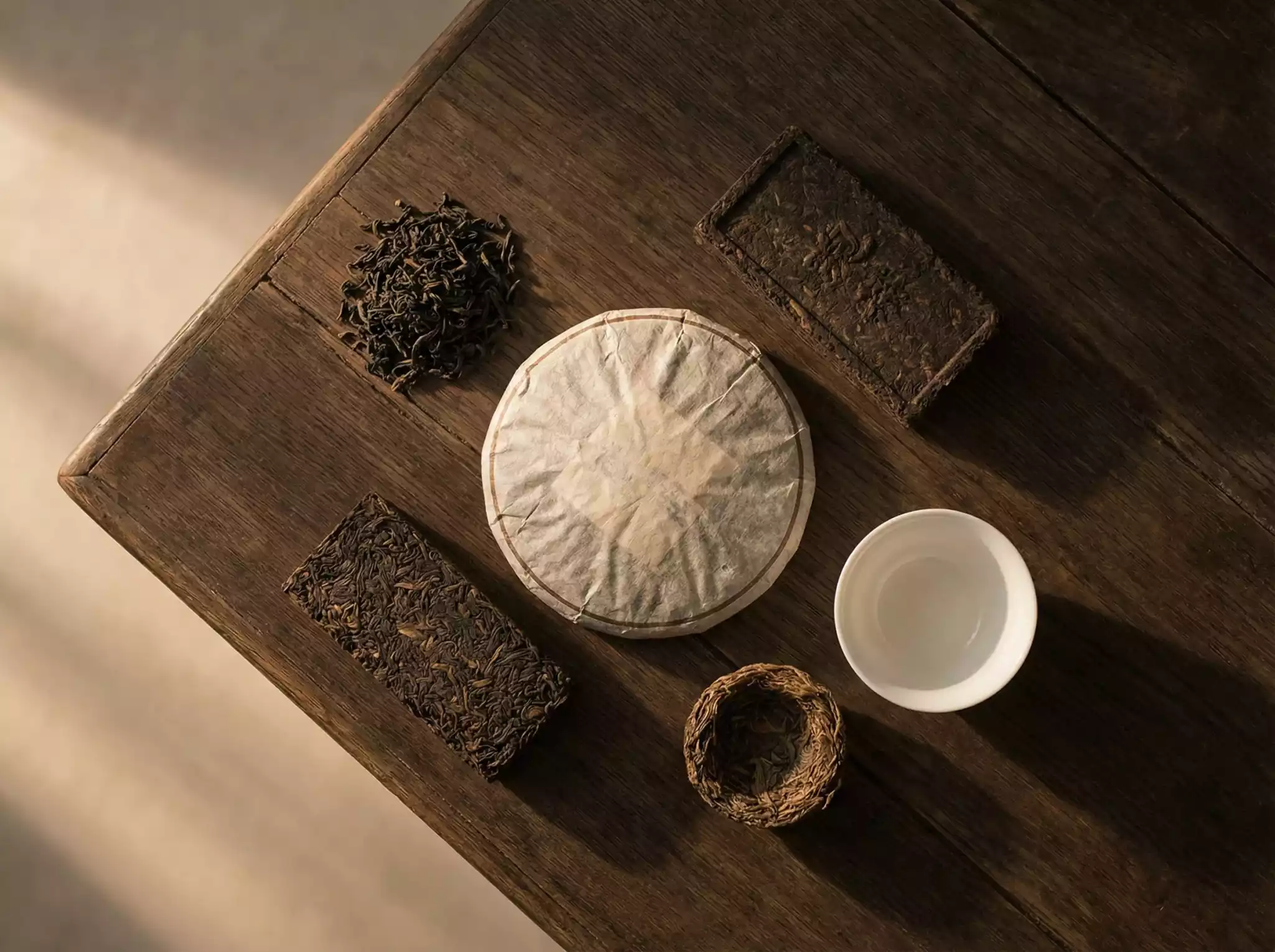
Pu-erh tea is crafted into various shapes to suit storage, transportation, and consumption needs. Below are the most common forms found in the market.
1.1 Loose Tea (Maocha)
Loose tea, or maocha, is unpressed Pu-erh, typically sun-dried green tea or ripe Pu-erh in its initial form, stored or sold as loose leaves. For insights into its origins, see Chronicle of Time: One Kilo of Lao Man'e Ancient Tree Tea (2024-2025).
1.2 Cake Tea (Bingcha)
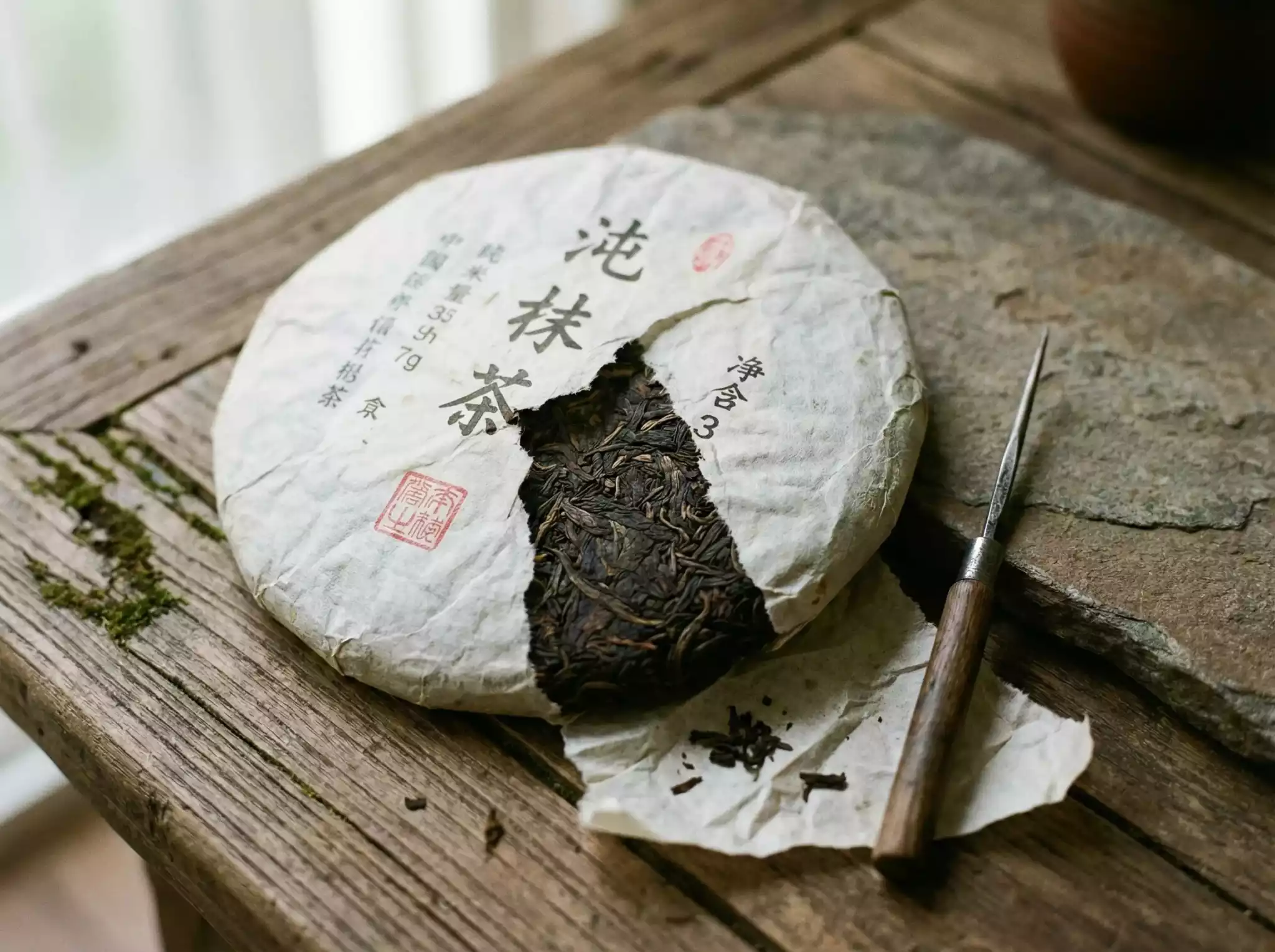
Cake tea is the most iconic Pu-erh shape, formed into round discs weighing typically 357g, 200g, or 100g. Steamed and pressed, it’s wrapped in breathable rice paper.
1.3 Tuocha
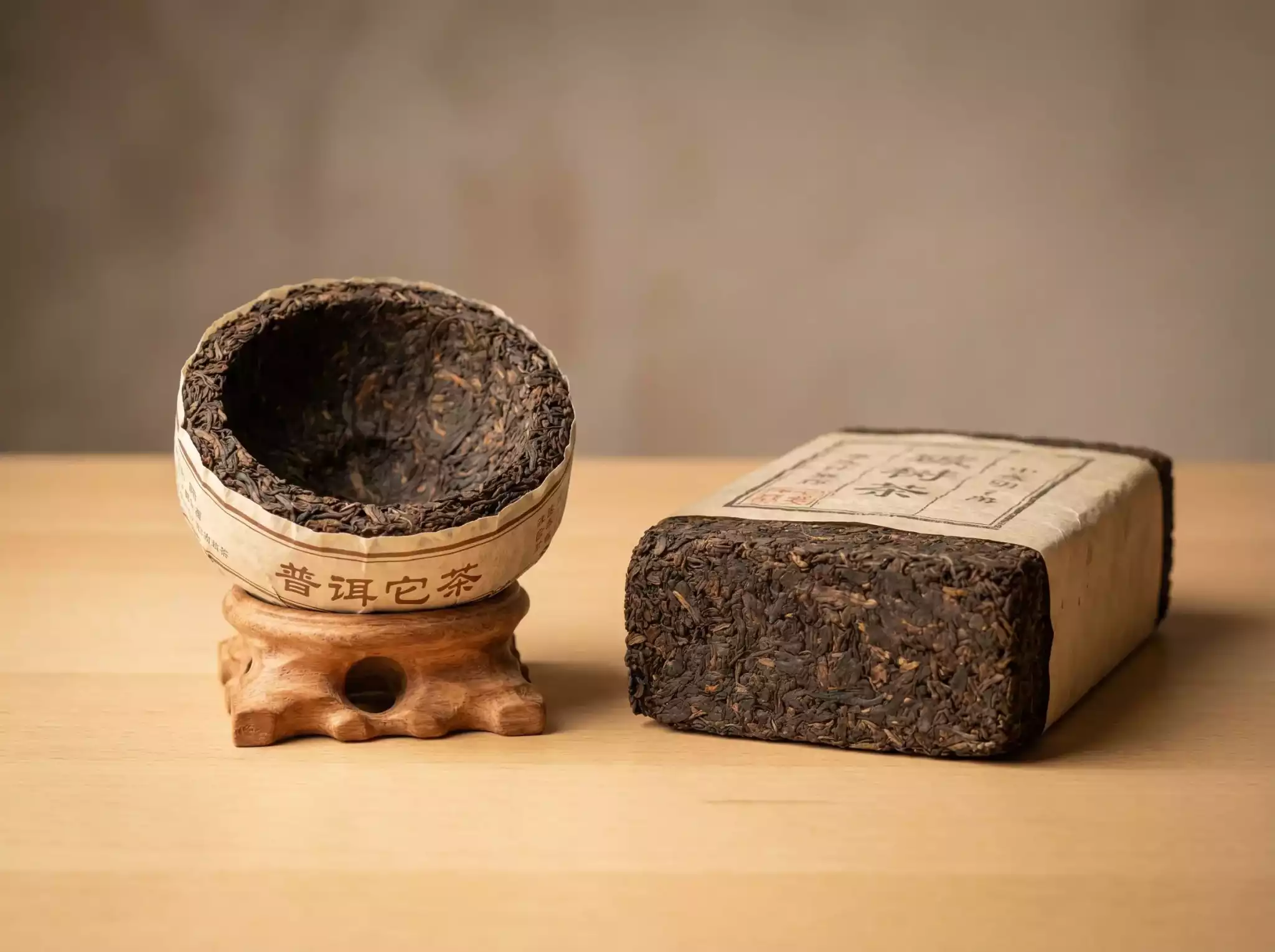
Tuocha is shaped like a bowl or hemisphere, commonly weighing 100g, 250g, or 500g. Its name derives from its “bowl-like” appearance, ideal for transport.
1.4 Brick Tea (Zhuancha)
Brick tea is pressed into rectangular or square shapes, typically 250g, 500g, or 1kg, designed for bulk storage and long-distance trade.
1.5 Golden Melon Tea (Jinguacha)
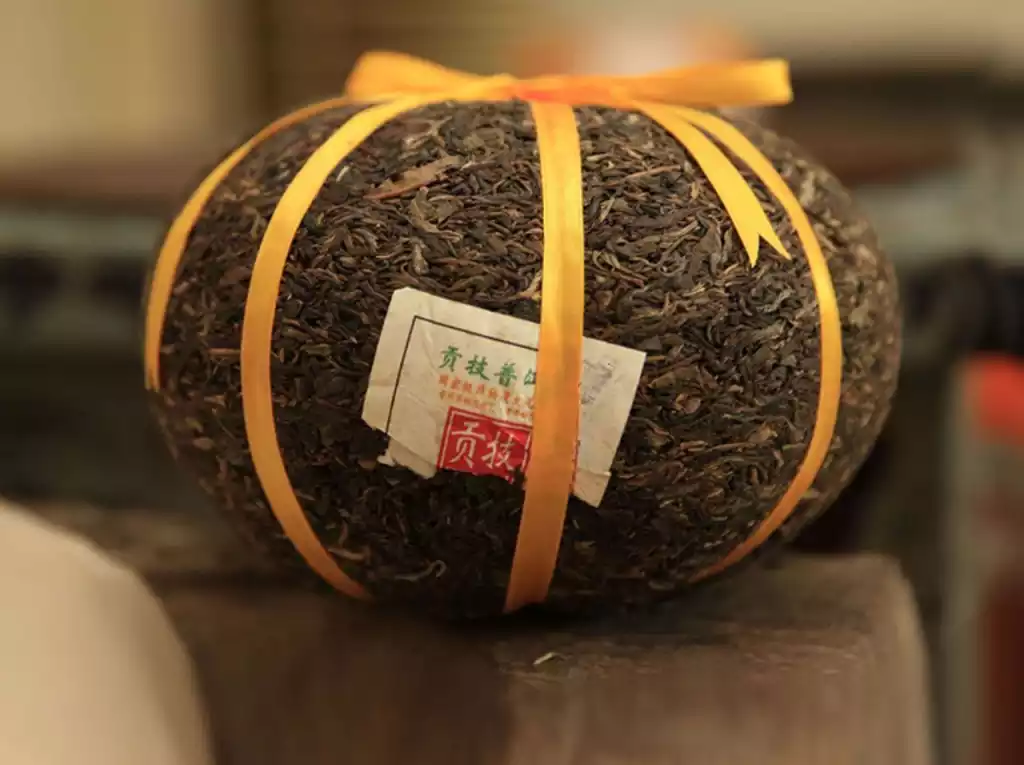
Golden melon tea resembles a small melon or gourd, with weights ranging from tens of grams to several kilograms. Historically used for tribute tea, it’s often for premium ripe Pu-erh.
1.6 Mini Tuocha and Other Compressed Forms
Mini tuocha are small, individually pressed teas, typically 5–10g, ideal for single servings. Other small compressed forms include mini cakes or squares.
1.7 Ultra-Mini Tea Cakes (2g Micro Bingcha by Steeped Roots)
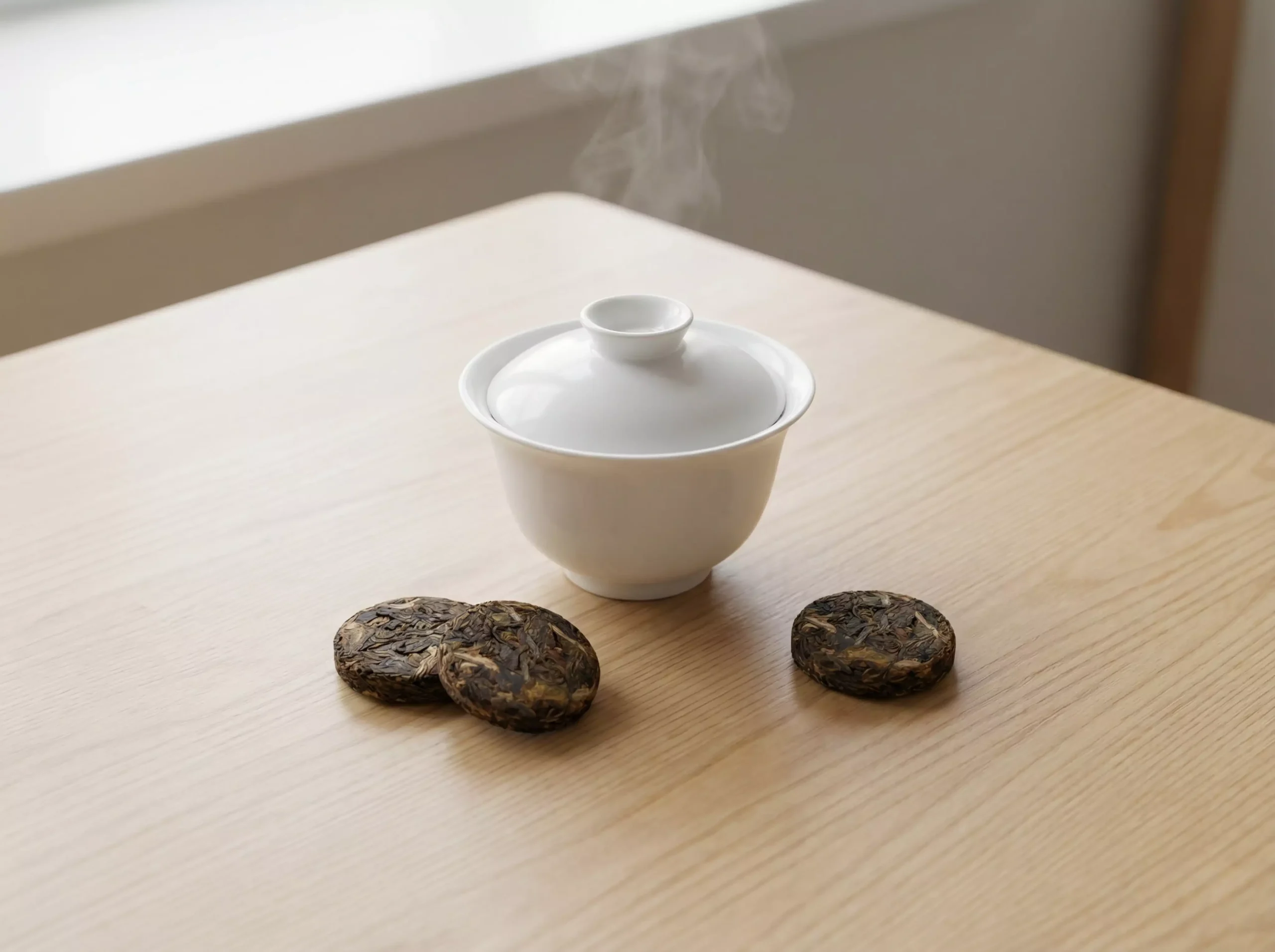
Beyond traditional mini tuocha, a new category has emerged in recent years: ultra-mini compressed tea cakes. Steeped Roots pioneered the world’s smallest Pu-erh tea cakes — 2g micro bingcha with a diameter of just 25mm — available in raw Pu-erh and black tea.
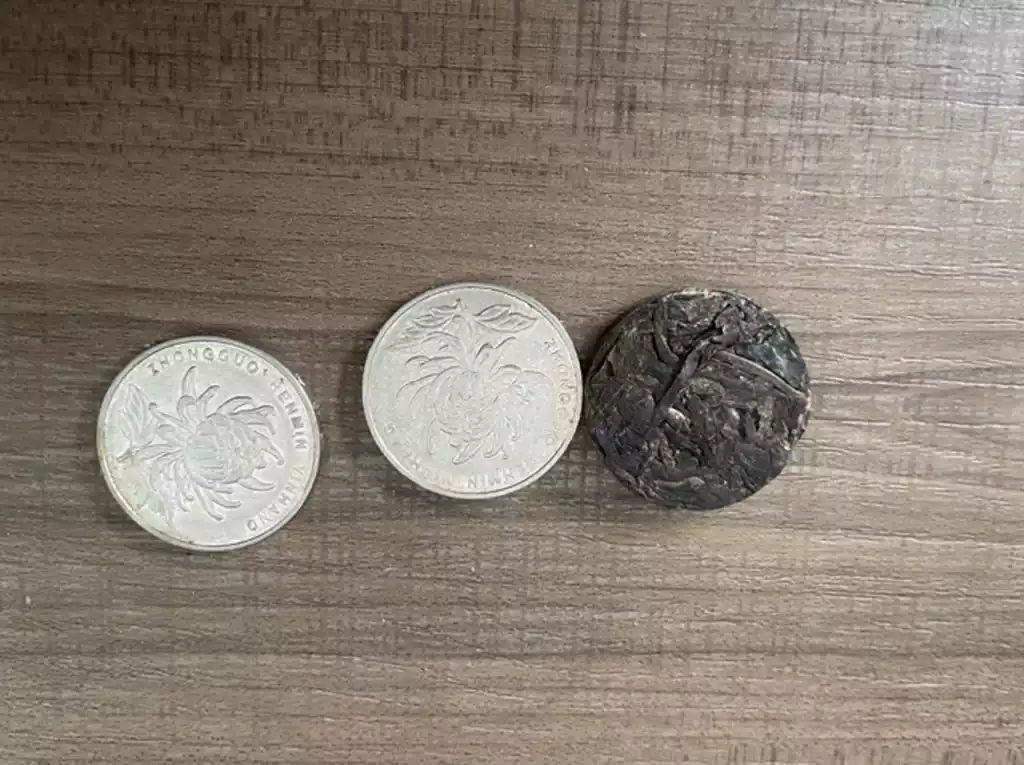 Unlike bowl-shaped mini tuocha, these micro cakes retain the flat, disc-like structure of traditional bingcha,
allowing for more even compression and predictable flavor release. Each 2g cake is precisely portioned for
a single gongfu or mug-style session, eliminating waste while preserving structural integrity.
Unlike bowl-shaped mini tuocha, these micro cakes retain the flat, disc-like structure of traditional bingcha,
allowing for more even compression and predictable flavor release. Each 2g cake is precisely portioned for
a single gongfu or mug-style session, eliminating waste while preserving structural integrity.This format bridges the gap between loose tea and full-size cakes: offering the ritual and aging logic of compressed tea, combined with the convenience modern drinkers expect. For urban tea drinkers, travelers, and beginners exploring Pu-erh without committing to large cakes, micro bingcha offers a practical alternative.
Pu-erh Tea Shapes at a Glance
Before diving into detailed pros and cons, the table below offers a quick comparison of common Pu-erh tea shapes based on usage, aging potential, and brewing convenience.
| Tea Shape | Best For | Aging Speed | Ease of Brewing | Storage Efficiency |
|---|---|---|---|---|
| Loose Tea (Maocha) | Daily drinking, tasting | Fast | Very Easy | Low |
| Cake (Bingcha) | Long-term aging, collecting | Slow & Stable | Medium | High |
| Tuocha | Portability, single sessions | Medium | Medium | High |
| Brick Tea (Zhuancha) | Bulk storage, trade-style aging | Very Slow | Hard | Very High |
| Golden Melon | Collecting, premium gifts | Slow & Even | Hard | High |
| Mini Tuocha | Convenience, travel, office use | Fast | Very Easy | Medium |
| Ultra-Mini Cake (2g Micro Bingcha) | Precision brewing, travel, modern daily use | Fast & Controlled | Extremely Easy | Medium |
2. Pros and Cons Analysis of Each Shape
Each Pu-erh shape offers unique benefits and challenges in terms of storage, brewing, and aging. Below is a detailed analysis.
2.1 Loose Tea (Maocha)
- Pros:
- Easy to Brew: No need to break apart, making it ideal for quick, daily use.
- Faster Aging: Greater air exposure accelerates oxidation and microbial activity, speeding up flavor development.
- Ideal for Tasting: Retains original flavors, perfect for sampling raw tea qualities. Great for beginners.
- Cons:
- Storage Challenges: Takes up more space and is prone to moisture or odor absorption, requiring sealed storage.
- Transport Issues: Loose form is less durable, prone to breaking during shipping.
- Uneven Aging: Inconsistent leaf exposure may lead to uneven flavor development.
2.2 Cake Tea (Bingcha)
- Pros:
- Convenient Storage: Compact and stackable, ideal for long-term collection.
- Uniform Aging: Tight structure ensures even oxygen distribution, leading to stable flavor development.
- Aesthetic Appeal: Elegant shape and packaging make it ideal for gifting or collecting.
- Cons:
- Brewing Effort: Requires a tea needle or knife to break apart, which can be tricky for beginners.
- Slower Aging: Limited air contact slows initial flavor development compared to loose tea.
- Higher Cost: Pressing and packaging increase production costs.
2.3 Tuocha
- Pros:
- Portable: Compact size makes it easy to carry for travel or daily use.
- Balanced Brewing: Single tuocha portions suit individual servings, simplifying tea preparation.
- Moderate Aging: Medium compression balances aging speed, suitable for both drinking and storing.
- Cons:
- Breaking Difficulty: Tight structure requires careful prying to avoid crumbling.
- Slow Flavor Release: Initial brews may lack intensity due to compression.
- Limited Variety: Fewer options in terms of origins and grades compared to cakes.
2.4 Brick Tea (Zhuancha)
- Pros:
- Transport-Friendly: Regular shape facilitates stacking and long-distance shipping.
- Stable Aging: High compression ensures slow, even aging, ideal for long-term storage.
- Cost-Effective: Larger sizes offer better value, popular for daily use or bulk markets.
- Cons:
- Complex Brewing: High compression makes prying difficult, requiring tools and skill.
- Weak Initial Flavor: Tight structure slows flavor release in early brews.
- Less Aesthetic: Plain shape lacks the visual appeal of cakes or golden melons.
2.5 Golden Melon Tea (Jinguacha)
- Pros:
- High Collectible Value: Unique shape and historical tribute status make it prized for collectors.
- Good Aging: Moderate compression supports stable, long-term flavor development.
- Cultural Significance: Strong heritage as tribute tea adds symbolic value.
- Cons:
- Expensive: Premium materials and complex crafting raise costs.
- Brewing Challenges: Unique shape complicates portioning and prying.
- Rare Availability: Limited production makes it hard to source.
2.6 Mini Tuocha and Other Compressed Forms
- Pros:
- Convenient Brewing: Single-serving sizes eliminate the need for prying, ideal for quick use.
- Highly Portable: Small size suits office, travel, or gifting.
- Beginner-Friendly: Fixed portions simplify brewing for novices.
- Cons:
- Limited Aging Potential: Small size and high air exposure accelerate aging but may reduce depth.
- Variable Quality: Mass production may use lower-grade leaves, affecting consistency.
- Storage Sensitivity: Small volumes require careful sealing to avoid environmental impact.
2.7 Ultra-Mini Tea Cakes (2g Micro Bingcha)
- Pros:
- Precise Portion Control: Each 2g cake delivers consistent strength and flavor, ideal for controlled brewing.
- True Compressed-Tea Structure: Flat cake form allows more even water penetration than bowl-shaped mini tuocha.
- Highly Portable: Pocket-sized format suits travel, office, and minimalist tea setups.
- Lower Commitment: Enables exploration of origins and styles without purchasing large cakes.
- Cons:
- Limited Long-Term Aging: Small mass limits deep multi-decade transformation.
- Not for Heavy Collectors: Designed for drinking rather than archival storage.
3. Choosing the Right Pu-erh Tea Shape
Selecting a Pu-erh tea shape depends on personal needs and usage scenarios:
- Daily Drinking: Loose tea or mini tuocha for convenience and ease of brewing.
- Short-Term Enjoyment: Tuocha or small cakes for balanced flavor and portability.
- Long-Term Collection: Cakes, bricks, or golden melons for stable aging and collectible value.
- Gifting: Cakes or golden melons for their aesthetic appeal and cultural significance. For gifting ideas, explore Brewing a Milk Tea Party with Authentic Tea: The Ultimate Tea Party Guide.
Different Pu-erh tea shapes suit different lifestyles. Understanding how you drink, store, and age tea will help you choose the most satisfying form.
4. Conclusion
The diverse shapes of Pu-erh tea reflect its rich cultural heritage and versatile applications. Loose tea offers convenience but requires careful storage; cakes, tuocha, and bricks excel in aging and collection; golden melons and mini tuocha cater to premium and practical needs, respectively. Understanding these shapes and their pros and cons empowers tea enthusiasts to choose the perfect Pu-erh for their preferences, whether for daily enjoyment, long-term aging, or gifting.
Frequently Asked Questions About Pu-erh Tea Shapes
Choosing the right Pu-erh tea shape often raises practical questions about aging, brewing, storage, and suitability for beginners. Below are some of the most common questions tea drinkers ask when exploring different Pu-erh forms.
Which Pu-erh tea shape is best for beginners?For beginners, loose Pu-erh tea (maocha) and mini tuocha are the most approachable options. Loose tea is easy to portion and brew, while mini tuocha offers pre-measured convenience without the need for prying tools. Both allow new drinkers to focus on flavor rather than technique.
Does the shape of Pu-erh tea affect its aging?Yes, the shape significantly influences aging. Compressed forms such as cakes, bricks, and golden melons age more slowly and evenly due to reduced air exposure, making them ideal for long-term storage. Loose tea ages faster but less consistently.
Are Pu-erh tea cakes better than tuocha?Neither is universally better—it depends on usage. Cakes are preferred for collectors and long-term aging due to their uniform compression, while tuocha are valued for portability and single-session convenience. Flavor quality depends more on material and processing than shape.
Is mini tuocha lower quality than traditional Pu-erh cakes?Not always, but many mini tuocha are made for convenience rather than aging, and may use smaller or more fragmented leaves. High-quality mini tuocha do exist, but traditional cakes generally offer greater complexity and aging potential.
Which Pu-erh tea shape is best for long-term storage?Pu-erh tea cakes, bricks, and golden melon shapes are best suited for long-term storage. Their compression supports slow, stable aging and protects the tea from rapid environmental changes, making them ideal for collectors.
Does Pu-erh tea taste different depending on its shape?The shape itself does not change the tea material, but it affects how flavors develop over time. Loose tea may taste more expressive early on, while compressed teas often reveal deeper, smoother flavors after proper aging.
What is the difference between mini tuocha and 2g micro tea cakes?Traditional mini tuocha are bowl-shaped and often use fragmented leaves for quick infusion. In contrast, 2g micro tea cakes (Micro Bingcha) maintain a flat disc structure using high-quality whole leaves, ensuring a more balanced water flow and a refined flavor profile similar to full-sized cakes.
Explore More About Tea Culture
🍵 Tea Heritage & Science
- The Legacy of Pu-erh Tea: From Ancient Trees to Modern Cups
- What Is Cha Qi? Feeling the Energy
- What is Puerh Tea? (Complete Guide)