From Tea Novice to Puerh Devotee: Seeing Tea as Tea Again
— Zen Buddhist proverb (禅宗修行三境界)
Phase One: Tea Was Just Tea
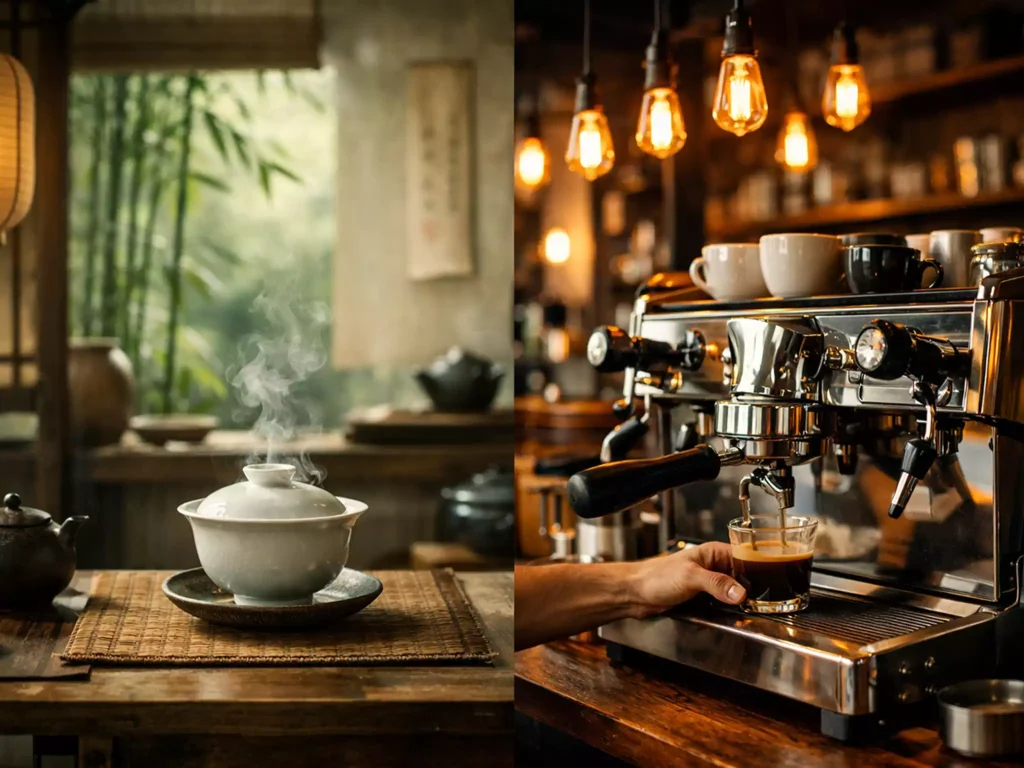
My journey into tea started innocently enough. Office tea bags, vending machine green tea—nothing memorable. A friend invited me to try “gongfu tea,” and that’s when I first witnessed tea as a ceremony. I didn’t know the difference between oolong and pu-erh, but I was intrigued. Tea was just tea—each type a new friend to meet.
Phase Two: Tea Was No Longer Just Tea
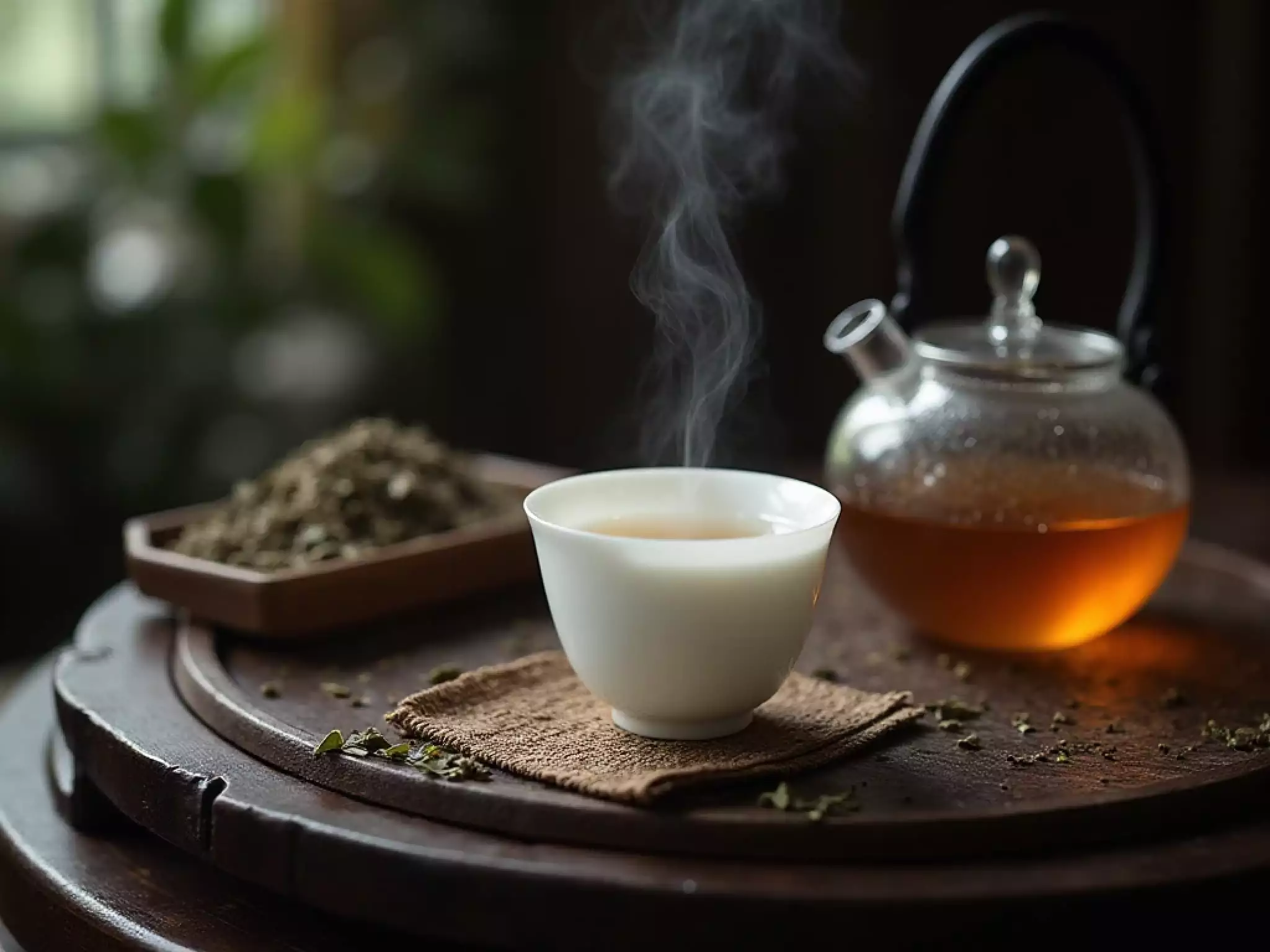
Everything changed with a gift: one tong of Lao Man’e. I brewed it like usual—and was shocked. The bitterness was sharp, almost aggressive. But as it faded, an intense, cooling sweetness crept in. That contrast hit me deep.
My curiosity led me to explore Lao Man’e’s origins and craftsmanship, diving into resources like Understanding Mixed Harvest, Single Plant, and Blended Puerh Tea and Chronicle of Time: One Kilo of Lao Man'e Ancient Tree Tea (2024-2025). I studied mountain regions, tea aging, spring vs. autumn harvests, and how bitterness engages the palate. Suddenly, tea wasn’t just a drink—it was a field of study.
Phase Three: Tea Became Tea Again
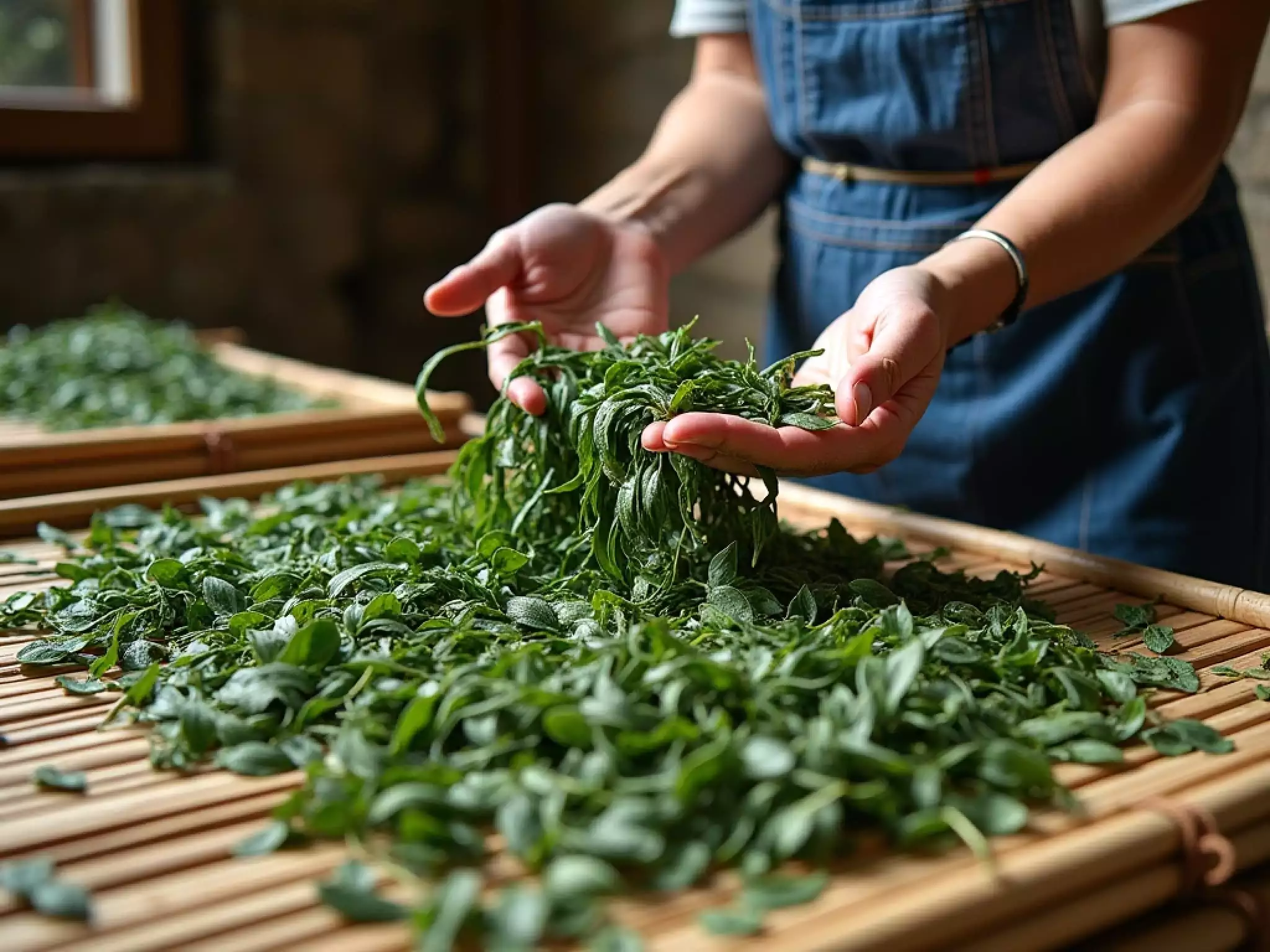
Obsession mellowed into appreciation. I still love Lao Man’e’s punch, but now I also enjoy the sweetness of Yiwu, the soft floral notes of Bai Mu Dan, and even the earthy smoothness of ripe pu-erh. I care about stories and sensations more than flavor charts.
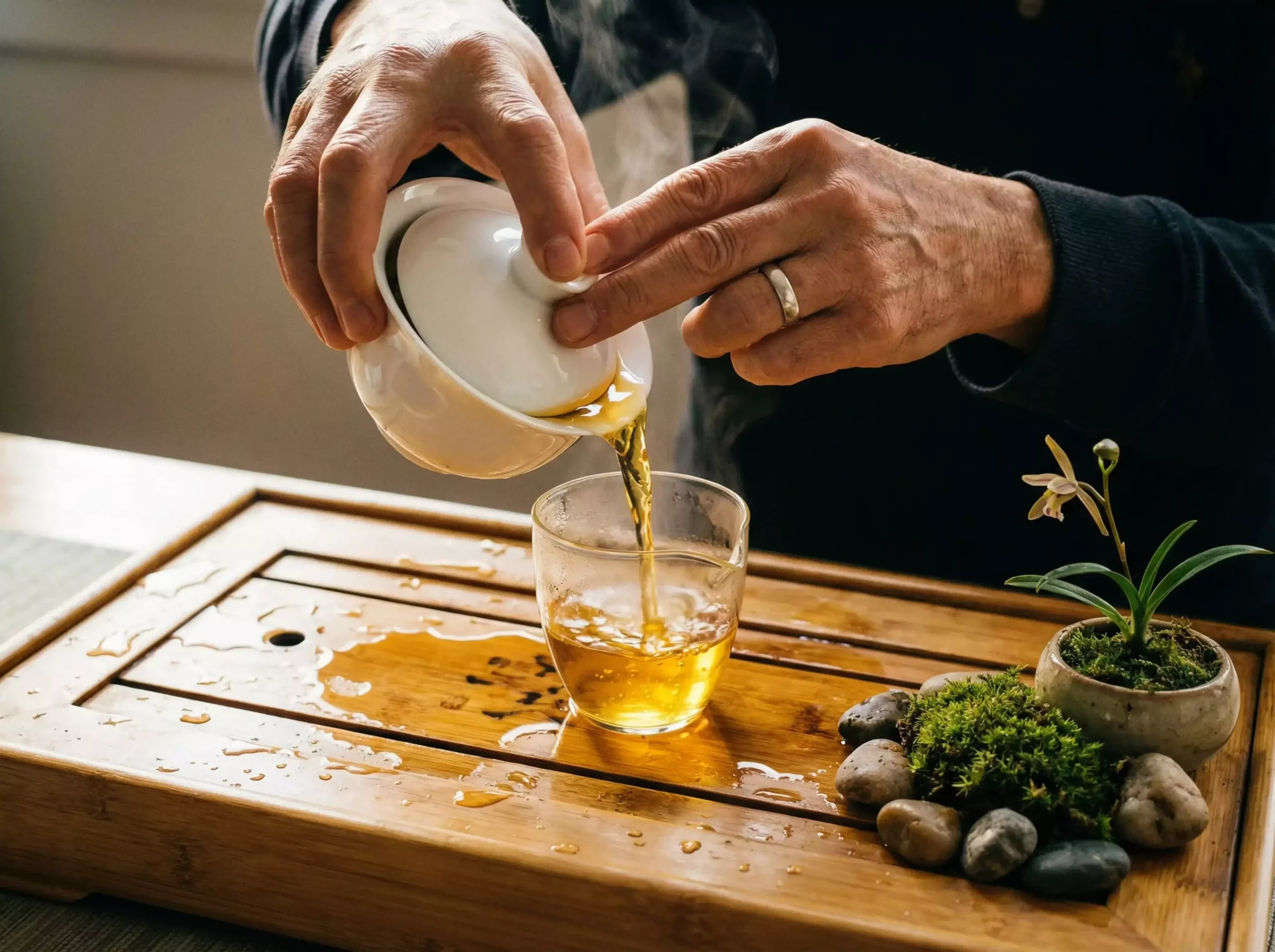
What is tea for? It’s a moment of grounding. A ritual of slowness. A return to self.
Closing Thoughts
I don’t claim to be a tea master. But every drinker walks their own path—from simplicity, through complexity, and maybe, back to simplicity again. Whether you’re just starting or deep into mountain maps, know that tea always has more to offer—when you’re ready to taste it.