
Lose Weight Naturally? How Pu-erh Tea Can Support Your Journey
An honest, science-backed look at what pu-erh can — and cannot — do for your metabolism. No miracles promised. A lot of good tea involved.
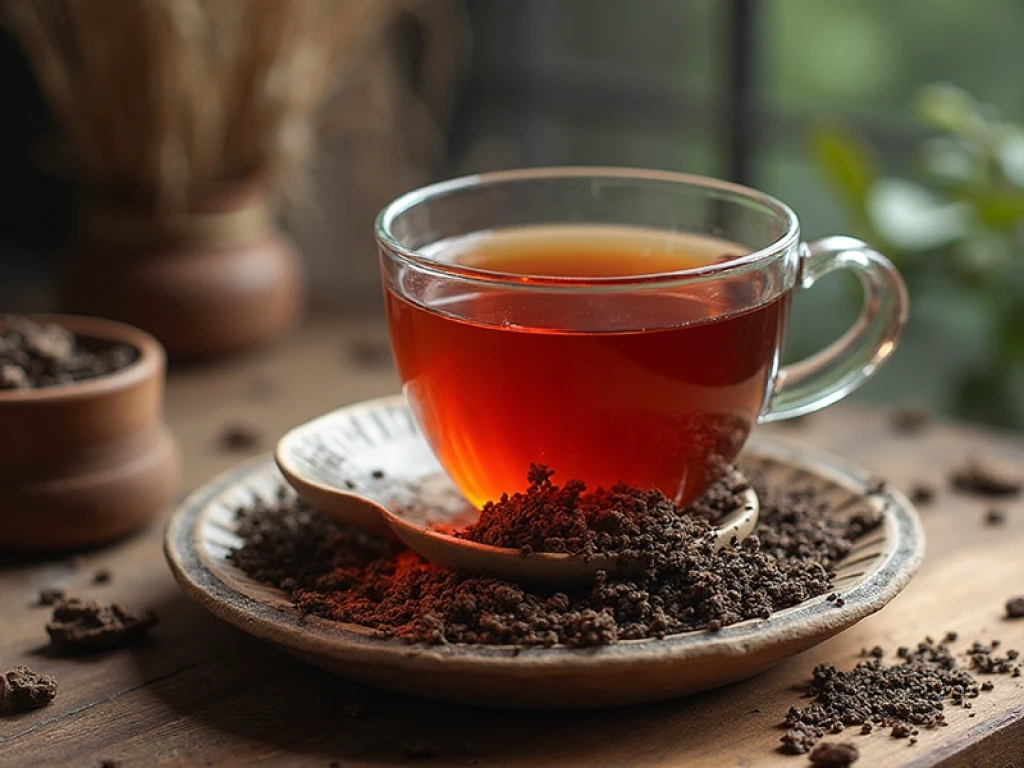
Every few years, the internet discovers pu-erh tea and immediately tries to sell it as a fat-burning miracle. It is not. But here's what's actually interesting: the research on pu-erh and metabolic health is more compelling than most tea coverage suggests — and the mechanism is specific enough to be worth understanding.
Pu-erh is a fermented tea from Yunnan Province in southwestern China, available in two main forms: raw (Sheng) and ripe (Shou). Their flavor profiles, bioactive compounds, and practical use cases differ significantly. For a complete breakdown of the differences, our Raw vs Ripe Pu-erh: Complete Guide & Flavor Comparison Chart is the right starting point.
What follows is an honest look at what the science actually says, what it doesn't say, and how to build a realistic tea rhythm around these teas — one that serves your health without requiring you to believe in anything magic.
What Is Pu-erh Tea?
Grown from the large-leaf Camellia sinensis var. assamica varietals of Yunnan's ancient forests, pu-erh is distinguished from all other teas by its post-production fermentation. Raw pu-erh ages slowly and naturally over years; ripe pu-erh undergoes an accelerated pile-fermentation process that produces its characteristic earthy depth and concentrates specific bioactive compounds — most notably theabrownins — that are largely absent in other tea types.
This fermentation process is not incidental to pu-erh's health profile. It is the mechanism. Learn more about its origins in The Legacy of Pu-erh Tea.
The Tea King Tree in Bulang Mountain, Yunnan — where many raw pu-erh teas originate.
The Science Behind the "Oil-Cutting" Claims
In Chinese tea culture, pu-erh is often described as having 刮油 (guā yóu) properties — literally "oil-scraping." This isn't mere folk metaphor. There are several documented biological mechanisms through which pu-erh's compounds interact with fat absorption and metabolism.
Lipid Metabolism
Pu-erh polyphenols stimulate lipase enzymes that break down dietary fats in the digestive tract, reducing the amount absorbed from each meal.
Gut Microbiome
Ripe pu-erh's fermentation byproducts selectively promote beneficial gut bacteria — including Akkermansia muciniphila — linked to better metabolic health and reduced inflammation.
Cholesterol Support
Ripe pu-erh contains trace amounts of naturally occurring lovastatin — the same compound found in red yeast rice — which contributes to LDL cholesterol reduction in regular drinkers.
Caffeine Synergy
The moderate caffeine content in pu-erh — lower than coffee, meaningful versus herbal teas — provides a mild thermogenic effect that modestly increases caloric expenditure.
1. Fat Metabolism — What the Research Actually Shows
A 2016 study published in the Journal of Agricultural and Food Chemistry found that pu-erh extract reduced fat accumulation in cell models by activating lipid-metabolizing enzyme pathways. A more practically relevant 2019 human study demonstrated that regular pu-erh drinkers showed statistically significant reductions in serum triglycerides over a 12-week period compared to controls.
For a detailed breakdown of how raw pu-erh specifically interacts with fat digestion — including the catechin mechanisms — see our piece on Why Raw (Sheng) Pu-erh Helps Weight Loss: The "Oil-Cutting" Science.
2. Gut Health — The Microbiome Argument
A 2019 study in Frontiers in Microbiology showed that ripe pu-erh consumption promotes gut motility, increases microbial diversity, and selectively enriches beneficial bacterial strains. This is the biological foundation for pu-erh's traditional reputation as a digestive aid after heavy meals.
The downstream effects of a healthier gut microbiome — reduced systemic inflammation, better short-chain fatty acid production, improved insulin sensitivity — are increasingly well-supported in the broader metabolic health literature. For a deeper look at how this works at the molecular level, see our piece on The 3 PM Micro-Reset: How Tea Molecules Rebuild Your Gut Barrier and Mindset.
Theabrownins: The Compound That Makes Ripe Pu-erh Unique
If you want to understand why ripe (Shou) pu-erh has a different health profile from any other tea — including green tea, black tea, or even raw pu-erh — the answer is theabrownins.
Theabrownins are complex polymeric pigments produced during the pile-fermentation process. They are not present in meaningful quantities in any other tea type. A 2025 study published in Nature Metabolism identified theabrownins as selective prebiotics for Akkermansia muciniphila — a bacterial strain strongly associated with lean body composition, reduced gut inflammation, and improved insulin sensitivity. The same study found that participants consuming theabrownin-rich tea extracts for 12 weeks showed an average 11.3% reduction in LDL cholesterol.
Separately, ripe pu-erh also contains trace amounts of naturally occurring lovastatin — the active compound in red yeast rice — produced during fermentation. This is not present in quantities sufficient to replace a prescribed statin, but at regular daily consumption levels, it contributes a measurable cholesterol-adjacent effect that no other tea type offers.
Honest Limitations of the Research
The science is genuinely interesting. It is not, however, license for the kind of claims that show up in most "pu-erh for weight loss" articles. A few honest caveats:
- Most studies used extracts, not brewed tea. Concentrated pu-erh extract at pharmacological doses is not the same as two cups of daily mug tea. Effects in brewed tea at realistic consumption levels are more modest.
- No study has demonstrated meaningful weight loss from tea alone. The mechanisms support metabolic health; they do not replace caloric deficit, exercise, or sleep quality.
- Individual variation is significant. Gut microbiome composition, existing diet, and caffeine sensitivity all affect how strongly any individual responds to pu-erh's compounds.
- Tea has essentially zero calories — plain brewed pu-erh is typically 2–5 kcal per cup. The myth that "tea has significant calories" deserves direct correction; see our full analysis at Does Tea Have Calories? (2026 Evidence Update).
What pu-erh offers is a sustainable, low-barrier daily habit that gently supports digestive health, lipid management, and hydration — all of which contribute meaningfully to long-term metabolic health. It is not a shortcut. It is a compounding tool.
Safety & When Not to Drink Pu-erh
Ripe (Shou) pu-erh is considerably more forgiving. Its fermentation process reduces caffeine concentration and softens the polyphenol profile, making it generally safe to drink in the morning before food for most adults.
- Pregnancy: Consult your doctor before consuming any caffeinated tea regularly during pregnancy.
- Iron absorption: Polyphenols in tea can inhibit non-heme iron absorption when consumed with meals. If you have iron-deficiency anaemia, drink tea between meals rather than with them.
- Medication interactions: The trace lovastatin in ripe pu-erh is unlikely to interact with standard statin medications at normal consumption levels, but anyone on lipid-lowering medication should flag this to their prescriber.
- Storage and mold: Improperly stored pu-erh can develop genuine mold. Musty-smelling pu-erh with visible surface growth should be discarded. Learn to distinguish aged character from actual contamination in our guide to Tea & Your Body: Digestion, Bone Health, and Common Myths Explained.
How Pu-erh Compares to Other Teas for Metabolic Support
No single tea does everything. Here's an honest map of where each type excels — and which moments in your day they're best suited for.
| Tea Type | Primary Mechanism | Key Compounds | Best Moment | Limitation |
|---|---|---|---|---|
| Raw Pu-erh (Sheng) | Oil-cutting — reduces fat absorption after meals | Catechins, polyphenols | 30 min after a heavy meal | Empty stomach irritation risk |
| Ripe Pu-erh (Shou) | Gut microbiome + LDL support via theabrownins & lovastatin | Theabrownins, trace lovastatin | Morning or all-day desk tea | Requires 100°C / 212°F to activate properly |
| Green Tea | Acute metabolism boost | EGCG, caffeine | Morning — before exercise | Less durable; high-temp brewing turns bitter |
| Oolong | Moderate fat oxidation; pleasant mouthfeel | Partially oxidized catechins | Afternoon focus sessions | Wide quality range; sourcing matters |
| Black Tea (Dian Hong) | Theaflavin-driven antioxidant; mellow support | Theaflavins, thearubigins | Morning with or without food | Lower theabrownin content than ripe pu-erh |
Practical Tips: Building Your Tea Rhythm
In Yunnan, the farmers who tend ancient tea trees don't think about "optimization." They drink tea because it's there, it's warm, and it's good. The irony is that this low-effort consistency — what we call a Tea Rhythm — is exactly what produces long-term metabolic benefit.
Choose the Right Tea for the Right Moment
- Raw Pu-erh (Sheng): After meals. Not on an empty stomach. One to two infusions from 2g of leaf in a 250ml mug is sufficient — you're not trying to extract every compound, just support digestion.
- Ripe Pu-erh (Shou): Morning or across the workday. Brew at full boil — 100°C / 212°F — for maximum theabrownin extraction. Forgiving of extended steeping, which makes it the natural choice for desk brewing.
- Green Tea: Pre-workout or early morning, at 80–85°C / 175–185°F. It complements pu-erh's slower mechanisms with a more immediate energy effect.
The 2g Precision Rule
Consistent dosing matters more than most people realize. A 2g portion — matched to a standard 250–300ml mug — is the calibrated amount that delivers meaningful polyphenol extraction without excessive bitterness or caffeine spike. Our 2g mini cakes eliminate measurement entirely: one cake per session. For more on how to build this into a sustainable office habit, see our Office Tea Brewing Guide: How to Brew Tea Directly in a Mug and the broader lifestyle framework in From NYC to Menghai: Managing Career Energy with a 2g Tea Rhythm.
Quality Matters — But Not in the Way You Think
Ancient-tree pu-erh does contain a richer polyphenol profile than plantation-grown leaf. But the difference between good-quality plantation pu-erh and ancient-tree material is far less dramatic than pricing suggests. Focus first on sourcing transparency and correct storage (dry, odor-free, stable temperature) before worrying about tree age.
Morning: 2g ripe pu-erh in a desk mug, brewed at full boil. Refill twice across the morning.
Lunch: Skip tea during the meal — polyphenols can inhibit iron absorption from food.
Post-lunch: One 2g raw pu-erh portion. Steep for 90 seconds in 250ml at 95°C / 203°F. The hui gan (回甘) — that lingering throat sweetness — will arrive around minute three.
Afternoon: Back to ripe pu-erh or nothing. Avoid caffeine after 3 PM if sleep quality is a priority.
Find Your Perfect Brewing Parameters
The difference between a good cup and a bitter one is often a matter of 2 grams and 10°C. Not sure how much leaf to use for your mug? Our interactive calculator below finds your perfect Tea Rhythm based on your vessel size and tea type — no scale required if you're using our 2g mini cakes.
☕ Brewing Master Calculator
Enter your teaware volume to get your calibrated parameters.
Frequently Asked Questions
Does Pu-erh tea burn fat?
No — and any article that tells you it does is overselling. What pu-erh does is interfere with fat absorption through polyphenol-lipase interactions (raw pu-erh), and support the gut microbiome environment that correlates with leaner metabolic profiles (ripe pu-erh via theabrownins). Meaningful mechanisms; not a fat-burning tool in the popular sense.
How much Pu-erh should I drink for metabolic support?
1–2 cups daily is the practical target that aligns with most positive-outcome studies. Raw pu-erh is best consumed 30 minutes after heavy meals. Ripe pu-erh can be consumed at any point in the day, including mornings. The key variable is consistency over weeks — not the amount in any single session.
Is Pu-erh better than green tea for weight loss?
They work through different mechanisms and are best treated as complements rather than competitors. Green tea's EGCG provides a faster, more acute metabolism lift — useful pre-exercise or first thing in the morning. Ripe pu-erh's theabrownins and microbiome effects operate on a longer timescale but are more durable and stomach-friendly. If you're choosing one daily tea: ripe pu-erh for sustained support; green tea as a morning accelerant.
Can I drink Pu-erh on an empty stomach?
Ripe pu-erh is generally fine on an empty stomach for most people. Raw pu-erh on an empty stomach is not recommended — the higher polyphenol concentration and caffeine can cause nausea, dizziness, or "tea drunkenness" (茶醉). Start with raw pu-erh post-meal until you know how your system responds.
Does Pu-erh tea have calories?
Plain brewed pu-erh — without milk, sugar, or honey — has essentially zero caloric content: 2–5 kcal per 250ml cup from trace amino acids. Drinking three cups of pu-erh a day contributes roughly 10 kcal total. The full breakdown, including common myths about "tea calories," is at Does Tea Have Calories? (2026 Evidence Update).
This article is written by a tea educator, not a physician. The science referenced is accurate to the best of our knowledge at time of publication — but it is not medical advice, and it is not a substitute for a conversation with your doctor before making significant dietary changes. Tea is extraordinary. It is also, ultimately, just tea.
Ready to Start Your Tea Rhythm?
Our 2g taster packs are precision-measured for exactly the desk-mug ratios in this guide. Five origins, one session each — a calibrated introduction to what Yunnan tea actually tastes like.
Explore Tasting Packs →🌿 Continue Reading
- Science Why Raw Pu-erh Helps Weight Loss: The "Oil-Cutting" Science Explained
- Action Office Tea Brewing: The Mug Method — No Equipment Required
- Habit From NYC to Menghai: Managing Career Energy with a 2g Tea Rhythm
- Truth Does Tea Have Calories? (The 2026 Evidence Update)
- Deeper The 3 PM Micro-Reset: How Tea Molecules Rebuild Your Gut Barrier
- Safety Tea & Your Body: Digestion, Bone Health, and Common Myths Explained