
Best Teas for Cold Weather: Warm Up with Flavor
As winter’s chill sets in, there’s nothing like a steaming cup of tea to warm your body and soul. From the earthy depth of ripe Pu-erh to the sweet warmth of Yunnan sun-dried red and the delicate softness of white tea, these teas are perfect for cold weather. This guide explores the best teas for winter, with tasting notes, brewing tips, and why they shine in the cold season, backed by science and tradition.
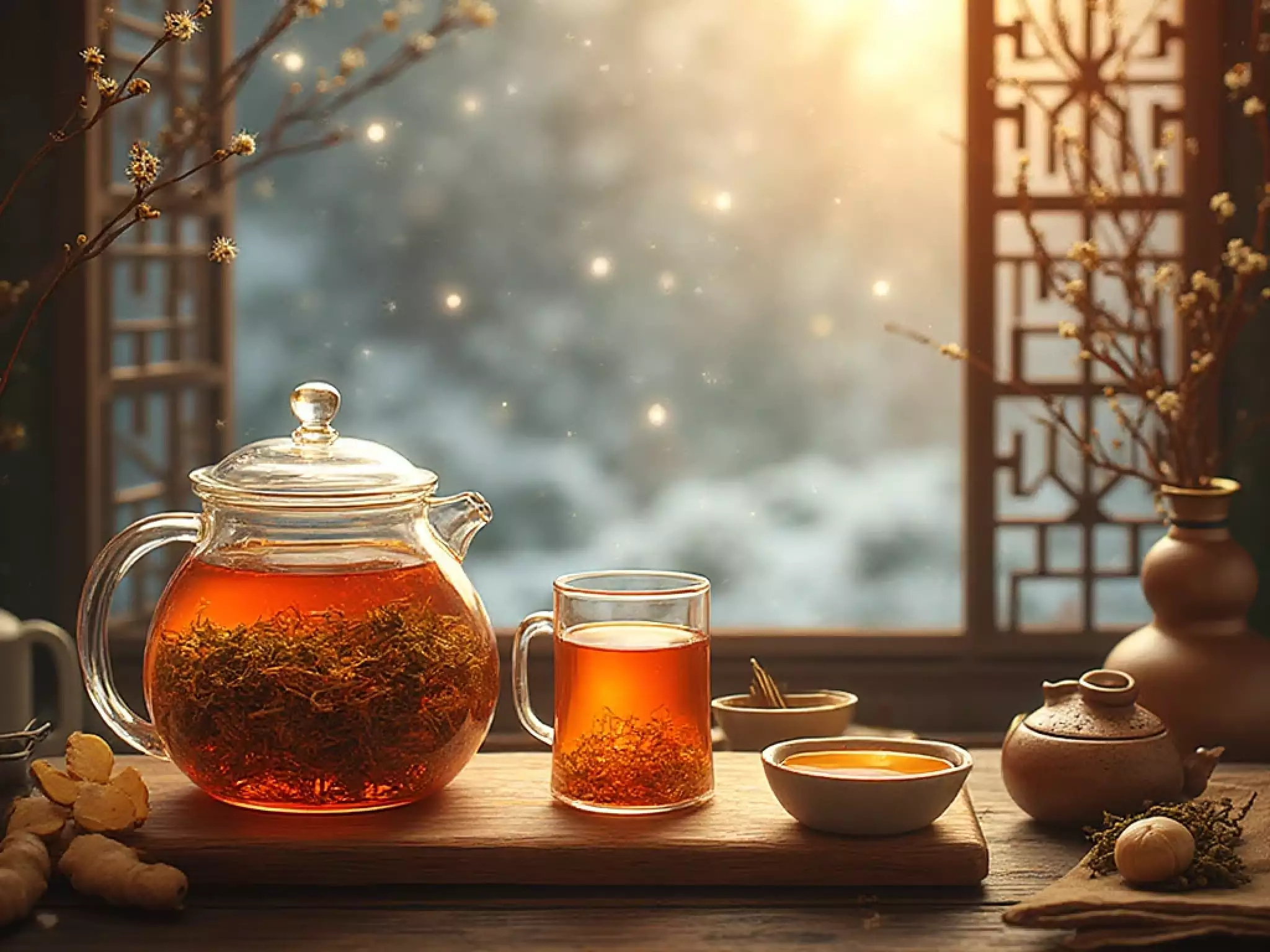
Why Tea Warms You in Winter
Teas warm you through their natural compounds—caffeine and polyphenols stimulate circulation, while soothing flavors create a sense of comfort. Some teas, like fermented Pu-erh, also aid digestion, perfect for hearty winter meals.
Ripe Pu-erh: The Earthy Winter Hug
Type: Fermented Tea
Origin: Yunnan, China
Why It Warms: Rich, earthy, probiotic benefits, low caffeine.
Science Says: 2019 study links microbes to gut health.
Taste & Prep: Smooth, woody, chocolate notes. Brew at 95-100°C, 3-4 min.
Best For: Evenings.
Tip: Pair with incense for a meditative ritual. Learn more here.
Yunnan Sun-Dried Red: The Sweet Winter Glow
Type: Black Tea
Origin: Yunnan, China
Why It Warms: Sweet, floral warmth, mild energy lift.
Science Says: 2015 study found black teas improve circulation.
Taste & Prep: Floral, fruity, honey-like. Brew at 90-95°C, 3-4 min.
Best For: Afternoons.
Tip: Add honey for comfort. See comparisons.
White Tea: The Soft Winter Embrace
Type: White Tea
Origin: Fujian, China
Why It Warms: Soft, floral sweetness, low caffeine, antioxidants.
Science Says: 2018 study links catechins to immunity.
Taste & Prep: Floral, delicate. Brew at 85-90°C, 2-3 min.
Best For: Mornings or evenings.
Tip: Sip slowly. Explore Top 10 Chinese Teas.
Other Warming Teas for Winter
- Ginger Tea: Spicy, circulation-boosting. Fresh slices steeped at 100°C.
- Dian Hong Black Tea: Rich, caramel warmth. See beginner’s guide.
Comparing Teas for Winter Warmth
| Tea Type | Caffeine | Warming Benefit | Taste | Best Time |
|---|---|---|---|---|
| Ripe Pu-erh | 20-30 mg | Digestive warmth | Earthy, smooth | Evening |
| Yunnan Sun-Dried Red | 30-50 mg | Gentle warmth | Floral, honey-like | Afternoon |
| White Tea | 15-30 mg | Soft warmth | Floral, sweet | Morning/evening |
| Ginger Tea | 0 | Circulatory boost | Spicy, bold | Anytime |
How to Enjoy These Teas in Cold Weather
- Morning Warm-Up: White tea or Yunnan red.
- Evening Cozy: Ripe Pu-erh post-dinner.
- Winter Rituals: Gongfu brewing, incense pairing.
- Seasonal Pairings: Chestnuts or gingerbread.
Potential Side Effects
- Caffeine Sensitivity: Avoid late-night Pu-erh or black tea.
- Overbrewing: White tea turns bitter if steeped too long.
- Quality Matters: Choose high-grade teas for best effects.