Ripe Pu-erh vs Raw Pu-erh: Flavor, Mouthfeel, and Choosing Guide
By Adrian | Updated January 2026

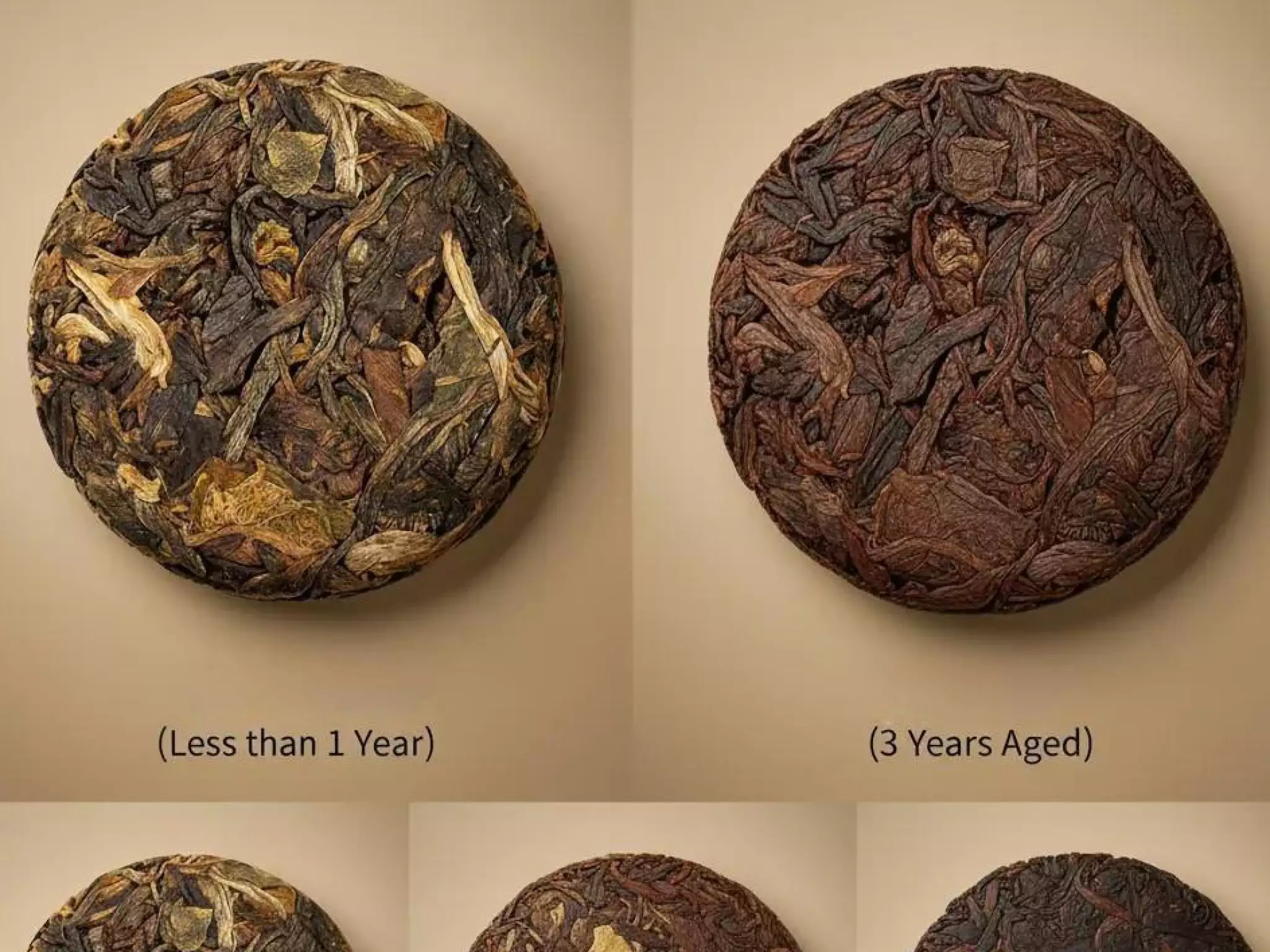
Dry leaves provide a quick visual clue: Young Raw Pu-erh appears green, aging to golden-brown; Ripe Pu-erh is typically deep brown or reddish-black.
Pu-erh tea, one of China’s six major tea categories, is loved for its unique aging process and flavor profiles. Originating from the misty mountains of Yunnan, Pu-erh has a rich history tied to the ancient Tea-Horse Road, where it was traded for horses and spread its cultural influence. Pu-erh is mainly divided into two types: Raw (Sheng) and Ripe (Shou). These two differ significantly in production methods, flavor characteristics, and drinking experiences. This guide compares Raw and Ripe Pu-erh to help you choose the perfect tea for your palate, whether you're a beginner or a seasoned enthusiast.
1. Production Differences between Raw and Ripe Pu-erh
Pu-erh's production is a fascinating blend of tradition and innovation, rooted in Yunnan's ancient tea gardens. Raw Pu-erh (Sheng) follows a natural path, while Ripe Pu-erh (Shou) introduces a modern twist to accelerate the magic of aging.
- Raw Pu-erh (Sheng): The leaves are harvested from ancient trees, lightly steamed, and sun-dried before being compressed into cakes, bricks, or tou (nests). This raw form undergoes slow, natural fermentation over years or decades, allowing microbial activity and oxidation to gradually transform the tea. The result is a dynamic evolution of flavors, making it a favorite for collectors. Learn more about its forms in our Pu-erh Shapes Guide.
- Ripe Pu-erh (Shou): Developed in the 1970s to meet demand for aged Pu-erh, this process involves "wet piling" (wo dui), where leaves are piled in humid conditions to accelerate microbial fermentation. After 45-75 days, the tea is dried and compressed. This method mimics the natural aging of Raw Pu-erh but in a fraction of the time, producing a mature, mellow tea that's ready to drink immediately.
The key distinction lies in fermentation: Raw Pu-erh ages slowly like fine wine, while Ripe Pu-erh is "pre-aged" for accessibility. Both start from the same high-quality Yunnan leaves, but the path they take defines their character.
2. Flavor Comparison
Flavor is where Raw and Ripe Pu-erh truly diverge, offering distinct sensory experiences that cater to different moods and preferences. Raw Pu-erh is like a young forest—vibrant and evolving—while Ripe Pu-erh is a seasoned woodland—deep and comforting.
| Aspect | Raw Pu-erh | Ripe Pu-erh |
|---|---|---|
| Color | Bright and clear, with greenish or golden hues that deepen with age | Dark brown to reddish, with a thick, velvety tea soup |
| Aroma | Fresh grassy notes, young fruitiness (apricot, plum), and complex floral hints that mature into honeyed sweetness over time | Rich aged aroma with woody, earthy, and subtle honeyed tones, evoking old wood or damp earth |
| Taste | Fresh, brisk with slight astringency, evolving into a strong, lingering aftertaste (Hui Gan) that can be bitter in youth but sweetens with age | Smooth, mellow, less bitter, with a rounder mouthfeel and caramel-like sweetness |
Raw Pu-erh's flavors change dramatically with storage—young Sheng might be sharp and vegetal, while 10-year-old Sheng becomes floral and sweet. Ripe Pu-erh, however, delivers consistent maturity from the start, with notes of dates, wood, and a subtle smokiness.
Liquor Color Comparison
Raw Pu-erh liquor is bright, ranging from pale gold to deep amber; Ripe Pu-erh is deep reddish-brown and opaque.
3. Mouthfeel Differences
Mouthfeel, or the tactile sensation of tea on the tongue and throat, is a hallmark of Pu-erh's allure. It's where the tea's "Cha Qi" (tea energy) comes alive, influencing how the tea feels in your body.
Raw Pu-erh: Offers a more stimulating, invigorating mouthfeel with a lively astringency that "bites" the tongue, followed by a refreshing wave down the throat. It's energizing, often leaving a cooling sensation and a strong Hui Gan (sweet aftertaste). This makes it ideal for those seeking an uplifting, meditative experience, but it can be too intense for sensitive palates or empty stomachs.
Ripe Pu-erh: Provides a gentle, enveloping mouthfeel that's smooth and coating, like velvet on the tongue. The lack of astringency makes it soothing, with a warming, grounding Cha Qi that promotes relaxation and digestion. It's easier on the stomach and perfect for evening sipping or those new to Pu-erh.
Explore brewing tools to enhance your experience in our Teaware Guide.
Brewing Techniques
Pu-erh is best enjoyed with gongfu-style brewing in a gaiwan to highlight its endurance across multiple infusions. For detailed steps and parameters, refer to our guide: How to Brew Tea with a Gaiwan (recommend 5g tea per 100ml gaiwan, 95°C water, rinse/wake the tea first, then infuse starting at 10-15 seconds and increase gradually).
Tree Age and Terroir Influence
Ancient tree (gushu) tea is more complex, durable, and has greater aging potential than terrace tea, for both Raw and Ripe. Learn more in: Ancient Tree vs Terrace Tea.
Health Benefits
Both aid digestion: Raw stimulates enzyme activity and fat breakdown; Ripe is gentler, supporting gut flora. For more, see: Best Teas for Digestion and Tea for Weight Control & Digestion.
Caffeine Content
Raw Pu-erh has higher caffeine (stronger wake-up effect); Ripe is slightly lower due to fermentation. Full tea caffeine rankings: Caffeine Ranking: Which Teas Wake You Up the Most.
4. Reason for Ripe Pu-erh’s Creation
Ripe Pu-erh was developed in the 1970s by the Kunming Tea Factory to meet the growing demand for the rich, aged flavors of Raw Pu-erh without the long wait. The “wet piling” process, inspired by traditional composting techniques, accelerates microbial fermentation under controlled humidity and temperature. This innovation democratized Pu-erh, making its mature, earthy profile accessible to all, while Raw Pu-erh remained the choice for patient connoisseurs. The practice has roots in the ancient Tea-Horse Road era, where tea was transported and aged during long journeys.
Today, Ripe Pu-erh accounts for much of the global market, but purists argue it lacks the nuanced evolution of naturally aged Raw Pu-erh. Both have their place, reflecting Pu-erh's versatility.
Aging and Storage Suggestions
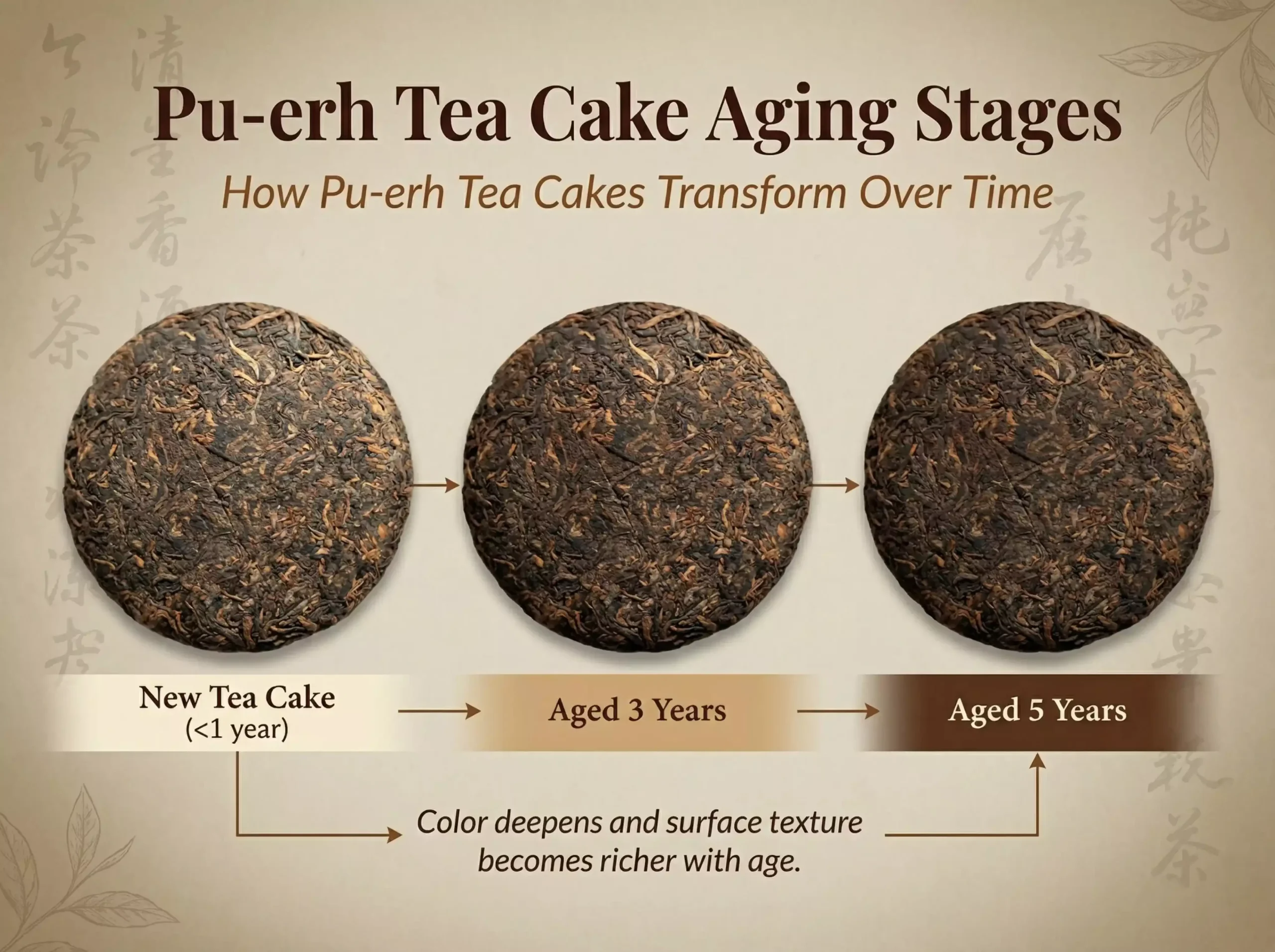
Raw Pu-erh is ideal for long-term aging, with flavors evolving by year (e.g., young bitterness → honey-camphor after 5-10 years); Ripe is more stable for short-term enjoyment. Full storage guide: Tea Storage Guide.
5. Choosing Guide
Selecting between Raw and Ripe Pu-erh depends on your taste, lifestyle, and goals. Consider these factors to find your perfect match:
- If you enjoy fresh, brisk, and lively tea with a story that unfolds over years, and you're willing to wait for natural aging, choose Raw Pu-erh. It's ideal for collectors and those seeking an adventurous, evolving brew.
- If you prefer mellow, smooth, and easy-to-drink tea that's ready immediately, or if you're sensitive to astringent flavors, try Ripe Pu-erh. It's forgiving for daily drinking and pairs well with meals.
- Beginners should start with Ripe Pu-erh to build confidence, then gradually train their palate for Raw Pu-erh with our Tea Palate Training Guide. For health benefits, Raw Pu-erh may aid digestion and energy, while Ripe Pu-erh supports gut health and relaxation.
Consider storage: Raw Pu-erh thrives in cool, dry conditions (e.g., 20-30°C, 50-70% humidity), while Ripe Pu-erh is more stable and less sensitive.
6. Daily Drinking and Collecting Suggestions
Pu-erh's versatility makes it a staple for daily rituals or long-term investments. Raw Pu-erh is prized for collecting—store in a dedicated space away from strong odors, allowing it to transform like fine wine. Vintage Raw Pu-erh from the 1980s or 1990s can appreciate in value, but always prioritize quality over speculation.
Ripe Pu-erh is ideal for immediate enjoyment and short-term storage, with flavors peaking within 1-5 years. For daily drinking, Ripe Pu-erh aids digestion after meals, while Raw Pu-erh energizes mornings. Both support health benefits like antioxidants and probiotics, but consult a doctor for specific needs.
Understanding these differences helps you choose the right Pu-erh tea to savor the journey of each sip. For sustainable sourcing, see our Fair Trade Tea Guide.
Want to dive deeper? Check out our article How to Taste Sheng Pu-erh: Notes by Year and Storage for expert tips.
Share your Pu-erh experience on X with #TeaLovers and tag SteepedRoots!
❓ Frequently Asked Questions
What is the difference between Raw and Ripe Pu-erh tea?
Raw Pu-erh (Sheng) is naturally aged, with fresh, grassy flavors, while Ripe Pu-erh (Shou) is artificially fermented for a smooth, earthy taste.
Which Pu-erh tea is better for beginners?
Both Raw (Sheng) and Ripe (Shou) Pu-erh can be great starting points—it depends on your preference! Ripe Pu-erh is often recommended for absolute beginners because of its mellow, smooth, earthy flavor with little bitterness or astringency, making it more approachable and forgiving. Raw Pu-erh offers fresher, more vibrant notes that evolve over time, but younger versions can be brisk or slightly bitter. The best advice: try both! Start with a small sample of each to discover what suits your taste, time of day, or mood.
How should I brew Raw and Ripe Pu-erh?
For beginners, we recommend a simple Western-style brew in a large mug (400-500ml) for an easy, everyday experience.
Can I store Pu-erh tea for aging?
Raw Pu-erh is ideal for long-term aging, developing complex flavors. Ripe Pu-erh is stable and better for short-term drinking.