Raw vs Ripe Pu-erh: Ultimate Flavor Guide – Sheng vs Shou, Aging, Brewing & Fixing Fishy Smells
Explore the complete differences between raw (sheng) and ripe (shou) Pu-erh: processing, evolving flavors, appearance, aging, brewing tips, health aspects, and how to handle common "fishy" smells in young shou.
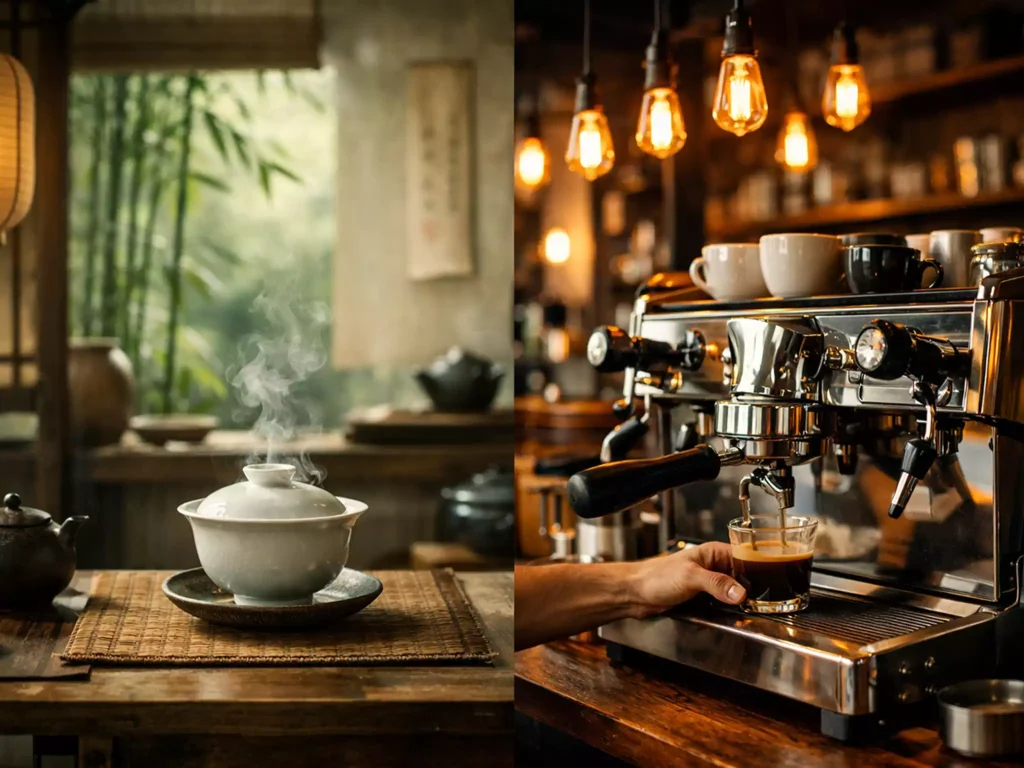
Curious about Pu-erh tea's surprising range of tastes—from fresh grassy florals to deep earthy chocolate? The key lies in its two main styles: raw (sheng) and ripe (shou). Sheng offers bright, evolving complexity that rewards patience, while shou delivers immediate smooth comfort. Both come from Yunnan's ancient tea trees, but their processing creates dramatically different experiences. Some newcomers encounter a "fishy" note in young shou—perfectly normal and fixable. This ultimate guide merges production details, flavor deep-dives, and practical solutions to help you find (and enjoy) your perfect Pu-erh.
Processing: The Art of Transformation
Raw Pu-erh (Sheng)
Traditional method dating back over 2,000 years: hand-picked leaves from ancient Yunnan trees are withered, pan-fried (Sha Qing) to stop oxidation, rolled, sun-dried into maocha, steamed, and pressed into cakes. Then natural microbial aging over decades develops complexity.

Ripe Pu-erh (Shou)
Modern 1970s innovation: follows raw steps to maocha, then undergoes controlled wet-piling (Wo Dui) for 45–90 days with moisture and heat to accelerate fermentation, mimicking aged flavors quickly.
Quick Comparison Chart
| Aspect | Raw Pu-erh (Sheng) | Ripe Pu-erh (Shou) |
|---|---|---|
| Processing | Natural long-term aging | Accelerated Wo Dui fermentation (45-90 days) |
| Flavor (Young) | Bright, floral, fruity, grassy; often bitter/astringent with sweet hui gan | Earthy, mellow, smooth; low bitterness |
| Flavor (Aged) | Honey, dried fruit, camphor, wood; highly evolving | Refined earth, chocolate, leather; consistent sweetness |
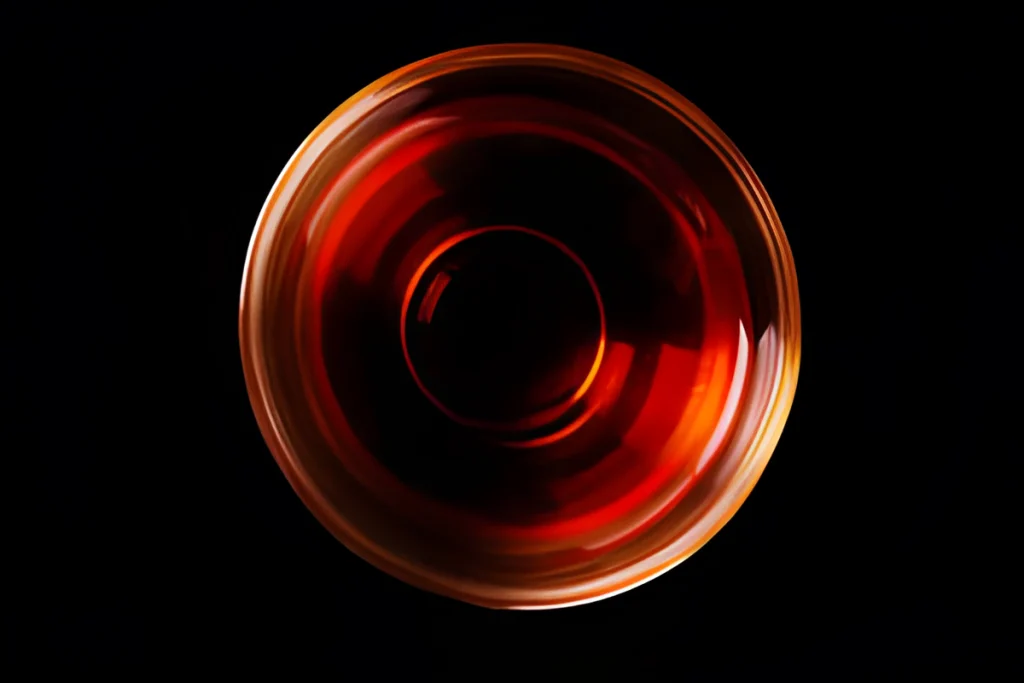
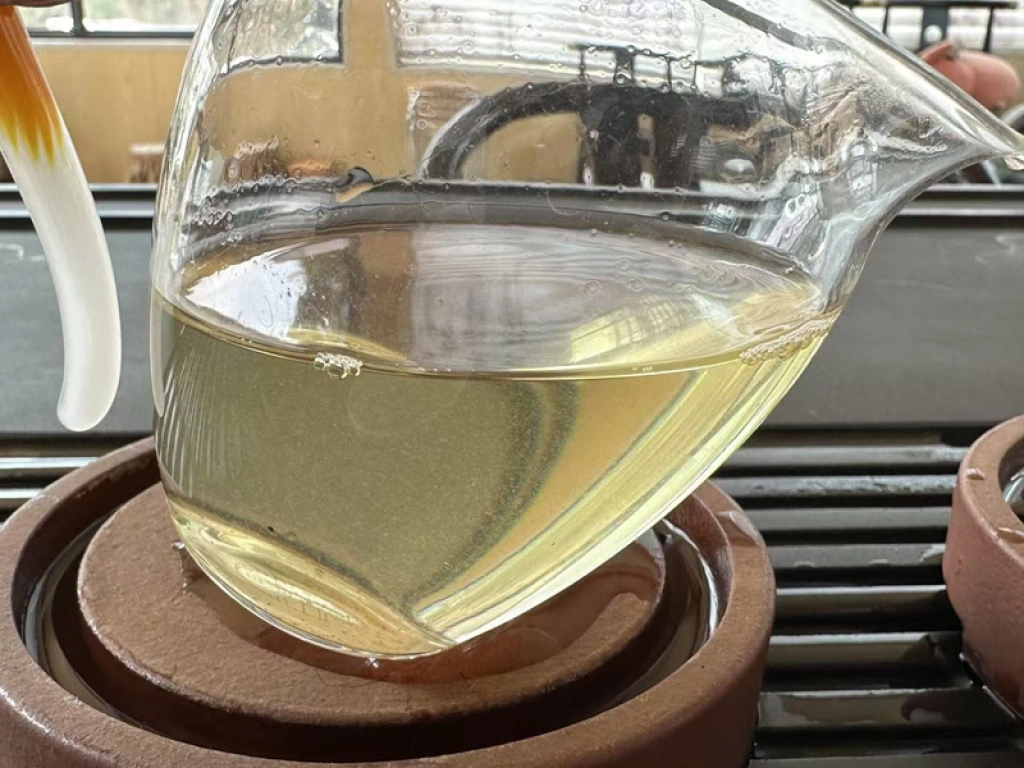
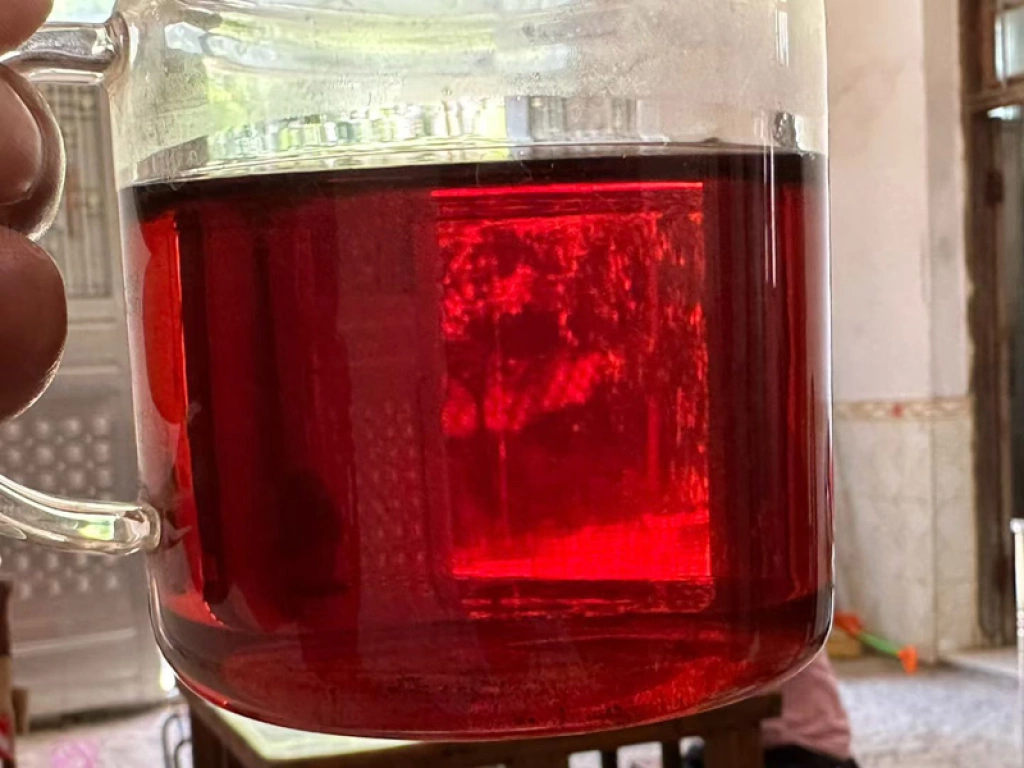
| Liquor Color | Young: green-gold → Aged: golden-orange/amber | Deep ruby-red/chestnut; clearer with age |
| Aging Potential | 20–60+ years, dramatic improvement | 10–20 years peak, smoother but less change |
| Common Issues | Excessive young bitterness | Fishy TMA smell in young/low-quality |
| Best For | Collectors, complexity seekers | Beginners, daily drinkers, comfort |
Flavor Profiles: A Sensory Journey
Sheng (Raw) Pu-erh: Bright and Evolving
Young sheng bursts with grassy, herbal, floral (jasmine/orchid), and fruity (apricot/peach) notes, often with initial bitterness followed by sweet hui gan. As it ages (10+ years), bitterness fades into honey, dried fruit, mineral, and camphor richness—smooth and layered.

Shou (Ripe) Pu-erh: Earthy and Comforting
Feels like a warm embrace: forest soil, dark chocolate, leather, dried dates, woody notes. Smooth, low astringency, cozy. High-quality shou avoids muddiness or fishiness.

Sheng vs Shou Flavor Comparison Table
| Sheng (Raw) | Shou (Ripe) |
|---|---|
| Fresh grass, herbal | Earthy, forest soil |
| Fruit (apricot, peach) | Dried fruit (dates, figs) |
| Floral (jasmine, orchid) | Chocolate, cocoa |
| Sweet finish (hui gan) | Smooth, mellow |
| Mineral, honey (aged) | Woody, leather |
| Flaw: Excessive bitterness | Flaw: Fishy odor if young/poor |
Why Does Some Pu-erh Smell "Fishy"?
Common in young shou: caused by trimethylamine (TMA) from Wo Dui microbial fermentation—same compound in fish odor. Chinese drinkers call it "fresh fermentation aroma"; Westerners associate with seafood. Strong/persistent fishy smell often means low-quality processing or very young tea.
How to Handle "Fishy" Pu-erh (Step-by-Step)
- Rinse thoroughly: Boil water, rinse leaves 2× for 5-10 sec to wash surface compounds.
- Let it breathe: Break cake, air out chunks in clean space for days/weeks.
- Age it: Store properly; fishy notes often vanish in 1-2 years.
- Brew carefully: Use 90-95°C water, shorter steeps initially.
Appearance & Aging Potential
Sheng: Young leaves green-olive, liquor light gold → aged near-black leaves, amber liquor. Ages dramatically 20–60+ years.
Shou: Dark brown/charcoal leaves, deep ruby liquor (brightens with age). Peaks 10–20 years, refines smoothness.
Brewing Tips
Gong Fu style: 5-7g / 100ml, rinse first.
- Sheng: 95–100°C, start 10-15 sec, increase gradually.
- Shou: Boiling, quick rinse crucial (helps reduce fishiness), 10-15 robust infusions.
Health Benefits & Choosing Your Pu-erh
Both rich in antioxidants; shou gentler on stomach (gut microbes), sheng energizing. Choose sheng for evolution/collecting, shou for daily comfort. Beginners: start with shou (smooth, low bitterness). Try both side-by-side!
Frequently Asked Questions
What does Pu-erh tea taste like?
Pu-erh varies: sheng is fresh, floral/fruity (sometimes bitter with sweet aftertaste); shou is earthy, smooth (chocolate, wood, dried fruits).
Why does Pu-erh sometimes smell fishy?
Young shou can have TMA from fermentation. Indicates young/low-quality; fades with airing/aging.
Difference between sheng and shou Pu-erh?
Sheng: natural slow aging, bright/fresh → complex. Shou: accelerated fermentation, dark/earthy/mellow.
Should beginners start with sheng or shou?
Shou—smoother, less bitter. Sheng for adventurous palates (floral but challenging young).
Does ripe Pu-erh get blacker with age?
No—liquor becomes brighter ruby-red and clearer.
Why is young raw Pu-erh bitter?
Natural in young sheng; transforms to sweetness. Use cooler water/shorter steeps.
Watch & Further Reading
Full tasting comparison—see and smell the difference.