
Matcha vs Dian Hong: Which Boosts Energy Better?
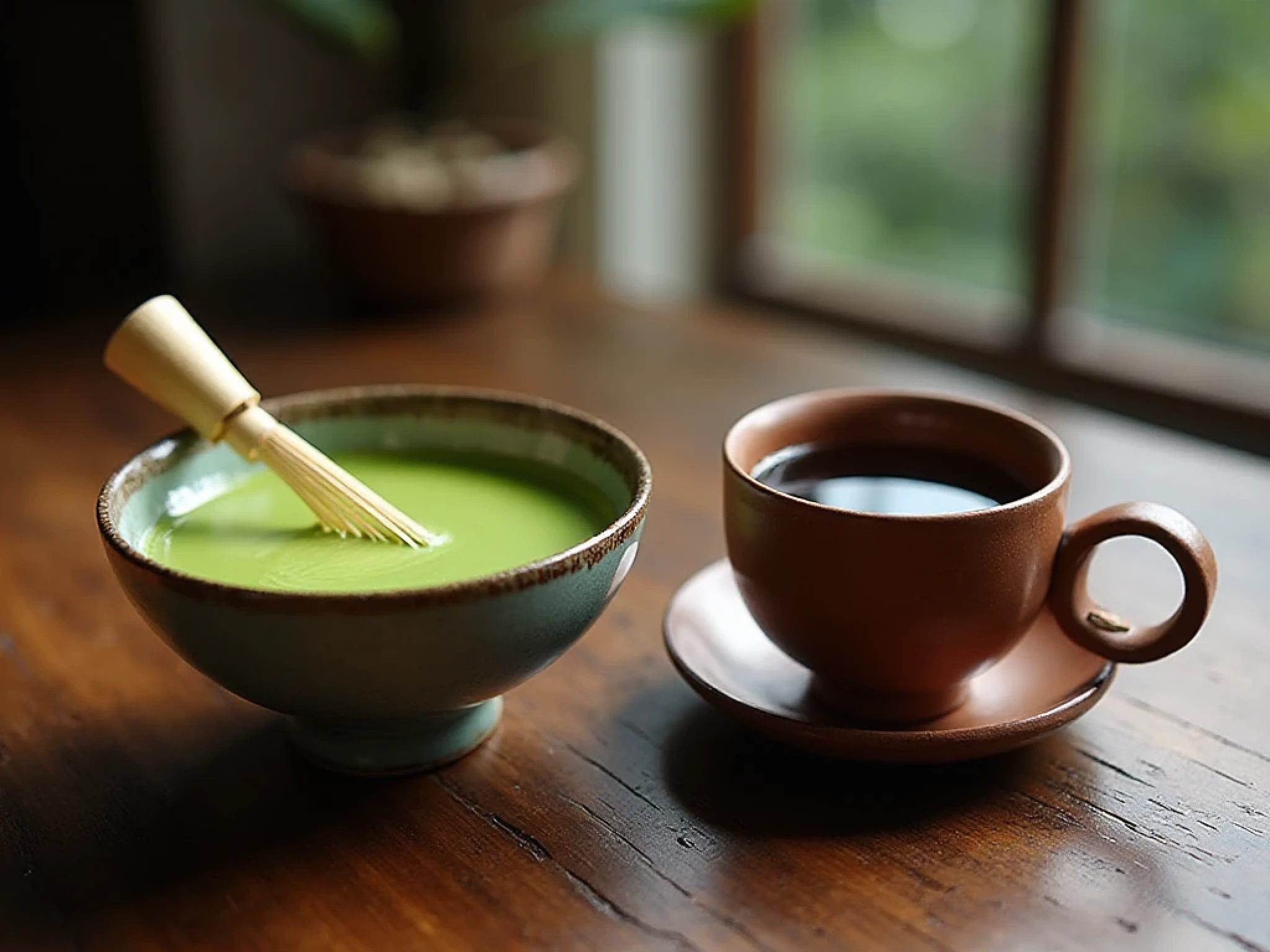
When you need an energy boost, tea is a natural choice, blending tradition with science. But which tea delivers the best lift? Matcha, Japan’s powdered green tea with a quick, intense kick, or Dian Hong, Yunnan’s bold black tea with a warm, sustained energy? Both teas energize, but their caffeine delivery, flavor profiles, and effects differ significantly. This article compares matcha’s vibrant caffeine hit with Dian Hong’s robust, lasting lift, helping you choose the perfect tea for your day. For more on tea’s benefits, explore our Tea and Health guide.
Matcha: The Vibrant Caffeine Kick
Matcha, crafted from shade-grown Camellia sinensis leaves ground into a fine powder, is a cornerstone of Japanese tea culture. Consumed whole, it delivers a concentrated dose of energy-boosting compounds.
Why Matcha Boosts Energy
- High Caffeine Content: Matcha packs 35–70 mg of caffeine per 1g serving (about 1 tsp), far more than most teas. A 2021 study in Nutrients shows matcha’s caffeine enhances alertness and cognitive performance within 20–30 minutes.
- L-theanine Synergy: With up to 20 mg/g of L-theanine, matcha promotes calm focus, reducing caffeine-induced jitters. A 2018 study in Journal of Functional Foods highlights this synergy for sustained mental clarity.
- Antioxidant Power: Rich in catechins like EGCG, matcha boosts metabolism and oxygen efficiency, supporting energy, per a 2020 study in Nutrients.
- Cultural Context: In Japanese tea ceremonies, matcha is used to sharpen focus during meditation, making it ideal for quick, intense energy needs.
Matcha’s energy hit is fast and vibrant, peaking within 30–60 minutes and lasting 3–4 hours, perfect for mornings or pre-workout boosts.
Dian Hong: The Robust Energy Lift
Dian Hong, Yunnan’s fully oxidized black tea, is known for its rich, malty flavors and warming energy. Crafted from large-leaf Camellia sinensis var. assamica, it offers a bold yet balanced lift.
Why Dian Hong Boosts Energy
- Moderate Caffeine: Dian Hong contains 20–40 mg of caffeine per 8 oz cup, providing a steady boost without overstimulation. A 2020 meta-analysis in Nutrients notes black tea’s caffeine supports sustained alertness.
- Theaflavins and L-theanine: Dian Hong’s theaflavins enhance cardiovascular health, indirectly supporting energy, while moderate L-theanine promotes calm focus, per a 2018 study in Antioxidants.
- Warming Properties: In Chinese tradition, Dian Hong is valued for its warming effect, boosting circulation and energy, especially in cooler weather, as explored in our Influence of Weather on Tea.
- Cultural Context: In Yunnan, Dian Hong is a daily staple, sipped for its robust yet smooth energy, ideal for long workdays or social gatherings.
Dian Hong’s energy release is steady, peaking in 30–60 minutes and lasting 4–5 hours, making it ideal for sustained focus or afternoon revitalization.
Comparison Chart
| Aspect | Matcha | Dian Hong |
|---|---|---|
| Caffeine (per serving) | 35–70 mg (1 tsp) | 20–40 mg (8 oz cup) |
| Energy Onset | 20–30 minutes | 30–60 minutes |
| Duration | 3–4 hours | 4–5 hours |
| L-theanine | High (up to 20 mg/g), promotes calm focus | Moderate, supports steady alertness |
| Flavor | Grassy, umami, vibrant | Malty, honeyed, robust |
| Best For | Morning boost, pre-workout, intense focus | All-day energy, afternoon lift, social sipping |
| Preparation | Whisked in 70–80°C water | Brewed at 95–100°C |
| Side Effects | Jitters if overconsumed | Tannin-related stomach irritation if brewed too strong |
Use this chart to quickly compare matcha and Dian Hong for your energy needs.
Factors Affecting Energy Boost
Several factors influence how matcha and Dian Hong energize you:
- Dosage: Matcha’s high caffeine requires small servings (1–2 tsp daily). Dian Hong allows multiple cups (2–3 daily) due to lower caffeine per serving.
- Preparation: Matcha’s whisked powder delivers caffeine upfront, while Dian Hong’s brewing releases it gradually. Oversteeping Dian Hong can increase tannins, affecting digestion.
- Time of Day: Matcha is ideal for mornings or pre-workout due to its quick kick. Dian Hong suits afternoons or social settings for sustained energy without sleep disruption.
- Individual Sensitivity: Caffeine-sensitive individuals may prefer Dian Hong’s gentler lift. Matcha’s L-theanine reduces jitters but may still be intense for some.
- Health Goals: Matcha’s catechins boost metabolism for active lifestyles, while Dian Hong’s theaflavins support heart health, enhancing energy, as noted in our Tea and Health guide.
Practical Tips for Energy
Maximize the energy benefits of matcha or Dian Hong with these tips:
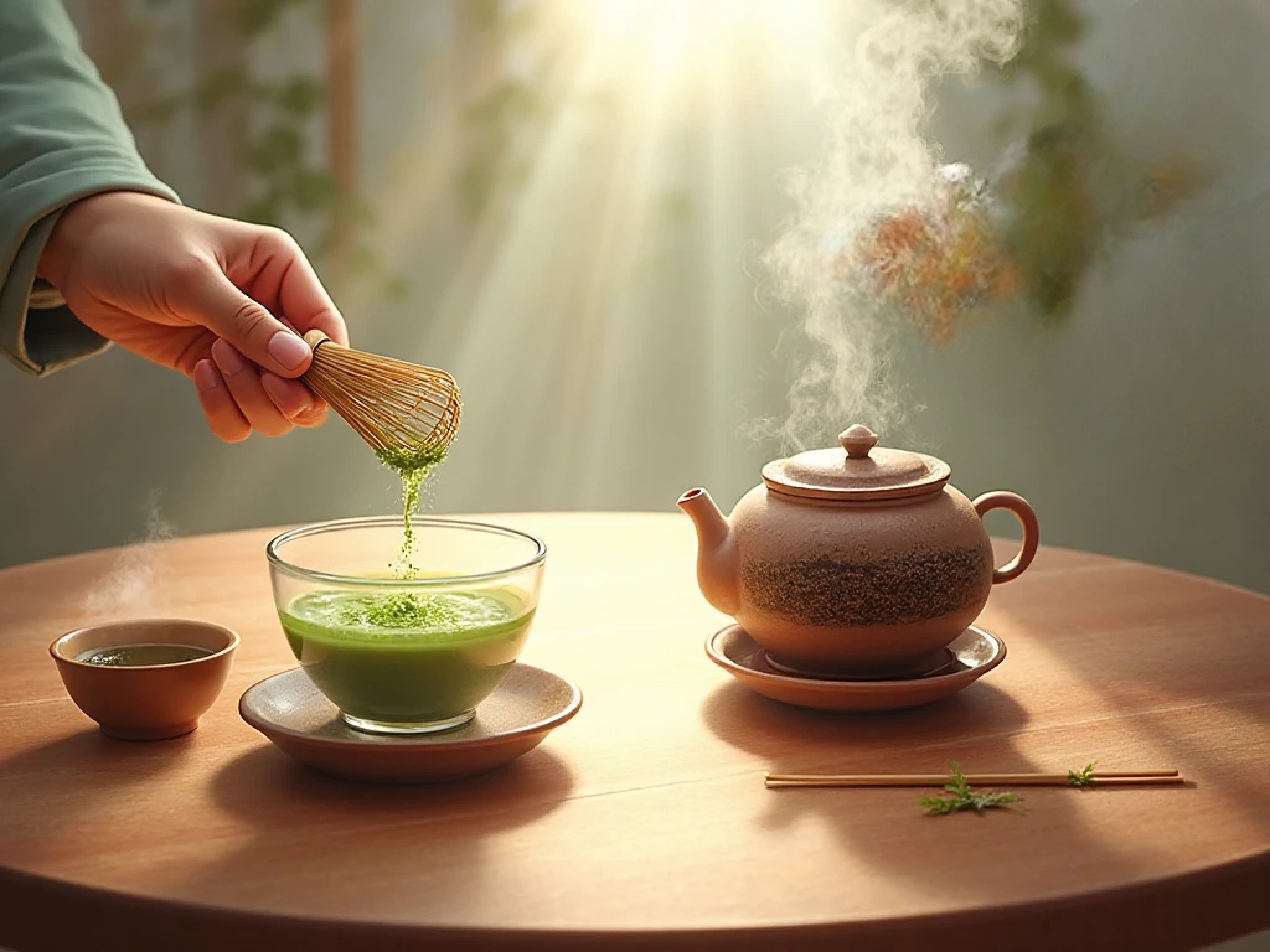
- Matcha Preparation: Whisk 1 tsp matcha with 70–80°C water for 15–20 seconds using a bamboo whisk and ceramic bowl. Limit to 2 tsp daily to avoid jitters, per FDA guidelines.
- Dian Hong Brewing: Steep 3–5g per 200ml at 95–100°C for 30–60 seconds. Use a teapot or gaiwan for multiple infusions. See our Dian Hong vs. Other Black Teas for brewing tips.
- Timing: Drink matcha in the morning or before exercise for a quick boost. Opt for Dian Hong in the afternoon or during work for sustained focus.
- Pairing: Pair matcha with light snacks (e.g., fruit) to balance intensity. Dian Hong complements pastries or savory meals, enhancing its warming effect.
- Moderation: Keep total caffeine below 400 mg/day (e.g., 2 cups matcha or 3–4 cups Dian Hong) to avoid anxiety or digestive discomfort.
Try a morning matcha for a sharp start and an afternoon Dian Hong for steady energy. Experiment to find your perfect balance!
Conclusion
Matcha and Dian Hong offer distinct energy boosts for different moments. Matcha’s vibrant, high-caffeine kick, softened by L-theanine, is perfect for mornings or tasks needing intense focus. Dian Hong’s robust, malty lift provides steady, warming energy for all-day productivity or social sipping. Your choice depends on your needs: matcha for a quick spark, Dian Hong for enduring vitality. Brew with care, savor the flavors, and let these teas power your day. Dive deeper into tea culture with our Tea Tasting Series.
Frequently Asked Questions
Yes, on a per-gram basis, Matcha contains significantly more caffeine (35–70 mg per 1g) compared to Dian Hong. This is because Matcha involves consuming the entire pulverized leaf, whereas Dian Hong is an infusion where only the water-soluble compounds are extracted.
Matcha is rich in L-theanine, an amino acid that promotes relaxation without drowsiness. It creates a synergistic effect with caffeine, slowing its absorption and providing a "calm alertness" rather than the sharp spike and crash often associated with coffee.
Generally, yes. Dian Hong is a fully oxidized black tea, which is considered "warmer" in traditional tea philosophy and often gentler on the stomach than green teas or highly concentrated Matcha, especially when consumed after meals.
It is best to avoid Matcha in the evening due to its high caffeine content which can peak quickly. Dian Hong also contains caffeine but has a steadier release. For better sleep quality, we recommend finishing your last cup of either tea at least 6 hours before bedtime.
Matcha is often preferred for metabolic support. Its high concentration of EGCG (epigallocatechin gallate) has been shown to enhance fat oxidation during moderate exercise, making it a popular pre-workout choice.