
Matcha: A Bowl of Time — How Japan’s Tea Ritual Meets the Modern World
Trace matcha’s passage from Zen monasteries and Sen no Rikyū’s tea hut to global cafés and modern production. This essay explores origins, craft, global reinvention, and the tensions between ritual and commerce.
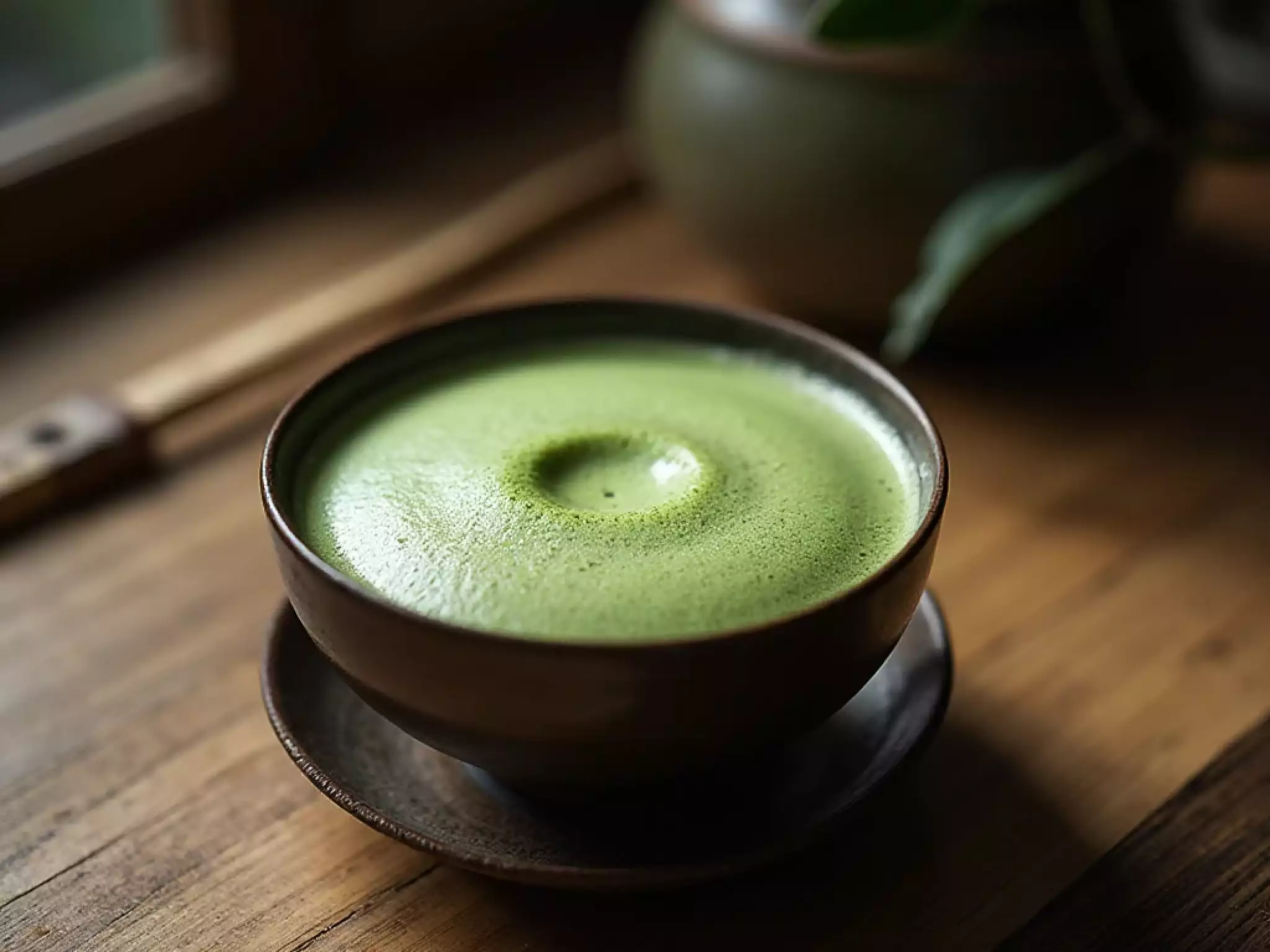
I. Origins: Powdered Tea Before It Was “Matcha”
Matcha begins in Song-dynasty China but matures into a distinctly Japanese cultural form.
Powdered tea—tea leaves ground and whisked into froth—was practiced in China centuries before the word “matcha” existed. In the late 12th century, a Zen monk named Eisai brought both tea seed and practice to Japan. For monks, powdered tea was a practical stimulant during long periods of meditation. It was less about luxury and more about presence.
II. Samurai, Aesthetics, and Sen no Rikyū
As tea entered aristocratic and samurai circles, it became a cultural stage. Samurai appreciated matcha for its discipline and clarity—qualities akin to martial training. Into this soil stepped Sen no Rikyū, who reframed the tea gathering as an austere aesthetic practice: wabi—the beauty of simplicity, humility, and imperfection.
Rikyū’s tea hut, rough pottery, and careful restraint turned matcha into a practice of contemplation as much as taste. The ritual—bowing, arranging the tea implements, the measured movements—remains central to chanoyu (Japanese tea ceremony).
III. The Land Beneath the Froth: How Matcha Is Made
Matcha is not just a powder; it is a concentration of landscape and labor.
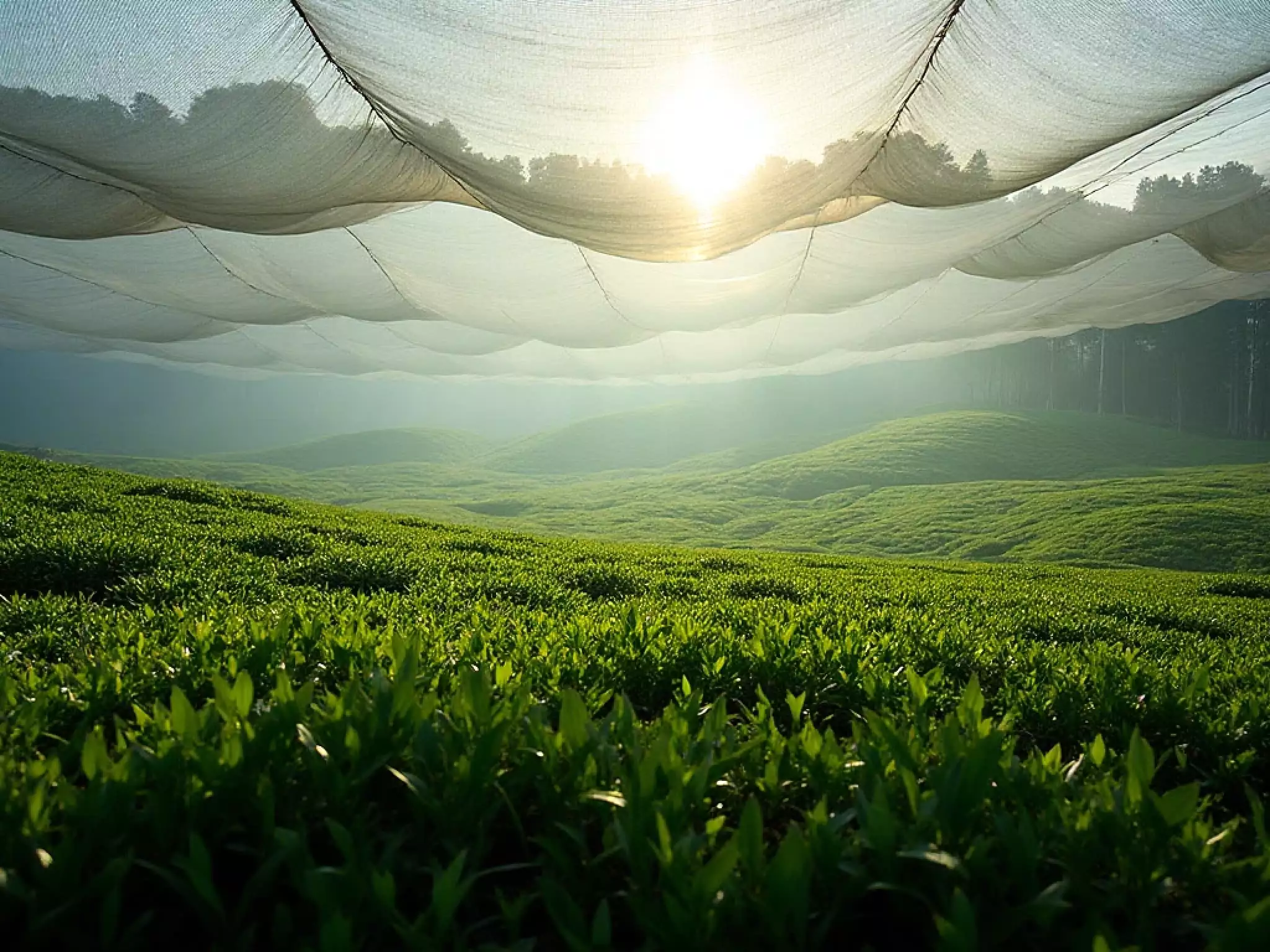
- Shade-growing (覆い下栽培) — tea plants are shaded weeks before harvest to boost amino acids and produce vivid green leaves.
- Hand-plucking + Tencha — young spring leaves are steamed, deveined, and dried into tencha, the raw material for matcha.
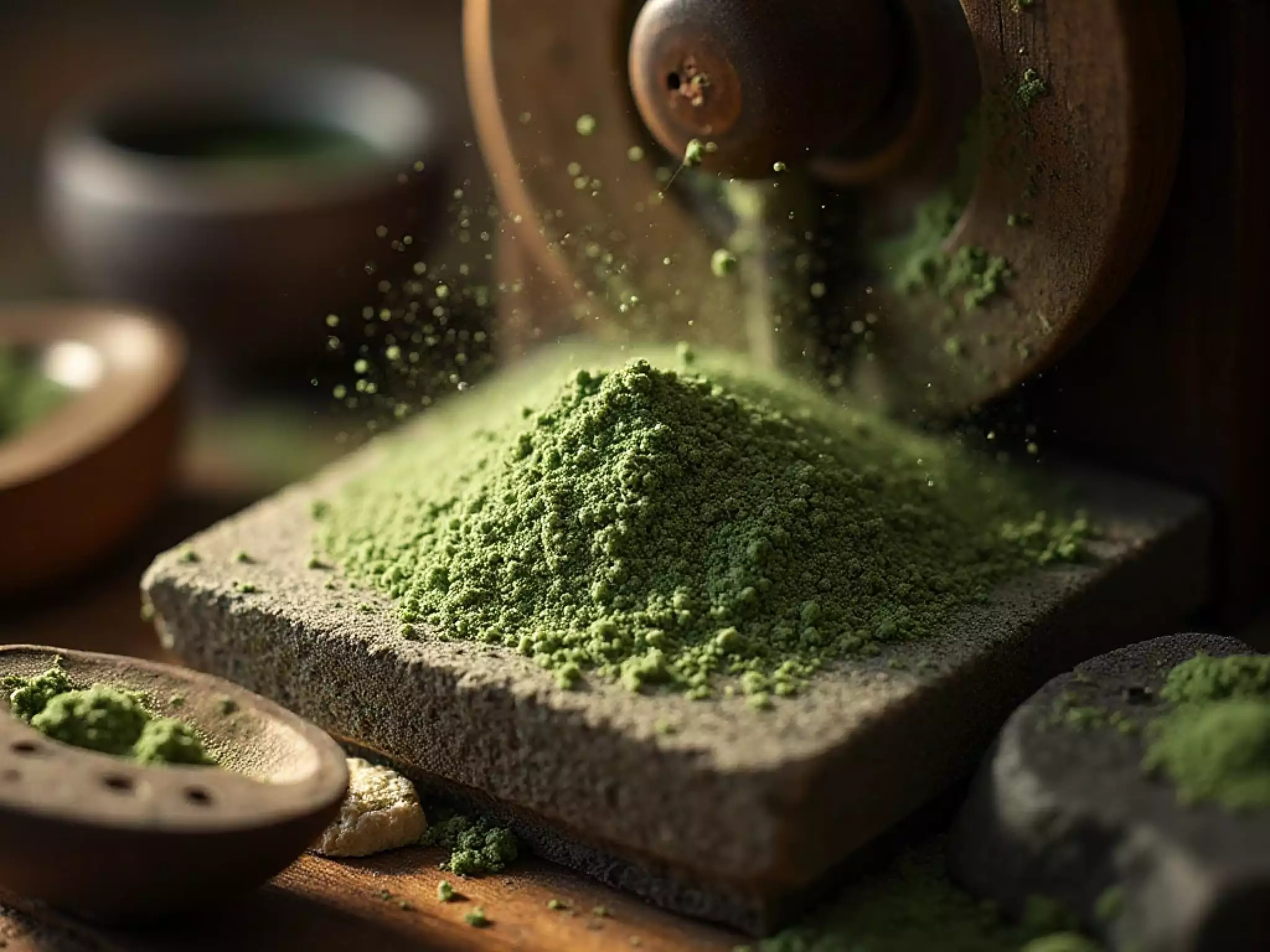
- Stone-milling — traditional granite mills grind tencha slowly, maintaining cool temperatures and preserving aroma; the process is deliberately unhurried.
Famous Japanese regions: Uji, Yame, Nishio, and Kagoshima. Each lends a subtle fingerprint to flavor: vegetal sweetness, umami, or rounded richness.
IV. A Global Rebirth: From Ceremony to Café Culture
Matcha’s modern popularity comes from multiple vectors: the Western wellness movement, social media’s appetite for color and ritual, and café culture’s constant search for visual and taste novelty. Matcha lattes, ice drinks, desserts, and “dirty matcha” (matcha + espresso) reimagined the powder for new rituals.
This shift created two coexisting matchas: the quiet ceremonial bowl and the trend-forward lifestyle beverage. Neither negates the other — each expresses a different relationship to taste and time.
V. The Unseen Players: China & Global Production
Although matcha’s cultural authority is Japanese, global supply has shifted. Recent decades saw Chinese producers scale shaded-tea cultivation and milling; today China supplies a significant share of the world’s matcha—often estimated around the majority of output—while Japan retains its reputation for ceremonial single-origin matcha.
This split prompts provenance questions: what counts as ‘authentic’ matcha—geography, craft, or ritual context?
VI. Preservation & Innovation: Keeping Ritual Alive in a Changing Market
Contemporary tea farmers and artisans respond to two pressures: preserving craft and meeting global demand. Responses include single-estate labeling, organic practices, carbon-efficient milling, and barista-driven brewing protocols. The future rests on balancing scale with provenance and transparency.
VII. A Practical Tasting Guide
For readers who want to taste mindfully:
- Choose your powder: ceremonial for straight whisking, culinary for lattes.
- Tools: sift the powder, warm the bowl, use 70–80°C water, whisk in an inverted “W.”
- Tasting notes: note aroma, first sip (umami / sweetness), mid-palate bitterness, and finish.
A short ritual—prepare, breathe, sip—connects the drinker to the matcha’s land and labor.
VIII. A Bowl for the Future
Matcha’s story loops across time and borders. Whether sipped in a Kyoto teahouse or poured from an oat-milk pitcher in Brooklyn, matcha asks us to taste landscape and labor. The glow of the powder remains the same; how we honor that glow is the cultural question before us.
FAQ
👉 The Legacy of Pu-erh Tea: From Ancient Trees to Modern Cups
📚 External Reading: O-Cha (Japanese Tea Resource)
Is matcha originally Japanese?
Powdered tea originated in China, but what we call matcha—its ceremonial form and long tea-ritual tradition—was culturally developed and codified in Japan.
What’s the difference between ceremonial and culinary matcha?
Ceremonial matcha is made from the youngest leaves, milled finely, and meant to be whisked straight with water. Culinary matcha is designed for lattes and cooking—more robust and sometimes less sweet.
Where is most matcha produced today?
Japan remains the cultural authority and producer of prestigious single-origin matcha, while China supplies a large proportion of global matcha due to scaling of shading cultivation and milling.
How should I taste matcha at home?
Sift the powder, use approximately 2g per 60–80 ml of water at 75–80°C, whisk in an “M” or “W” motion until frothy, and sip slowly to appreciate umami and finish.